Category: Recipes

  • Why AVOCADOS are Healthiest of all foods.

    Why AVOCADOS are Healthiest of all foods.

    1382336544-avocado

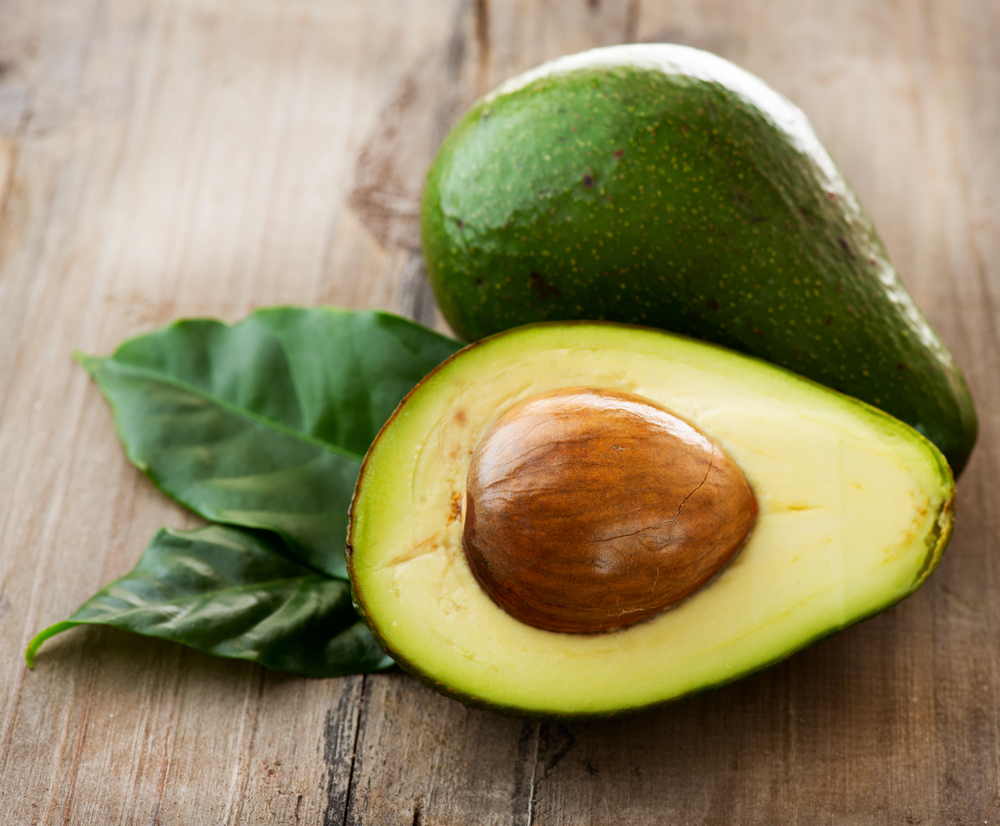
    Avocados. Are. Really. Healthy. Do you know that? If you have eaten it, you have definitely experienced its benefits, but if you don’t consume it, maybe you doubt its perks. The Avocado, not so common in India is very renowned and beneficial fruit, healthiest of all. It has proven benefits and is loved all over the world and is consumed with all the consciousness. Avocado, also known as Alligator pear are commercially valuable and cultivated in tropical and Mediterranean climates throughout the world. Although it is techmically a fruit, this mild-flavored avocado is also used as a vegetable. It is also sometimes known as butter pear beacause of its saccharine flesh and its textured skin. Native to Mexico and Central America, there are 4 main varieties of avocado; Hass (considered to be best and used often), which has dark, greenish skin, Ettinger which is pear shaped, smooth skinned, Fuerte and Nabal which is spherical. This fruit is highly nutritious, containing Vitamin E, potassium, iron and niacin and gives nutrition to the body in a great way. It has excess of 25 essential nutrients including Vitamin A, B, C,K and also contain fiber, protein and other beneficial phytochemicals such as glutathione, lutein, betasitosterol, which protects our body against many diseases. It is available all year round in grocery stores and veggie and fruits area of your locality and Its best to keep it in fridge once ripe to maintain its freshness. If you have to decide about choosing the best avocados, go for an unblemished skin, not too soft but gives flesh when squeezed gently and if you buy hard ones , it can be ripen quickly by putting them in brown paper with a banana, out of the fridge.

    The preparation of avocado and eating it easy. Just run the small, sharp knife all the way around avocado from top to bottom. To remove the stone out of avocado, ease it out with the spoon, firmly and lever out. The flesh of avocado discolours rapidly when exposed to air, so brush it with lemon juice, if you are not going to eat it straightway. Though Avocados are best used Raw, not cooked, yet there are many recipes with avocado and is even used as vegetables sometimes. You can mash it with tomatoes, garlic, chillies to make the classic Mexican dip, guacamole or you can even slice it thinly with tomato and mozzarella cheese drizzled with olive oil to make an Italian Salad. Or enjoy it as you like.

    The Mayan Indians have a popular saying,”Where avocados grow, hunger or malnutrition have no friends.”

    Now, you may be having curiosity to know the health benefits of Avocado and why it is one of the healthiest foods in an entire world and why it is recommended to have one Avocado a day and how it can make a difference to your life;
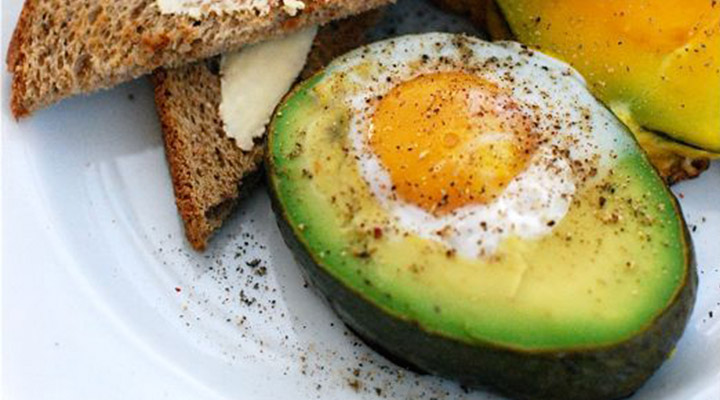
    Healthy-Egg-Recipes-for-Breakfast-Baked-Eggs-in-Avocados

    Good for Heart: Avocados are best for heart health, Having Vitamin B6 and folic acid, which helps in maintaining homocysteine levels. It is something which is associated with increased risk of heart diseases if have high levels of homocysteine. Also, other nutrients like Vitamin E, glutathione, monounsaturated fat helps in maintaining heart health. In addition Oleic acid in avocados improves the cardiovascular condition.

    High Fiber Content: If you’re tired and bored of eating and trying other things for fiber, come try the avocados. They have quite fiber content. There is like 10 grams of fiber in a medium-sized avocado, with 75 percent of fiber is insoluble; the one that speeds up the digesting process and other 25 percent is soluble; which is responsible for making you feel full.

    Awesome for Skincare: Yes, you heard it right. Avocados prove to be great moisturizer, treat sunburns and even reduce wrinkles. There’s this simple face mask; Mix honey, yoghurt, avocado together and put it on your face on keep it there for some time. And just see the magic after how your face glows out. Also, there’s this thing called Avocado oil, simply awesome and is said to do wonders for your body. Even cooking with avocado oil, can fight many diseases like heart disease, cancer and signs of ageing. So, use Avocado and its oil to the rescue.

    Antioxidant Properties: Avocado is wonderful antioxidant as it contains master antioxidant “glutathione” which is an antioxidant booster and helps in fighting free radicals in the body. It boosts the body’s immune system and keeps the nervous system healthy. So, this fruit an be a wonder for you.

    Eye-Protection: Avocados are best for eyes and can prevent eye weakness and even age related eye health decline. Use avocados and eat then daily for perfect eyesight. As having carotenoid lutein, it protects the eyes from age-related eye degeneration and cataracts. For healthy eyes, go for avocados.

    Avocados are fattening but in a good way: Don’t be surprised. I’m talking about avocados which contain incredibly healthy monounsaturated fats which is amazing for your heart . Yes, they do hav more fats than any other fruits, but ina healthy way. So, don’t deter from eating them for weight concern.
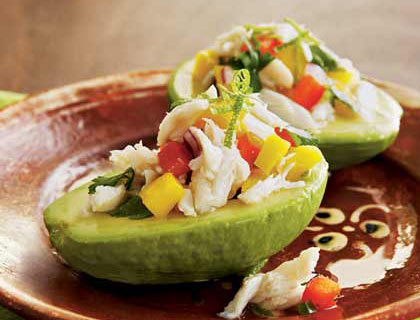
    420_avocado_recipe.imgcache.rev1270831386097

    Some Quick Serving Ideas:

    Use chopped avocados for garnishing on black bean soup.

    You can combine sliced avocado with fennel, fresh mint and oranges and it can be a lovely salad.

    Want something new? Spread ripe avocados on bread in place of mayonnaise when making a sandwich. It can be a very helthy replacement.

    Add avocado to your creamy tofu-based dressing recipe to give it richness and beautiful green colour.

    Well, with so much of info and so many recipes, you should run to your nearest fruit shop and start having it. Keep loving Avocado and it will love you back all the more.

    Healthy Eating. Happy Life.
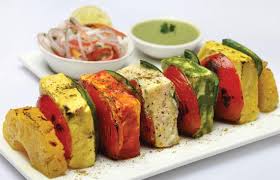
  • Paparazzi Paneer

    Paparazzi Paneer

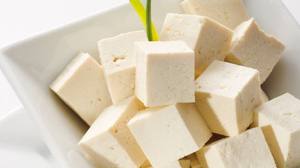
    Paneer or Indian cheese is one of those such things which is unanimously a favorite milk derivative for all, despite the fact how much they hate the milk itself!!

    images (1)

    Paneer is known to be widely favorite and commonly used in the northern parts of the Indian subcontinent, which is called by different names in the different parts of the country. it is called as sana in Assamese, chhena in Oriya and bihari and chhana in Bengali. Since the ancient times, paneer still remains the highly popular cheese used in the Asian cuisines.

    Paneer is usually prepared by using vinegar, citric acid or yogurt which is added to the hot milk, in order to separate the curd, which is then drained using muslin cloth and the excess water present is drained out. The paneer which is then obtained is put in chilled water for a few hours in order to give it the desired shape and texture. In some cultures, the curd is wrapped in a cloth and placed under some heavy weight for 2-3 hours, which leads to a soft cheese.
    images

    Home made paneer consists of a total of 80 calories, 9 mg cholesterol, 84 mg sodium, 2 gm of total fats, 10 gm of total carbohydrates, 10 gm sugar and 7 gm proteins. It also contains 23% calcium and a good amount of vitamin A also. These all nutrients are known to reduce the risk of certain diseases like osteoporosis , malnutrition , supports bone growth, blood formation, strengthens the liver and facilitates the absorption of nutrients.

    Some of the  most common and popular paneer dishes include-

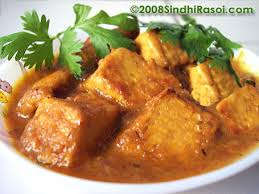
    1. Shahi paneer

    2. Paneer tikka

    3. Rasgulla

    4. Palak paneer

    5. Rasmalai

    images (2)

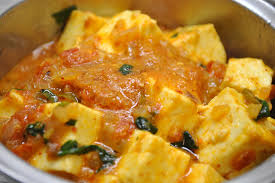
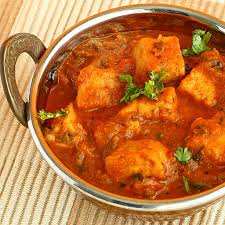
    The use of paneer is highly common in countries like India, Pakistan, Nepal and Bangladesh which have paneer prominently present in most of their dishes. Paneer or cottage cheese, has a delicate milky flavor and is used in a variety of dishes from curries to snacks to desserts. It is a rich source of  calcium and vitamin D, and has less amount of calories.

    However, here are some quick recipes for the yummy and mouth-watering panner:

    1. Tomato Paneer-

    This recipe is simple and speedy, which is low in fat content. It consists of paneer chunks tossed in olive oil, with mild spices, puree, milk and capsicum.

    download

    A. 1 tsp olive oil

    B. 1 tsp zeera

    C. 1/4 cup milk

    D. 1 tsp garam masala

    E. salt to taste

    F. 1 tsp sugar

    G. 1 1/2 cups tomato puree

    H. 1/2 capsicum, diced

    I. 1/2 tsp ginger-garlic paste

    J. chopped coriander leaves

    download (1)

    In a pan, add olive oil, zeera and ginger-garlic paste. Add the diced capsicum and saute them for a minute. Now add the tomato puree, garam masala and sugar. Cook them til they leave oil at sides.

    Add milk and mix well. Now add the paneer cubes, let it cook on a low flame for a few minutes. Do not over cook, as the milk added to it can curdle. Garnish with the coriander leaves and serve.

    2. Multani Paneer Tikka-

    Thin slices of paneer with a mushroom mixture, folded and coated in besan mixture, and shallow fried till golden

    download (3)

    A. 500 gm cottage cheese

    B. 1 cup chopped spring onion

    C. 2 cups white mushrooms, chopped

    D. 4 tbsp grated cheddar cheese

    E.  2 green chilies, chopped

    F. 1 tsp ginger, chopped

    G. 1/2 tsp garam masala

    H. 1 tsp cumin

    I. 1 tsp black pepper

    J. salt

    K. coriander leaves, chopped

    L. 1/2 cup besan

    M. 1 tsp refined oil

    download (4)

    Slice paneer to thin long sheets, and drain off the excess water. In a pan, take 1 tsp oil, spring onions and mushroom and saute. Now, add cumin, salt, black pepper and garam masala. Let the mixture to cool down and dry down.

    Add chopped ginger, coriander leaves, green chilies and grated cheese. Mix all of the ingredients well. Put the mushroom mixture on the sliced paneer, spread it evenly with knife till half its length and fold it. Prepare a batter with besan and water, which should not be too thick. Now dip the stuffed paneer in the besan mixture, and shallow fry in a non-stick pan till th epaneer slice sturn golden brown.

    Serve the mouth-watering paneer tikka with mint chutney.

    3. Til-E-Paneer –

    download (2)

    A. 500 gm paneer

    B. 2 tsp garlic paste’

    C. 2 tsp ginger paste

    D. 1 tsp black pepper

    E. salt to taste

    F. coriander leaves, chopped

    G. 1/4 cup yogurt

    H. green chilies, chopped

    I. 1/4 cup white sesame seeds, roasted

    J. onion rings, to garnish

    K. lemon wedges, to garnish

    L. oil to brush the paneer

    images (4)

    Mix the paneer slices, garlic paste, ginger paste, black pepper, salt, yogurt, green chilies and white roasted sesame seeds in a bowl, add keep them for 20-30 minutes.

    Place the paneer in a drip pan, and bake it in the pre-heated oven for 10 minutes. Remove from the oven, dab it with oil and bake in oven again for 10 minutes. This could also be grilled using griller.

    Serve it hot, garnished with coriander leaves, onion rings and lemon wedges.

  • The Mr’s and Mrs’s of Food!

    The Mr’s and Mrs’s of Food!

    foodpairs1

    Every hero needs a heroine. Similarly, certain foods taste better when they are served with their other half. There are times when their names itself are synonymous with one another. Every time you order certain foods, you will know they will be served with the other. Some times when they are served alone it doesn’t feel right. Some foods taste incomplete without their mate. They are so desperately in need of the other to look and taste better.

    1.    Idly and Sambar

    foodpairs2

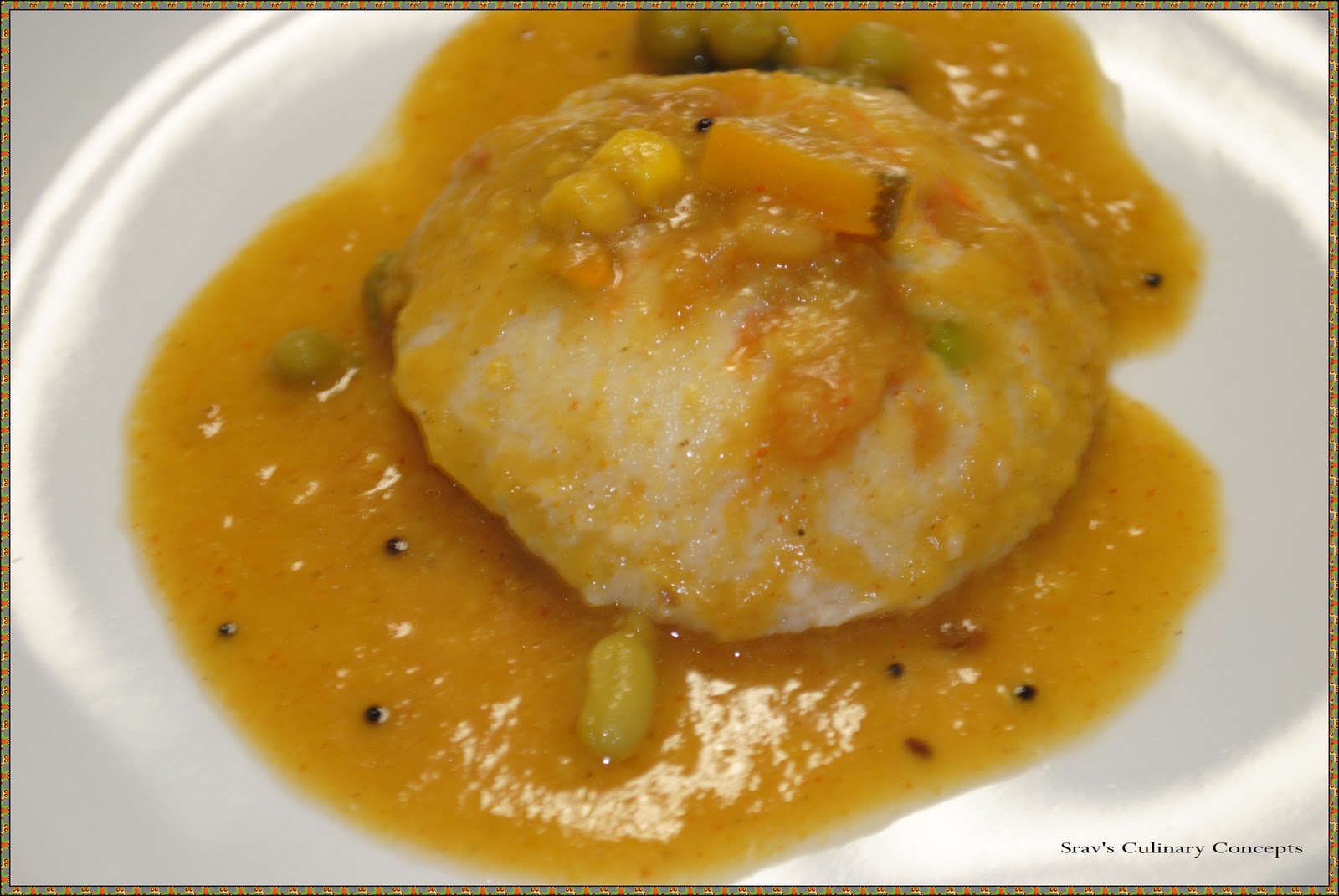
    This is a common South Indian breakfast pair. Idly a steamed rice cake is one of the perennial South Indian breakfast dishes. You will not find any restaurant which serves Idly without sambar. If Idly is served without sambar, there is a high possibility that the customer might walk out of the hotel or create a scene about it. A couple of idlis with sambar is the best way to start your day. Idli sambar, unlike what many people feel is not a monotonous dish by any means. Idli sambar can be served in different ways. You can eat it the traditional way. Put idlis in a plate and sambar in a separate bowl. You can also pour the sambar over idli and sprinkle a little ghee over it to make is taste absolutely delicious. There is also the mini-idlis, where small baby sized idlis are soaked in sambar and eaten until our stomach is full with food and happiness.

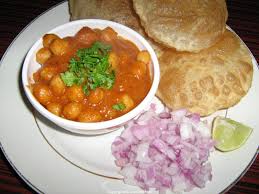
    2.    Poori and Channa

    foodpairs3

    Poori and Channa is another dish which goes hand in hand with one another. Poori is made by mixing atta with salt and little water, and kneading it well until it forms dough. The dough is taken and flattened before being put in oil, and they are taken out within few seconds to prevent them from being burnt. Poori is a little heavy meal, but it is the all time kid’s favorite. Most kid’s who would run away hearing the word food, tend to eat a lot more on “Poori Days”. Poori’s are generally reserved for special occasions and Sundays. Poori is incomplete without its twin side dish “Channa Masala”. Channa masala is another kid’s favorite and it is extremely rich in proteins. According to dieticians, every channa has the same protein content as that of one full egg. The carbohydrates and protein content in Poori-Channa combo is very high and with its fantastic taste it is one of the most favorite vegetarian dish for people in India, especially the children.

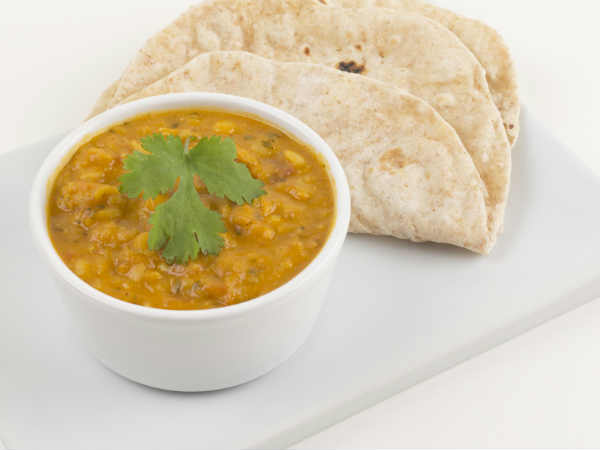
    3.    Roti and Dal

    foodpairs4

    Roti and Dahl in North India, is what Idly and Sambar is to the people in South. It is the common man’s dish. Though roti tastes good with many side dishes like paneer butter masala and butter chicken the elegance it brings with dahl cannot be substituted. Roti is made with atta or wheat flour which is mixed with salt and water. They are made into dough and cooked in a pan or by exposing it to direct flame. Dal has slight variations in different parts of the country. Gujarati Dal is a refreshing change from the usual everyday dal. The flavors are complex, tangy and sweet with a hint of spice.

    4.    Popcorn and Butter

    foodpairs5

    If there was ever a theatrical combination this is it. Popcorn and butter is mostly eaten in theaters and there is nothing like munching on butter popcorn while watching an action flick. Popcorn was discovered by native Americans but became very popular during the Great Depression because of their low cost. Popcorn and butter are bound to be together forever!

    5.    Pizza and Coke

    foodpairs6

    Pizza might be Italian, but it is probably the most popular food across the globe along with noodles. There is nothing like ordering and eating pizza on a Saturday night. Anyone pizza lover will say it definitely tastes better with Coke. The hot pizzas and cold coke is a match made in heaven and one of the most romantic ones definitely. All the pizza chains have their own beverage partner and it is common to see coke being given as a complementary to pizza.

    6.    Burgers and Fries

    foodpairs7

    Although french fries may date back to the 1600s-1700s, their popularity sky rocketed when they began to be sold worldwide through fast food chains, especially McDonald’s. Most fast food chains quickly paired the fries with burgers, creating one delicious meal. Nowadays, burgers and fries are treated like a single meal and even a kiddie meal in most fast foods would serve burgers, fries and an aerated drink. They are inseparable and are meant to be that way!

    7.    Milk and Cookies

    foodpairs8

    The most common western breakfast is a tall glass of milk along with cookies. It is traditionally the most filling and easiest dish to prepare and eat. Milk goes along with all types of cookies, especially the Oreos. It is often dubbed as “Milk’s favorite cookie”. The chocolate cookie along with milk is as tempting as it could get.

    There are a lot of other such food pairs which go hand in hand. These foods are great when eaten separately but the entire experience becomes beautiful when eaten with their pair. Certain foods are meant to be eaten that way to make the feel complete and satisfying. After all, there would be no Tom if there was no Jerry!


  • 4 Romantic Desserts That Will Take Your Heart Away

    4 Romantic Desserts That Will Take Your Heart Away

    Romantic dessert…that just sounds a bit redundant, doesn’t it? There is nothing better than the combination of two of the best things in the world, namely dessert and romance. Science has proved that there are certain fruits and other edible items that can turn on your mood and are a must have for that perfect date. we all know that chocolates and strawberries are great aphrodisiacs too. No wonder the entire human race is crazy about chocolates like anything. Whether you are preparing dinner for your loved one or you are just feeling low, these desserts will surely uplift your mood and bring a 100 Watt smile on your face. Try these out and feel yourself floating in epicurean heaven.

    1. Chocoberries

    Chocoberries

    Chocoberries are strawberries that are coated with chocolate and served chilled. This quick dessert has the most romantic things ever available on the planet Earth. The sweet and tangy flavour of strawberries goes aptly well with the velvety touch of chocolate, making it an absolutely amazing dessert. It is perfect for every occasion and non-occasion. The best part of this dessert is that it takes such less time that you can count on this one for those last minute surprises.

    Ingredients:

    10-12 strawberries (remember to have the stems intact)

    3/4 cup semi sweet chocolate chips or chocolate chunks

    3/4 tablespoon corn syrup

    2 1/4 tablespoon butter

    Method:

    1. Wash the strawberries and pat dry. Make sure you have all the strawberries fresh and clean.

    2. Spread them out on a paper tissue until they reach room temperature.

    3. Melt the chocolate chips in a double boiler. Add corn syrup and butter to the double boiler. Make sure you keep stirring in between else you will run the risk of burning your chocolate mix.

    4. Remove the mix from heat and dip the starwberries into the chocolate but do not dip more than 2/3 of the strawberries.

    5. Let the excess chocolate drip off the strawberries.

    6. Place the strawberries stem side down and referigerate for about 15-20 minutes and serve with a spark in your eyes.


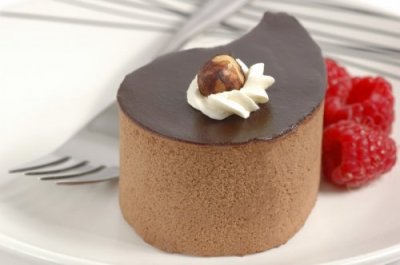
    2. Chocolate Mousse

    chocolate mousse

    Everybody loved this dessert as kids. everybody loves it as adults. This dessert never gets old. The texture of this dessert is simply perfect and the way it melts in the mouth, makes it all the more adorable. The enigmatic smell that it emits makes one fall in love with everything around them. Almost.

    Ingredients:

    60 grams chocolate chips

    1 1/2 tablespoon water

    1/2 teaspoon vanilla

    1/2 cup whipping cream

    1 tablespoon confectioners’ sugar

    Method:

    1. Melt the chocolate and water in a saucepan.

    2. Add vanilla to the mix and whisk it thoroughly.

    3. Leave the mix to cool and whip the cream in a separate bowl.

    4. Add confectioners’ sugar to it.

    5. Blend in the chocolate mix to this and beat it in cut-and-fold manner.

    6. Take a scoop of the mousse created and pour it into a clear bowl.

    7. Garnish with some grated chocolate to give it an extra chocolatey taste.


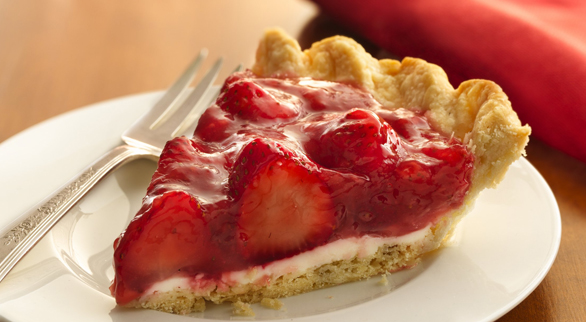
    3. Strawberry Pie

    strawberry pie

    A pie is one dessert which is not too sweet and so, does not go overboard in making one feel its sweetness. The crispness of the pie mixed with the gooey texture of strawberries make it a complete dessert. Strawberry pie tastes brilliant but it looks even better! And a tempting looking dessert is always better than every other dessert.

    Ingredients:

    1 pie crust, pre-baked

    1 pint strawberries

    100 grams strawberry Jell-O gelatin dessert

    2 tablespoons cornstarch

    1 cup cold water

    1 cup hot water

    1/2 cup sugar

    Whipped cream

    Method:

    1. Pre-bake the pie crust and let it cool.

    2. Slice the strawberries into the pie crust.

    3. Take a saucepan and mix the jello with cornstarch. Add water and sugar to it.

    4. Cook over medium heat. Let the mixture boil. Make sure you keep stirring in between lest you burn it.

    5. Pour this boiling hot mixture over the strawberries and let it spread evenly.

    6. Keep the pie in the referigerator and chill it for 3-4 hours.

    7. As the glaze of the jello sets, bring it out and serve with generous dollops of whipped cream.


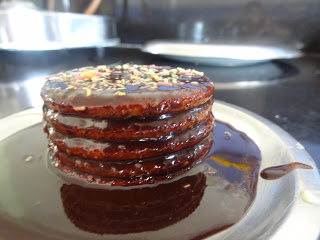
    4. Chocolate Marie Logs

    chocolate marie logs

    Chocolate logs are easy to make and easier to have. These have a perfect blend of biscuits and chocolate which gives it a smooth taste. The subtle flavour of coffee enhances the effect the logs have on the tongue. These are one of the quickest and easiest things you can make and make whenever you want.

    Ingredients:

    12 Marie biscuits

    1 tablespoon cocoa powder

    4 tablespoon unsalted butter

    4 tablespoon powdered sugar

    1/2 teaspoon coffee powder

    1/4 cup warm milk

    Method:

    1. Take the milk in a container and add coffee powder to it. Mix it well.

    2. Soak the biscuits in it and stack them on top of the other. Make sure that you do not soak them too much otherwise your biscuits will get all soggy and crumble.

    3. Take the butter and sugar in another container and mix them evenly. Add cocoa powder to it and blend in.

    4. Spread the mixture on the stack of the biscuits or the log. cover the entire log generously with the cocoa mix. Run a fork on the mix so as to give it the look of a wooden log.

    5. Keep the log in the referigerator to chill for two hours and cut it into diagonal slices.

  • Instant Noodles at rescue!

    Instant Noodles at rescue!

    This one’s on an inspiration from a friend who, much to his gastronomic tragedy, is leading an independent life with zero cooking skills in Bangalore. To worsen things for him, he has a staunch dislike for Kannada cuisine. Eating out is obviously an option, and my earlier article which was on the best eating-out places in Bangalore, did seem to help him lot, but that on a regular basis is not a healthy option I suppose.

    So, this friend of mine who, prior to his relocation, was a gluttonic persona, when it came to gulping in plethoric amounts of food, beyond the realms of simplicity and home. Expecting his mother to impersonate a chef, this man now broods at the thought of eating out, after having been seriously down with food poisoning for almost a week.

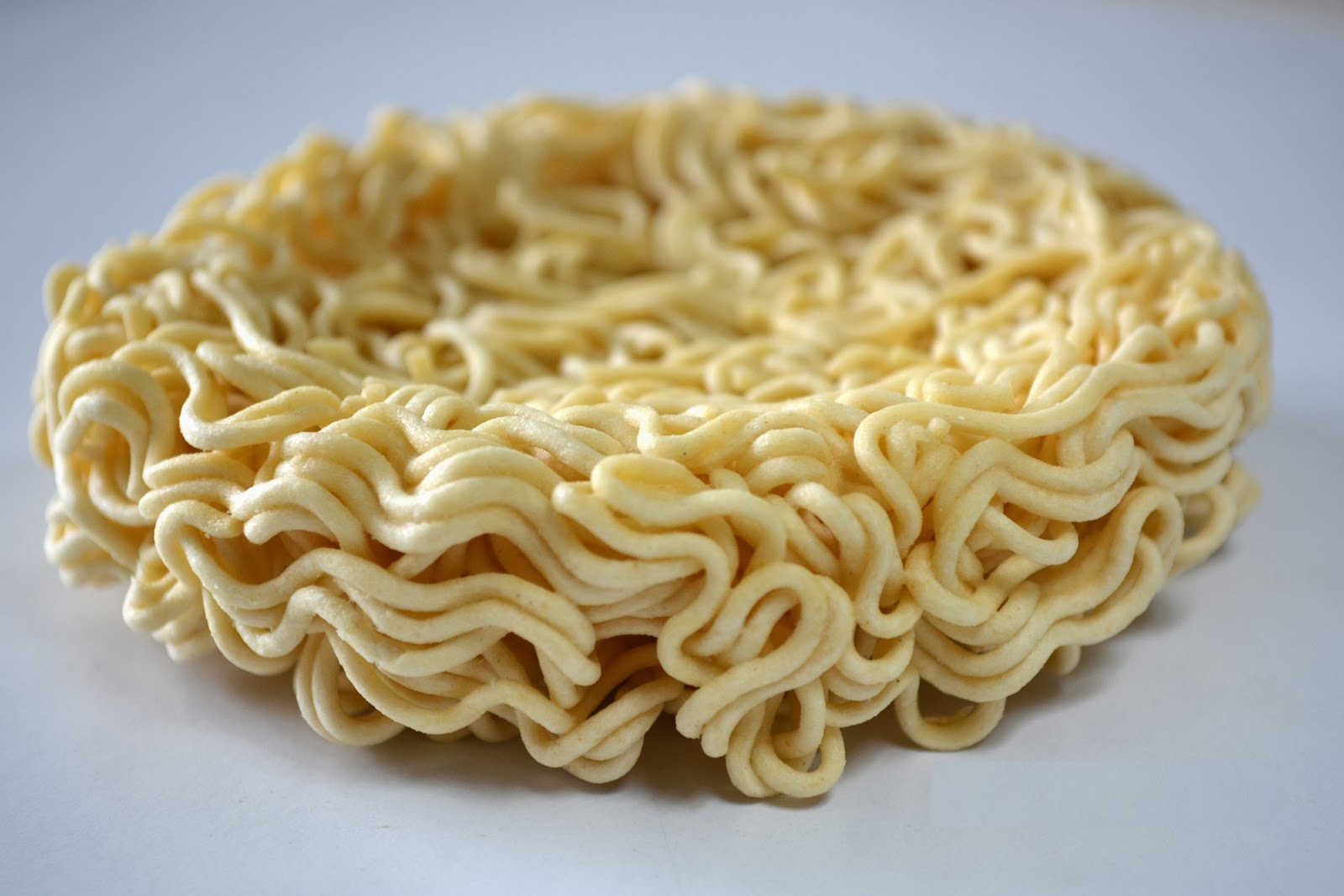
    Therefore, the dilemmic situation where nor his pocket or his health allowed regular meals from restaurants or fast-food centres, he had to take to take it upon himself to start cooking. Instant noodles the only prospective saviour, but that too would be extremely monotonous for every day. So, to start off with we found out a few recipes (some that I had invented out of my love for noodles) that are super easy, simple and divinely delicious. So treat yourself these quick tasty ventures as soon as possible!


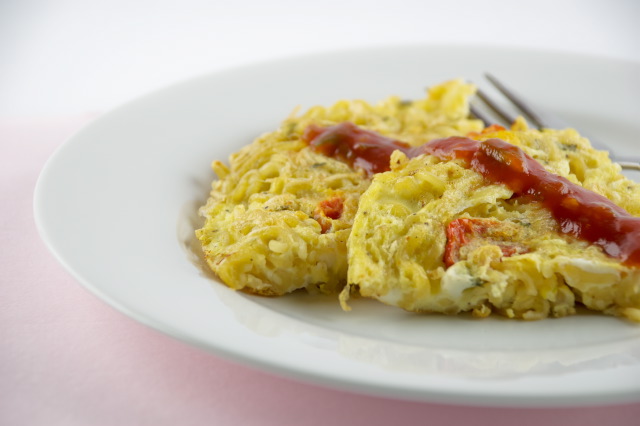
    Maggi (Veg or Non-veg) Omelette

    ramen-noodles-omelette

    INGREDIENTS

    • Maggi Noodles (of course!) – 1 small packet
    • Semolina (rava) – 1 cup
    • Green chillies – 2-3
    • Onion (medium) – 2
    • Besan (Bengal gram flour) – 1 cup
    • Dhania or Coriander leaves
    • Sprouted moong (whole green gram )- ½ cup
    • Grated coconut- ¼ cup
    • Grated carrot- ¼ cup
    • Olive oil- ½ cup
    • Ginger-garlic paste- 1 teaspoon
    • Egg (optional) – 1
    • Grated Cheese
    • Pinch of salt

    METHOD

    • Boil the maggi in 2 cups of water. Drain and set aside. Drizzle a few drops of olive oil to prevent the noodles from sticking to one another.
    • In a bowl, mix besan, rava, and ginger-garlic paste, salt and keep aside.
    • Beat the egg,and put in the noodles,maggi masala, chopped onions,grated carrot and coconut,coriander leaves, green chillies, and mix it with the basen mixture,thouroughly,to make a batter with some water.
    • Take a non-stick dosa pan, and brush some oil onto it and heat it.
    • Pour and spread out the batter, on the pan, to make an omelette.
    • Sprinkle some moong sprouts over the omelette
    • Cover the lid and let it simmer on low heat.
    • Remove after 2 minutes,and garnish with cheese and coriander leaves! Voila!

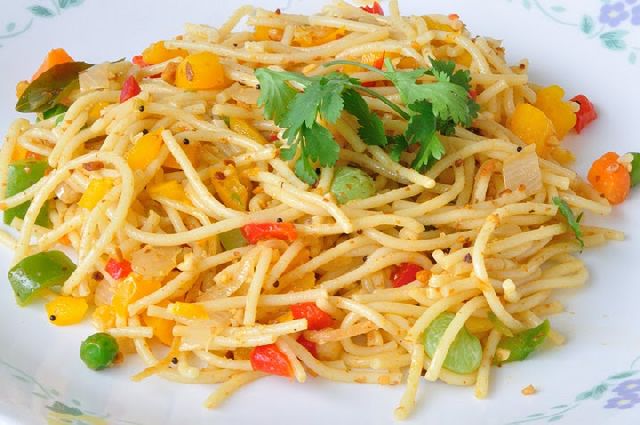
    Noodles Upma

    noodle-upma

    INGREDIENTS

    • Maggi Noodles- 1 packet
    • Finely chopped veggies (carrots, capsicum, beans, etc.)- 1 cup
    • Chopped onions – ¼ cup
    • Chopped green chillies- ½ cup
    • Chopped coriander for garnishing
    • Mustard seeds (rai/sarson) – ¼ teaspoon
    • Olive oil or vegetable oil- 1 tablespoon
    • Curry leaves (Kadi patta) – 5-6
    • Asafoetida (hing) – ¼ teaspoon
    • Salt to taste

    METHOD

    • Put 2-3 drops of oil in a small vessel of water and bring it to boil.
    • Add in the noodles into it and allow it to cook for 2 minutes
    • Remove from heat and drain the excess water
    • In a pan, heat oil and add the mustard seeds, curry leaves and asafoetida.
    • Once the seeds crackle, pop in the onions, and sauté for a minute
    • Add in the green chillies and the veggies. Mix well and sprinkle salt and let it cook for some 5 minutes, till the vegetables have softened.
    • Add the cooked noodles into it and mix.
    • Sprinkle the coriander leaves and serve with cheese (optional)

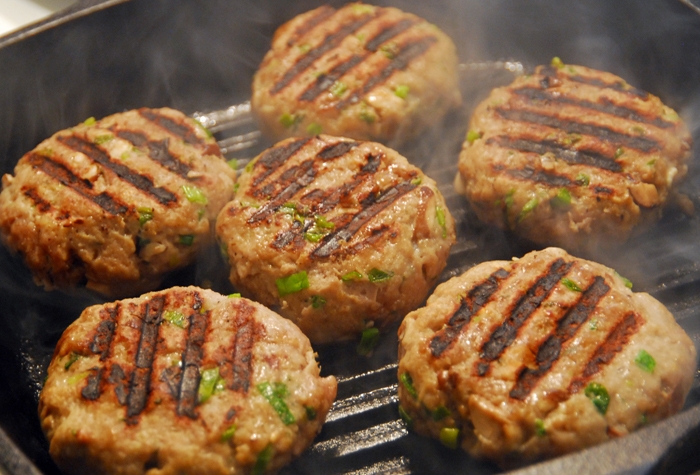
    Maggi Masala Tikka

    Tikki

    Now, so much of Maggi, might result in some plates of leftovers. For that too, we have a solution. The sticky heap of noodles can be transformed into a quirky evening snack in just 10 minutes.

    INGREDIENTS

    • Maggi noodles – leftover, of almost 1 packet amount
    • Boiled potatoes -2
    • Boiled carrot- 1
    • Chopped onions- 2
    • Chopped coriander leaves
    • Ginger-garlic paste- 3 tsp.
    • Olive oil or vegetable oil- 5 tbsps.
    • Chat masala- 1 tsp.
    • Bread crumbs (optional)
    • Biscuit(powdered)
    • Salt to taste

    METHOD

    • Boil a packet of Maggi in 2 cups of water, or simply use the leftover Maggi
    • Take a medium bowl and grate in boiled potatoes and carrots and bread crumbs into the boiled noodles and mix well. Don’t worry about breaking the noodles, that doesn’t really matter.
    • Add into it, the ginger-garlic paste, chat masala, Maggi masala (optional), salt and coriander, and mix.
    • Once the mixture is done properly, shape them into small flat balls, like tikkas.
    • Dip the tikkas in the biscuit powder for a crispy texture and deep fry or shallow fry them. Soak them in tissue paper to get rid of the excess oil ,sprinkle some more chat masala or Maggi masala and serve with tamarind or dhania chutney. I suggest garlic sauce or tarator sauce(recipe given in my another article)


    Baked Corn and Cheese Maggi

    9bc93e06-f641-469c-97e9-9e8dbef785a3OtherImage

    An inspired version of classic baked Macaroni and cheese, this is one of my favourites. Planning to dip into a silky, gooey and smooth delicacy while flipping through the pages of your favourite book, or while enjoying a film, this is the perfect Friday-evening companion!

    INGREDIENTS

    • Maggi Noodles- 2 packets
    • Shredded mozzarella cheese- 2 ½ cup
    • Water- 1 ½ cup
    • Butter- 2 tbsps.
    • Semi boiled corns- ½ cup
    • Salt to taste

    METHOD

    • In a vessel, pour 2 ½ cups of water and bring it to boil.
    • Add the Maggi noodles into it along with the masala.
    • Pop in the corns and sprinkle the Maggi masala and let it cook. Don’t overcook the noodles, or even leave it too watery.
    • Take a flat baking tray and grease it with few stokes of butter
    • As you see the noodles half cooked, pour it all into the baking tray
    • Level it all and cover the top surface with shredded cheese
    • Sprinkle some fresh herbs (coriander, rosemary or parsley) onto it.
    • Now, slide in the baking tray in a preheated oven and let it bake for some 4- 5 minutes.
    • Once the cheese starts melting, and you can glimpse a light brown crust on top, it’s time to take the take tray out. Serve and dig!

    Bon appetite!

  • Madras Filter Kaapi!

    Madras Filter Kaapi!

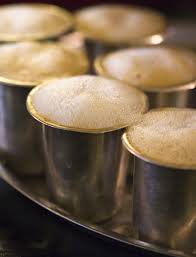
    The coolest hangout for today’s generation is to sip on a coffee in a costly coffee shop. Every street corner has a coffee shop these days, where they serve the regular cappuccinos and hundreds of other varieties of coffee. It is a relatively new trend in India, but people of Chennai and their neighbors are accustomed to this more than anyone else. New age coffee shops, with their swanky couches and bloated prices, may have introduced the culture of drinking coffee to a new audience, but many youngsters have chosen to keep alive a living tradition, where the filter coffee is not just another drink. In a traditional South Indian restaurant, you will see young and old people sipping on their coffee after every meal. The Madras Coffee is the primary stress buster and the perennial favorite drink for most of the people in South India. You will see a lot of self confessed coffee addicts who have travelled around the world say No other coffee can match the taste of the traditional “filter kaapi”. Most people cannot start of their day without drinking “Filter Kaapi” and reading “THE HINDU” newspaper.

    kaapi2

    The Madras Filter Kaapi

    kaapi6

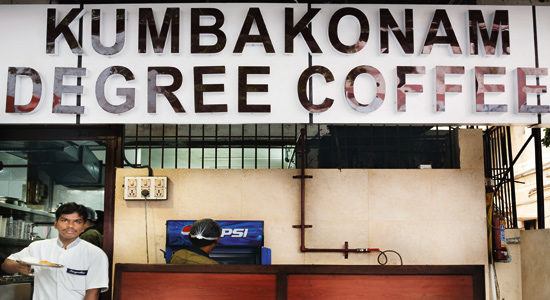
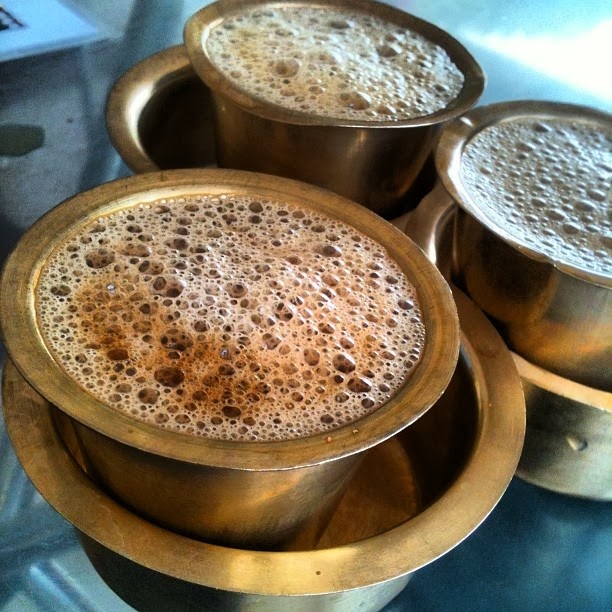
    The Madras Filter Kaapi is a part of South Indian tradition. It is the most widely served drink to visitors in the South Indian states of Tamil Nadu, Kerala, Andhra Pradesh and Karnataka. During the British Rule, all the four South Indian states were under the Madras Presidency and all of them have similar roots and traditions which has a stark variation from other parts of the country. The other common names for “Madras Kaapi” are “Kumbakonam Degree Coffee” and “Mysore Filter Coffee”. The traditional South Indian Coffee used to be served in aluminum tumblers and until the 1960’s it was served with honey or jaggery instead of sugar.

    kaapi5

    Roots

    kaapi7

    The coffee bean itself is a very foreign substance which has its roots in Ethiopia. How coffee made its way to India has several theories. Though it is said to have reached the shores of India, along with tea, in the 17th century, it was not until the end of the 19th century that coffee and it’s ‘cultural other’, tea, became a phenomenon in India. Coffee, unlike tea was mostly a drink for the upper class society. Even thought “filter kaapi” is very much a South Indian specialty, even North Indians especially those who have settled in South India have taken a liking to this wonder drink.

    kaapi3

    The first person to bring Coffee seeds to India was Baba Budan. Folklore has it that, Baba Budan went on a pilgrimage to the Holy City of Mecca and while returning brought seven coffee seeds as a gift for his people. It is said that, he actually smuggled those coffee seeds from Yemen, the biggest coffee bean producer in the world back in the 17th century. These seeds were planted on the Chandragiri Hills, which from that day came to be known as the Baba Budan Hills.

    Indian Coffee Market

    coffeemarket

    When recently, Starbucks, the world’s biggest coffee retail chain decided to open in Chennai, they knew it was one of the biggest battles they would face because of the competition they were likely to face from local rivals like Saravana Bhavan, Kumbakonam Degree Coffee and Café Coffee Day. Chennai is undoubtedly the coffee capital of India. The Indian Coffee Market is an ever growing one, with more number of people taking to coffee every year. According to the Coffee Board of India, over 30,000 metric tons of coffee is consumed per annum in Tamil Nadu with filter coffee cornering 54% of the market and instant coffee 46%. Pan India, over one hundred thousand metric tons of coffee is consumed per annum and this market is growing at 5-6%.

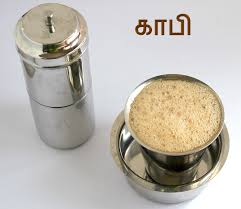
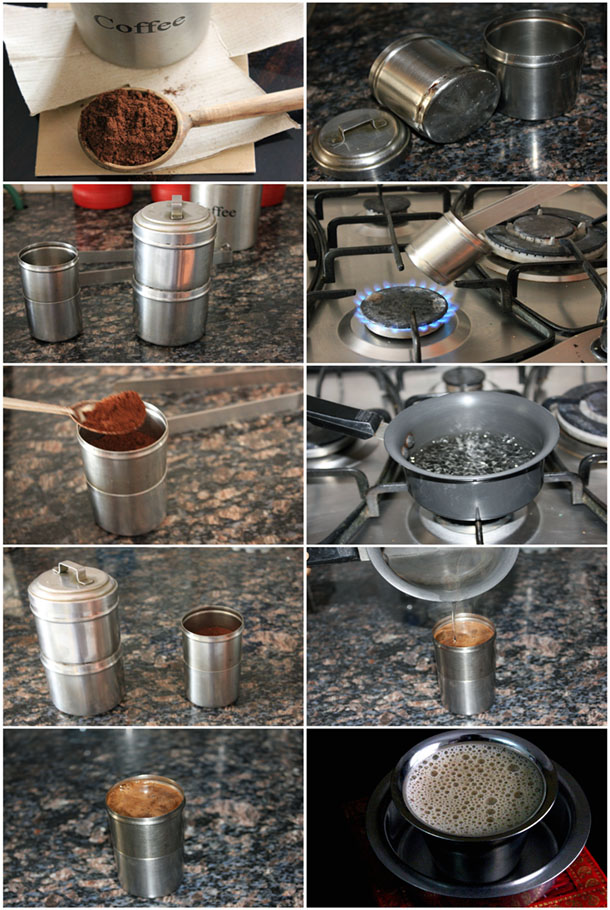
    How to make the Traditional Filter Kaapi?

    coffeemake

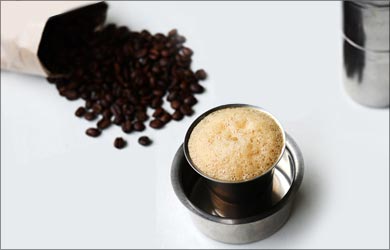
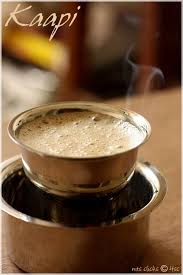
    You’ll need a traditional percolator which is made of 4 parts. Buy grinded coffee powder, if you are not a person who is patient enough to grind the coffee seeds, though I would recommend you to try doing it occasionally. Use a clean filter, remove the lid and umbrella. Put 2 heaped table spoon of coffee powder per person and press it down with a spoon. Keep the umbrella back and gently pour fresh water and wait until the water percolates down slowly depending on the quantity of powder placed. Six to eight table spoons of coffee powder will take the decoction almost 6-8 hours to collect at the bottom. If you’ve put a lot of coffee powder, you wouldn’t have a chance to put enough water to percolate resulting in very concentrated but less quantity of decoction at the bottom. In such a case, you might have to add more water every time and do it repeatedly three or four times.

    Now, to prepare the traditional Madras Filter Kaapi take a tumbler(a steel cup) and pour up to 3/4th level milk and add decoction with constant stirring to make a coffee to suit your liking, mild or strong and add sugar if you wish. You can also use jaggery or honey instead of sugar to get the traditional “kaapi” flavor.

    kaapi1

    Traditional kaapi is best served hot. Drink it when it is steaming hot and slowly get lost in the aroma and flavor of the most wonderful drink in the world- The Madras filter Kaapi.

  • Sweet Dishes For Eid-ul-Fitr-

    Sweet Dishes For Eid-ul-Fitr-

    Eid-ul-Fitr is the religious festival of Muslims that marks the end of the holy month of Ramadan during which they fast for 29 or 30 days from dawn to sunset. It is celebrated with great zest around the world and the greeting of “Eid Mubarak” (“Blessed Eid”) is exchanged between the merry-makers. According to some traditions, it is believed to have been initiated in Madinah after the migration of Muhammad from Mecca.

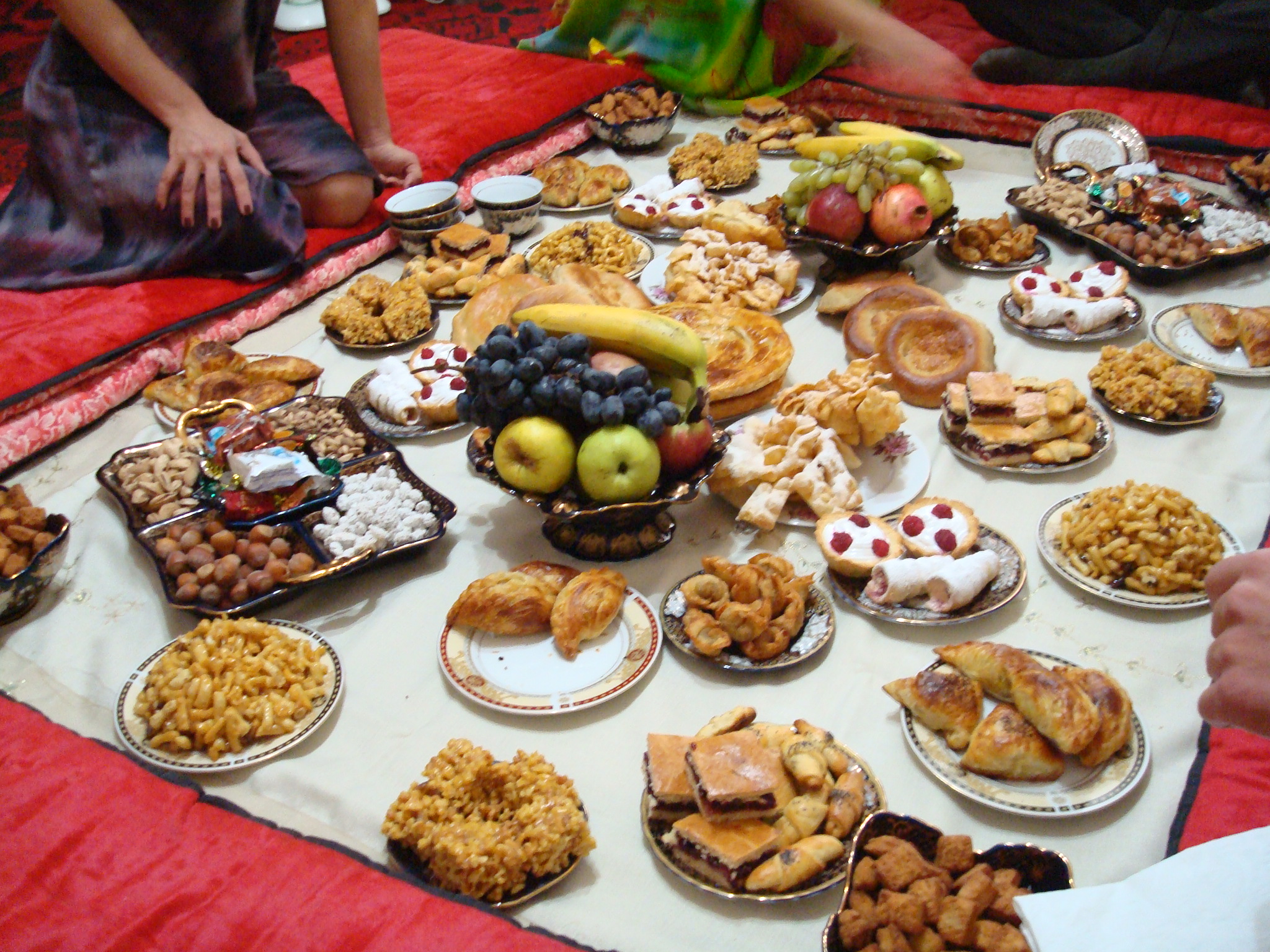
    Eid-ul-Fitr is known for the variety of delicacies prepared especially sweets earning it the name of “sweet Eid”. Depending on the region, the types and forms of the cuisine vary but always include sweet dishes. While local sweets such as Gulaab Jamun, Ras Malai etc have been promptly absorbed in the Eid cuisine in South Asia, Baklava and other types of pastry type sweets are eaten in Turkey. After a month of continuous fast, we believe people have earned this. So let us have a look at some of the wonderful desserts that are prepared in this amazing festival.

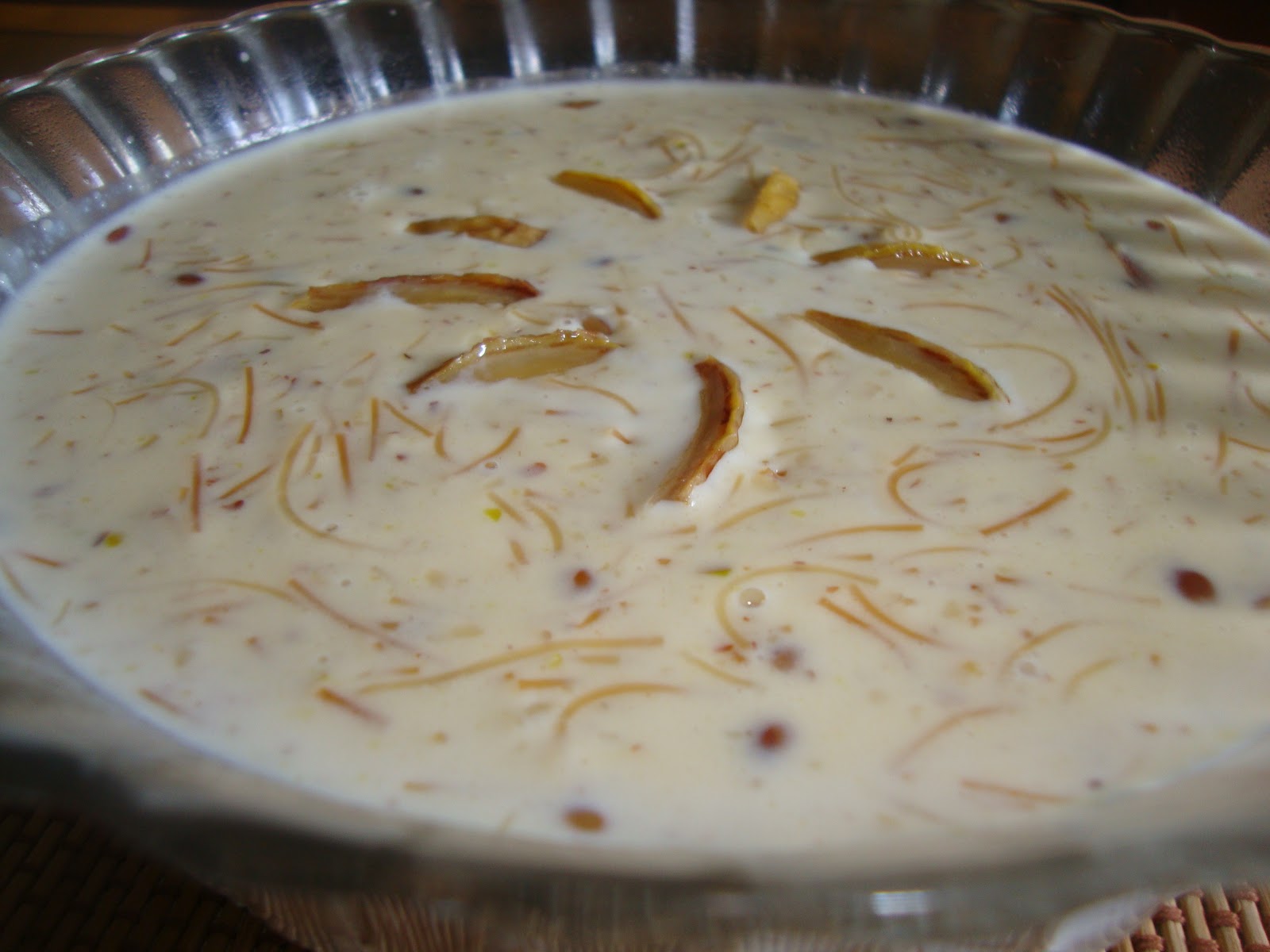
    1. SHEER KORMA 

    Sheer Korma is a popular vermicelli (saviyaan) dish which is almost synonymous with Eid-ul-Fitr in India and Pakistan. It is served during the Eid morning after the prayer and then to the guests who arrive throughout the day.  Sheer is Persian for milk and Khurma is Persian for dates. It is simple and easy to prepare.

    1


    Ingredients

    1. 1 Packet vermicelli
    2. 500 ml Milk
    3. 1 cup sugar
    4. 1 tbsp butter
    5. ½ tsp flavoring agent like vanilla or rose water
    6. ½ cup raisins
    7. 20 whole cardamom pods
    8. ½ tsp cardamom powder
    9. 1 cup dry fruits like almond, cashews and pistachios
    10. ½ cup fresh cream
    11. ½ tsp saffron strands
    12. Dates cut in small pieces


    Method of preparation

    1. Melt butter in a pan and fry vermicelli in it till it turns beautiful brown. Make sure that you keep the heat low so that the vermicelli is not burnt. Once ready, the vermicelli will absorb all the butter. Alternatively, fried vermicelli is also available in the market.

    2. Mix ¼ cup sugar in it and then slowly add milk to it while constantly stirring the assembly. Increase the heat to bring the milk to boil.

    3. Now add the raisins, dry fruits, dates, cardamom pods and the remaining sugar and mix everything properly.

    4. Let the milk boil until it is reduced to half its original volume. Reduce the heat and thicken the korma to three-strand consistency.

    5. Quickly add your favorite flavoring agent and fresh cream. Cover it and let it simmer for 10 minutes.

    6. Garnish with saffron strands, and cardamom powder and serve it to the delight of friends, family and guests.

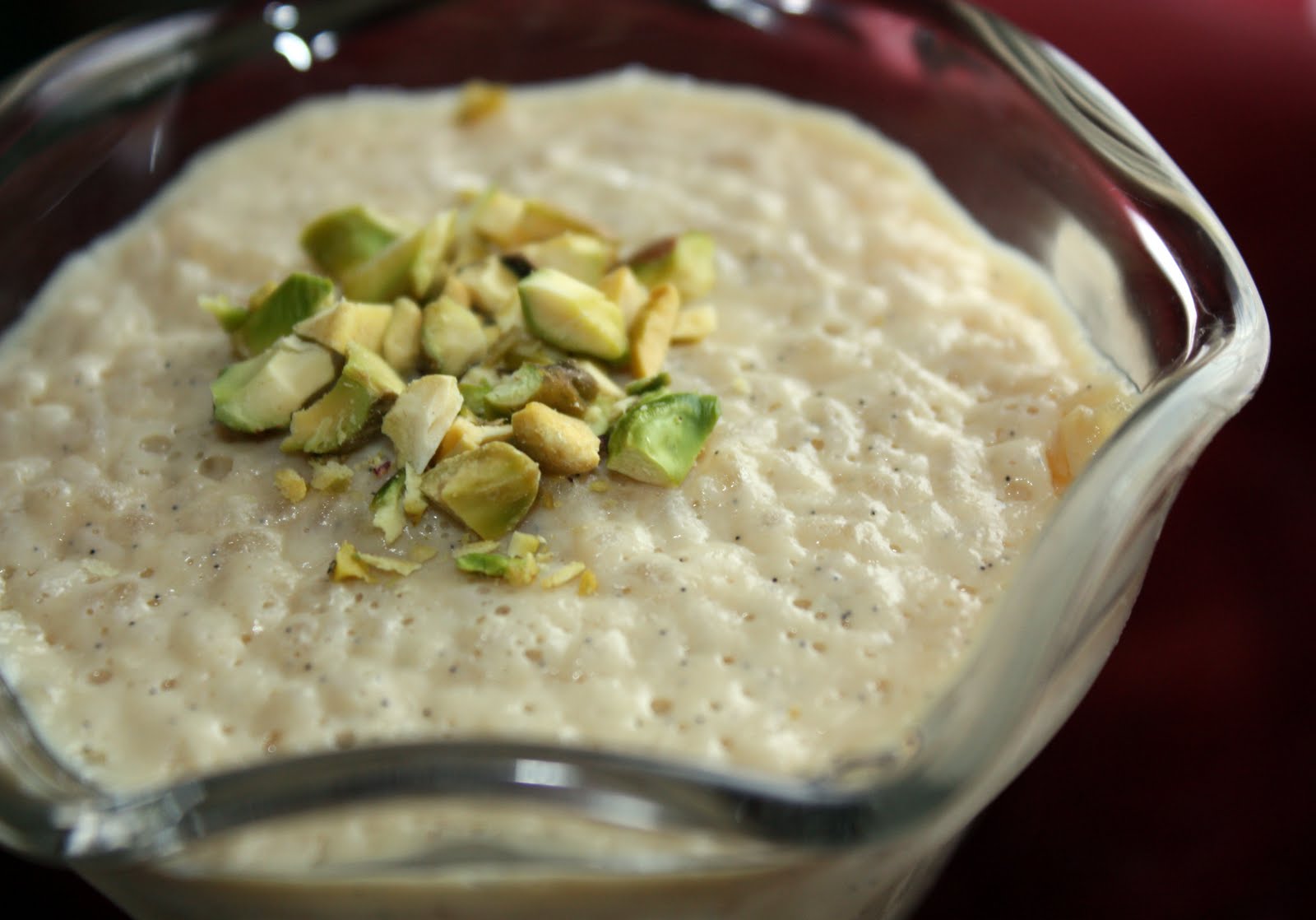
    2. BADAM PHIRNI

    Phirni is a very popular Indian dessert that is prepared on a variety of occasions including Eid, Diwali etc. There are more than a few versions of Phirni varieties available, for example, Gur aur Badam ki phirni (Jaggery and Almond Phirni), Sugar Badam Phirni etc. Here we will discuss the phirni that uses Sugar.

    2

    Ingredients

    3 cups Milk
    ¼ cup Rice
    2 tbsp Sugar
    1/4th Cup Blanched Almonds (sliced)
    ½  tsp Green Cardamom (crushed)
    1/2 tsp rose water

    Method of preparation

    1. Soak the rice in water few hours before the commencement of preparation. Grind the drained rice into a smooth paste and add a little boiled milk to it.

    2. Boil milk in a non-stick saucepan and bring it to boil. After boiling for a few minutes, reduce the heat to simmer.

    3. Increase the heat to moderate and add cardamom, sugar and rice paste to it while stirring constantly.  Allow it to thicken.

    4. Remove heat and add almonds.

    5. Put it in serving bowls and let it cool. Refrigerate it for some time and then serve.

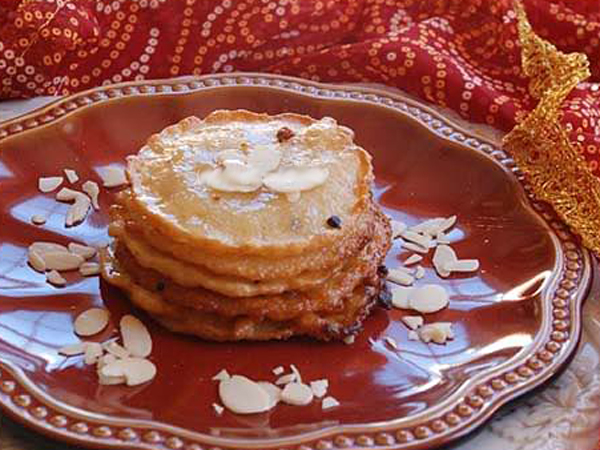
    3. SUFI MALPUA

    The delectable Sufi Malpua is somewhat irresistible and that explains it popularity among the Muslim community around the world. It is not only served on the occasion of Eid but also throughout the holy month for iftar (meal to break the fast).  It is easy to prepare and requires but few ingredients.

    3

    Ingredients

    1 liter Milk
    1/4 cup Maida
    1/4 cup Suji
    Ghee
    Water

    Method of preparation

    1. Boil the milk till it reduces to half its original volume.

    2. Roast the suji on a pan on low heat till it turns brown. Take special care so that it does not burn and turn black.

    3. Add the roasted suji and maida to the milk while constantly stirring the mixture. Make sure that no lumps are formed and assembly is of smooth pouring consistency. Pour this batter in a big round bowl.

    4. Boil water in a separate saucepan and bring it to boil. Add sugar to the boiling water and let it brew till it transforms into syrup of 1 thread consistency.

    5. Heat ghee in a pan and pour the batter in it in the form of small pan cakes. Let it cook for a few seconds and then turn it over. Make sure that the Malpuas retain their fluffiness and softness and not turn too hard or crisp.

    6. Dip the Malpuas in the sugar syrup and leave them in it for few minutes so that they absorb the syrup completely. Finally take them out of the syrup and serve!!


  • India wedding  food

    India wedding food

    A wedding is a ceremony or gathering of people where all the relatives, neighbors are united.As there are many cultures and traditions in India, there are different styles in wedding.Depending on the countries and religions it varies.Most of the couples and their respective families exchange gifts, rings, symbolic item, flowers, money,cars , bikes, flats and many more in a wedding.Special and new garments are worn by everyone who attended the marriage.Just after the day of marriage there will be a special function.Depending on the region, religion and status the cultural events in the wedding varies.But music, poetry, prayers, dance programs and few more are also commonly seen in many of the marriages.

    wedding in India
    wedding in India

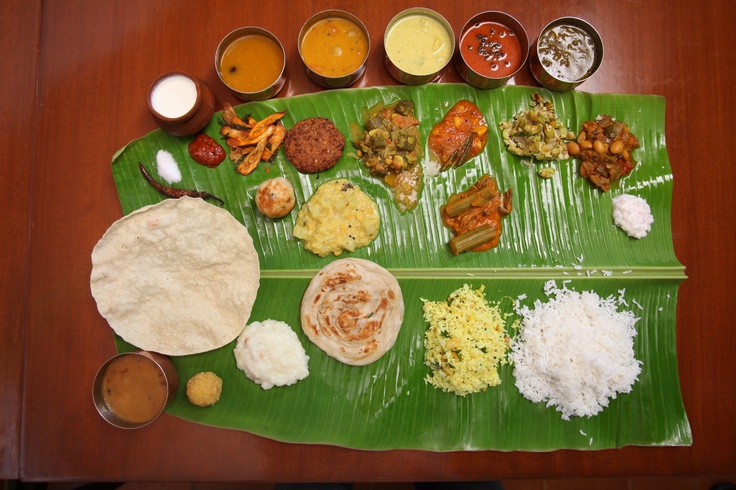
    Food is considered as a very special and integrated part of any occasion in India.In any persons life marriage is a special occasion and one will remember it in his/her lifetime.Along with the grand decorations and arrangements made, the food menu in a wedding will be very grand with lots of specials and the food is simply delicious.Many of the people from the family side, neighbors everyone will talk about the grand feast even after the marriage is completed.The type of food and dishes provided depends on the couples, religion, tradition, state and many other factors.However, the basics items remain same in any part of the country, but the additional items may vary.Now we can see more varieties of food items in weddings around India.

    Indian wedding food:

    North:

    In the north Indian weddings we can find lot of lavish food varieties.The guests are given most priority and are welcomed with most interest.As soon as the guests enter the wedding they are served with finger foods and snacks.After that they are also served with drinks like soft drinks, coffee, soups, juices, mocktails, etc.In some weddings, mostly Punjabi weddings liquor is also served.This goes on till the pheras, after which the wedding is complete.After the completion of this, main dishes are served.Later delicious deserts and fruit salads are offered.The most usual things that we can find almost every marriage we appear is the Dal Makhani, Shahi Paneer, Pulao, Mixed Veg and Chicken.Apart from these the main feast includes some of the other north Indian varieties as well.

    Wedding food in North India
    Wedding food in North India

    West:

    While coming to the wedding in west.In a traditional Maharashtrian wedding, the food is served on freshly washed banana leaves.The guests at the dining place will be seated on chatais or wooden planks while eating.In their wedding meal no onion or garlic is used in cooking.The dishes in Maharashtrain wedding are completely vegetarian.Apart from the meals different varieties of desserts like basundi, jalebi and few more are served.The main dish is finally ended by taking butter milk and paan.Whereas in Gujarati wedding snacks and drinks are followed by the main meal.The main meal consists of Rotli, daal, rice and sabzi, apart from other dishes.The dessert is served in the end.

    West Indian food in marriages and occasions
    West Indian food in marriages and occasions

    East:

    The main feast of the Bengali wedding consists of snack, finger foods and drinks.The veg dishes consists of Poto Posto, Begun, Bhaja and the non vegetarian dishes consists of Muri Ghonto and few more.As most of the eastern states consume large amounts of fishes in fish is a part of their main meal.The Bengali dishes consists of Macher Kaalia and it contains sweets like Roshogulla and Mishti Doi.If we consider Bihari wedding feast, it contains lots of sweets, in snacks as well as main course.After that both vegetarian as well as non vegetarian dishes are served along with rice.In Bihari wedding rice is the main highlight.There wont be any alcoholic drinks in the Bihari wedding.

    East India wedding food
    East India wedding food

    South:

    In most of the south Indian marriages the wedding ceremony is conducted early in the morning.In this region also the guests are served finger foods, along with the drinks, like nimboo pani, fresh juice, coffee, etc.After the marriage is completed i.e., when the bride and groom are declared husband and wife, the main food is served.Like in Maharashtrian wedding,the food in south India is served on banana leaves, with the guests sitting on the floor.After the completion of the main meal dessert and fruit salad are served.After their meal is completed they wish the newly married couple once again, bless them and take their leave.

    South Indian wedding food
    South Indian wedding food

    North East:

    The wedding feast in the Northeastern side includes large amount of non vegetarian dishes along with the finger foods, snacks.In the non vegetarian varieties we can find at least one fish variety especially in case of weddings in Tripura and Assam.Apart from that, you will be offered to a few vegetarian dishes also.In vegetarian food one of the variety will be containing bamboo shoots.The dishes that are made up of rice are highlight of the feast.In most of the marriages that are held in India rice is a common dish.After the main meal is completed the people at the wedding are served with different varieties of desserts.After that drinks are served which might include noodle soup and also usual juices and soft drinks.

    North East wedding food
    North East wedding food
  • The Wonder Ingredient that is Jaggery!

    The Wonder Ingredient that is Jaggery!

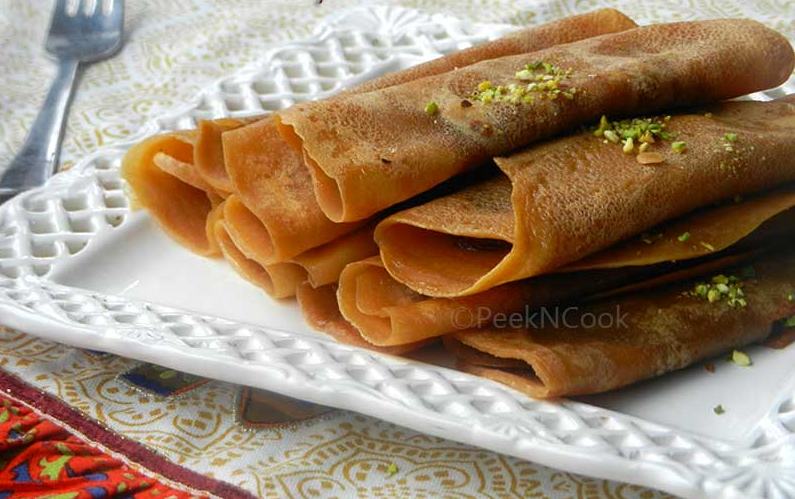
    With just a few days left for my college to reopen and consequently me having to leave home for hostel, I am being treated to a multitude of Bengali cuisines. And since, we hail from the City of Joy, happiness comes to us in the form of food and more than that desserts and sweets. So, my mom made this, what I call her best work till date, ‘Patishapta’ or Indian crepes with a coconut and jaggery stuffing. This brings me to the note that jaggery forms one of the most inevitable ingredient of most Indian desserts.

    images

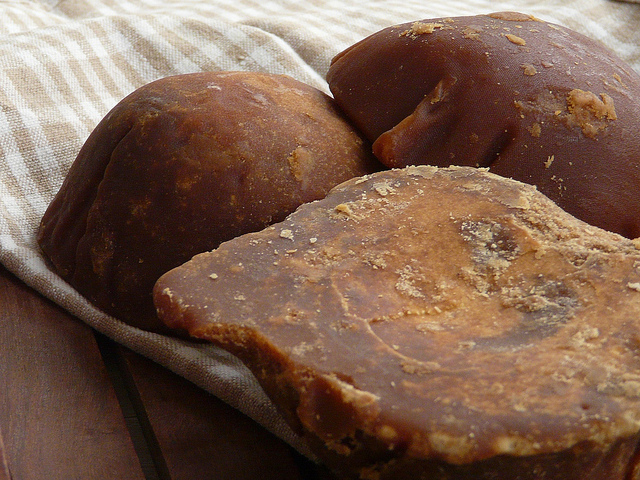
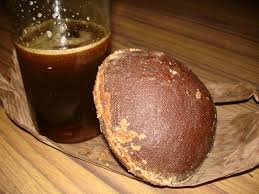
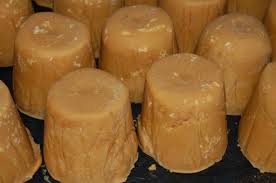
    Jaggery, or ‘gud’ as most of us would know it as in India, is a traditional unrefined form of sugar. This un-centrifuged derivative of sugar is a concentrated product of date, cane syrup or palm sap without separation of molasses and crystals. The color varies from a golden brown to a dark brown hue. Jaggery is used widely in Asian and African cuisine, sweet as well as savoury! The taste of this ingredient will remind of you of the ashy flavor of cooked sugar while the mild sweetness of the melting rocks of this product will make you fall in love with it immediately. Gud is available in the markets in the form of blocks or in a liquefied form, packed in jars.

    download

    Jaggery is produced extensively in all sugarcane growing areas. West Bengal, South India, Bangladesh, Sri Lanka and Pakistan use coconut palm to produce the best quality jaggery. Maharashtra is the largest producer and consumer of jaggery (called gul here). The Kolhapur district here in the Maratha-land is a paradise for jaggery-fans, owing to the quality of jaggery found here. Muzzafarnagar in Uttar Pradesh has the largest jaggery market in the world, followed by Anakapali in Andhra Pradesh. Mandya in Karnataka is also known for its’ jaggery production.

    images (2)images (1)

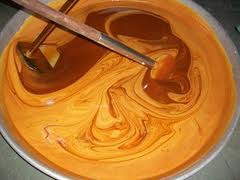
    Jaggery is made of products of sugarcane and the palm tree. The sugar made from the date palm sap is highly prized and is claimed to make the most flavorful and best quality gud, often called as ‘nolen gud’ or ‘patali gud’ in Bengali. Preparation of jaggery is a long process, right from the cultivation of the sugarcane crop to the final product packaging. The cut and cleaned sugarcane is put into power driven crushers and the juice is extracted in large containers. Some quantity of the juice is transferred to a smaller vessel for heating it over a furnace. Some lime is added to the juice while boiling it, so that the wood particles of the crushed sugarcane collect on the top in a froth. The froth is skimmed off time to time during this entire process. After over an hour of heating, the juice thickens and is reduced to approximately a third of its initial volume. The hot syrup thus formed is golden brown is color. The thickened syrup is then poured into shallow flat-bottomed concrete tanks to cool down and solidify. The tanks are large enough to let the hot liquid spread out in a very thin layer over a large area to facilitate quick cooling. After cooling down, the jaggery turns into a soft solid that can be molded into desirable shapes and packaged to be sent into the market.

    download (1)

    The chemical composition of jaggery indicates that it is comprised of 50% sucrose, around 20%  invert sugars and up to 20% moisture with the remainder containing wood ash, proteins and bagasse fibers. The quality of jaggery is determined by the color and texture. A good quality pure jaggery will be golden brown in color and will be relatively softer to cut through. A deeper brown indicates presence of impurities. So make sure you get those golden yellow blocks of jaggery that would melt in the mouth, next time you plan to buy some.

    download (2)

    Jaggery is widely used in many South Asian delicacies. Bengalis use it in their desserts and world-famous sweets, be it the humble ‘roshogolla’, ‘payesh’ (rice pudding) or ‘naadu’ (coconut or til laddus), we like to have that delectable flavor of ‘gud’ in all of these. Similar preparation of sweets have been practiced in the neighboring states like Assam. In some villages of Assam, people drink salty reed tea with a cube of jaggery, more popularly known as cheleka-chah (licking tea) in the local language. In Odissa, cakes or ‘pithas’ contain jaggery.

    download (3)

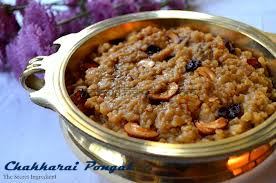
    South-India is a fan of this delicious ingredient too.  Tamil Nadu’s biggest festival Pongal offers a plethora of sweets and interesting dishes to taste. A dish called ‘chakkarai pongal’ uses jaggery as one of the main ingredients. Payasam (sweetened milk) and fruit salads are some other dishes where jaggery is used as a sweetener. In many rural areas across South India, palm jaggery is still used to sweeten beverages. It is sometimes added to sambhar or rasam to add mild sweetness. In Andhra Pradesh, it is used to make ‘Arisalu’, an authentic dish of the state during Sankranthi. Gujarati cuisine uses this ingredient to add sweetness to balance the spice and salty flavor of lentil soups (dal). Puran Poli is a famous Maharashtrian dish made with ‘gul’. Burmese and Sri Lankan dishes also use jaggery extensively as a flavoring agent and sweetener. Jaggery is combined with nuts, peanuts, spices to make toffees or even alcoholic beverages like palm wine.

    download (4)

    Jaggery is not just a mere food-ingredient for most Indian cultures. It is also used as a home-remedy for various ailments. It is used to stir body-heat and stimulate sweating so as to cool down the body. It is also said to aid digestion and is thus consumed in a small amount after meals by many. It also minimizes asthma, joint pains and purifies the blood thus keeping skin problems at bay. It is a great energy booster and can be a healthy source of energy in the middle of a busy day! It even has its own share of religious significance. Jaggery is considered auspicious and is eaten raw in many parts of India, before the beginning of an important work. The ‘kuchh meetha ho Jae’ notion in India is often celebrated using jaggery in many parts of India. It is also offered to deities in various festivals.

    Before I leave, I would definitely like to share the simple yet interesting recipe of the mouthwatering Patishaptas that I had.

    kheerer_patishapta

    PATISHAPTAS

    Ingredients:

    For the crepe-batter:-

    1 cup refined flour (maida)

    1/2 cup semolina (sooji)

    1/4 cup rice flour

    1.5 to 2 cups milk

    Oil, to cook the patishapta

    For the filling:-

    3 cups grated coconut

    2 Tbsp.  Date-palm jaggery

    3-4 green cardamoms

    8-9 pistachios for garnishing.

    Procedure:

    For the filling:-

    1.)    In a wok, mix the grated coconuts with jaggery and place it over low flame.

    TIP: you could also use ‘khoya’ instead of grated coconuts. While making the stuffing using khoya, remember to add milk while cooking it with jaggery.

    2.)    Add cardamom to the mixture and keep stirring till it becomes sticky.

    3.)    Keep the stuffing aside for around 20 minutes, to let it cool.

    For the crepes:-

    1.) Put the semolina in a large bowl. Sift the maida and the rice flour into it.

    TIP: you could add a small amount of sugar as per your taste if you wish to.

    2.) Add milk part by part and mix carefully making sure, no lumps are formed. Keep the batter aside for around 30 minutes.

    3.) Heat some oil in a non-stick pan and pour a thin layer of the uniform mixture on it and spread it carefully before it sets.

    4.) Put the prepared filling at the centre of this crepe lengthwise. Roll the crepe and let it cook till it turns light brown in colour.

    5.) Garnish with the crushed pistachios. Serve it hot or cold.

    TIP: You could serve these with a drizzle of condensed milk over it, especially if you did not add any sugar in the crepe-batter.

    Try this simple recipe and you’ll surely have some lip-smacking ‘patishaptas’ to eat and offer to the guests too.


  • Shake It Up!

    Shake It Up!

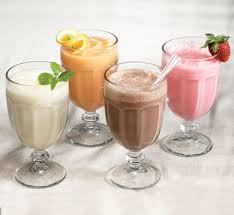
    Are you tired of having the same old glass of milk every morning? So gives mangoes and bananas a break. And explore different fruits, chocolates and ice-creams to zing up your shake.

    They will not only keep you refreshed in this hot season, but the addition of other flavorful ingredients will provide you with extra nutrition.

    Gone are the days of vitamin pills, tasty shakes have “ totally shaken up” the nutrition!

    download

    An ideal food for health conscious, people on the go, shakes can be a wonderful breakfast, lunch or snack. fast, nutritious, and easy to make, shakes are blended drinks made combination of fruits, vegetables, juice, or other liquids, flavored with a variety of thickenings.

    As well as improving the sense of your taste buds, your general well being, shakes made from purely fruits and vegetables can have marked benefits. The following is the list of the benefits associated
    with having shakes-

    1 Higher energy levels

    2 Clearer and glowing skin

    3 Relieves stress, cold and depression

    4 Certain fruit combinations are known to cure ailments

    Shake stands are popping up like anything in the country, but these refreshing drinks are a cinch to make at home. It just takes a minute to whip up a smooth concoction of succulent blackberries, smooth blueberries, chilled grape juice, and a rich vanilla yogurt. Or to savor a juicy mango combined with ambrosial buttermilk, zesty fresh ginger and tart lime juice. Shakes are bursting with tempting suggestions for adventurous mixture of fruits, sorbets, soy milk, yogurt, flavorings, and other deliciously healthful ingredients zinging up with energy.

    From berries to nut, here are some quick and fun ideas to instantly jazz up that drink-

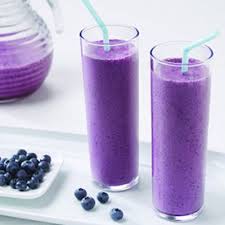
    Blueberry Bliss –

     download (2)

    A. 1 cup fresh or frozen blueberries

    B. 1/2 cup vanilla ice-cream

    C. 1/4 cup milk

    D. 1 tsp maple syrup

    Mix all the ingredients i.e. Blueberries, vanilla ice cream and milk in a blender until smooth. add more milk if necessary, to reach the desired consistency. Served it chilled. Drink and enjoy!


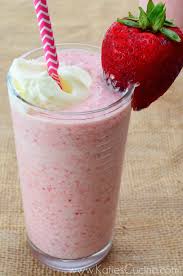
    Strawberry Storm –

     images (2)

    A. 1/2 liter milk

    B. 1 cup fresh strawberries

    C. 1 tbsp sugar

    D. 1 scoop strawberry ice-cream

    E. 5 strawberries for garnish

    Chop the strawberries in small pieces. Blend them with sugar in blender. Add milk and blend it until you get a frothy and smooth texture. Serve chilled with a freshly cut strawberries and a scoop of strawberry ice-cream.


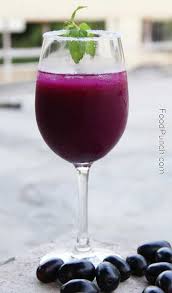
    Jamun shake –

     download (5)

    A. 60 ml Colorado rose honey

    B. Unsweetened double cream

    C. Pecan nuts

    D. 2 tbsp sugar

    E. Crushed ice

    F. 1 cup jamun, with seeds removed

    G. Mascarpone cheese

    Make caramel, with sugar and water. Add pecan nuts to it and keep it aside. Mix Colorado rose honey, double cheese, mascarpone cheese ( or any other cream cheese) and seedless jamun, crushed ice in a shaker and blend it. Pour in a tall glass and add some caramelized pecans on top. Serve it chilled.


    Choco- whipped shake-

     download (8)

    A. 1/2 liter cold milk

    B. 2 scoops of chocolate ice- cream

    C. 5 tbsp sweetened cocoa powder

    D. 2 bars of dark chocolate

    E. Crushed ice

    F. 4-5 tbsp of whipped cream

    Break the chocolate bars into pieces. Blend milk, cocoa powder in a blender for a few seconds. Add chocolate ice cream and crushed ice, and blend it again for a few more seconds. Sprinkle the broken chocolate pieces and add whipped cream on top. Serve it chilled.


    Black sesame touille shake –

     images (3)

    A. 10 gm lavender

    B. 50 gm yogurt

    C. 50 gm Philadelphia

    D. 5 gm black sesame

    E. 20 gm walnut

    F. 5 gm basil

    G. 50 ml toned milk

    H. 20 gm brown sugar

    I. A few gold leaves

    J. Crushed ice

    Strain the yogurt and keep the whey in a bowl. Make sesame touille by roasting sesame seeds in a dry non stick pan, add walnut and basil and make a paste in a blender.

    Add yogurt, toned milk and lavender flower. Whip it with sugar and crushed ice. Top the shake with whey, and serve chilled with 24 K gold leaves on top.

    Tips for top shakes-

    download (1)

    1. Make sure that the shake is chilled/cold when served.

    2. Shakes are made for drinking immediately, their nutritional value decreases the longer they are kept or exposed to air. Some fruits and vegetable shakes tend to separate quickly, if kept longer. Make sure not to store the shakes for more than 1 day.

    3. Shakes that are too tart, can be sweetened with a little clear honey.

    4. If your shake is too thick, add water to make it thin. If it is too thin, add yogurt for extra body to make it thick.

    5. Frozen fruits work well for shakes.

    6. Make sure that you don’t use too many ingredients in a single shake recipe, as this would mask the original flavor of the drink.

    7. Freezed fruits in ice cube trays, and adding the fruit ice cubes to add additional flavor to your

    8. Take care when mixing fruit and apple flavors together, some of these mixtures can cause bloating. But exception to this is carrot and apple, which are very good mixtures for shakes in themselves.