Category: Vegan

  • Tips And Tricks For Easy Baking

    Tips And Tricks For Easy Baking

    Baking is a science, though not a complicated one; it relies quite heavily on accuracy. Everyone can bake, but like most things, a little know-how goes a long way. Even the little of the littlest mistakes in baking can mean the difference between the cake that rises and the one that sinks; the cookies that are perfectly golden brown and the ones that have burnt bottoms.

    We all want to impress others. If we bake, we want the dish to come out exactly as we intended it to be. We all want our cakes to look good, but that doesn’t mean it has to follow an elaborate procedure for baking. Baking a cake or pastry with a simple recipe that is convenient to follow and use at home can do wonders for you.

    But unlike other types of cooking, we can’t cheat on baking. We can’t alter the amount and type of ingredients according to our choice and availability. If you think you can make small careless mistakes while baking and it won’t affect anything, then you are gravely mistaken. This is the main reason for people shying away from baking by thinking it is a tedious, unsatisfying work to do. But actually, it is not so. You just have to take care of the small things for the big things (here, cake/pastry/cookies) to fall right into place.

    Here are 6 common baking tips that people need to know, and those that form the foundation of baking. These fundamentals if followed accurately, can save your cake from sinking down, or your cookies from getting burnt.

     

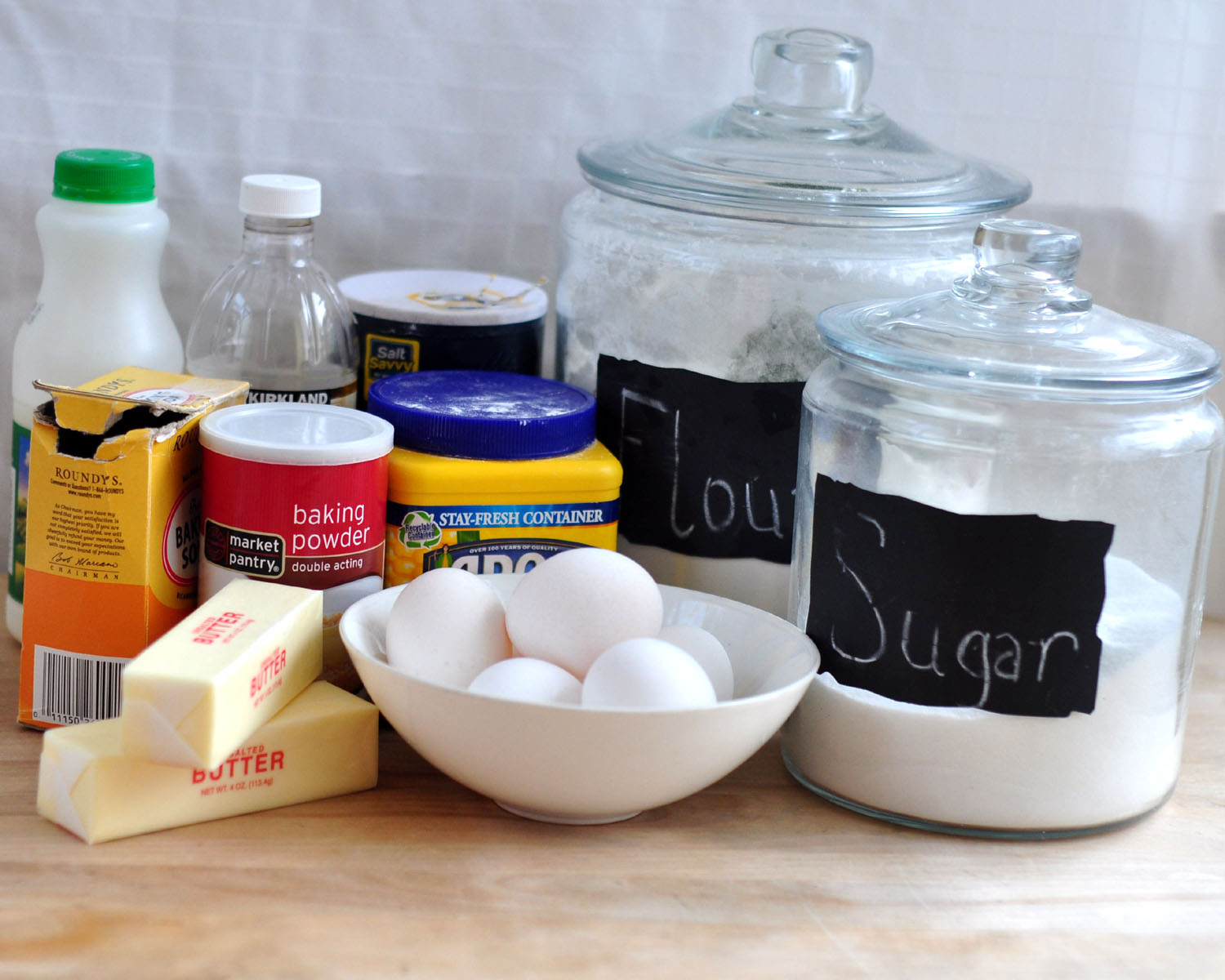
    Devilishly-moist-chocolate-cake-ingredients

    1.Choosing A Good Recipe :

    If you don’t have a good recipe to start with, the results aren’t likely to be delicious. Always remember, bad recipe is equal to bad result. A bad recipe is confusing and has a disproportionate and odd combination of ingredients. A good recipe is always easy to follow, and is created with tweaks and turns to the standard one to suit your convenience.

    You should always choose a recipe that matches your baking abilities and the type of ingredients you have. Also, you should also follow the recipe accurately from start to finish, and check the results time to time, and make sure they match with those written in the recipe. Do not substitute the ingredients or alter the recipe until you feel confident enough.
    organize         food.191204046_std

    2.Preparing For The Baking Process:

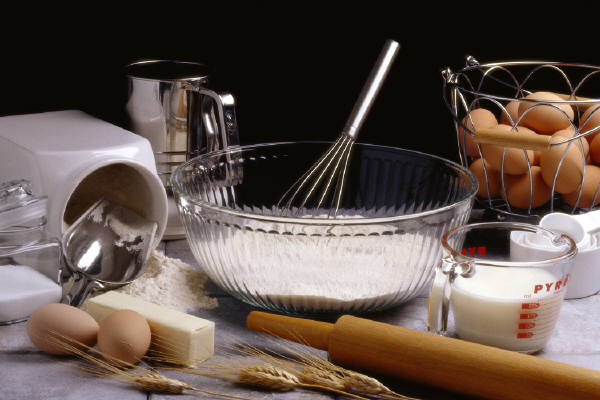
    You should always get organized before you start baking. It doesn’t take long to get the ingredients sorted before you start the baking procedure. Getting out all ingredients and equipments beforehand, makes the baking efficient, and saves you extra time for collecting and gathering ingredients afterwards.

    Also, you should adjust the oven racks beforehand, so that they are at the right level for the particular cake to be baked, and there is enough space for the cake to rise.

    Apart from this, you should prepare your cake tins or baking trays by greasing them with oil or lining/dusting them with flour (as per mentioned in the recipe), for the cake to come out of the tin/tray smoothly. There is nothing more frustrating than the cake sticking to the cake tin from its base and sides, as it spoils the shape and look of the cake.

    preheat

    3.Preheat The Oven :

    You should always preheat the oven, at least 10-20 minutes before you put the cake batter inside it. This is one of the most important steps which should definitely not be forgotten, otherwise it will result in a cake that is undercooked or not risen properly.

    measuring    measure

    4.Measuring The Ingredients:

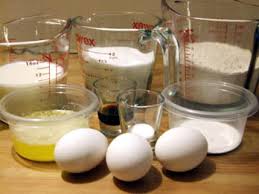
    You should never underestimate measuring of the ingredients, specially the dry ones. Use reliable and apt jugs, spoons, cups and bowls to measure your ingredients. Also, the dry and wet ingredients should be measured separately. More so, the size of the cake tins should be appropriate for the amount of cake batter so that the cake rises nicely.

     

    time

    5.Keeping Track Of Time:

    Always keep the time in mind for which the cake is inside the oven. Set a timer if necessary. Follow the time strictly as per written in the recipe. When three quarters of the time has passed, wait near the oven and test the cake by inserting a toothpick in the middle of the cake and the moment it comes out clean, switch off the oven.
     

    mixing

    6.Mixing The Contents Well:

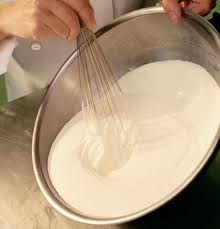
    Properly mix the ingredients of the batter. The dry ingredients should be sifted together really well. Once the dry ingredients are mixed, add the wet ones and mix properly again. Refrain from over mixing the batter as it will result in a tough cake due to hardening of gluten and will give a chewy taste.

    These are simple 6 rules, which, if followed religiously, can guarantee the cake to be perfect when it is baked. Following these tips will make you go through an easy an efficient baking experience, and will save you from avoiding baking the next time you have a party or a get together is held at your house. You just have to go by these tips and Voila! A beautiful cake will be ready in a very less time which will be a treat to your taste buds.

  • ONAM

    ONAM


    onam 3

    Onam is one of the many festivals celebrated on a large scale in Kerala. This is basically a Hindu festival celebrated with a lot of enthusiasm for a period of 10 days. According to the calendar the festival falls between the months of August and September which also is the period of harvest in the state and therefore the festival is regarded as a harvest festival Of Kerala.

    Onam marks the welcoming of a famous king Mahabali who had ruled the state of Kerala in the old days. The story goes in this way that Mahabali was a wise and loving king who loved and cared his subjects. Anyone coming to him for help or arms was not sent back empty handed. The state was believed to be in its golden stage as there was no problem of poverty or drought and everybody had a good standard of living with not much difference between the rich and the poor. The fame and news of the generosity of the king spread not only in the state but also in nearby areas and slowly spread to the farthest lands as well. It is believed that the fame of the king spread to such an extent that it even made the gods feel challenged, who now began fearing his growing powers. They presumed that he might become over powerful and rule over both the heavens and the underworld, so Aditi, who was considered the mother of the gods pleaded with Lord Vishnu to curtail or control the powers of Mahabali. As a result Vishnu transformed himself into a dwarf and immediately went to test the king. He approached the king as a beggar and asked the king for arms. Seeing the plight of the dwarf the king granted him more than what he had asked with utmost happiness. It is believed that one of the king’s Wise men had advised the king not to favour the beggar so much as he did seem like a ordinary human, however the king denied all the wisdom the firmly declared that there was no greater sin than not fulfilling ones promise and so he kept his word and helped the beggar. Seeing the generosity of the king, Vishnu in the disguise of the beggar wished for the fulfillment of one more wish to which the king agreed. Three pieces of land that was covered under his feet was the demand made by the beggar. When the king agreed to the demand, Vishnu increased in size and with his first foot covered the heavens. With his second foot covered the underworld and when the king realized that the third foot would cover and destroy the earth, Mahabali offered his head and so was pushed down under the ground, however seeing the love which the subjects had for the king, Lord Vishnu gave the king a blessing that he could visit his people once every year and it is this day that marks the homecoming of the king and so the people of Kerala do not keep one stone unturned to ensure that a proper tribute is given to the king who sacrificed his life for his subjects.

    onam

    Onam is celebrated for a period of 10 days and throughout the festive days people wear new clothes, prepare new dishes and decorate their houses and also take special consideration on decorating the entrances of their houses with flowers to welcome the king. Special prayers are conducted in the temples during the wee hours of the day and according to tradition the younger members of the family receive gifts and blessings from their elders. Other than the prayers and worship, the festival also showcases events such as boat races, carnivals having decorated elephants, fireworks, music and the famous kathakalli dance which are traditionally associated with the festival. The government also ensures to make the best use of this festival by generating various events and advertisements to promote tourism and also showcasing the states beauty and culture.

    onam 1

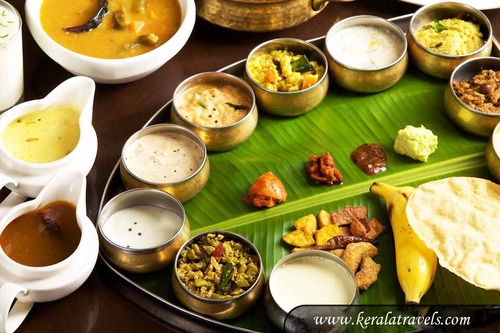
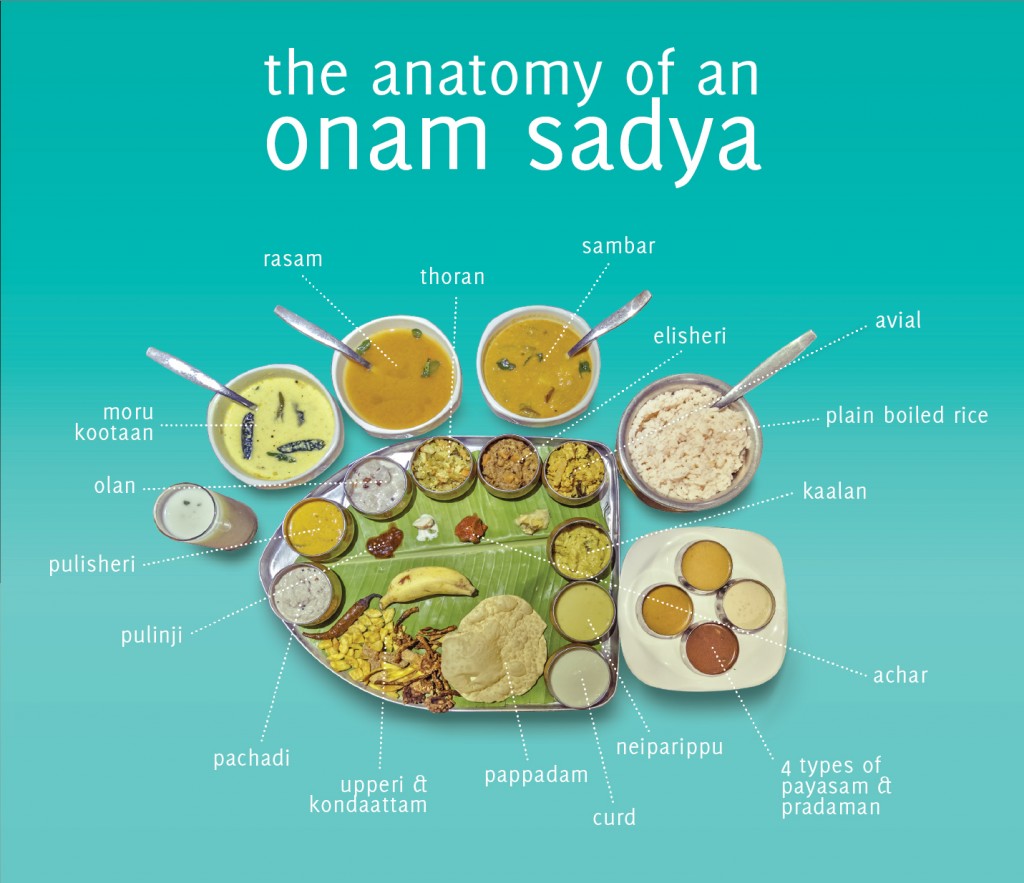
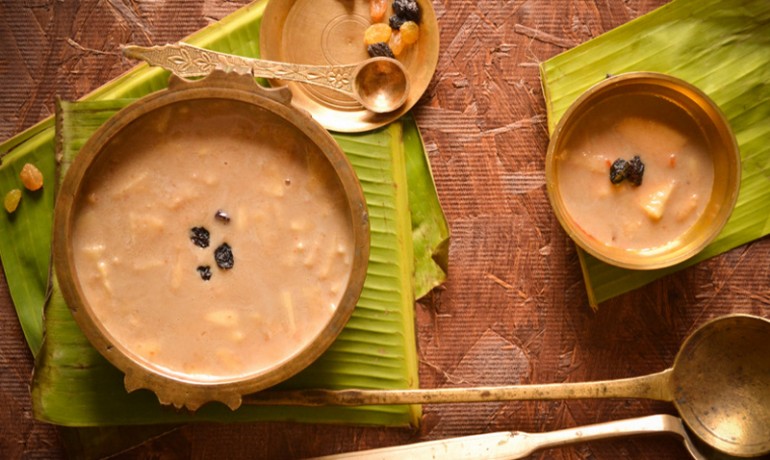
    The festival’s grandness is increased with the heavenly feast prepared during the celebration. The platter or the course of the serving is done in a particular way. The serving of food is done on banana leafs, the placement of which is also given major importance. There is a special order with which various dishes are served with the beginning done by serving of rice followed by curries which are mainly of three different types. We also have many fried items, most common one found is called ‘upperies’ which are basically banana chips fried in oil to bring in the extra salt and crispiness of the food. ‘Papadams’ or ‘Papad’ as we call them in the North India is also a part of the menu. Among the sweeteners we mostly have two dishes called ‘payasams’ and ‘prathamans’ and in many cases fruits are also served. The taste of every dish prepared increases as it is ensured that the whole family eats together, in many cases with we have 2-3 generations dining together with mostly the men of the family having first along with the children followed by the women of the household.

    onam 2

    The revenue raised during these ten days of fun and folly is huge, mostly arising from the sale of liquor and food items and a small contribution also given by decorative items and stuffs. Its I believe the only festival in the state which seeks so much of popularity and enthusiasm not only among the women and children but also among men who sport themselves with white lungis with golden borders specially made for this occasion. Similar dress code is also seen for women who adorn white sarees with golden borders.

    Onam is therefore a festival not only of joy and celebration but also carries in itself something for all age groups. Being in the northern part of India, many would have just seen the festival being celebrated in travel channels or read about them in magazines, however according to me an attempt should be made to enjoy the festival live because I believe it will be a time of your life which you would never wish to forget.

    \

  • Zulbia

    Zulbia

    jalebi 1

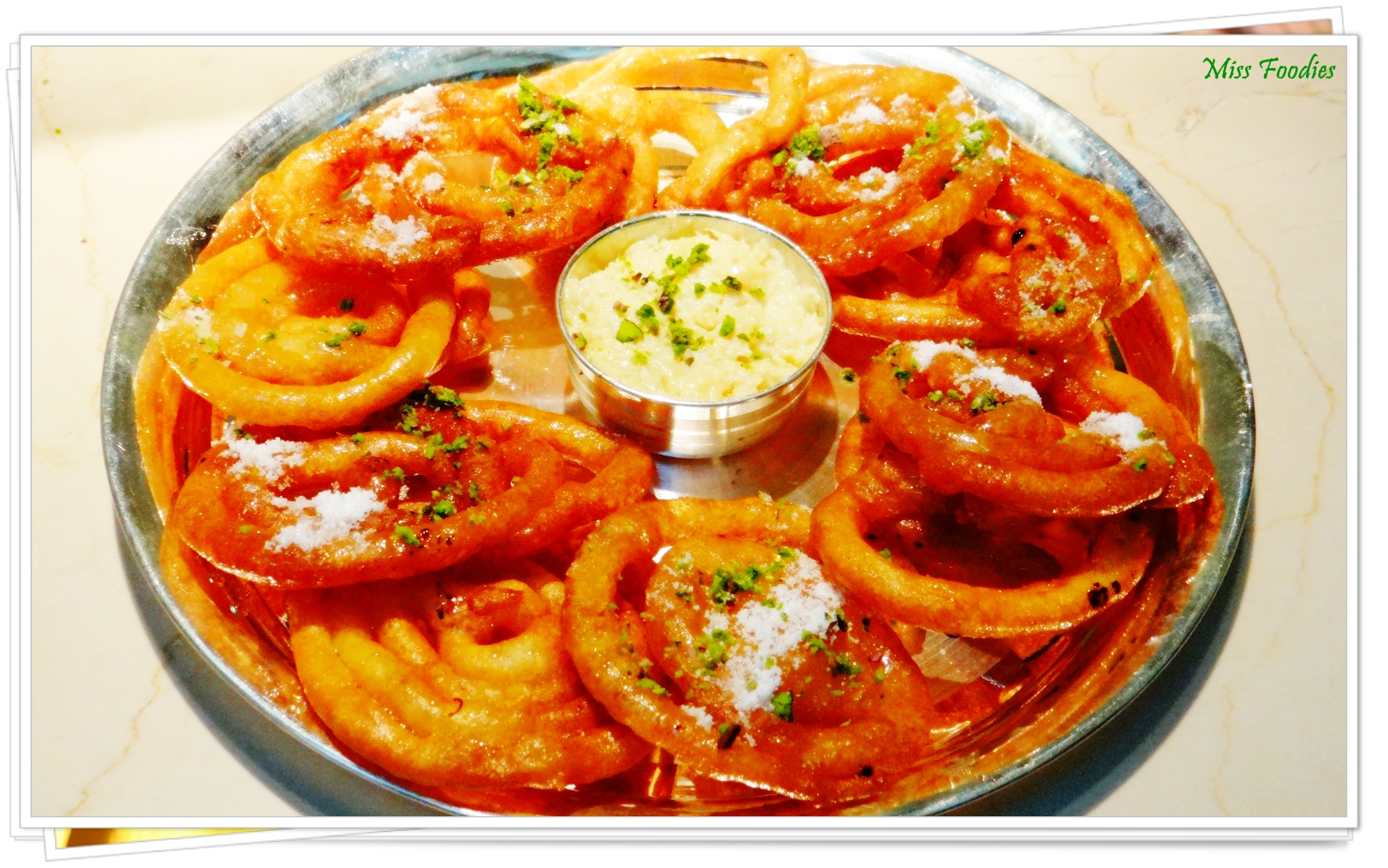
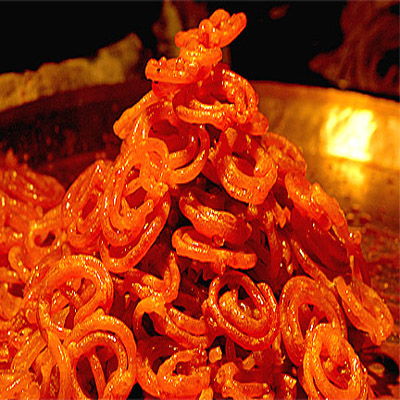
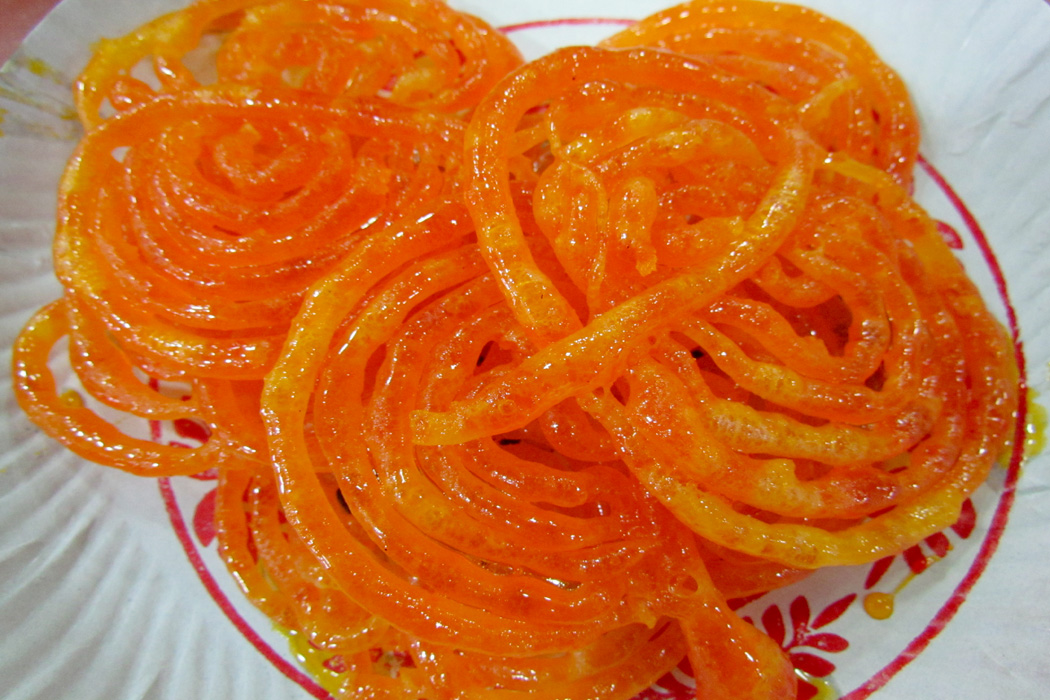
    Jalebi or Zulbia is a popular sweet in our country and surprisingly not only in India but is also found to entertain the taste buds of people of Middle East and North African countries like Jordan, Syria, Egypt and Algeria. The creation of these sweets is simple and mainly requires a deep frying of wheat flour also called maida in India, in whirl shapes which is then soaked in the sugar solution. A sweet that finds its way in every household especially during festive seasons like Ramadan and Diwali.

    jalebi
    Back in India, Jalebi is also served as a ‘Celebration sweet’ during national holidays like Independence Day and Republic Day, on which its offered in government institutions, defence facilities and other organizations. The sweet is served either warm or cold and has a somewhat chewy texture with a sugary exterior coating. Rose water or other flavors are sometimes added to the dish.
    The origins of Jalebi can be traced to ancient India. History says that it was earlier produced from fermented wheat and yoghurt batter. It is believed that the diffusion of this dish to other countries occurred during the Muslim Rule when the economy was opened up for trade and exchanges with various other countries of the world. The sweet is also known as Zalabia in Comoros Islands, where its believed that it had been introduced by Middle Eastern settlers and merchants. The references about this particular sweet can also be seen in the 13th century writing of various rulers who enjoyed this delicacy only during very special occasions. In Iran, the tradition was to offer this sweet, called Zulbia, to the poor during the festival of Ramadan. It’s been followed till date without fail. During the 1900s, it was a treat for the common American family where Jalebi was used to hold ice cream till the invention of cones.

    jalebi 3
    Currently the sweet has found fame and a strong base especially in north part of India. Over the years it’s surprising to see that the dish has had various versions and twists bought in by the modern chefs of the time and still sees advancements. My first experience was when I was small, my father had purchased this sweet from the local Halwaii, freshly made nice and hot, which melted in no time as it entered my mouth and left me wanting for more of this delight. Seen as a sweet dish in every marriage, it’s difficult for it to not be in the menu card, thanks to the huge public demand it has created over the years.

    jalebi 4
    Ahmedabad, a place where Jalebi is not treated as just a sweet, is mostly consumed together with fafda, finds a place in the demand list not only during occasions but is also pushed in with breakfast lunch and dinner as a yummy combination of sweet and salty. Market watchers in Ahmedabad say that localities’ consume fafda jalebis worth at least minimum of Rs.25 crores. This previous year heavy sales was witnessed not only on Dussehra morning but also in the last night of Navratri where people made a point to stop and add more sweetness to the festival by eating jalebis with fafda and then going home after days of uninterrupted dance and worship. This year however the sellers are curious to see the market reaction with the rise in the prices of the commodity, as they believe that prices would rise by 20%, reason being the rise in the prices of inputs that goes in the preparation of this particular dish such as refined flour, gram flour, ghee, spices and also labour. Estimates suggest that if its assumed that 50lakh Amdavadis will treat over 100 grams of fafda Jalebi, then this will generate a rough figure of Rs. 30 crores in a single day. The sellers feel that an increase in the prices will surely have its effect on the consumers however they believe that the craze for this dish will not die. The quantity consumed may surely come down like a person consuming 2kg may now consume just 1 or half a kilo, but business due to this might not be affected much due to the rise in prices. According to Murlidhar Agarwal, a member of the Ahmedabad Mithai Farshan and Milk-Mawa sellers association in the city says that 65kg gram of flour earlier cost them around Rs.1300 but now has seen an increase to about Rs.2000. Similar rise has also been seen in the price of oil and labour which has risen from Rs.1400 to Rs.2200 and labour charges being Rs.5000 per person respectively. With quantities expected to fall and cost of production expected to rise, sellers are thinking of taking various measures to keep with and sustain their profit margin. Many sellers are thinking of opening up shop early than their usual timings in order to increase their sales per day while others are simply deciding to bring down their profit margin. Many, in order to meet the excess demand during festive days have decided to take pre-bookings and orders in advance and also keep packets of 250-500grams ready so that people can pick easily. With all important decision and measures taken its now time which will design the way.

    jalebi 2
    According to me, when it comes to joy and satisfaction given by this dish, price cannot affect much however the sad part is although North Indian are well aware of this dish the same does not go for the South. Many states down south have not had the privilege to enjoy mainly due to lack of knowledge regarding its preparation. Therefore we can hope that it’s not long enough that the dish will soon find its way to South Indian households as well.

  • APPLES

    APPLES

    apple


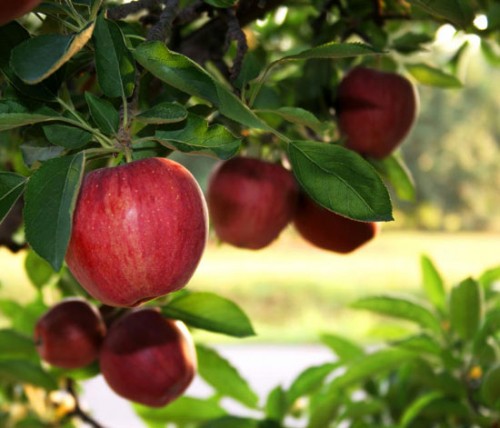
    The apple belongs to the rose family (Rosaceae) and is a derivative of its wild variety, Malus sieverslli, still grown and consumed in Central Asia. It is a Pome fruit, which means it is a fleshy fruit with a thin skin and the seeds are contained within the fruit. The apple blossoms are pink and gradually turn white as they mature. It comes in various colours and sizes and has a variation even in taste, ranging from sour to sweet. This quality of the fruit makes it a culinary specialty as it can be served in various ways – cooked and uncooked. The apple has ruled the health business for years owing to its immense qualities and benefits. Right from being on the teacher’s table to the platter of the healthy eater, the apple has continued its journey for thousands of years without compromising or losing out on its popularity as being the king of all fruits.

    Historically, apples have known to be an integral part of ancient mythologies. Extending to countries and continents all across the globe, the fruit has found favour and acceptance by both old and young, rich and poor, the famous and infamous and has even been associated with gods and goddesses. According to the famous English scholar, H.R. Ellis Davidson, apples have been linked to religious practices in Germanic paganism. Offerings of apples to gods and goddesses have known to be made in exchange for eternal youthfulness and fertility. The Germans have long believed that apples are no less than a life giving fruit that has found favour even with celestial beings.

    apple 1

    Among the Greeks, the fruit is a part of many religious traditions and is often looked upon as the ‘mystical’ or ‘forbidden’ fruit. The apple is considered to be sacred to the Greek goddess of love, Aphrodite. To throw an apple at someone was symbolic to professing one’s love and to catch the apple was an expression of acceptance of that love.

    Popular Christian belief has held that it was an apple with which Eve (the first woman) coaxed Adam (the first man) to commit the first sin of disobedience against God. As a result, the apple became symbolic of knowledge and immortality as well as of temptation and sin. Also, following the story, the larynx in the human throat came to be called as the Adam’s apple because of the notion that Adam never really swallowed the forbidden fruit and it remained in his throat.

    Apples have been grown and consumed for thousands of years now. Study reveals that there are about 7500 cultivators around the world contributing to different varieties of apple on the basis of colour taste and use. The reason for breeding apples may vary from cooking to eating or for cider production.  Domestic apples can be produced either naturally through seeds or through grafting. Apple trees are prone to a lot of fungi, bacteria and pests and so special care is taken by cultivators. In the year 2010 itself, 69 million tones of apples were produced around the world with China and the United States being the major contributors producing about 10% and 6% of the produce respectively. The third position was gained by Turkey followed by Italy and India.

    Apple-Nutrition

    ‘An apple a day keeps the doctor away’. This is not just a statement but also an advice given by the doctors to individuals across all age groups. The statement, however, may not really be as precise as it claims, but with a host of nutritional benefits, apples are a smart choice to munch your way to health. It’s believed that the apple is one unique fruit richly endowed with nutrients and activated enzymes which if consumed, helps in building up the body and improves its immunity, thus, making it possible that we remain healthy and free from diseases. The antioxidants in the fruit help in neutralization of potentially harmful free radicals that are known to cause cellular damage.

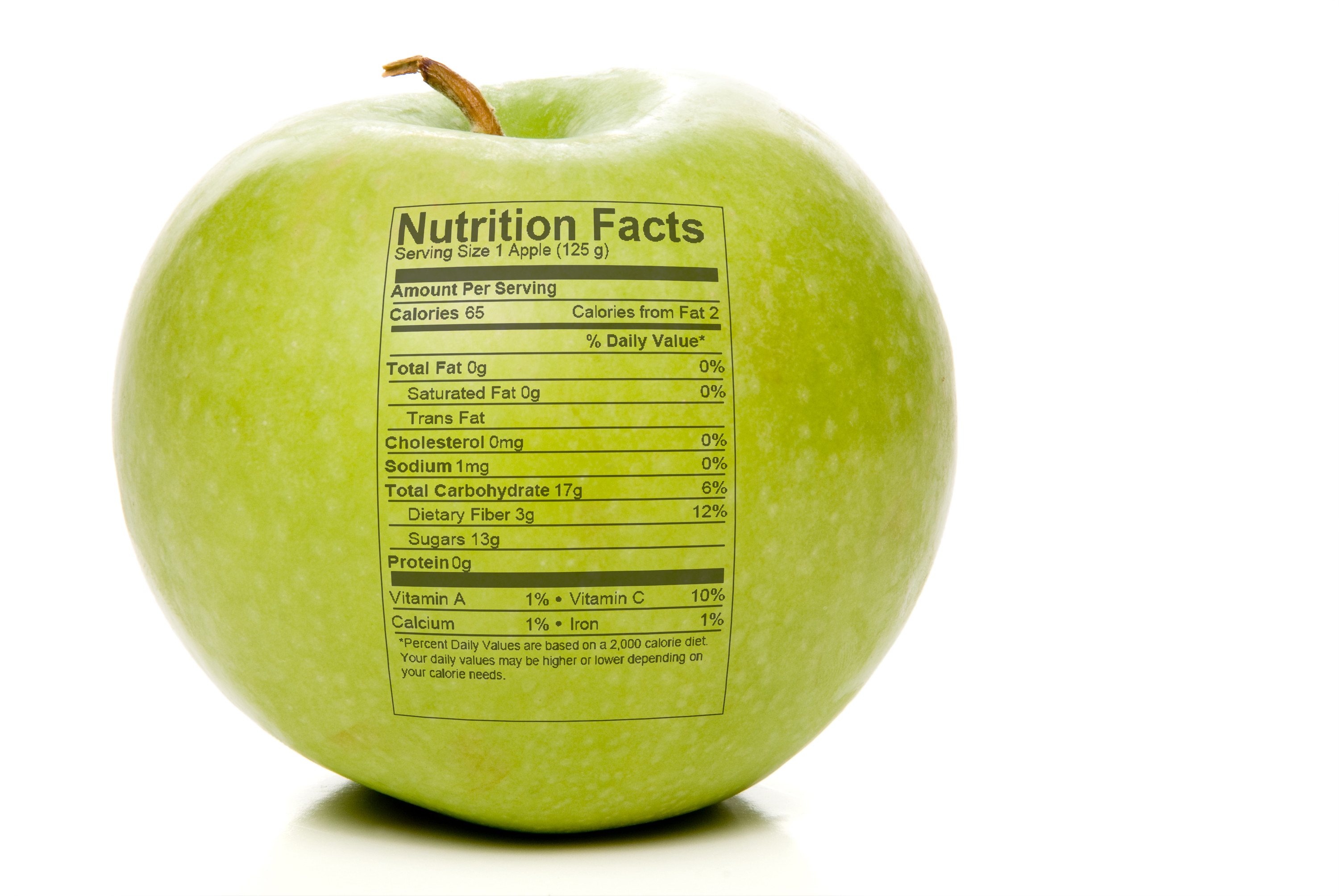
    Not just that, apples are a popular choice among the health and diet conscious being extremely low on calories. A whole medium unskinned apple has calories equivalent to 100 units which is about 5% of an average daily calorie intake. The smaller varieties have a lower calorific value. This means, one could enjoy an apple based dessert without disturbing one’s calorie budget; one would just need to scale down or scale up the size of the fruit as per need. It’s both a healthy as well as a wise choice. The fruit is a rich source of fiber as well. A medium unskinned apple provides with approximately 4gms of fiber. Fiber, as we all know, helps maintain a healthy weight and is crucial for waste elimination from the body. Daily consumption of an apple may also reduce LDL or bad cholesterol levels, thanks to the apple fiber.

    apples

    There are, however, a few negative attributes associated with the famous fruit. Apples are a rich source of the naturally occurring sugar, fructose. A medium sized apple would contain sugar equivalent to 16-20 grams. The sugar content may, however, vary depending on the size, type and quality of the fruit consumed. In such cases, individuals suffering from lifestyle diseases like diabetes must ensure that consumption of the fruit is done only after consulting a doctor. Apart from this, individuals who have problems digesting fiber, or have a weak digestive system following gastrointestinal issues, may find it difficult to digest the high fiber content in the apple resulting in loose stools. Another matter of concern is toxification of the fruit by harmful pesticides, which can be eliminated by washing the fruit well before consumption. One could also resort to organic varieties which would further reduce the problem.

    All this must not stop you from including an apple in your daily diet. Not only is it a healthy option, but, having an apple daily is also a wise decision. It will not only keep diseases at bay, but would also ensure you healthy nutrients as you go through the day

  • Tulsi

    Tulsi

    Tulsi-Plant-620x620

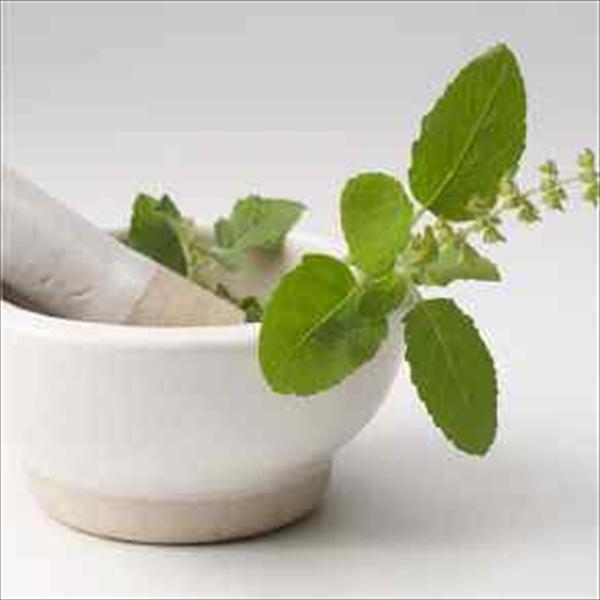
    Holy basil or Tulsi is an herb which is well known for its medicinal properties. An important ingredient in Ayurveda medicines, it has played a great role in the health system of India. Tulsi, a perennial shrub, belongs to the mint family called Labiates and is believed to have originated here in India. It can be grown from the seed or from the tip or root cuttings.

    09a455e0-fa9c-47be-a8f3-b93d8783eb63

    The Tulsi plants have a very important position in the Hindu culture. The plant is considered the most scared and holy of all other plants as it’s believed that it is the middle point between heaven and earth. The entire plant from shoot to root has been in connotation with various god and goddesses in the Hindu mythology. It’s believed that god Brahma lives in its branches and all pilgrimage centers are considered to be in the roots. The stems are leaves have the deities with the Vedas found in the upper branches of the plant. Therefore tulsi is considered as the central sectarian symbol of Hinduism. The plant is grown in every Hindu household especially in the houses of Brahmins. The structure where they are grown is called vrindavan which is a brick structure placed in the middle or front of the house. The daily worship of the plant is considered both holy and important and is mostly done by the females of the household. Though worship is not compulsory all through the week but Tuesdays and Fridays are important days of worship. The ritual of worship is also done in a particular style which involves watering of the plant followed by cleaning its surrounding with water and cow dung. Finally we have the offerings made in the form of flowers, fruits and incense and Ganga water. All this is done while chanting mantras simultaneously. In many houses we find pictures of gods and goddesses made near the foot of the structure. One of the beliefs is that a person can receive moksha or salvation just by watering and taking care the plant, even if he does not worship it. Hindu prayer beads are made out of tulsi steams and roots which are then used as a rosary. In many religious sites, garlands made of tulsi leaves along with food items with tulsi are given out as offerings to the gods. Even Shiva, is some areas is worshiped with tulsi leaves although it’s believed by most that bael leaves are offered to Lord Shiva. The Linga, an important symbol in Hinduism, is considered to have been originated from the black soil from the roots of the plant. Various communities use tulsi leave to protect themselves and their community from the attacks of evil spirits. The starting of the marriage season in India is also related to tulsi. A ceremony known as tulsi vivah which represents the wedding of tulsi with Vishnu as per the Hindu traditional method of marriage marks the end of the monsoon season which is not considered auspicious and the start of the marriage season.

    las-infusiones-mas-curativas

    Coming out of culture and tradition, there are other benefits that the plant offers. Tulsi is famous for its medicinal properties and is therefore used to cure different ailments. The leaves help in improving our memory and also help in strengthen our stomach. During the rainy seasons, we have high level of diseases like dengue, malaria and common cold. During such times it’s recommended to consume tulsi tea or juice which improves immunity and helps fight the disease. In case of cough and cold mixing tulsi leaves and powdered cardamom in water or milk or honey can be helpful in bringing down the temperature. Tulsi leaves with honey can help in giving relief for sore throat. There are many people around us suffering from kidney stones and various heart disorders, the main reason being the modern lifestyle with fast foods and low exercises. Doctors claim that the consumption of these leaves help in reduction of cholesterol levels and the juice taken with honey can help in curing the problem of stones. The herb is also beneficial in the treatment of respiratory disorders when taken after boiling in water with salt. Tulsi leaves are often called ‘adaptogen’ or anti-stress agent which is why many people believe in taking the leaves early in the morning. Many people have problems with bad breath; chewing tulsi leaves ensure a healthy and ulcer free mouth. Apart from this, chewing on tulsi leaves also promises excellent dental health by preventing detrimental effects on the gum and enamel quality. The leaves are beneficial in treating all kinds of skin diseases, insect bites and rashes when applied locally. It cools the skin and gives respite from redness and burning sensations. Further, the miracle leaves also help by providing an effective remedy for sore eyes and night blindness. Headaches, in some cases might be caused due to weakening of eyes; in such cases, a paste made of tulsi leaves and sandalwood when applied to the temples is known to provide much relief.

    chutney with samosa

    Although we can grow tulsi at home but still if we visit the market, the key to select best quality leaves is to choose leaves which are vibrant and deep green colored with no dark spots and is mostly advised to explore the local spice stores for purchasing purposes as the product found there is natural with no adulteration.

  • Quicker Meals For A Quick Life

    Quicker Meals For A Quick Life

    Cooking is a lovely, satisfying, stress busting task. But when it becomes a duty, it seems exhaustive rather than recreation from exhaustion. And all the homemakers, wives, and people who have to make food everyday three times, will agree with me. No matter how much you love cooking, there will be a time, when you’ll start getting sick or bored of this 3-times-a-day duty.

    In every household, the person who has to cook everyday has a secret dream that every meal’s food should magically appear, specially the working people. This is because cooking is not what everybody wants to do after a tiring day at work, and making dinners by starting from a scratch seems a daunting task specially to these people. Well, people like them, now have an advantage because of the evolving cooking techniques and skills.

    Today we can find many instant food materials that can be substituted in the place of items that involve tedious cooking. But these instant options have many preservatives and therefore are meant to be occasionally used.

    But again, the food industry has come to our rescue. We now have a bunch of instant foods that are healthy and get ready in over 15-30 minutes. For the people who are not aware of these foods, here’s a list of foods that can be quickly cooked and are high on the health quotient as well.


    white instant rice           brown instant rice


    Instant rice:

    Rice, specially brown rice, is a healthy and versatile grain that is a delicious ingredient in stir fries, soups and rice puddings. You can save a lot of time with this instant rice, as it takes quarter of the time taken to make regular rice. Therefore, it is a great way to get this grain in your meals.


    eggs


    Eggs:

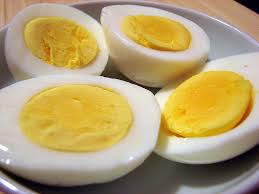
    Eggs are protein rich foods and one of those foods that take very less time to cook, be it scrambled, fried, baked or poached.. The best thing about eggs are that all these types are delicious to eat and can take up any combination of flavors that you wish to add. Thus, these re a great alternative as a meal.


    corn

    Frozen corn:

    Frozen corn is just as nutritious and tasty as fresh corn, and is way more convenient to eat than the fresh corn. They can be added into soups, salads, fries, sandwiches with great ease and this saves tons of time; as unlike fresh corn, they don’t have to be plucked from fresh kernels.


    fresh pasta


    Fresh pasta:

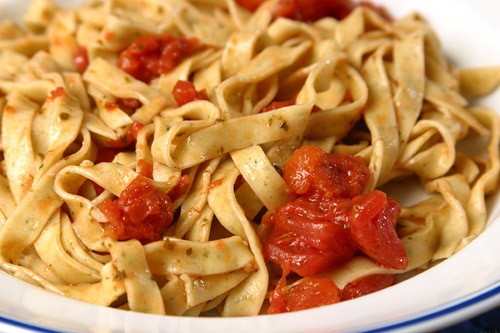
    If you are from a regular pasta eating family, then fresh pasta is surely a boon for you to have as a meal, specially dinner. Dried pasta cooks quickly, but fresh pasta takes half the time as compared to dried pasta. Fresh pasta, like ravioli, comes in more varieties than dried pasta and also comes with tasty cheese and meatball fillings, which can bring a tasty change to the regular pasta meal. It can also be used n combination with soup, as a quick cooking ingredient.


    quinoa

    Quinoa:

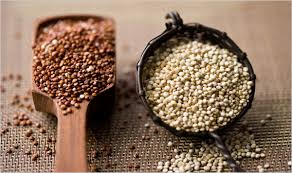
    Quinoa is an awesome ingredient for people in a hurry. It cooks in minutes in boiling water, comes in many colorful varieties, and tastes just great with meat, veggies and seasonings. Plus, it is rich in proteins and nutrients, which doesn’t make you worry about the health factor.


    canned tomatoes


    Canned tomatoes:

    Canned tomatoes are an essential ingredient in pastas, soups, stews, chilies and sauces. The best thing about them is that they become a dish in no time, and save you from the extra work of peeling, seeding, dicing, or chopping or simmering them.


    pie crust


    Refrigerated pie crust :

    Refrigerated pie, is incredibly easy to work with as it is pre-made. It is very convenient to use for sweet recipes. If you want to whip up a quick dessert or make a tart or a pot pie, the time needed is just the time that is used up in baking the dish, that is 15-20 minutes, and your dish is ready.


    bulgur wheat

    Bulgur wheat:

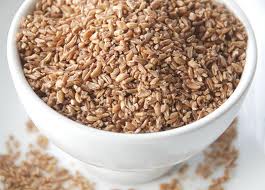
    Bulgur wheat is a grain salad that is not only a great option to use as a side dish with meat, fish or chicken, but is hearty enough to be a tasty vegetarian dish, all on its own. It makes a fluffy or filling base, because it is parboiled before being dried and packaged for sale. And therefore, it takes only 10-15 minutes to cook and is surely a tasty treat.


    Thus, these are some quick ingredients that are not only healthy, but take very less time to cook, so that you can have a fun relaxing and easy meal with family. Using these at home will never get you bored or sick of cooking. And these ingredients are so healthy that you do not have to worry about preservatives and artificial flavors.


    S506_cookingisfun

    So, this should definitely be your pick if you plan to have a tasty, filling healthy, and at the same time, a quickly prepared meal on the dining table and to make your cooking fun.


  • Popeye’s Secret to Strength

    Popeye’s Secret to Strength

    Spinach is a flowering plant which comes from the family of Amaranthaceace. Mostly found in central and southwest Asia, it’s a plant which can survive throughout the year. The leaves come in various shapes and sizes with leaves of a bigger size found in the base and small leaves found in the higher stems. There are basically three types of spinach which we use. Savoy is a dark green, curly leaf, found in bunches in our local markets. A hybrid variety of savoy is the semi-savoy. The leaves of this variety are curled as well and are grown for both fresh as well as processed industries. Other varieties include the flat and smooth spinach which has broader leaves than savoy. It is grown sold as processed and canned foods, cold soups, baby foods etc.

    saude-curiosidades-espinafre-68341

    Spinach finds its origin in Persia and the neighboring counties. In India it was introduced by Arab traders who had travelled here for other spices. The spinach was a popular vegetable among the Arabs and so they introduced them in all the regions they travelled. By the 12th century, this vegetable had reached Spain which then found its way to France and England by the 14th century. The reason why people became so found of this vegetable is that it grew during the time of spring when vegetables were scarce and Lenten dietary was discouraged. Spinach became an important ingredient in the dishes served to the royals and during wars soldiers were given wine and spinach juice when they suffered from hemorrhage.

    Screen-Shot-2012-12-12-at-9.42.19-PMThe-Benefits-of-Spinach

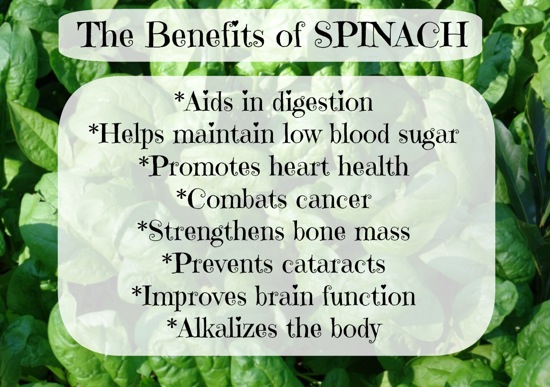
    The fresh green spinach leaves is storehouse of vital minerals and vitamins. Vitamin C which is very essential for proper body functioning is largely found in the leaves that are dark green and vibrant. Vitamin K1 , which is also found in the leaves helps in maintenance of bone health. When we consume spinach, the friendly bacteria found in our intestines convert vitamin K1  present in the leaves to vitamin K2  which then produces osteoclasts which is a non collagen protein found in the bone. These acts like anchors and holds on to the calcium molecules in the bones making it stronger. Sunlight is mainly used by leaves during photosynthesis to form the green material or chlorophyll which is something which we studied in school. However what happens further is that this forms the major portion of the molecules called glycoclycerolipids which are rich in health supportive nutrients. According to certain studies, Spinach like other green vegetables like broccoli and cabbage has anti-cancer qualities. They also help to protect and maintain the digestive track, arrest inflammation and strongly prevent the occurrence of prostate cancer. The spinach leaves also contain an abundant supply of some very unique qualities of anti cancer carotenoids called epoxyxanthophylls. It has very powerful anti-oxidant protective qualities and is highly concentrated in beta carotin, luteinzeaxanthen and flavonoids, the main phytonutrient which helps in promoting health. The spinach therefore undoubtedly tops the list of the most nutrient rich healthiest vegetable in the world and having said that it is therefore important to make this an important part of your diet. According to nutritionist, it will be beneficial if we consume spinach 1-2 times per week.

    spinach

    We would all be familiar with the popular cartoon Popeye the sailor man. The story line of the cartoon was very simple where we have a sailor who works in the docks and is mostly mocked and disturbed by a fellow sailor Brutus who is jealous of him and always finds ways to hurt him or degrade him so that olive chooses Brutus over Popeye as he looks more strong and healthy. The plot is set in such a way that Popeye falls in the trap set by Brutus and by the time pope tries to get out, he kidnaps Olive. Popeye tries his best to rescue himself and Olive but when his out of power and becomes sick and weak fighting the traps laid down for him. When no other way seems useful he takes out a can containing fresh spinach leaves and starts munching and eats them whole. Popeye always carries a can with him and its contents are shown as some kind of power boosters.  As the spinach enters his body he is all power up and his energy reaches the highest possible level and now with all the power back again he fights  Brutus and safes his dear ones. The use of spinach in this cartoon made it famous throughout the world such that it became an important ingredient in the kitchen of every household. Children who earlier did not like spinach started eating them thinking they would became as strong as Popeye and fight their enemies.

    The reason why the cartoonist used spinach in his cartoon was based on a popular belief in those days that spinach had a high quantity of iron and so the cartoonist wanted to show that iron makes the body strong due to which he used spinach in his cartoon. However later it was found that this notion was a mistake done by German scientist Emil von Wolff who due to some miscalculations gave a value for iron which was ten times more than the original content value. This faulty measurement was finally found out and corrected in 1930. However the bottomline fact that spinach made you stronger was always correct.

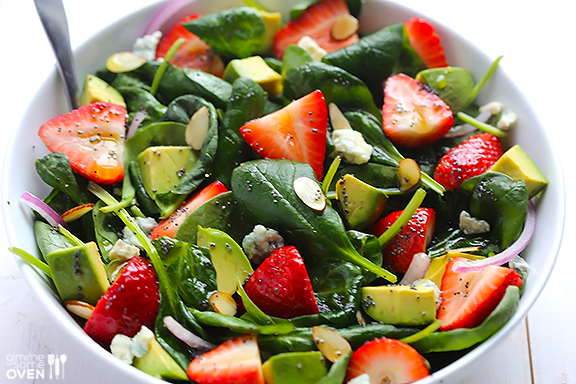
    Strawberry-and-Avocado-Spinach-Salad1

    Today we see that the popularity of spinach has grown so much more than it was before and also find so many ways in which spinach is being used both in salads as well as mouth watering dishes.

  • Spices: The Heartbeat Of Indian Cuisine

    Spices: The Heartbeat Of Indian Cuisine

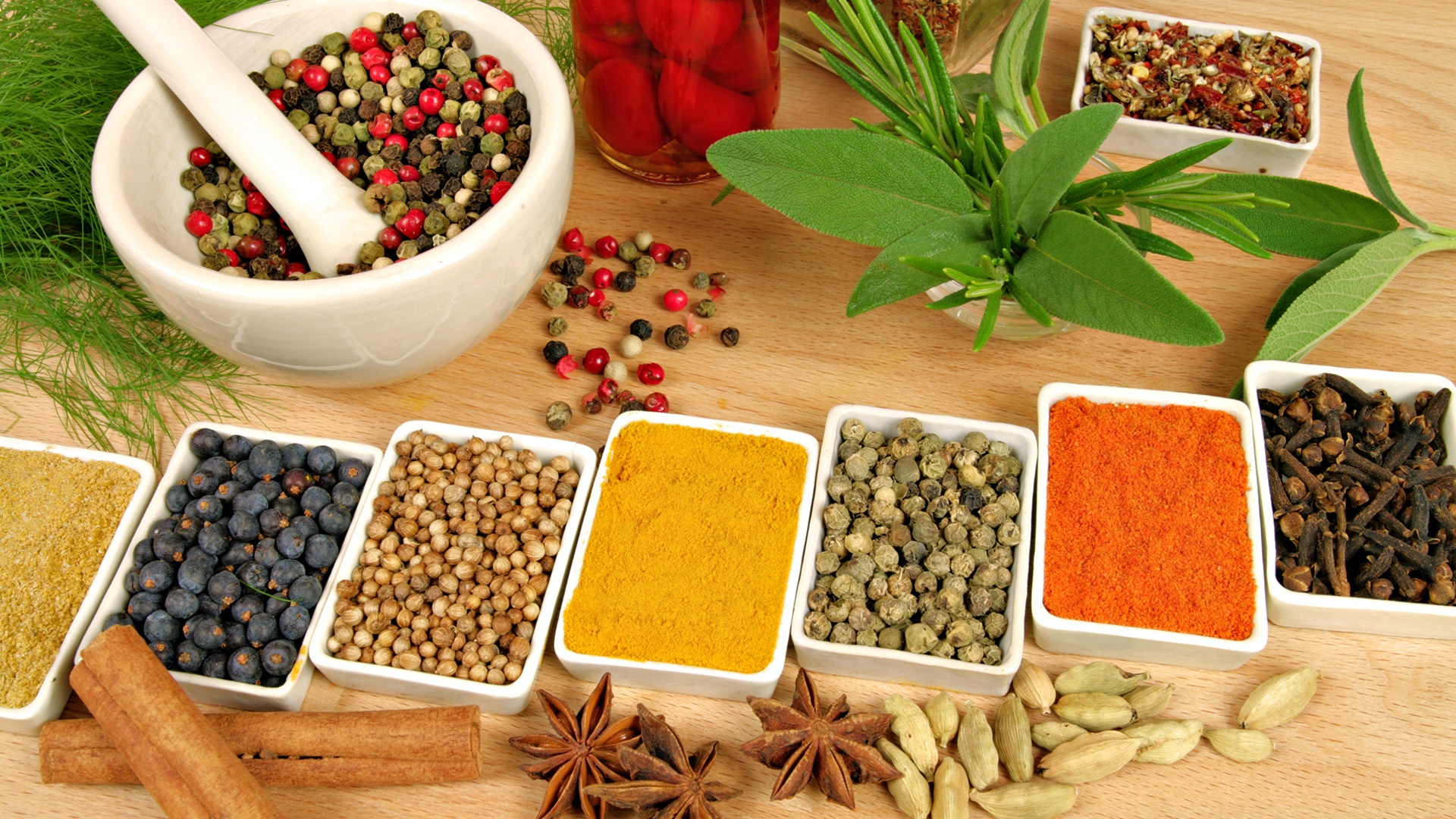
    Indian cuisine is known for its spicy food and extensive use of spices in every dish. Indian spices make the dish complete in every way, and they have ruled the hearts of every man and woman in India. They are used to flavor the food, making each dish distinct and amazingly aromatic. Each spice gives a unique aroma and flavor, and the combination of multiple spices give each dish its unique aroma and flavor. Also many spices are used for medicinal purposes, to prevent diseases and also to preserve food.

    Some spices find extensive use in North India but not in South India and vice versa, but all kinds of spices are available everywhere across the country. Without spices, no one can enjoy Indian dishes.

    Here’s a list of most commonly used spices in India:


    green cardamom

    Green cardamom:

    It is one of the most expensive spices found in an Indian kitchen, and is green in color from outside, having black seeds inside its pod. Having a nice string aroma and taste, it is often used to  flavor tea, desserts and dishes. For best effects, the pod is opened at the time of use and the seeds are crushed properly and then added to the dish or tea. Cardamom is also found in black color and mainly used in main course dishes.


    cinnamon

    Cinnamon:

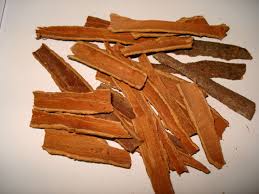
    Cinnamon is native to India and is the bark of an evergreen tree and is yellowish brown in color. It is used as a flavoring agent and for medicinal purposes. It is used mainly in dishes like pulaos, curries  and biryanis. Cinnamon oil is also found prepared from cinnamon bark which is effective in killing mosquitoes. The bark is used in powdered form as well as a dry stick in cooking.


    ginger

    Ginger:

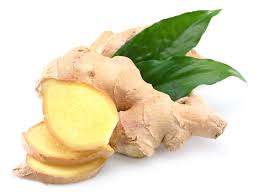
    Ginger is the stem of the plant, has a unique smell and is known for its medicinal properties. It is a boon for cough, cold and tonsils. It has a special place in the kitchen and is used extensively in almost all parts of India. Fresh ginger is used in cookies whereas dried ginger is used as medicine.


    coriander seeds

    Coriander seeds:

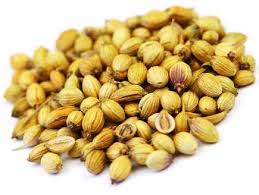
    Coriander seeds are obtained from the dried leaves of coriander, and are greenish golden in color, hollow in shape and have a fresh, crunchy taste. Normally, the seeds are in powdered form, and it loses its smell and taste if kept for some time in air. So they should be stored in air-tight containers. It is one of the main ingredients of garam masala.


    asafetida

    Asafoetida:

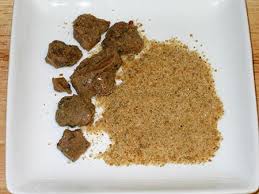
    It is a sap of the stem or root of a plant and dried to get hard resin like substance, which is broken by hammer and used in the powdered form. It has a dark amber color and pungent smell, and that is why it is also known as devil’s dung or stinking  gum. A little amount of this spice is used for giving a seasoning and tempering  flavor to the food. Apart from this, asafoetida is effective in curing gastric problems.


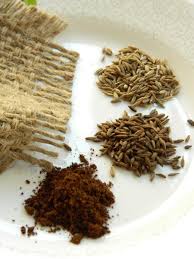
    cumin

    Cumin seeds:

    Native to Mediterranean Sea, cumin seeds belong to parsley family and used in the Indian kitchens as a flavoring agent. They have a strong earthy aroma, and are also used as a medicine for curing digestive problems and helps in reducing acidity. It is packed with iron and is advisable for anemic people and lactating mothers.


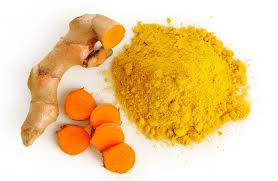
    turmeric

    Turmeric:

    Turmeric is a ginger like rhizome in raw state and is deep yellow to orange in color, and is an important part of Indian spices. It has many medicinal properties as well, and is used in coloring, dyeing and cosmetic industry. It has anti-inflammatory properties and acts as a healing agent for liver disorders and other digesting problems. It can be grated or used in a powdered form in cooking.


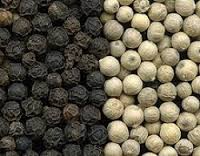
    pepper

    Pepper:

    Pepper is found in white and black form and is derived from pepper tree, and is round in shape. Dried berry of the tree forms black pepper whereas the seed forms the white pepper. It is used in a powdered as well as whole form, and helps in reducing cholesterol. It has a unique taste and smell and used in salads , curries and main courses.


    red chili

    Red chili:

    Red chili is the king of spices. Specially Indian cuisine is incomplete without red chili powder. It not only adds spicy taste to the dish, but also beautiful red color to the dish. It is either used in powdered form to sprinkle on the food or as a whole form. It is rich in multivitamins and potassium and helps to control diabetes and cholesterol with its analgesic and anti-bacterial nature.


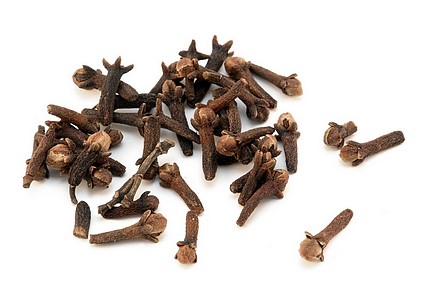
    Dried clove - isolated on white

    Cloves:

    Cloves are dried up flower buds. The fully grown, unopened buds are dried in the sun till they become dark brown and are then used for culinary and medicinal purposes. It is expensively used in Indian cooking, and imparts strong and warm flavor to the dish. It is a part of garam masala as well.
     

    These spices are available all around the India, and in Indian stores all around the world. A huge variety in the already diverse cuisine on India. Spices are one of the most important things that attract people to India. So, they truly are the heartbeat of Indian cuisine and Indian cuisine is incomplete without them.

  • Coffee or tea which is better?

    Coffee or tea which is better?

    Coffee-vs.-tea-poll-pic

    In order to set off good start for the day, everybody wishes to drink a nice hot cup of coffee or tea. Ofcource the choice of the drink varies between different households and individuals. Most of the adult men and women feel that it is tea which actually energizes their body and makes them ready to carry out the work planned for the day while the younger generation prefers coffee.

    hot  coffee

    Coffee is a beverage which is prepared from the roasted seeds of the evergreen shrub called coffea. Once the coffee berries are ripe, they are collected and dried and processed. The seeds inside the berries are then collected and roasted in different temperature, depending upon the flavour, taste and colour required before being grinded and brewed to create the final product. Coffee plantation takes place around the world but major contribution is given by Africa, Latin America followed by Southeast Asia. Research states that coffee cultivation originated in Arabia during the 15th century, where coffee was associated with both religious and rebellious political activities. According to Ethiopian culture it’s believed that Kladi, who was a goat herder, had first found the seeds when he noticed that his goats became excited after consuming the beans. Some of the Arabian culture attributes the discovery of coffee beans to Sheik Omar, who was known to have the ability to heal the sick and was exiled to a desert near Ousab. There he found the berries but were bitter in taste so he tried to roast them so it turned hard. It’s believed that Omar then boiled the berries to soften the seed which resulted in creation of a dark liquid. The liquid, when he drank it, it revitalized him sustained him through the period of exile. When Omar came back home, he had bought with him this miracle drug and that how coffee was introduced into Arab and travelled through Egypt and Yemen. Today coffee is considered an important agricultural product and also is regarded as an important export commodity.

    Vit_chai

    Tea on the other hand is prepared by simply mixing tea leaves into boiling water. Tea is considered to be the second best preferred drink after water. It’s cool and astringent flavour is what attracts so many people, making it the world’s most widely consumed beverage. Tea is considered to have its origin in china where it was used as a medicinal drink. According to the Chinese legend, the discovery of tea was done by a Chinese inventor named Shennong who invented a tea shredder. During the Tang and Qin dynasty, the popularity of tea was at its peak and also had spread to other regions of Japan, Korea and Vietnam. The Portuguese were introduced to tea when they were in china during the 16th century. The cultivation of tea together with jasmine and mallow gave it a distinct taste and aroma.  During the 17th century, the British started consuming tea and also introduced it in India. The practice of drinking tea in Britain was only seen during special occasions like marriages and anniversaries and religious festivals. It was mostly consumed by the royals as tea was expensive and could not be afforded by all. This gave rise to tea smuggling which made tea available for the lower section of the society as well. By the 19th century, tea was consumed by all the sections of the society. When the British had captured India, they wanted to cultivate tea and in order to do that they sent Robert Fortune to china to get some tea seeds. However the plan to cultivate them in India failed due to different weather conditions. However they later found that regions like Assam and the Northeast regions of the country could house the cultivation of this crop and so using the Chinese techniques of cultivation created a tea market in India from where tea was exported to other parts of the world. The price of tea in Europe began to fall with large import of tea from India.
    00-10063@2x

    After knowing so much about both the beverages we still don’t find ourselves in a position to decide which one’s a better choice. So in order to make our task a little simple let’s see which one’s better when it comes to our health and growth. Tea can be of two types, black or green tea. However both theses goods contain a high level of antioxidants called flavonoids. Antioxidants are chemicals which protect tissues from oxidants. Oxidants may damage cells and reduce the immunity. According to a survey done by American Dietetic Association, one in five adults in America prefer tea to other beverages; however these people gained 20 times more antioxidants than non tea drinkers. Other than the benefit of receiving antioxidants, drinking tea also helps in reducing cholesterol levels, blood clots and helps fight inflammation, cancer and various allergies. Green tea is considered the very healthy and is responsible for reducing breast cancer and death rates due to heart diseases.

    5b43c9b47218fff9342c0f4dfef660b62f0618a8

    Researchers claim that like tea, coffee also contains antioxidants and helps in lowering the risk of liver and colon cancer and diabetes. Some people believe that coffee might not be good for the heart, however it’s not been proved till now and further study in this field is required. Since caffeine content in coffee is high, it’s not recommended for pregnant women and even overdose among youngster may not be a healthy option.

    So according to me tea wins the battle to be a healthy choice when compared with coffee. But this does not mean that coffee can be completely rejected. Controlled quantities of coffee can be consumed for a healthy living.

  • The Veggie Kitchen

    The Veggie Kitchen

    I’m going vegan for a week.

    Being a meat lover and someone who hardly has her vegetables at meal time, this was turning out to be quite a hellish challenge to overcome.

    I spent the first two days craving for some meat. Anything meaty. Any meat look-a-like. Today is the sixth day and I’m more than okay. I guess I’ll survive.

    I was always a fussy eater. Not this. Not that. This is soggy. That looks weird. Eww. “Mum, the fish tastes fishy. I don’t like it.” I made up all kinds of excuses to not eat my meals properly, especially the greens.

    Well, I’m twenty now. These excuses work no more.

    Anyway, when mum dared me to go all vegan for a week, I readily took up the challenge. I had to prove her wrong, didn’t I?

    Why? Why did I have to prove her wrong? *sighs*

    Since my bruised ego had already done the needful, I braced my taste buds and entered the Veggie Kitchen.

    (I would rather not admit this, but I don’t hate the green beings any more. The Vegetable Mornay is one of the yummiest vegetable dishes I have had so far. As far as egg-less desserts go, the Peanut Butter Fudge is my favourite. )

    From the Veggie Kitchen:


    Vegetable Mornay

    pot-roasted-mornay

    Time – 40 minutes

    Serves – 4

    Ingredients – 2 to 3 carrots, 2 leeks, 1 head of broccoli, 1 cauliflower, 25g butter, 1 tbsp plain flour or cornflour, 500-700ml milk, 2 tbsp nutritional yeast flakes (optional), 100g mature cheese (grated, 75 g for the sauce and 25 g for the topping), ½ tsp mustard, Black pepper to taste

    Method – Preheat the oven to 180C. chop the carrots into sticks, slice the leeks and cut the broccoli and cauliflower into manageable florets. Place in a steamer and cook until the cauliflower is tender but not soft. Meanwhile, make the sauce. Melt the butter gently in a saucepan in medium heat. Add the flour or cornflour and stir well with a wooden spoon. Add the milk a little at a time, continuing to stir to avoid lumps. Switch to a balloon whisk. Continue to stir over a medium heat until the sauce begins to thicken. The balloon whisk will also help to eradicate any lumps that may have materialized. Add more milk as necessary to get the desired thickness. The sauce should be the thickness of custard. If you are using nutritional yeast flakes, add these before the grated cheese as they will reduce the amount of cheese you will need. Add the cheese and mustard and stir well. Season with black pepper. When the vegetables are ready, transfer them to an oven proof dish. Pour over the sauce and garnish with the remaining grated cheese. Bake in the oven for about 15 to 20 minutes or grill until the top is golden.


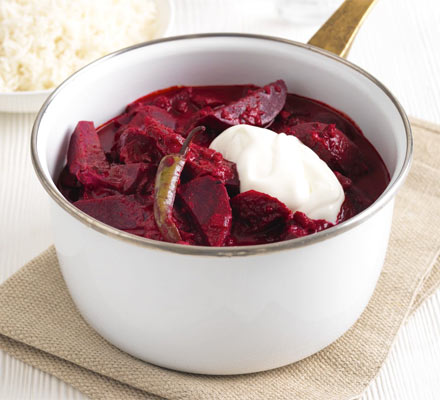
    Creamy Beetroot Curry

    recipe-image-legacy-id--1125484_11

    Time – 50 minutes

    Serves – 4

    Ingredients – 1 tbsp vegetable oil, 2 onions ( very finely chopped), 2 tsp yellow mustard seeds, 3 tbsp Madras curry paste, 1 kg raw beetroot (peeled, halved and thickly sliced), 1 green chilli (halved lengthways), 400g can chopped tomatoes, 3tbsp ground almonds, 4 tbsp low-fat natural yogurt (plus extra to serve), basmati rice (to serve, optional)

    Method – Heat the oil in a large lidded pan, stir in the onions and cook for 8 minutes until soft. Tip in the mustard seeds and cook for 1 minute until toasted. Stir through the curry paste and sizzle for 3 minutes. Mix the beetroot through the spicy onions, then add the chilli, tomatoes and 2 cans of water. Cover and simmer for 30 minutes, stirring occasionally, until the beetroot is tender. Remove the lid, turn up the heat and cook until the sauce is thick. Take off the heat, then stir through the almonds, yogurt and some seasoning. Top with yogurt and serve with basmati rice(optional).


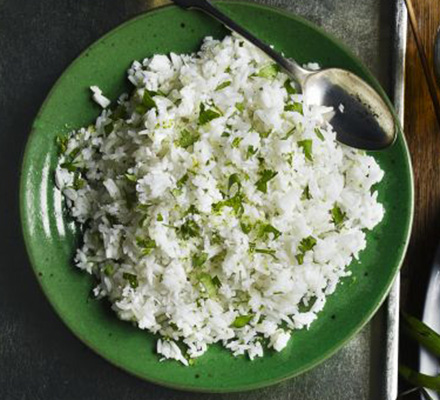
    Coconut and Lime Rice

    rice_3

    Time –22 minutes

    Serves –4

    Ingredients – 250g basmati rice, 5 tbsp desiccated coconut, zest and juice 1 lime, small pack coriander (roughly chopped)

    Method – Cook the rice. Add the coconut about 5 minutes before the end of the cooking time. Stir in the lime zest and juice, and the coriander. Serve immediately.


    Chickpea Patties with Carrot and Raisin Salad

    Spicy-Panko-Chickpea-Patties-

    Time –15 minutes

    Serves –2

    Ingredients –

    For the Patties: 400g chickpeas (drained), 1 garlic clove, 1 egg, 1 tbsp ground almonds, 2 tsp harissa, 1 tsp ground cumin, 3 tbsp chopped parsley, 2 tsp rapeseed oil (for frying)

    For the Salad: 1 tbsp raisins, 1 carrot and 1 courgette (shaved into ribbons with a peeler), 5 radishes (thinly sliced), 2 handfuls from a bag of watercress, rocket and spinach, 1 tsp each hemp or rapeseed oil and white wine vinegar, or lemon wedges (optional)

    Method – Tip the chickpeas, garlic, egg, almonds, harissa and cumin into a bowl and blitz with ahand blender until smooth. Stir in the parsley. Heat the oil in a non-stick frying pan and dollop in the mixture in 8 big spoonfuls, spaced apart. Cook for 5 minutes on each side.

    For the salad, toss the raisins and all the vegetables together, but don’t dress with the oil and vinegar until you are about to eat. If taking to work, add a wedge of lemon to squeeze over instead of the dressing.


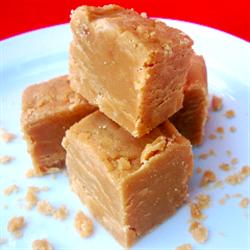
    Peanut Butter Fudge

    305440

    Time – 1 hour 20 minutes

    Serves – 4

    Ingredients – ½ cup butter, 2 ¼ cups brown sugar, ½ cup milk, ¾ cup peanut butter, 1 tsp vanilla extract,  3 ½ cups confectioners’ sugar

    Method – Melt butter in a medium saucepan over medium heat. Stir in brown sugar and milk. Bring to the boil and boil for 2 minutes, stirring frequently. Remove from heat. Stir in peanut butter and vanilla. Pour over confectioners’ sugar in a large mixing bowl. Beat until smooth; pour in to an 8×8 inch dish. Chill until firm and cut into pieces.


    Vegan Brownies

    34119

    Time – 50 minutes

    Serves – 16 brownies

    Ingredients – 2 cups unbleached all-purpose flour, 2 cups white sugar, ¾ cup unsweetened cocoa powder, 1 tsp baking powder, 1 tsp salt, 1 cup water, 1 cup vegetable oil, 1 tsp vanilla extract

    Method – Preheat the oven to 175 C. Ina large bowl, stir together flour, sugar, cocoa powder, baking powder and salt. Pour in water, vegetable oil and vanilla; mix until well blended. Spread evenly in a 9×13 inch baking pan. Bake for 25 to 30 minutes in the preheated oven, until the toothpick inserted in the brownie comes out clean. Let cool for at least 10 minutes before cutting into squares.


    Recipe Courtesy: allrecipes.com, bbcgoodfood.com

    Picture courtesy: allrecipes.com, bbcgoodfood.com, aliveandcooking.com.au, toriavey.com,