Blog

  • Dessert Dreams

    Dessert Dreams

    Whats life without dreams and who said the dream has to be productive? It can just be a whim and the whim to eat is the best kind. Here I share with you two of my most delicious whims. One was surmounted and second is eluding me.

    The Cheesecake Factory. The place where penny works!  This comes from a diehard Big Bang Fan who also happens to be a foodie; unfortunately she is not so well read. The first time I heard of a cheesecake was on FRIENDS with a whole episode seeing chandler and Rachel stealing an old lady’s cheesecake and wolfing it all up on multiple occasions. The idea seemed awesome to me, cake made of cheese. Yummy. The fantasy was well enjoyed and lapsed. With big bang theory the memories came rushing back.

    cheesecake-factory

    So basically cheesecake contains the main layer as a mixture of soft fresh cheese mixed with eggs, sugar etc. It is usually a layered preparation with the bottom layer made up of crust, graham cracker, sponge cake or even cookies. The cake can be either baked or unbaked. It is usually refrigerated. The topping can be glazed sugar, whipped cream, fruits or even nuts. The most loved flavors of cheesecakes are strawberries, chocolates, key-lime and the ever green one is the classic one.
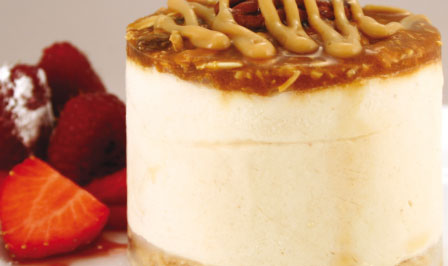
    cheesecake-large4

    When the two layers of the cake have to be separately prepared the time taken and the preparation level has to be on the heavier side. This little drop of heaven takes three hours of hard work to be ready. However the buttery, soft and crumbly cheesecake is going to be worth every bit of your time. Internet is full of ‘steps’ to make the perfect cheesecake so just get the eggs and get to work.  The few basics that can make or break (literally) your cake are:  whipping is the most tedious and the most important part of the process. Make sure you whip as long as possible for it just gets better with every whip. Make sure the crust doesn’t crumble as cheesecakes are notoriously crumbly and finally make sure the temperature is right for your kind of dessert. If you would rather buy than make, just Google out the top 10 places in and around your city and go nuts!! The cheesecakes are all yours.

    1211261655015

    Now for the dream of Cheesecake factory. I did get to live my dream on my visit to States last year i.e. in 2013. I had tasted cheesecake before (bakeries, Pizza huts etc.) but it just didn’t feel right. In the state of Colorado.  I visited the Cheesecake Factory and it was just what I wanted it to be. The air was peppered with slight waft of cheese. It was soothing not overwhelming, it was sweet but not too sweet. And when I finally saw the stand lined with all the cheesecakes I would imagine, the foodie inside me had reached its personal paradise.

    From classic one to kiwi and Oreo flavor they had it all. There was a chocolate, marshmallow and even Godiva special chocolate. The taste buds were in trance. In my enthusiasm I ordered 3 separate cheesecakes while my cousins looked on and shared smiles. Later after a single pastry I was full and overfull. Yet I couldn’t stop, I knew I would regret it if I did! (Just like Chandler Bing! FRIENDS). I put the remaining precious pastries in a container and jived my way home. Mission accomplished. What I did not foresee was that I wouldn’t be able to enjoy such lovely delight back home. New Dream: Go to States again!

    Lemon-Meringue-Pie

    The second part of dessert dreams is Lemon Meringue. This started when I was in school and some story about some cruise had the girl drooling over a lemon meringue. My professor was a foodie or let’s say a connoisseur of fine dining. He went on to explain the dessert in great detail and the whole class was glassy eyed when the bell finally signaled the end of the class. From that day on, lemon meringue has been elusive preparation for me.

    Lemon Meringue Pie

    Lemon meringue is a type of pie with a short crust, a crust that doesn’t rise when we bake it. The preparation has only one base crust with the lemon filling as the middle layer and the meringue on top of it. Meringue in itself is a dessert and is made of whipped cream, eggs etc. The one thing about meringue is that it is completely fat-free and hence can be added benefits for the diet-cheaters like me. The preparation is very delicate and requires a very soft and sure hand.

    lemon-meringue-pie-cupcakes4+srgb.+c

    The cupcake or the pie both are supposed to combine the rich sweet and tart flavors of lemon and top it with sweet meringue. The bite has to mix the awesomeness of both the worlds. Haven’t been lucky yet to chance upon one of these but may be some day on some cruise I will drool over these tiny perfections!

    If you know where I can find these amazing meringues, please ping!


  • Step-By-Step Guide on How To Eat Well

    Step-By-Step Guide on How To Eat Well

    1. Eat at regular intervals and make sure that you have three meals a day. This should help your blood glucose level to remain steady throughout the day. Also, having three proper meals at regular intervals will prevent you from feeling hungry.


    1.  Watch the amount of fat you eat. Fried and fatty foods are loaded with calories (they are obviously not good for you if you are trying to shed a few inches off your waist). Intake of saturated fats may lead to rise in one’s cholesterol level. However, you can switch to healthier unsaturated fats which will not harm you in any way.

    Food to avoid: Butter, Ghee, Paneer, Pastries, Crisps, Samosas, etc

    How to eat healthy fats? Instead of cooking with butter or ghee (saturated fat), use olive oil or cornflower oil (unsaturated fat). Avoid using too much coconut in your cooking. Creamy coconut and coconut milk are high in saturated fat. Choose skimmed milk and low fat yogurt over cream and full- fat yogurt. Replace Paneer with Tofu.


    A helpful recipe-


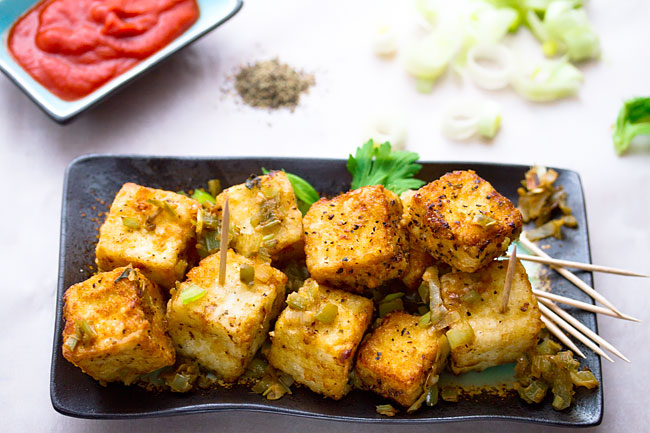
    vegan-chinese-salt-and-pepper-tofu-recipe-2

    Grilled Salt and Pepper Tofu


    Ingredients: 1 tbsp olive oil, 2 springs onions ( chopped, plus the finely chopped green parts of 4-6 spring onion), 5 cm piece root ginger (chopped), 6 garlic cloves (chopped), 5 cm stalk celery (chopped), 2 green chillies (sliced), 200g tofu (cut into 2 cm cubes), 1/8 tsp salt, 7-8 black peppercorns ( crushed), 1 tbsp lemon juice

    Method: Heat the oil in a pan. Add the spring onions, ginger and garlic, and sauté for 2 minutes. Add the celery and green chillies, and sauté for 30 minutes. Stir in the tofu, salt and crushed peppercorns and sauté until tofu gets some brown flecks. Add the spring onion greens and sauté for 1 minute. Add the lemon juice, toss and serve.


    1. Fruits and vegetables are rich in antioxidants. Antioxidants help prevent damage to one’s arteries. So, eat as much fruits and vegetables as regularly as possible. These foods are nutritious, low- GI, low in calories and fat and quite filling. Dried fruits can be had as snacks in between meals. Have fruits in dessert instead of sweet meats. Incorporate the habit of having some salad with yours meals. For example –


    Bulgur Wheat and Fruit Salad


    Ingredients: 200g bulgur wheat, 2 medium size red peppers, 1 medium size yellow pepper, 1 medium size onion ( sliced),  4 garlic cloves ( thinly sliced), 2 medium size tomatoes (seeded and diced), 1 tbsp chopped fresh parsley, ½ tsp salt, ground white pepper to taste, pinch of sugar, 1 tbsp lemon juice, 1 medium size apple ( diced), 4 tbsp finely chopped fresh mint leaves, a few leaves of Iceberg lettuce, 1 tbsp olive oil

    Method: Soak the cracked wheat in water for 15 minutes, then strain. Push each pepper on to a fork and, one at a time, roast directly on a flame. (If you prefer, you can char the peppers under the grill or roast them in the oven) Put the soaked wheat into a salad bowl, and stir in the onion and garlic. Run water on the charred peppers and then remove the burnt skin. Cut the flesh into small pieces and add to the salad bowl. Stir in the tomatoes and parsley, then add the salt, white pepper and sugar. Mix. Add the lemon juice, apple and mint leaves. Tear up the Iceberg lettuce and add. Toss well. Add the olive oil, toss again. Serve immediately.


    1. Consume less sugar. Replace fizzy drinks with diet ones, water or unsweetened fruit juice. Limit sweet meats such as Rosogolla, Barfi, Ladoo, Gulab ajmun, Khir Malai to special occasions. Cut back on sugar in your tea and coffee. Switch to artificial sweeteners such as Splenda or Sweetex.

    sweetex


    1. Eat food low in salt such as plain popcorn, unsalted nuts or fresh fruits instead of savory biscuits, salted crisps, etc. Use unsalted butter instead of salted butter. Dried fish is very high in salt; soak it thrice and throw away the water before cooking. There is no need to add extra salt in cooking. Instead of salt, try experimenting with paprika, pepper, spices and fresh herbs.

    download

    1. Have more high- fibre food. Choose brown basmati rice over white rice, dal with whole lentils over dal with pureed lentils. As recommended earlier, eat your vegetables and fruits regularly.


    A vegetable dish for you to try –


    Mushrooms with fresh Coriander


    Ingredients – 600g button mushrooms (trimmed), 1 tbsp olive oil, 5 green cardamom pods, 1 black cardamom pod, 5 cloves, 2.5cm stick cinnamon, 1 bay leaf, pinch of ground mace, 175g boiled onion paste, 4 tsp minced ginger, 4 tsp minced garlic, 4 green chillies (chopped), 1 tsp red chilli powder, ½ tsp ground coriander, 375g natural low-fat yogurt (whisked), ½ tsp salt, 3 tbsp cashew nut paste, 25g fresh coriander leaves (chopped), 3.5cm piece root ginger (cut into thin strips)

    Method – Blanch the mushrooms in hot water for 2 minutes. Drain and set aside. Heat the oil in a non stick pan. Add the cardamom pods, clove, cinnamon, bay leaf and mace, and sauté over a medium heat until fragrant. Add the onion paste and sauté for 2 – 3 minutes. Stir in the minced ginger and continue to sauté until the oil surfaces. Add the chillies and sauté for 30 seconds more, before adding the chilli powder and ground coriander. Stir for another 30 seconds. Remove the pan from the heat and stir in the yogurt and salt. Mix well, then return the pan to the heat. Add 150ml of water and let it come to the boil. Reduce the heat and simmer until the fat rises to the surface. Stir in the cashew nut paste and simmer for 2 – 3 minutes. Add the mushrooms and ¾ of the chopped coriander and simmer for 2 – 3 minutes. Transfer the mushrooms to a serving dish and garnish with the remaining coriander and the ginger strips.


    Follow these steps attentively and you will soon discover a healthier better YOU.


    Recipe courtesy – sanjeevkapoor.com

    Picture courtesy – vegiebelly.com, weldricks.co.uk, spicesherbscentre.com

  • The X-Men and their Origins

    The X-Men and their Origins

    idlydosa1

    The Title might be a little misleading. No we are not talking about the popular movie series X-Men but about the most important “men” read “food” for a typical Indian. Food is part of our identity. They say “We are recognized by the food we eat”. There are certain kinds of food which originated from our land and have been an important part of Indian lives. These staple foods are an integral part of every Indian’s diet, and they also have deep roots with our culture.

    Some of these dishes have history dating back to the 7th and 8th century and have been mentioned in several writings of yesteryears. Some of the most ancient foods which originated in India and still an important part of the everyday meal are South Indian dishes like Dosa, and idly. There is also a popular frozen desert called “kulfi” which is my personal favorite.It is often described as “traditional Indian Subcontinent ice-cream “and quite popular in places such as IndiaPakistan and the Middle East, and widely available in Indian restaurants in Australia, East Asia and North America.


    Idly


    idly1


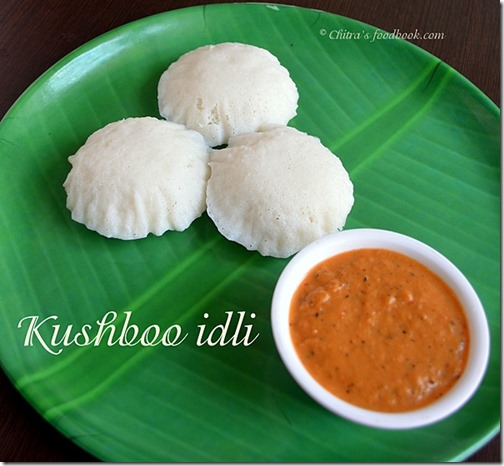
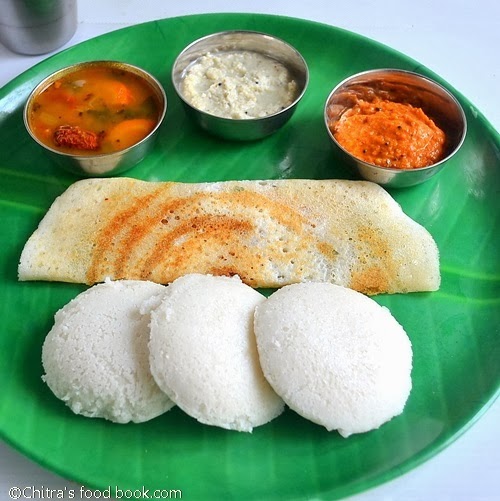
    Idly is a soft steamed cake which is very popular in Southern parts of India such as Karnataka, Andhra Pradesh and Tamil Nadu. These are small round, soft cakes which are prepared by steaming fermented black lentils and rice. The idly is considered to be the very healthy and it can be served to anyone from a new born baby to an ailing old person. Scientists have found that idly is one of the healthiest foods among the ones served for breakfast. The fermentation process involved in preparing idly helps in breaking the starch molecules thus making it easier for the human body metabolize.

    Idly is the most preferred breakfast in South India and are equally popular among the people of North India as well. Idly is not a monotonic dish as it may sound. There are several types of Idly’s like the “Rava Idly” and “Sanna Idly” are popular among people of different places.


    Origins

    Idly has been known to India since the 7th century and has been a constant in the diet among various people of India.Earliest mention of idly occurs in the Kannada writing called Vaddaradhane by Shivakotiacharya in 920 AD, and it seems to have started as a dish made only of fermented black lentil. The preparing pattern of idly’s have changed a lot over the years but the basic ingredients still remain the same. Tomake idly, place four parts uncooked rice to one part split black lentil in a pan and soak separately for at least four hours.Grind the rice to a coarse paste separately in a heavy stone grinding vessel. Mix both the lentil and rice paste thoroughly. Leave the paste to ferment overnight, until it has expanded to about 2½ times its original volume. In traditional methods a pure white cloth is placed on moulds and batter is poured over it after the dilly’s are cooked the trays along with cloth are inverted upside down in a plate & water is sprinkled on the cloth, then the cloth is pulled and the idly’s come out without sticking to the cloth. So that idly’s are prepared without a single drop of oil or ghee.


    Best Served with:

    Anyone who wishes to taste the traditional idly should visit “The Murugan Idly Shop” a chain of restaurants in Chennai which specialize in serving different types of Idly’s and its various side dishes. It is traditionally served with:

    • Sambhar
    • Coconut Chutney
    • Milagai Podi

    kushidly

    Dosa

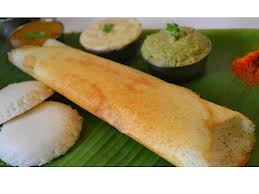
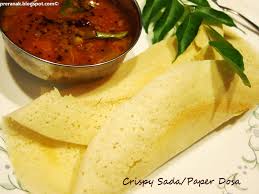
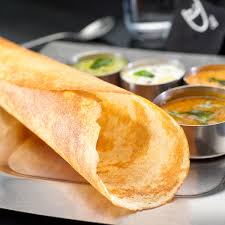
    Dosa is another famous South Indian dish and it is probably the most marketed Indian dish and it has a wide reach across the globe. You will probably find a restaurant serving Dosa in most of the European and North American countries. Dosa is similar to idly in many ways including the basic ingredients such as rice and black lentil. The paste obtained from fermentation of rice with black lentil is spread over a griddle. Itis spread out evenly with the base of a ladle or bowl to form a pancake. A dosa is served hot, either folded in half or rolled like a wrap.

    dosa1

    Dosa, like idly doesn’t contain any fat and is considered to be easy for the human body to metabolize. It is a very light dish and is most commonly served for breakfast in most Indian homes. There are several varieties of Dosa, but the favorite ones are Masala Dosa, Onion Dosa, Ghee Roast and Rava Dosa. There are restaurants which are entirely dedicated to Dosa and serve about 100 different varieties of Dosa.

    Origins


    “The Story of our Food”, a book written by K. T. Achaya, an eminent Indian food scientist and food historian, states that foods like Dosa and Adai were already known in ancient Tamil country around 1st century AD, as per references in Tamil Sangam Literature.

    dosa2

    Best Served with:

    Dosa can be stuffed with fillings of vegetables and sauces to make a quick meal. They are typically served with a vegetarian dish which varies according to regional and personal preferences. Common side items are:

    • Sambhar
    • Chutney and
    • Indian Pickles

    Kulfi

    kulfi1

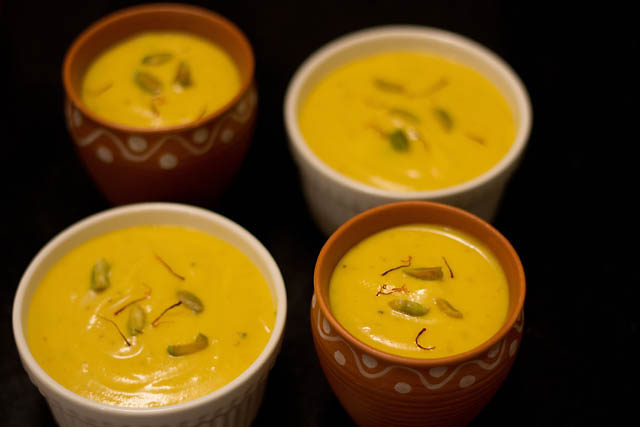
    The “kulfi” is an Indian frozen desert which is similar to an ice cream but a little creamier and topped with nuts like cashews, almond and pista. “Kulfi” unlike western ice creams is not whipped and hence has the ability to not melt for a longer time as compared to ice creams and it is similar to the traditional custard based ice creams.

    Kulfi is prepared from evaporated milk, sweetened condensed milk and heavy cream. Then sugar is added and the mixture is further boiled and cornstarch-water paste is added. This paste thickens the mixture, although it is boiled for an additional few minutes. Then flavorings, dried fruits, cardamom, etc. are added. The mixture is then cooled, put in moulds and frozen. If frozen in individual-portion custard bowls for service with a spoon, bowls are removed from the freezer 10–15 minutes before serving to allow for melting at the edges.

    kulfi2

    Kulfi’s are usually sold in four-wheeled carts and its specialty is that “kulfi” is usually sold during night times and the familiar sound of “kulfiwallhs” bell in itself pricks the taste buds making us crave for these delicious kulfi’s. Generally kulfi’s come in various flavors like pista, rose, mango but there also new variants like strawberry and even apple flavored ones.

    Origins

    This rich dessert is likely to have been introduced in the subcontinent of India and is found in neighboring countries in the Middle East. While history does not point to one specific inventor, Mughal emperors who reigned in the 16th to 19th centuries in India are thought to have originated kulfi. Inhabitants who lived near the Himalayas had come across freezing methods that included sweets or desserts.

    idldos2 mangokulfi11


    There has been a heavy influence of western cuisine in our everyday lives, with all these it is also important to remember these traditional dishes not only because they originated here, but also because they define who we are. Like language and ethnicity the food one eats describes a person’s roots and it is important to have a grasp of our roots. They really are our X-Men!



  • Healthy Cooking for Diabetes

    DIABETES. What is Diabetes?

    images

    When one has diabetes, the amount of glucose (sugar) in his/her blood is very high. This is mainly because the body is unable to use the glucose properly.

    For Diabetic people, maintaining blood glucose levels is the essential aim for treatment and this can be done by leading a healthy lifestyle. My grandmother and my mother are both prey to the disease diabetes mellitus. It is one horrible disease. The things to do and not to do. To eat or not to eat. The regular checkups. The huge doses of a dozen pills on a regular basis. The daily insulin intake through injections. It is a nightmare.

    To be healthy, to lead a normal lifestyle, one has to follow a balanced diet among other remedies.


    Breakfast, lunch and dinner are the three main meals of one’s day. The following recipes are very healthy and cooked as par the diet of a diabetic patient.


    BREAKFAST is the most important meal of your day.


    Besan Methi Frankie (Stuffed gram flour roti)

    Ingredients –

    For the dough- 90g gram flour (besan), 70g whole-wheat flour (atta) plus extra for dusting, 160g fresh fenugreek leaves (methi ) chopped, 4 green chillies (chopped), ¼ tsp ground turmeric, ¼ tsp carom seeds ( ajwain), 1 tbsp natural low-fat yogurt,½ tsp salt, green chutney ( as required), 1 medium sized onion ( chopped)

    For the stuffing – 1 tsp olive oil, 2 medium sized onions (chopped), 2 medium sized tomatoes ( seeded and chopped), 2 green chillies ( chopped), 160g bean sprouts ( blanched), ¼ tsp ground turmeric, ¼ tsp red chilli powder, ½ tsp chaat masala, ½ tsp salt, 1 tsp lemon juice, 1 tbsp chopped fresh coriander leaves

    Method – Mix together the two flours, fenugreek leaves, chillies, turmeric, carom seeds, yogurt and salt. Add enough water to knead into a semi- soft dough. Cover the dough with a damp cloth and rest for about 15 minutes.

    To make the stuffing, heat the oil in a pan, add the onions and tomatoes and sauté for 2 minutes. Add the chillies and bean sprouts and continue to sauté for 30 seconds. Stir in the turmeric, chilli powder, chaat masala, salt, lemon juice and coriander, and sauté for 1 minute. Remove from the heat and set aside.

    Divide the dough into 8 equal size portions and form into balls. Dust these with a little whole-wheat flour, and then roll out into rotis, roughly 15 cm in diameter. Heat a non-stick tawa and cook the rotis on both sides, until evenly done. To prepare a Frankie, place a roti on a flat work surface and spread a tsp of green chutney all over. Spoon some of the stuffing on one side of the roti, sprinkle on some onions, then simply roll up. Prepare the rest of the frankies in the same way, wrapping them in foil as you go to keep them warm and make them easier to handle. Serve immediately.


    LUNCH – eat a light lunch and have a snack later if you are hungry


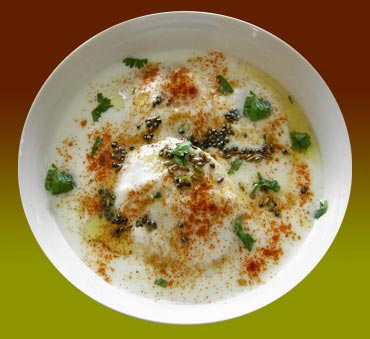
    Dahi Idli ( Steamed Rice Cakes in Yogurt)

    19summer-diet2

    Ingredients – 220g parboiled rice, 100g split black gram, 500g natural low-fat yogurt ( whisked), 2 tbsp green chutney, 2 tbsp tamarind chutney, ¼ tsp red chilli powder, ¼ tsp ground cumin, 2 tbsp chopped fresh coriander leaves

    Method – Wash the rice and then soak in 600ml fresh water for at least 2 to 3 hours. Wash the dal and then soak in 400 ml water for a similar period of time. Drain the rice and grind to a slightly coarse texture. Mix in as much water as required to make a batter of dropping consistency. Drain and grind the dal, then mix to a smooth and spongy batter, again using as much water as required. Mix both the batters together and pour into a large vessel with a lid. Close the lid tightly and then leave the batter to rest, and ferment, in a warm place overnight. The following day, heat sufficient water in a steamer. Place a muslin cloth on the idli stand. Pour a spoonful of the fermented batter into each dent. Place the idli stand in the steamer and cook for 8 to 10 minutes, or until the idlis are done. Place the idlis in a serving bowl and drizzle over the yogurt and chutneys, followed by the chilli powder and ground cumin. Garnish with the chopped coriander leaves and serve.


    DINNER is the last meal of your day. Try having your dinner at least 3 to 4 hours before you sleep. If convenient, walk a little after your dinner. This helps in giving your body the time to digest the meal and use up the calories from the food before your metabolism rate lowers for the rest of the night.


    Prawn Rice

    Ingredients – 190g brown rice, 10 medium prawns ( shelled and deveined), 1 tsp lemon juice, 1 tsp salt, 30g fresh coriander leaves (chopped), 2 tbsp grated fresh coconut, 3 green chillies (chopped), 2.5 cm piece root ginger (finely chopped), 4 garlic cloves (finely chopped), 12 to 15 fresh mint leaves, ¾ tbsp olive oil, 1cm piece cinnamon stick, 3 black cardamom pods (split), 1 star anise, 3 cloves, 1 tsp cumin seeds, 1 large onion (chopped), 1 ½ tsp low-fat coconut milk

    Method – Soak the brown rice in 500 ml water for 2 hours. Drain and set aside. Marinate the prawns in the lemon juice and salt. Set aside 1 tbsp each of the coriander and grated fresh coconut for the garnish. Grind the remaining coriander and coconut with the green chillies, ginger, garlic and mint to a fine paste. Heat the oil in a thick-bottomed handi and add the cinnamon stick, cardamom, star anise, cloves and cumin seeds. Sauté for 1 minute. Add the chopped onions and sauté for 3 to 4 minutes, or until it turns golden brown in colour. Add the masala paste and stir-fry for a further 30 seconds. Add the soaked rice and stir gently for 1 minute. Stir in the coconut milk and 1 litre water. Bring to the boil, stirring once or twice, and then cook on a medium heat until the water has almost disappeared – about 30 to 35 minutes. Add the prawns, reduce the heat and cook, covered, until the rice is tender. Remove the pan from the heat and served garnished with the reserved coriander leaves and grated coconut.


    HAVING DIABETES DOES NOT MEAN YOU CANNOT HAVE SWEETS. Small amount mixed with a balanced diet is fine.

    You can try making this healthy yummy pudding whenever you are craving for some sweet meats.


    Pineapple Yogurt Fool

    1386678376_pineapple yogurt fool

    Ingredients – ½ medium pineapple (cut into small pieces), 2.5cm stick cinnamon, 135g hung natural low-fat yogurt

    Method – Place the pineapple and cinnamon in a non-stick pan and stew over a low heat for 30 minutes. Set aside to cool. Remove the pineapple pieces from the pan and mix them with the yogurt. Blend together in a mixer. Chill in the fridge. Serve chilled.


    Recipe Courtesy – sanjeevkapoor.com

    Image Courtesy – lchdhealthcare.org, rediff.com, 4remedy.com

  • Paneer: The Indian Cheese

    Paneer: The Indian Cheese

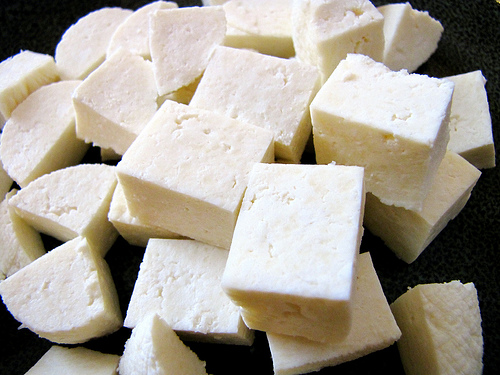
    Paneer or Indian cheese is nothing but curd cheese which is a resultant of curdling milk with vinegar, lime juice or any other types of food acids. For hundreds of years man is being using milk and other types of milk products as a part of his meal as well as drinks. Used by our forefathers, these dishes have travelled through time only to have been used in newer and better ways which are beneficial for us. Cheese is something which is known all around the world and over the years has evolved into so many forms that today when we say cheese we need to specify which type of cheese. Some of the famous types are mozzarella, stilton, Gouda and ricotta and the types go on. We also have a form named cottage cheese which is a famous form found is South Asian dishes. Cottage cheese is known to be a rich source of calcium and protein and so mostly finds its place in the menu of every royal household and a health conscious person because of its nutritional benefits.

    Paneer

    The history of cheese consumption goes back to more the thousands of years where many believed that the discovery of cheese was by accident. It was during a journey in which an Arabian traveler placed milk in a container made from sheep’s stomach. After some time when he saw the container, he was surprised to see that the milk had converted into cheese. In those ages, people thought of it as magic or a miracle of nature however science says that it was probably the result of the combination of the heat generated by the sun and rennin which is an enzyme found in the body of the animal. Since then there was no looking back as cheese found its popularity in many cultures and cuisines around the world. It was believed that the Romans had separate rooms for the preparation of cheese and was used only in special occasions like marriages and other political meetings. Around the middle ages many centers opened up wherein the skill of cheese making had reached its threshold like Limburger, which is famous and producing best quality cheese till date. In the 19th century various technological advancements were introduced which allowed for large scale production of cheese.

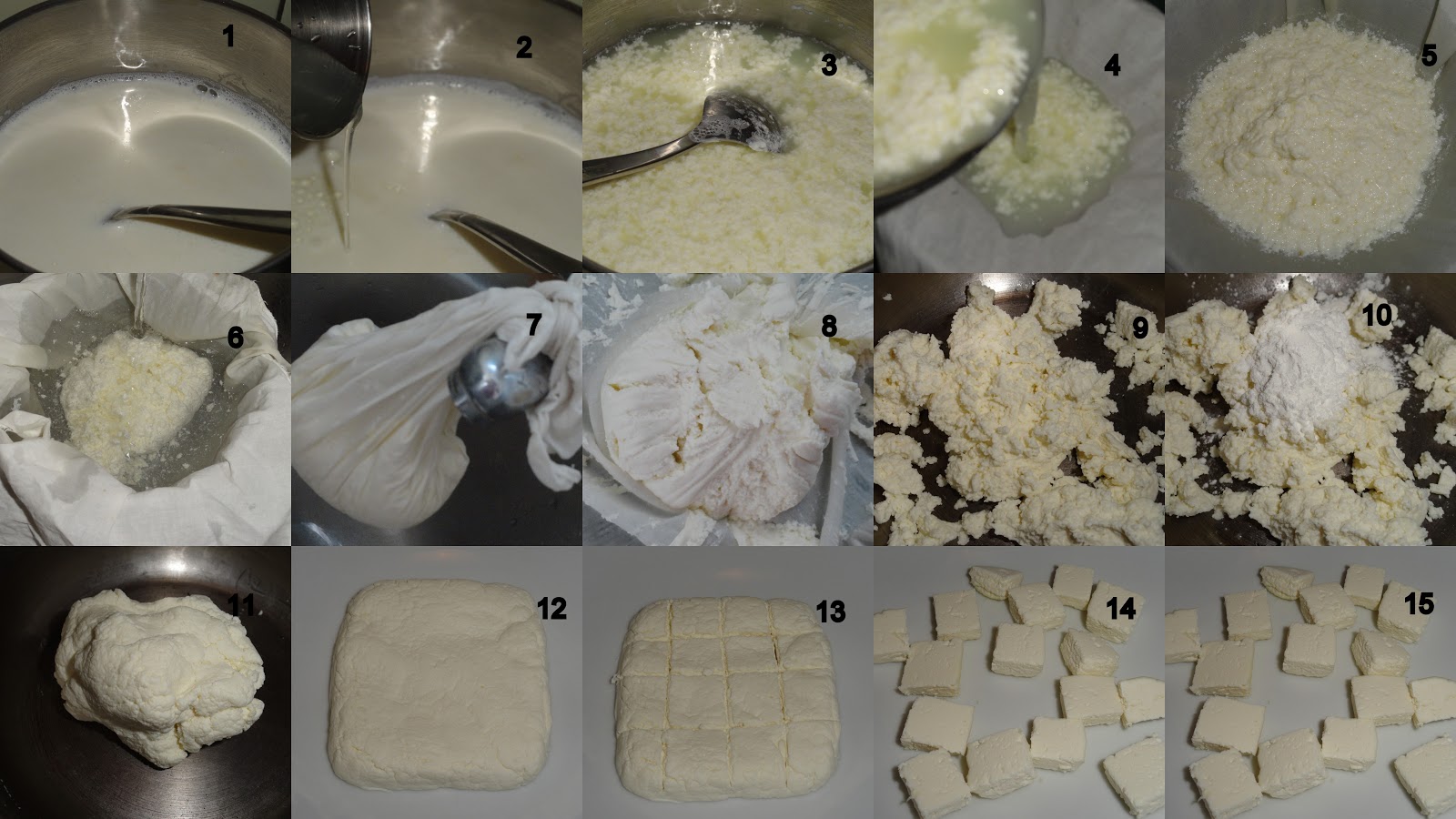
    Paneer cubes preparation


    The preparation of cheese is quiet simple. You just need:-


    Milk – 8 cups

    Lime juice – ¼ cup

    The method of preparation is as follows…


    • Bring the milk to a boil in a container
    • While stirring the milk slowly add the lime juice and continue stirring
    • After a period of 10 to 15 seconds the milk will start to separate from the whey
    • This process of separation when the whey turns to a light greenish colour
    • As soon as this happens off the gas and keep the container to cool
    • Line a colander with thin cotton cheese and place it over a bowl
    • Pour the contents in the container into the colander
    • Then take the two ends of the cloth and tie them together lifting the cloth out of colander
    • Use a large spoon, across the top of the bowl and hang the cloth with the cheese from the spoon handle in such a way that the paneer bundle should be hanging inside the bowl. Salt can be added during this process to the paneer.
    • Remove the bundle from the bowl after almost 30 minutes and then open it by opening the knot and then fold the cloth across the paneer
    • Place a heavy weight on top of the paneer and then Open the cloth after 30 mins and there you have the final product fresh and ready to be used.

    In many cases instead of the lime juice, vinegar is used to separate the milk and the whey. The whey can be used for other purposes as well such as stock for curries and soups.


    palak-paneer-500x500


    Consumption of cottage cheese has a lot of benefits among which are many health benefits as well. Cottage cheese is believed to be helpful in maintaining a good dental health as it is a rich source of calcium and vitamin D which help in making the teeth strong and also helps in prevention of cavities and breaking down of tooth enamel. Since the lactose content is also low, it also prevents against harmful sugars. The calcium available in cheese is also help in growth and development of bones. Osteoporosis is a disease which is related to a fall is bone mass or density which makes a person prone to bone breakage and fracture. Consumption of paneer can help in reduction of this disease because of the huge protein, calcium and vitamins content in the product. Vitamin B helps in strengthening of cartilage and is mainly prescribed for growing children and pregnant women. We mostly talk about obesity and find fat people who wish to be thin and slim, however there are people who are so weak and slim and wish to gain weight and how much ever they try, they don’t see that extra kilo adding up. For such people consumption of this dairy product is recommended. Cottage cheese or paneer is also known to improve blood formation and makes the liver strong and is a effective instrument in curing cancer to some extent.

    sidedish

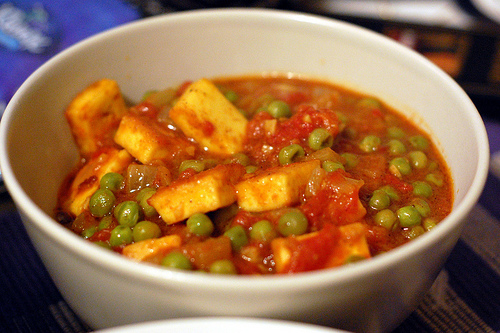
    Some of the famous food items related to paneer can be shahi paneer, palak paneer and khoya paneer and surprisingly it is also used in making sweets such as rasgulla. So give it a try if you have not before and I’m sure you’ll enjoy every bit of it.

  • Cuisine of the Kings: Mughlai Food

    Cuisine of the Kings: Mughlai Food

    Mughlai food refers to the food which was prepared in the kitchen of the royals of the Mughal Empire. The cuisine is influenced by the Persian cuisine and in turn has affected the cooking styles all over India but especially seen clearly in regions like Punjab and Kashmir. Mughlai food belongs to the South Asian cuisine, where we find extreme variation in the taste and flavor from extreme spicy to extreme light. These varieties of dishes in the main course meal are also accompanied with various kinds of side dishes and the entire meal ends with mouthwatering deserts.
    biryani

    The rich preparation of Mughlai food consisting of various flavored sauces and masalas along with butter based curries is so tempting that food lovers die for more food. Even the names are so special that it enlightens people to try out different dishes. In the old times the kings used to dine with their queens and concubines, except on special occasions like festivals where the king dined with the nobles and the courtiers. The hakim or the royal physician used to overlook the preparation of various dishes to ensure that the royal family consumed food of the highest quality and also planned the menu for the day. Once the menu was decided, the preparation took a lot of time because a lot of dishes were presented in each meal along with sides’ dishes and desserts. The royal kitchen can be pictured as like a market place with a swarm of workers and cooks working hard to prepare the royal meals. The workers also included people who were responsible for bring vegetables and spices and others who were assigned for washing of utensils and other serving materials. The workforce included both men and women and we find that was a systematic division of labour. Historians claim that the water that was used for cooking was actually rainwater mixed with water bought from the Ganges, thus resulting in such tasty dishes. It was also found that the rice was covered by silver oil which aided digestion. Moreover the food given to cattle such as goat, chicken etc were also of high quality so that the medical properties could travel to the eater.

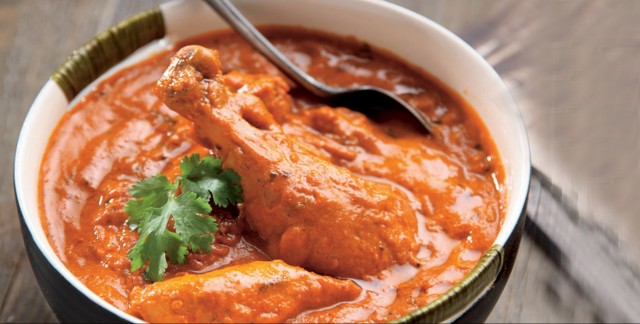
    chicken curry

    As the emperors changed, they bought in changes in the menu and style of cooking, influenced by Iranian, Afghani and Persian styles with a touch of Deccan. Each emperor had his favourite dish as well. Babur was a great fan of the various fish dishes which were prepared other than that he preferred the dishes available back home in Samarkand. Akbar was a vegetarian by taste only for three times a week and was known to have his own kitchen garden which he watered with rosewater so that the produce smelt good when cooked. During the reign of Shah Jahan, after he shifted his capital from Agra, he was informed that the water in the city was making his subjects sick and so he ordered that more of Haldi which is turmeric powder along with red chilies, cumin and coriander be used in the cooking process because of its medical properties, and the king was credited for adding new spices to the cuisine. Aurangzeb was considered to be a vegetarian for most of the time of his life however it was only later that it was found through a series of letters which he wrote to his son which spoke about his intense love for Qubooli which was a mega biryani rice with Bengal gram, died apricot, curd, basil and almond. The Mughal rulers were very particular about the food they ate and writings indicate various changes and additions they would with them, moreover it also talks about how the kitchen moved with the king when he had to go for wars.

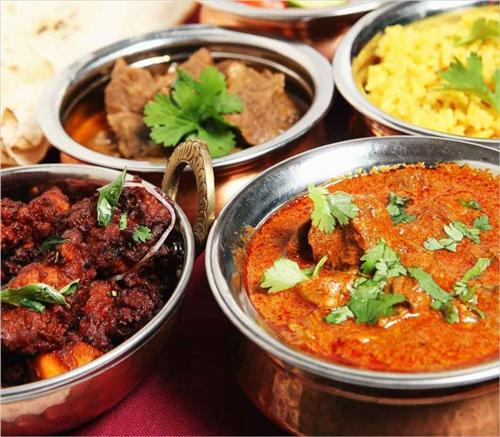
    mughlai


    In the 16th century the Mughal had invaded India thereby bringing power, majesty and prosperity in the land. They also bought in exotic spices, fruits and nuts to India giving us or teaching us new techniques in cooking which are followed till today. Among various Mughlai foods, biryanies, pulao and kormas are highly delicious and really loved by many. They basically reflect the Muslim style of cooking which has a lasting effect on the consumers. This type of cuisine is famous not only in our country but can also be seen in the foreign countries like the U.S.A and U.K where we find a huge fan club for this form of Indian cuisine, however back home it is prepared on a very large scale in Delhi, the capital of India. The common ingredients which are used in the preparation of this cuisine are cream and milk. Although there are many in the list but these two items find themselves in very Mughlai dish.

    Some of the popular dishes of Mughlai cuisine can be…

    • Aloo ka raita which is basically a mixture of curd with potatoes which are boiled and then chopped with various spices like salt and pepper.
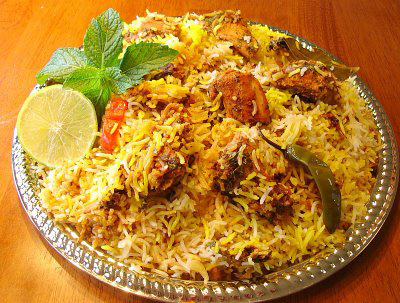
    • Chicken biryani which a fried rice containing pieces of chicken and flavoured with various spices.
    • Chicken tikka and champ masalas where the former is a boneless chicken marinated with lime, curry powder, tomato paste, curd, finely chopped garlic cloves, paprika and baked in the oven while the latter is just a curry of lamb chops.
    • Other famous Mughlai dishes are palak panner where paneer is Indian cheese, naan, tandori chicken and kebabs etc.
    • Among the famous deserts we have the gulab jamun, kulfi, barfi and the shahi tukra which is nothing but a rice based bread pudding with cardamom and made rich with dry fruits which also stands as a personal favourite of many Indian till date.


    A must try cuisine which will make you want more and will force you to lick your fingers after you finish your meal.


  • Let’s Taste Assam

    Let’s Taste Assam

    There is one thing that strikes me every single time I come home to Assam: Assamese food, though little-known to people outside the valley, is more unique and distinct than given credit for. Assamese cuisine is a confluence of cooking habits of the hill folk that privilege fermentation and drying as forms of food preservation,and those from the plains that include the use of fresh vegetables and fish, found abundantly in its many rivers and ponds – both of which are centered on the main ingredient: rice. It is characterized by very minimal use of oil, little cooking over fire, and strong flavours due mainly to the use of endemic exotic fruits and vegetables that are fresh, dried, or fermented. Fish are popular, as are birds like chicken, duck, and squab. Preparations are rarely elaborate – the practice of Bhuna (the gentle frying of spices before the addition of the main ingredient) so common in North Indian cooking, is all but absent in the Assamese kitchen. There is a popular tendency to club Assamese cuisine together with Bengali cuisine, due to the prominence of rice and fish in both. However, if you consider the methods of preparation, as well as the other ingredients used, the differences are not easily missed.

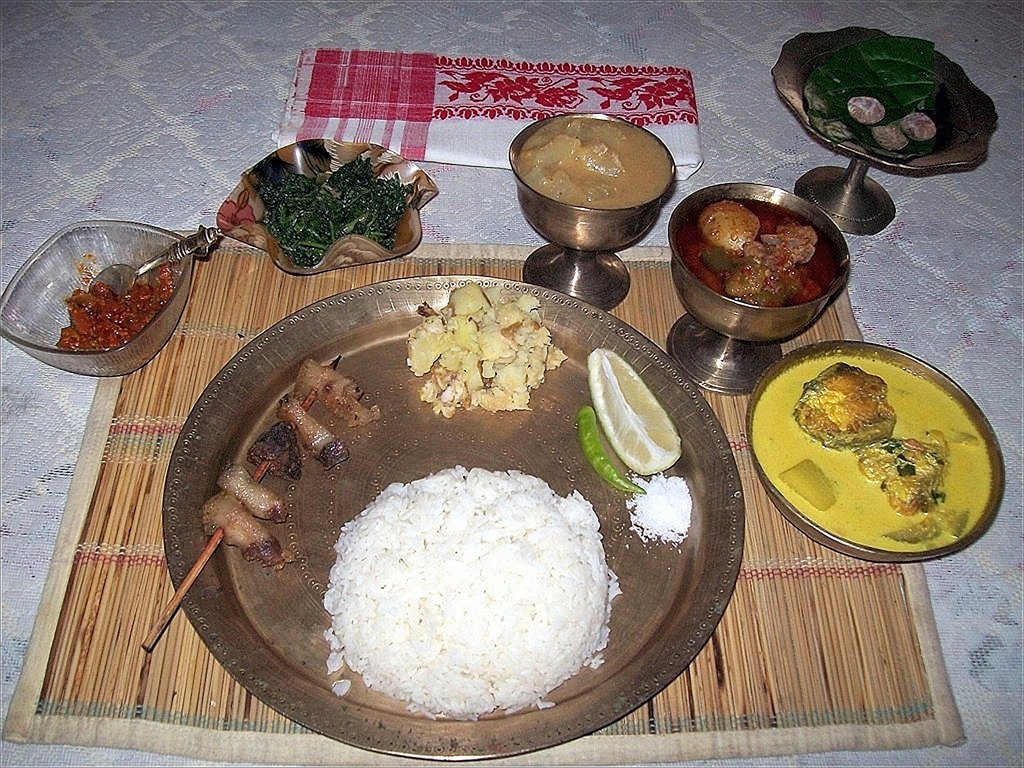
    Assamese Thali

    Ingredients:

    • Rice

    As a staple, rice is eaten either steam boiled (ukhua) or sundried (aaroi). As a snack, it is roasted and ground (xandoh), boiled in its husk and flattened (chira), or puffed (akhoi). Rice is an indispensable part of all Assamese meals. A traditional breakfast consists of chira mixed with yogurt and jaggery. For other major meals, rice could be boiled, steamed or wrapped in leaves and roasted. A special class of rice preparations, called pithas, is generally made only on special occasions like Bihu. Usually made with soaked and ground glutinous rice, they could be fried in oil with a sesame filling (xutuli pitha), roasted in tender green bamboo over a slow fire (sunga pitha), or baked and rolled over a hot plate with a filling (kholasapori pitha).

    • Fish

    Fish, big and small, harvested from the many rivers, ponds, and lakes in the region, form an integral part of the Assamese diet. The most popular dish is, undoubtably, the tenga (fish sour). Another favorite is small fish roasted wrapped in banana leaves – patotdiaHukuti is a special fish dish prepared from dried small fish (puthi maas) pounded with arum stem and dried and stored in bamboo tubes, and roasted with lavish amounts of green chilli, tomato, ginger, and garlic; the ingredients are then pounded in a mortar to make a coarse paste and served with rice. Fish cooked with fermented bamboo shoot is also popular, as is fish is fried in mustard oil, or curried with bottle gourd or spinach.

    • Meat

    The Assamese enjoy a wide variety of meat – duck, chicken, squab, mutton, venison, turtle; although in recent times, the consumption of venison and turtle meat has been declared illegal. Assamese meat preparations are characterised by the sparing use of oil, and higher quantities of ginger, curry leaves, and lemon juice. Boiling is the basic method of cooking.

    • Greens and vegetables

    Green leafy vegetables, called xaak, are an important part of the cuisine. There is indeed a bewildering variety – both domesticated and wild – that is eaten by the people of the region. In fact, according to custom, one has to have a hundred different kinds of xaak during the Rongali Bihu celebrations.

    • Spices

    Among spices, ginger, garlic, onion, cumin seed, black cumin, black pepper, chilli, turmeric, coriander seed, cinnamon, cardamom, clove, fenugreek seed, white mustard seed, aniseed, and Malabar leaf find wide usage.


    Traditional Preparations:

    • Khar

    Khar

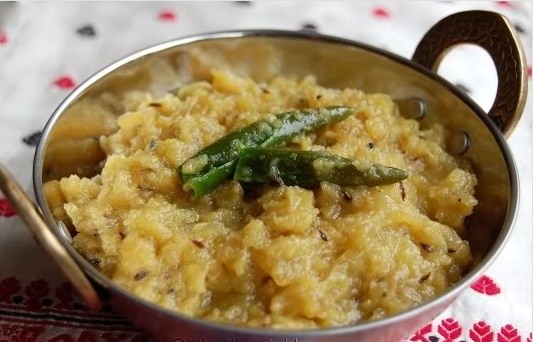
    When you think of a typical Assamese meal, you invariable think of khar. Khar is a class of preparations named after the key ingredient, which is made by filtering water through the ashes of a banana tree. Popular khar dishes are made of raw papaya or pulses as the other main ingredient.

    • Tenga

    Tenga

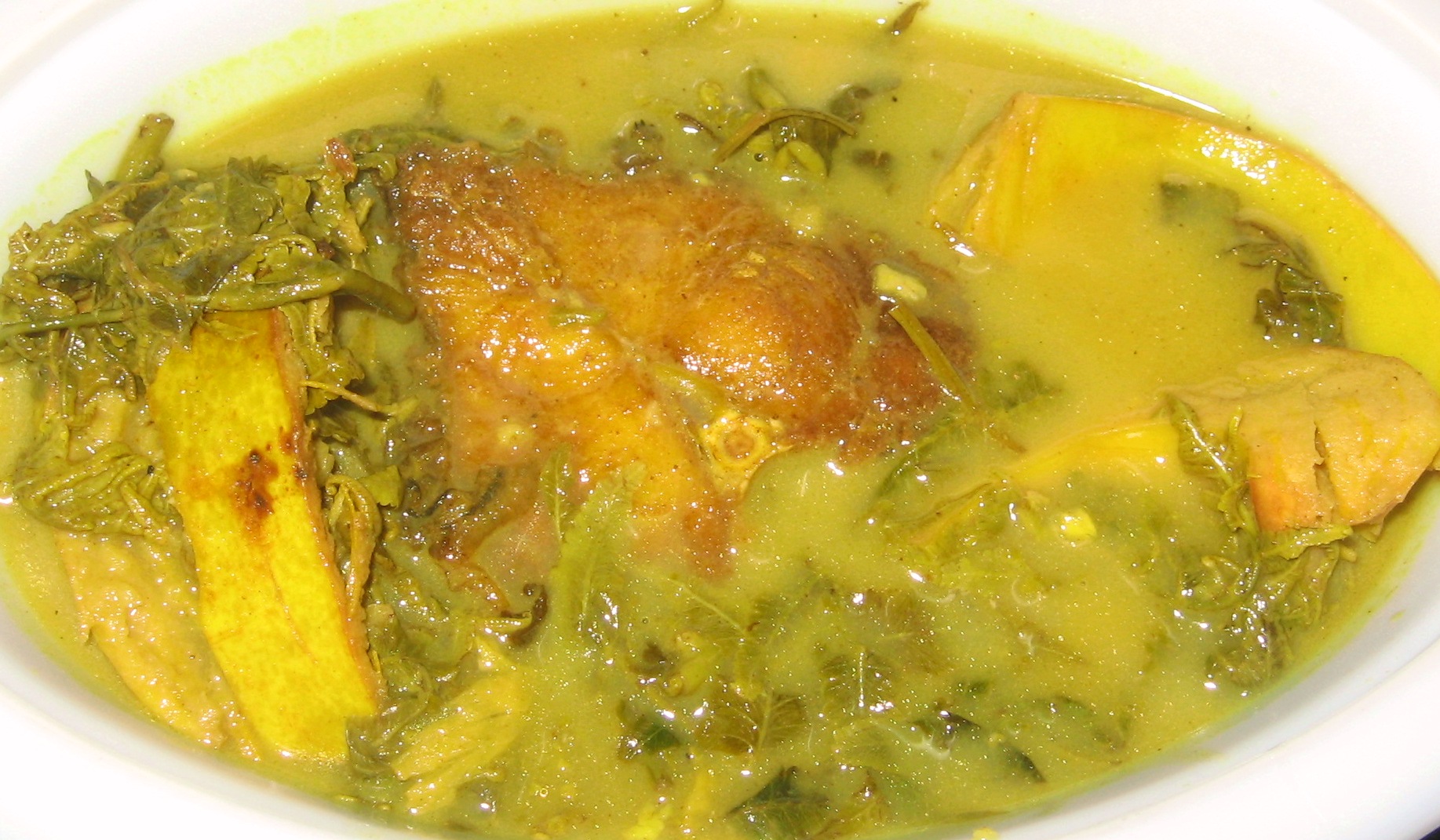
    The tenga is a light and sour fish preparation. The souring ingredient could be tomato, mangosteen, or lemon. Another tenga dish is prepared with matimah (urad bean) and outenga (elephant apple). However, mixing of tenga and khar is not recommended, the former being acidic and the latter alkaline.

    • Pura

    Pura

    This is the Assamese version of smoked or barbecued dishes. Different types of meat and fish are often served in this form.

    • Pitika

    Aloo Pitika

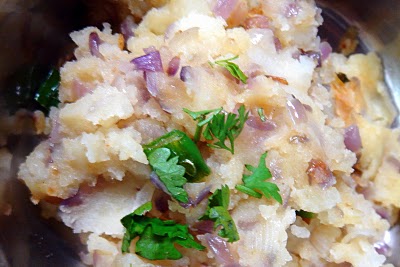
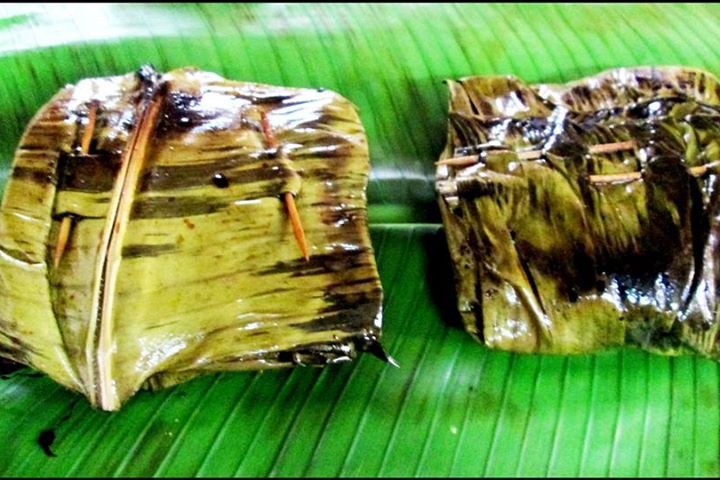
    Side dishes called pitika (mashes) is a signature characteristic of Assamese cuisine. Perhaps, the most popular is aloo pitika (mashed potatoes), garnished with raw onions, mustard oil, green chilli, and sometimes, boiled eggs. Khorisa tenga is mashed fermented bamboo shoot, pickled in mustard oil and spices. Fermented mashed mustard seed is eaten in the form of kharoli (when a khar is added) or kahudi (when an acidic agent, such as lemon juice or dried mangosteen, is added). Pitikas are also made from roasted or steamed vegetables, primarily tomato and eggplant. Small fishes are roasted, separately wrapped in banana leaves, and mashed into pitika along with mustard oil, salt, chilli, etc – a preparation traditionally called patotdia.

    Patotdia

    We talk of “Indian cuisine” as if it were a homogenous category. Of course some ingredients and methods of preparation find favour in recipes across regions, but the distinctive elements stand out far too prominently for a one-size-fits-all definition. For instance, four years of eating North Indian food in Delhi and I still miss the flavours back home! It’s true: you are what you eat.

  • Junk Food – In and Out

    Junk Food – In and Out

    junk collective


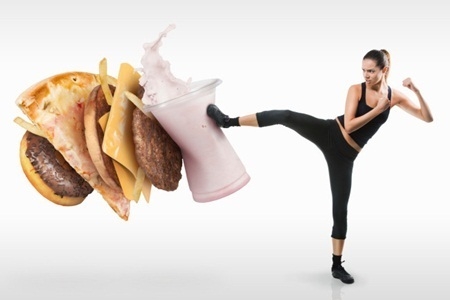
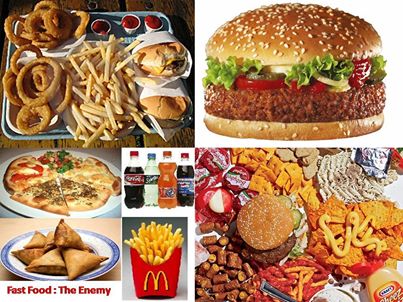
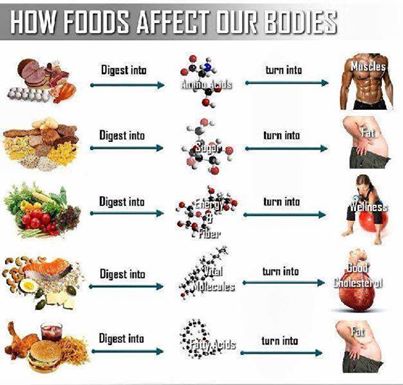
    Junk food is a term we are all familiar with and is associated with food items I bet taste well but is not considered healthy. It is believed that the term junk food was first used by a person named Michael Jacobson who was the director of the Center for Science in Public Interest. Under the heading of junk food come a lot of different types of food items namely snack foods, candy, burgers, fried fast foods and carbonated beverages. Many foods such as pizzas or tacos may or may not be termed as junk, depending upon the way they are prepared. The surprising factor here is that even though these food items are termed junk, inspite of that the demand for these things is huge and as a result they are now available 24*7 all around the world with very country putting its own twist in the taste and adding new items in the list every day. Therefore it is not wrong to say that junk food has now gone global.

    junk info

    Now that we know the fact that some food items give us more satisfaction and joy than the others, then why to term them as junk??

     A recent study done on the effects of  junk food on health reveals that because such foods have low satiation value, people don’t feel full when they consume them and so end up overheating which adds to the problem of obesity. Secondly because the taste is so mouth watering people usually tend to substitute them with other nutritious food which might be good for health but not satisfying to the taste buds, like preferring for chips or cookies rather than fruits and vegetables. Thirdly, the contribution to calories from these snack foods between the period of 1977 to 1996, increased by about 30% among children who were aged between 2 and 5 years.

    junk kid

    According to Women and Children Health Network, the type of food that children consume effects their growth and development and eating junk food from a small age will affect their energy levels and the ability to concentrate for long period of time. As we all know the importance of physical activities in the life of a student, wrong eating habits depletes the body’s energy levels thus making them lazy, less focused and not interested in sports or other physical activities and even if they are encouraged to play, they feel tired and sick very quick because of low stamina in their bodies. Moreover experts blame junk food for the high level of chronic illness like high blood pressure, diabetes and stroke seen in children today. According to the Center for Food Safety, a survey done on 2012 reveals that obese children where likely to develop cholesterol and become prone to various heart diseases at a very young age and if necessary changes were not taken into account then it would result in premature deaths, this findings were later confirmed by the Women and Children Health Network. Finally imagine a child who is more plum than other children of his age and because of this huge body mass finds it difficult to perform tasks which other children do very easily and therefore is mostly teased and ill treated by his classmates and also many of the elders. This child grows up with low self esteem and low self confidence which leads to problems like depression as he grow older. According to the journal namely, The American Family Physician, depression is very dangerous for children and has negative effects on growth and development of the child which can lead to a fall in performance and in many cases can also lead to suicides.

    fit away from junk

    With the world coming together to fight against smoking and tobacco consumption, a United Nation Official claimed that junk food is as dangerous and said that it’s as bad as tobacco or smoking is for the global health. He also said that its time that we create a framework convention on adequate and quality diets. He stated that inspite the fact that the World Health Organization implemented its global strategy on diet physical activity and health, still obesity continues to prevail along with diabetes, heart disease and other health issues among the general public. With various measures being decided such as taxation on unhealthy foods, regulation on fats and sugar food items and reduction of advertisements that promote junk food, the after effects would reveal how much of these measures were successful.

    The government has decided a lot of measures to help improve the health of the nation, however the success of which depends on us changing our attitude and eating habits. According to experts there are many DO-IT YOURSELF steps or measures through which we can help ourselves and the government to help in its task of a healthy nation. These methods are simple and if performed with some determination can surely help a junk addict to convert to healthy eating. The first step to do in the list is to get rid of all the junk food items in your environment like home, office and even your car. Secondly while cooking, make sure you cook healthy foods and concentrate on using nutritious ingredients such as fruits and vegetables and whole grains etc. there are various recipes and online video which tell step by step procedure for preparing food. Save recipes of favourite dishes you come across and pass it on to your friends and family. The leftovers can then be packaged in airtight containers for later consumption. And lastly, avoid eating from out as much as possible. It’s not that you completely let go of dining outside. Many a times occasions arise when you have to spent time with your family and friends outside and during such situations eating outside is the only option. So what you can do at such times is to order food which seems to be the healthiest.

    If you actually love yourself, you’ll love your body as well and would make sure that you take proper care of it. Knowing how to shift from plump to fit is not the final step, there are many out there who might need your help so take a step forward to help the people around you as well.

    Georgie Rajan


  • Baking for the Vegan

    Baking for the Vegan

    The day you went vegan, you probably made the most responsible choice you’ll ever make. Not only did you refuse to partake in the unethical treatment of animals, but you also took a step towards a healthier heart and away from obesity, diabetes, and various types of cancers. And the bonus? You get to smirk every time your meat-eating friends express awe at your choice. Because there is one secret all vegans know: veganism isn’t as difficult as it is made out to be. Today, a range of mock-meat and faux-poultry products are available in the market, implicating that compromise on taste is rarely an issue.

    But what about those of you who love to bake? Does going vegan mean foregoing your passion? Or is your love for baking your apology for not going vegan despite wanting to? After all, eggs and dairy products are a baker’s indispensable ingredients, eh? Think again. Vegan baking is not only possible, but is also easy and effective. All you need to do is substitute a few key ingredients. Here’s how you can get started.


    Eggs

    Why give up eggs, you ask? The poultry industry is downright abusive. And unless your eggs come from your own chicken bred in your own strictly-for-private-use, non-abusive farm, you are contributing to the abuse. You may want to know these quick facts:

    • Hens are kept cooped up in tiny, restrictive cells at high temperatures meant to alter their egg-producing cycles such that they produce eggs with unnatural frequency. Most do not get to so much as move a wing during their entire lifetime. In some cases, their beaks are chopped off, often without the use of anesthetics, so that they do not peck at their peer in the next cell.
    • Millions of day-old male chicks are killed (usually in a high-speed grinder) every year because they are useless to the egg industry.

    How to go about eggless-baking? It’s simpler than you anticipate. First, you need to determine why you need eggs in your recipe: Is it for leavening (to make the end product fluffy and light, like cakes)? Or is it for binding (to make the end product dense and thick, like cookies)? Then, replace each egg in your recipe with whichever of the following best suits you.

    For leavening:

    Vegan cake

    • 2 tsp. baking soda mixed with 2 tbsp. warm water and ½ tsp. oil
    • 1 tsp. baking powder mixed with 1 tsp. vinegar
    • 1 tsp. baker’s yeast dissolved in ¼  cup warm water
    • 1 tbsp. ground flaxseeds mixed with 3 tbsp. water

    For binding:

    Vegan cookies

    • Ener G Egg Replacer
    • 2 tbsp. corstarch mixed with 2 tbsp. water
    • 2 tbsp. potato starch mixed with 2 tbsp. water
    • 2 tbsp. instant mashed potatoes

    For custards and quiches, replace each egg with ¼ cup pureed soft tofu.

    If you need to replace just the egg white, try using 1 tbsp. plain agar powder dissolved in 1 Tbsp. water, whipped, chilled, and whipped again, for each egg white.

    In a rush? A can of diet soda can be used to replace 2 eggs in many cake recipes. It won’t add any calories either!

    Dairy Products

    The dairy industry is no more forgiving than the poultry industry. Here’s why:

    • Cows produce milk for the same reason as humans and other mammals do — to nourish their young. But mother cows in the dairy industry have their babies taken away from them shortly after birth, so as to conserve the milk.
    • A cow’s natural lifespan is about 15 years, but cows used by the dairy industry live for a mere four to five years, as a result of abusive confinement and unnatural stimulation to produce milk in greater quantities. Most are slaughtered once they are no longer capable of producing milk in the huge quantities expected.

    If it is buttermilk you need to replace in your recipe, combine 1 cup unsweetened soy milk and 2 tbsp. lemon juice or vinegar in a bowl, whisk until well blended and creamy, and use in place of 1 cup of buttermilk.

    To replace cow’s milk in your recipe, use equal amounts of any of the following:

    • Soy milk (better for rich desserts)
    • Coconut milk (better for rich desserts)
    • Almond milk
    • Rice milk

    Be sure to use the unsweetened varieties for baking. Otherwise, your finished product may end up slightly sweeter than anticipated.

    To replace butter in your recipe, simply use same amounts of vegan margarine. For baking, use full-fat vegan margarine rather than the lighter varieties. You could try any of the following:

    • Coconut oil
    • Earth Balance Buttery Spread
    • Earth Balance Vegan Buttery Sticks
    • Smart Balance Light Original Buttery Spread with Flax

    Miss the condensed milk? Here’s how you make a smart replacer:

    You will need:

    • 2 1/2 cups soy milk
    • 6 Tbsp. vegan margarine

    Here’s what you do:

    • Boil the soy milk in a pan.
    • In a separate pan, melt the vegan margarine; add sugar.
    • When the sugar begins to melt, add the hot soy milk and a dash of salt to the margarine.
    • Boil gently and stir for approximately 5 minutes.

     (Makes 14 oz.)

    Vegan cheesecake

    I understand that vegan baking make take a wee bit more effort than the egg and dairy based baking you may be used to, but the very fact that you are doing your bit to give back to Mother Nature should keep you going. Kudos!

  • Beating The Heat With Juicy Retreat

    Beating The Heat With Juicy Retreat

    Think about sitting at a beach on a hot summer day with an ice-cold beer !! Wonderful, isn’t it? Well, it aches my heart to tell you that this is not a common scenario in tropical countries like India. The sole reason for this is that the summer season here, makes it very difficult for us to beat the scorching heat. And to provide an icing on this cake, we have the super-spicy, oily, and heavy food, which is the signature feature of Indian cuisine, to make us feel even more miserable. This food takes its toll on our appetite, as a result of which we become poor on the ‘health’ front, owing to the indigestion, dehydration and abnormal levels of blood pressure in addition to the skin ailments. Due to this, we try and avoid the consumption of this ‘masale – daar’ food, as many people would like to put it.

    In this heat, we aim towards juicy, cool, and refreshing food stuff that are low on calories. Well, for this, the best deal in India is having – fruits. Yes, there’s nothing better than having an ample amount of fruits that are exclusively available in summers , A.K.A. “summer fruits “.

    These fruits not only satisfy our sweet tooth, but also hydrate our bodies. They keep us active and energized all day, and most of all, help us beat the summertime sadness.

    There’s no need to worry about what are the ‘right’ fruits to target this summer. Just aim for the juicy and refreshing ones, and your job is done. Here are some of the ‘must-have’ ones this summer:


    watermelon

    Watermelon

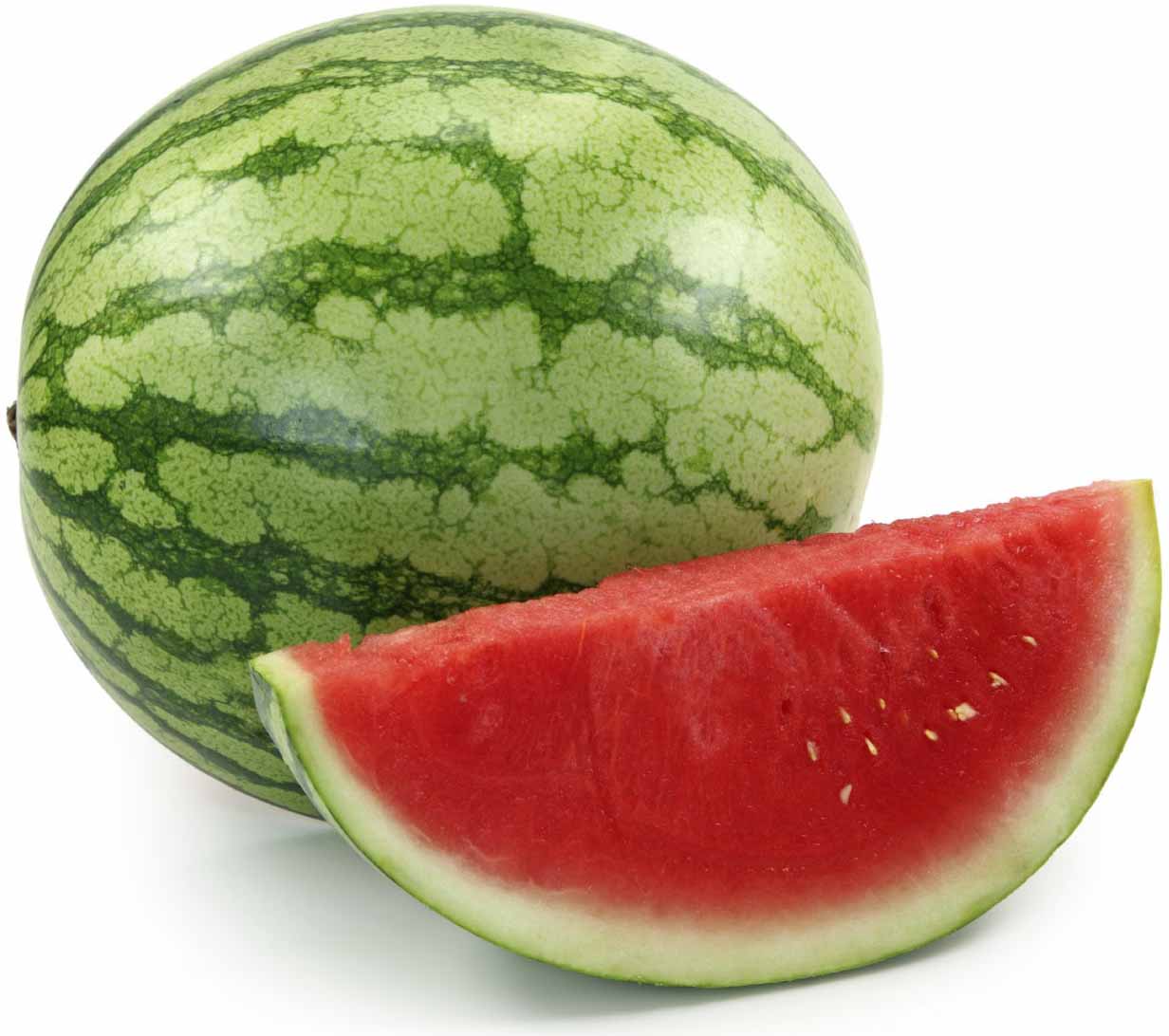
    Summers and watermelons..they are just made for each other. Watermelon is an excellent fruit to quench our thirst and to replenish the lost fluids of our body, in addition to keeping us cool and satiated. Watermelons have Vitamin C and beta-carotene, which also protect our skin from sun damage. So, watermelon should never be missing from our lives during the hot summer days.


    Mango

    Mango

    How can I not mention the king of fruits here..!! India is a home to 52 varieties of mangoes and ignoring mangoes in summers, is quite impossible here. Enriched with Vitamin A and C , they help to prevent cancer and if present in the forms like smoothies, yogurt, or salads, add a tropical kick to the summer heat.


    berries


    Berries

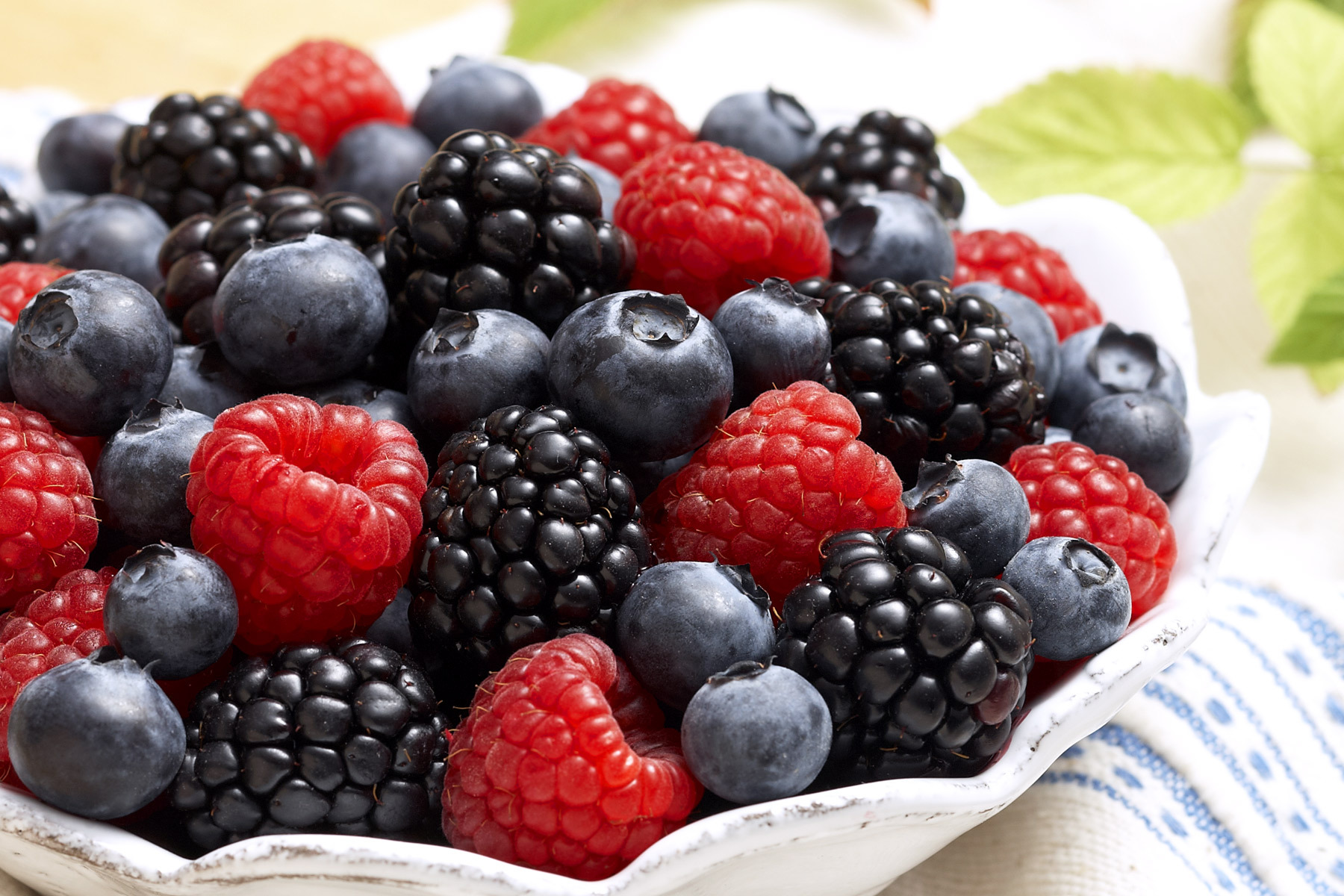
    These little gems are packed with anti-oxidants and flavonoids which improve our skin’s appearance, structure and texture. Blackberries, blueberries and strawberries, are some of the most famous ones that boost our immunity and have a healing effect on urinary tract infections.


    papaya

    Papaya

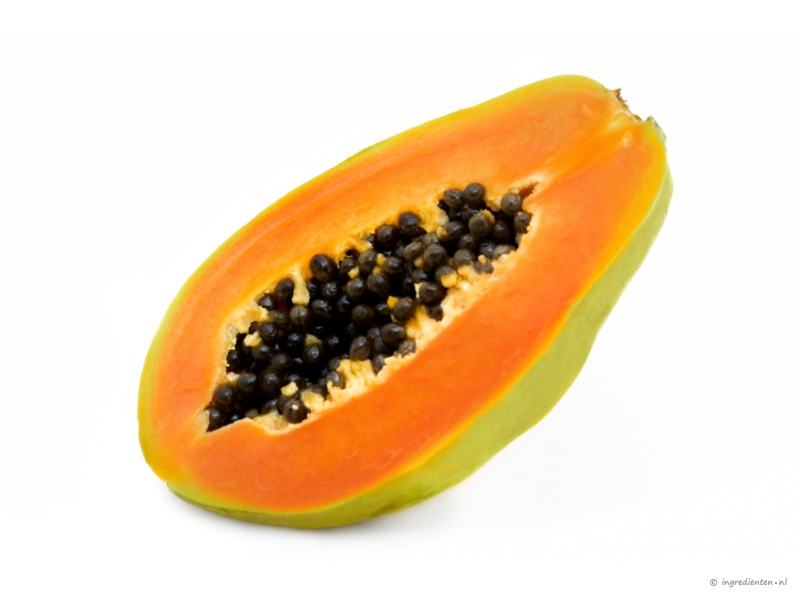
    In addition to being a natural exfoliating agent for a healthy, glowing skin, papaya is a boon for digestive problems. It cures indigestion and reduces inflammation in the internal body parts, as it is enriched with Vitamin A and C and beta-carotene.


    Orange

    Oranges

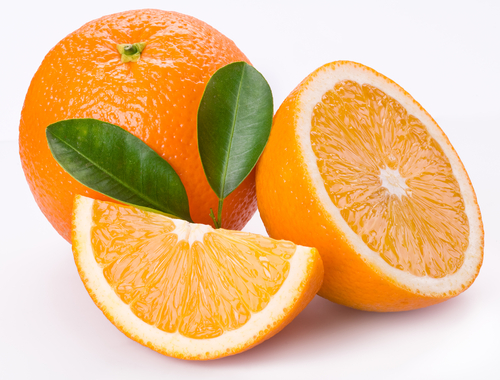
    Nothing is more rejuvenating than the fresh smell of citrus fruits. Oranges have 80 percent of water and keep us hydrated on the go. They are rich sources of potassium and having a glass of fresh orange juice everyday, keeps us refreshed and gives us plenty of Vitamin C to sustain ourselves throughout the day. So don’t forget to squeeze your way throughout the summers !!


    Pineapple

    Pineapple

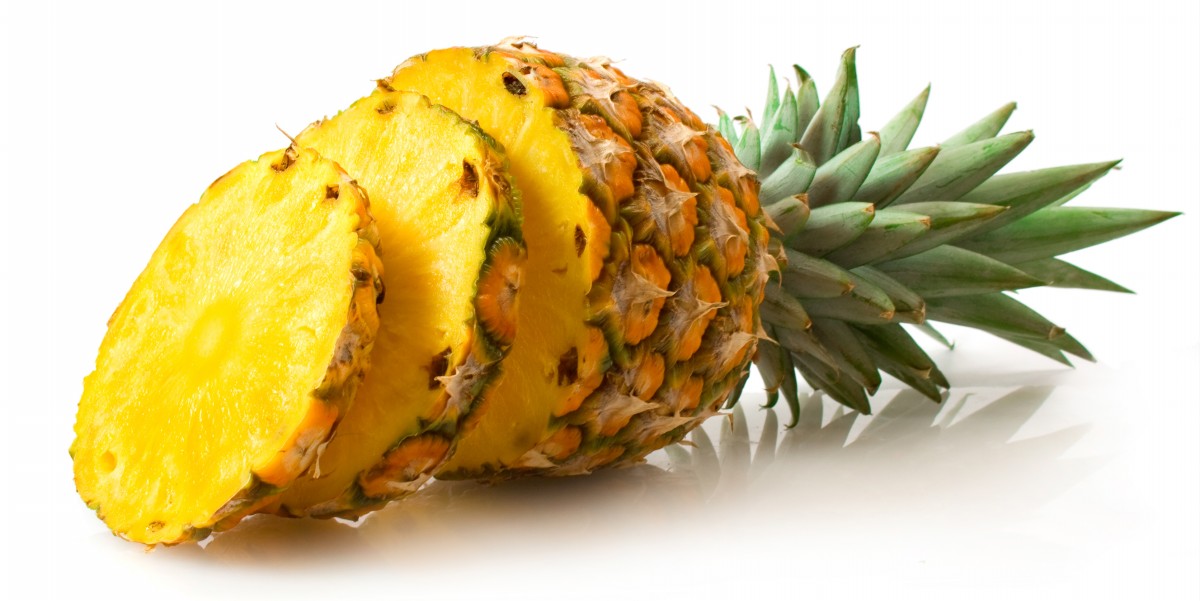
    Summers, when they come, bring with them the thoughts of tropical vacations and exotic fruits. Pineapples are one of the most apt fruits for summers as they are a blend of antioxidants, vitamins and enzymes like bromelain, which aid in digestive problems and keep our bodies cool.


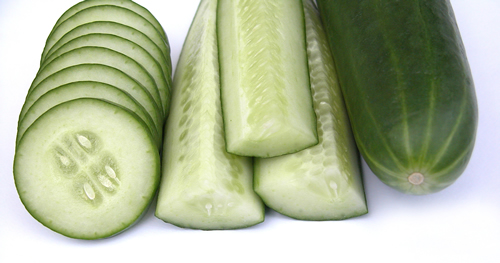
    cucumber

    Cucumber

    It is surely one of the best fruits for healthy and hydrated skin, joints and muscles and immediately boosts up our energy levels. They are loaded with the mineral silica which helps in maintaining connective tissues in a good shape. So this food should definitely be fixed in your daily food habits.


    These are some of the fruits that should definitely be included in your ‘summer-bible’ . With the advent of summers, chances of dehydration, indigestion and constipation increase manifold, if the diet we take is not right. Along with this, we should make sure we take adequate amount of fluids, in the form of lemonade, fruit juices and water. Fruits also provide us with roughage which helps in better excretion of undigested wastes.

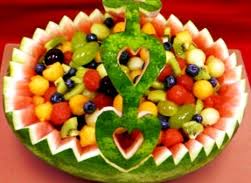
    fruit salad      Fruit_and_Cream_Cake_

    The best part about these juicy summer fruits are, that if eating raw fruits seems boring and monotonous to you, you can team them up with low fat yogurt or bring them together in a synchronized way with a tinge of lemon juice and dried mango powder (amchoor), black salt or the famous Indian ‘chat masala’  to form sumptuous and enjoyable fruit salads. They can also be blended with cream to make a delicious dessert. If you want to have something a bit heavy,  refreshing and healthy, all at the same time, then these fruits can be mixed with milk and ice to form flavored milkshakes and smoothies. Also, fruits can be used to make tarts, crumbles and pie.

    There are practically unlimited ways to take in fruits in summers, and surprisingly, almost all the options are good for health. So guys,what are you waiting for? Grab a bag of fruits to rejuvenate yourself this summer and beat the burning heat !!!