Tag: food

  • Easy Tapioca Recipes

    Easy Tapioca Recipes

    Tapioca is a starch extracted from ‘cassava’ roots. This plant is the native to the north region of Brazil but today it is cultivated worldwide. Tapioca is known for its nutritional value. It predominantly consists of carbohydrates and is low in saturated fat, protein and sodium. It has no significant essential vitamins or dietary minerals. It is also used in other purposes like tapioca roots can be used to manufacture biodegradable wastes and tapioca starch can be used to starching garments before ironing.

    So here are some easy tapioca dishes that can be tried out in homes.

    i)  TAPIOCA PUDDING
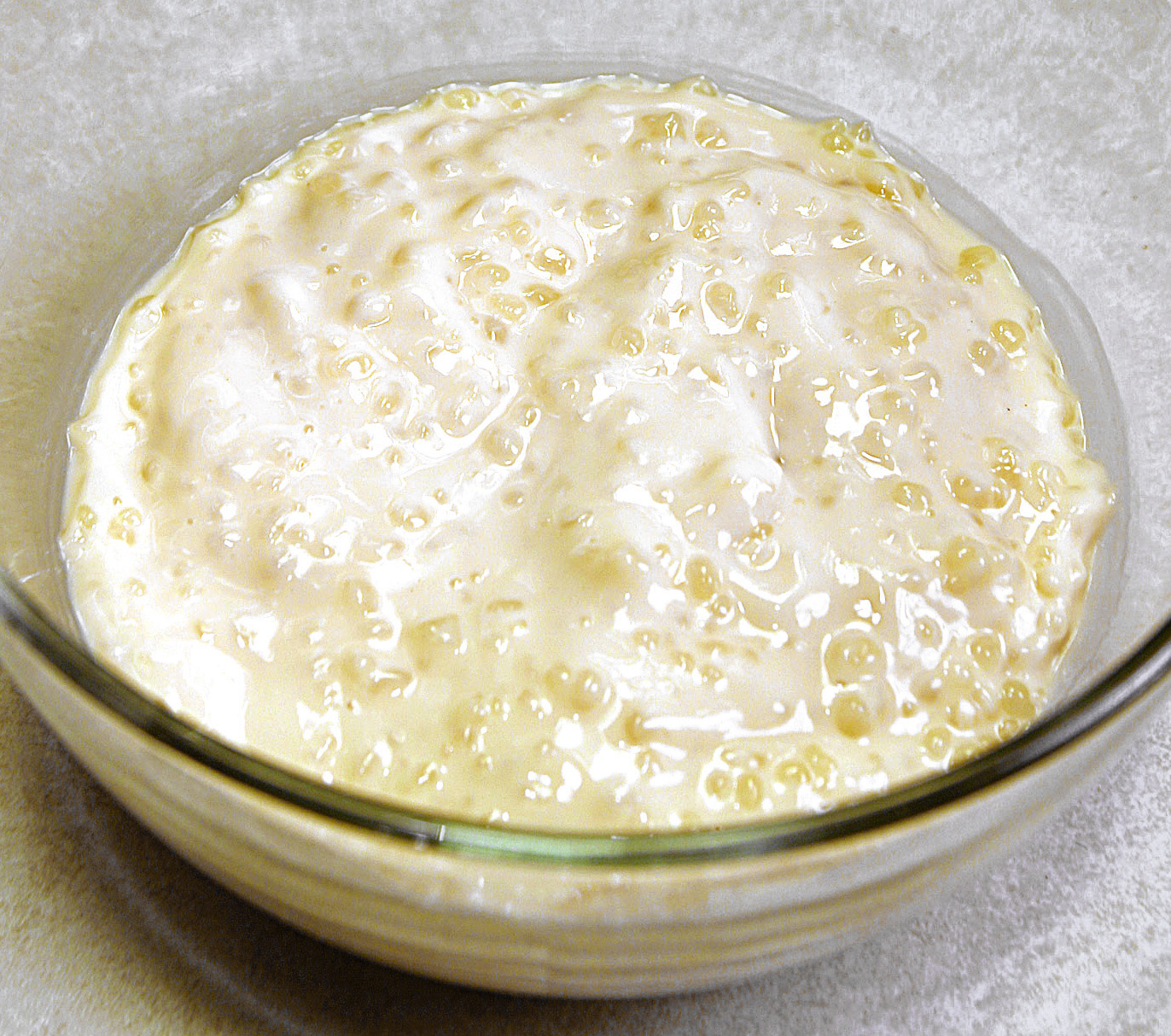
    Tapioca_pudding-3

    Time: 35 min

    Ingredients:

    Tapioca- ½ cup

    2% low fat milk- 3 cups (if pearls are soaked overnight, then use 2 ½ cups milk)

    Salt- ¼ teaspoon

    Sugar- ½ cup

    Eggs- 2

    Vanilla- ½ teaspoon

    Preparation:

    1)      Soak tapioca pearls in water the night before to reduce some excess starch (hence less cooking time).

    2)      In a saucepan, mix the tapioca pearls, milk and salt. Stir it frequently on medium high heat until the mixture comes to a boil.

    3)      Now reduce the heat to a minimum and simmer 5 minutes. Add sugar to it gradually while stirring.

    4)      In another bowl, beat the two eggs. Add some tapioca mixture to the eggs and continue stirring, preventing the eggs from scrambling.

    5)      Now add the mixture to the tapioca and gently bring the mixture back to near boiling. Reduce the heat to minimum and simmer, stirring constantly, till the desired consistency is reached.( note that the pearls should be translucent and gelatinous in this stage)

    6)      Allow the tapioca mixture to cool before adding vanilla to it.


    ii)  BOILED TAPIOCA
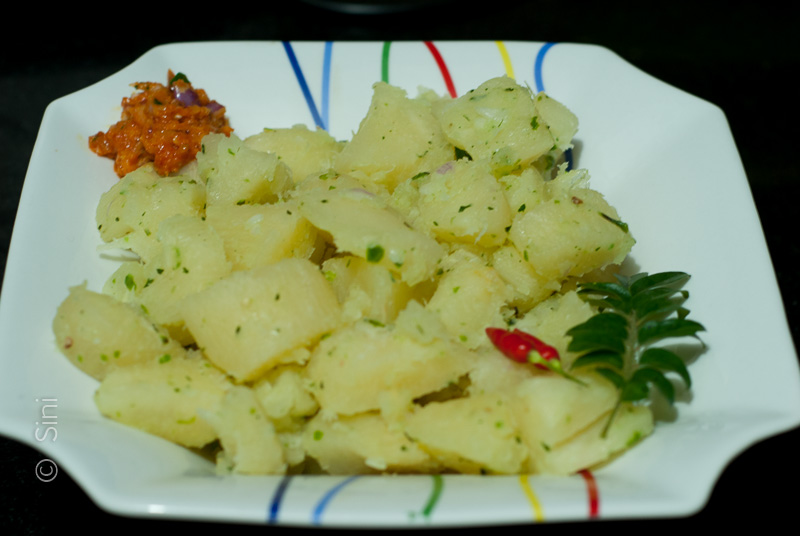
    boiled tapioca

    Preparation time: 15 minutes

    Ingredients:

    Tapioca-1

    Salt- to taste

    Preparation:

    1)      Peel the skin of tapioca and wash it thoroughly. Then cut it into big pieces.

    2)      Take these tapioca pieces in a vessel and pour enough water so that the pieces are submerged.

    3)      Now add some salt to it and boil it.

    4)      Cook for about 10 min till the pieces are soft.

    5)      Drain the excess water.

    6)      To make it more flavorful, add mustard seeds and some curry leaves. Also sprinkle some freshly grated coconut on top.

    7)      Now serve it hot.


    iii) TAPIOCA PUTTU
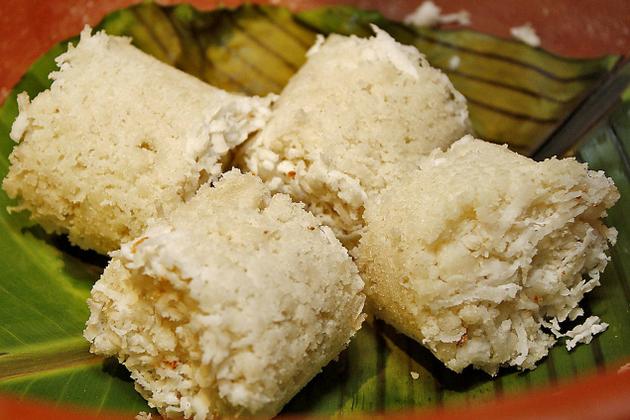
    tapioca puttu

    Preparation time: 20 min

    Ingredients:

    Tapioca flour- 1 cup

    Grated coconut- 1 cup

    Onion (big) – 1

    Green chili- 3

    Salt- to taste

    Preparation:

    1)      Cut onion and green chili finely.

    2)      In a bowl, mix tapioca flour, green chili, coconut and onion.

    3)      Sprinkle water to it and mix it well. Now keep the mixture for about 15 min.

    4)      Steam it for 10 min.


    iv) TAPIOCA HALWA
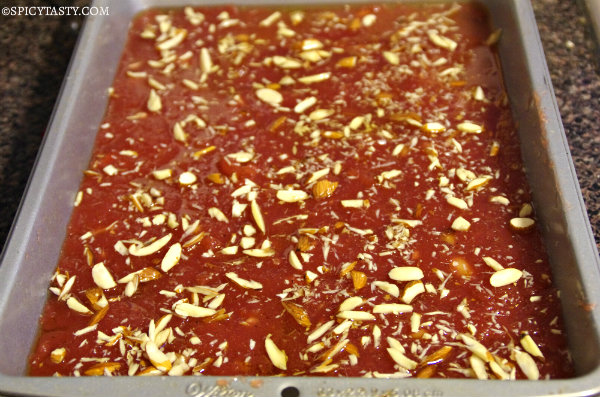
    tapioca halwa

    Preparation time: 30 min

    Ingredients:

    Tapioca- ¼ kilos

    Grated coconut- ½ cup

    Sugar- ¼ kilo

    Ghee- 100 g

    Cashew- 10

    Raisins- 20

    Kesari powder- a pinch

    Cardamom powder- ¼ tsp

    Preparation:

    1)      Remove the skin of tapioca.

    2)      Grind tapioca, coconut and sugar to a thick paste and transfer this content to a bowl.

    3)      Melt 2 tsp of ghee in a frying pan.

    4)      Add cashew and raisins to the ghee and fry it till it reaches a golden color. Now add it to tapioca.

    5)      Add kesari powder, cardamom powder and ghee to tapioca.

    6)      Stem the contents for about 15 min.

    7)      Cut it into pieces when cool. Keep the contents in a cool place.


    v)  TAPIOCA AVIYAL
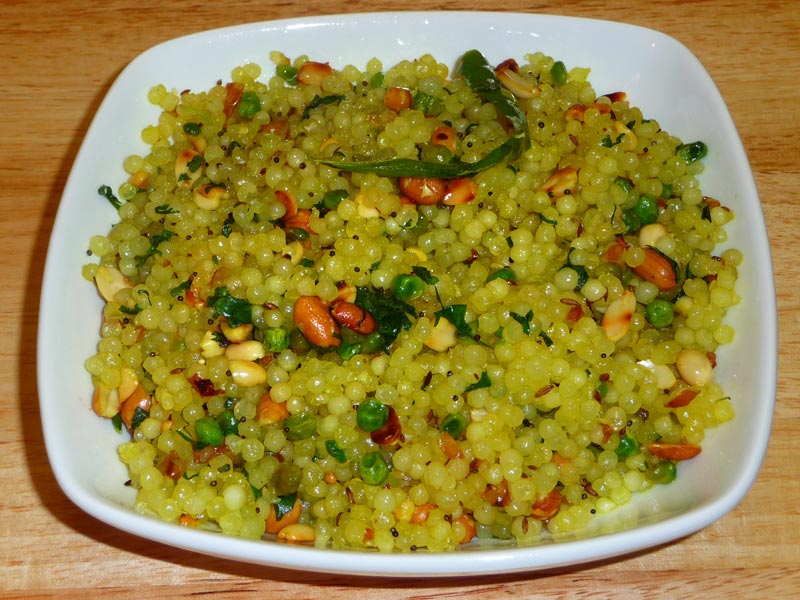
    t. aviyal

    Preparation time: 35 min

    Ingredients:

    Tapioca (cut into long thin pieces) – 1

    Grated coconut- 1 cup

    Shallots- 4

    Jeera seeds- ½ tsp

    Curd- 2 tbsp

    Turmeric powder- ¼ tsp

    Chili powder- 1 tsp

    Curry leaves- a sprig

    Coconut oil- 1 tsp

    Salt- to taste

    Preparation:

    1)      Cook tapioca by adding salt and water and until it is soft.

    2)      Drain excess water and keep it aside.

    3)      Grind coconut, jeera, shallots, turmeric powder and red chili powder into a paste.

    4)      Now add this paste to the tapioca pieces and mix well.

    5)      Reduce the heat and cook the tapioca for about 1 min, stirring frequently.

    6)      Add curry leaves, curd and cook until it is thick.

    7)      Garnish it with grated coconut and remove from heat.

    8)      Serve it hot.


    vi) TAPIOCA CURRY
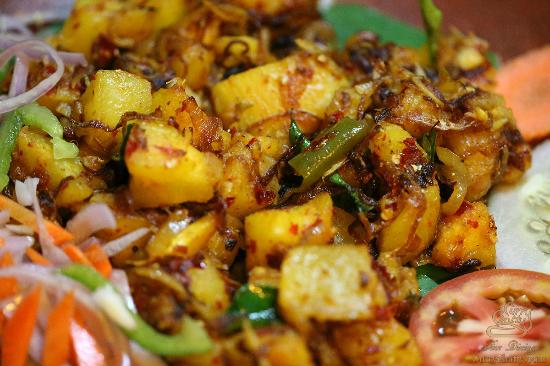
    t. curry

    Preparation time: 20 min

    Ingredients:

    Tapioca- 1

    Grated coconut- ¼ cup

    Cumin- ¼ tsp

    Garlic- 2 cloves

    Curry leaves- a few

    Red chili- 4

    Turmeric powder- a pinch

    Mustard- ½ tsp

    Curry leaves- few

    Urad dal- ½ tsp

    Salt- to taste

    Oil- as needed

    Preparation:

    1)      Boil tapioca with salt and turmeric powder. Now peel of its skin and set it aside.

    2)      Grind coconut, cumin, garlic, red chili and curry leaves into a paste.

    3)      Heat oil in a frying pan and add mustard, curry leaves and urad dal to it.

    4)      When mustard splutters, add grated coconut to it and heat till a raw smell subsides.

    5)       Add tapioca to it and mix well.

    6)      Cook for few minutes and remove the pan from heat.

    7)      Garnish it with curry leaves and serve it hot.


    vii) TAPIOCA PEARLS IN COCONUT SAUCE
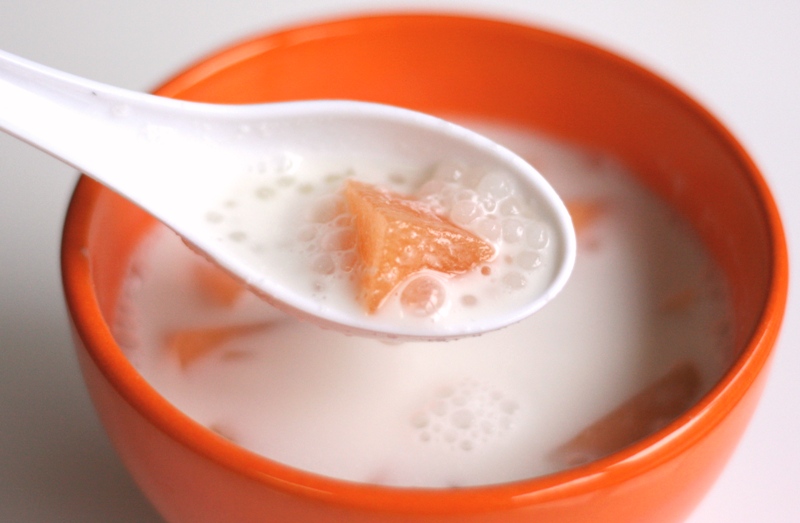
    tapioca-pearls-and-coconut sauce

    Preparation time: 20 min

    Ingredients:

    Tapioca pearls- 100 g

    Sugar- 30 g

    Salt- a pinch

    Coconut milk- 150 g

    Preparation:

    1)      Boil the tapioca pearls in water till it becomes translucent.

    2)      Drain off excess water.

    3)      Now add sugar to it and heat the contents to dissolve the sugar.

    4)      In a separate pan, warm the coconut milk with a pinch of salt.

    5)      Now add the tapioca pearls to the warm coconut milk.

    6)      Serve it hot.


    viii)  SABUDANA LADOO (LADOO MADE OF TAPIOCA PEARLS)
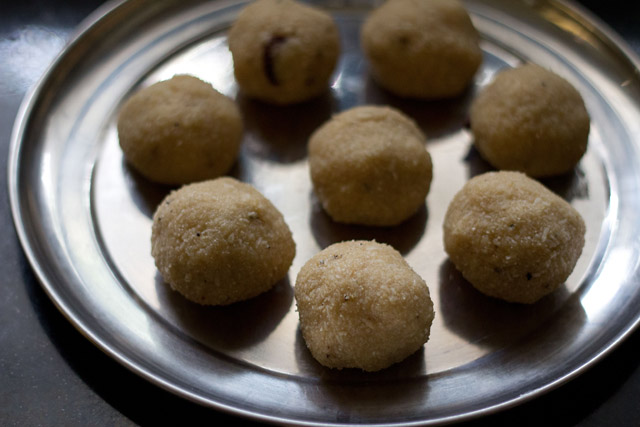
    sabudana-ladoo10

    Preparation time: 45 min

    Ingredients:

    Tapioca pearls- 200 g

    Grated coconut- ½ cup

    Powdered sugar- 30 g

    Ghee/ oil- 1 tsp

    Chopped cashews- 4

    Cardamom powder- ¼ tsp

    Nutmeg (crushed) – 1

    Preparation:

    1)      Roast tapioca pearls in a pan in low flame. This takes about 20 to 30 min.

    2)      Remove the pearls from the pan when it reaches a golden color. Now keep it aside to cool.

    3)      Grind it into a fine powder.

    4)      In another pan, heat the grated coconut.

    5)      Add the powdered tapioca pearls and powdered sugar to it.

    6)      Heat oil/ghee in a pan and roast the cashew nuts in it.

    7)      Now pour this whole mixture to the grated coconut mixture.

    8)      Also add cardamom powder and nutmeg to it. Mix the contents well.

    9)      When the mixture is slightly warm, make medium sized ladoos from it.
  • While Dieting,You Eat!!

    While Dieting,You Eat!!

    hero_pdt_value_au

    With the spurt in the number of Mcdonalds and Dominoz all around the country, seldom it is that we find kids and adults alike whom we can term as perfect specimens of the human anatomy. Cheaper and cheaper burgers and fries combos and the easy accessibility of everything unhealthy is taking this Aryan civilization faster to its unhealthy end than we can possibly imagine.And some who are aware of this gradually surmounting epidemic of obesity turn themselves to starving, or dieting as they more fashionably call it.
    And this is where most of them go wrong. If you out the word dieting on google and search for its meaning, the first result it shows is: Restrict oneself to small amounts in order to lose weight” But this is wrong in its most fundamental sense. Living beings need energy to work, breathe and live. And unlike Jaadu(from Koi Mil Gaya) our energy does not directly come from sunlight.We humans, have to have food in order to survive. So, starving, fasting and skipping meals is out of bounds. What we will do today is, get a new regime started for those who are willing to exchange flab with muscle and diseases with health.

    First of all, forget everything that you ever ate anything and that you had a diet schedule planned. Here, we all start afresh. Just like infants do.

    plan

    Secondly, many might have said or suggested to you; plan your meals ahead of time. Forget it. Because, food can’t be quantified beforehand. Suppose you worked out a little extra today, won’t you need an extra glass of milk to balance the energy that you’ve lost? So, never plan your eating. Eat, whatever your heart wants, but from the list that we decide here for ourselves only. Now we begin by clearing off all the things that are clichéd and everyone tells you about them. You should eat loads of fruit they provide vitamins, drink lots of water: gives you roughage, gorge on soups: healthy for your body and all that. But doesn’t everybody know this list by heart by now? So, we come down to those Indian dishes that you can prepare in your kitchen while hunger strikes. Let’s start with dinner.
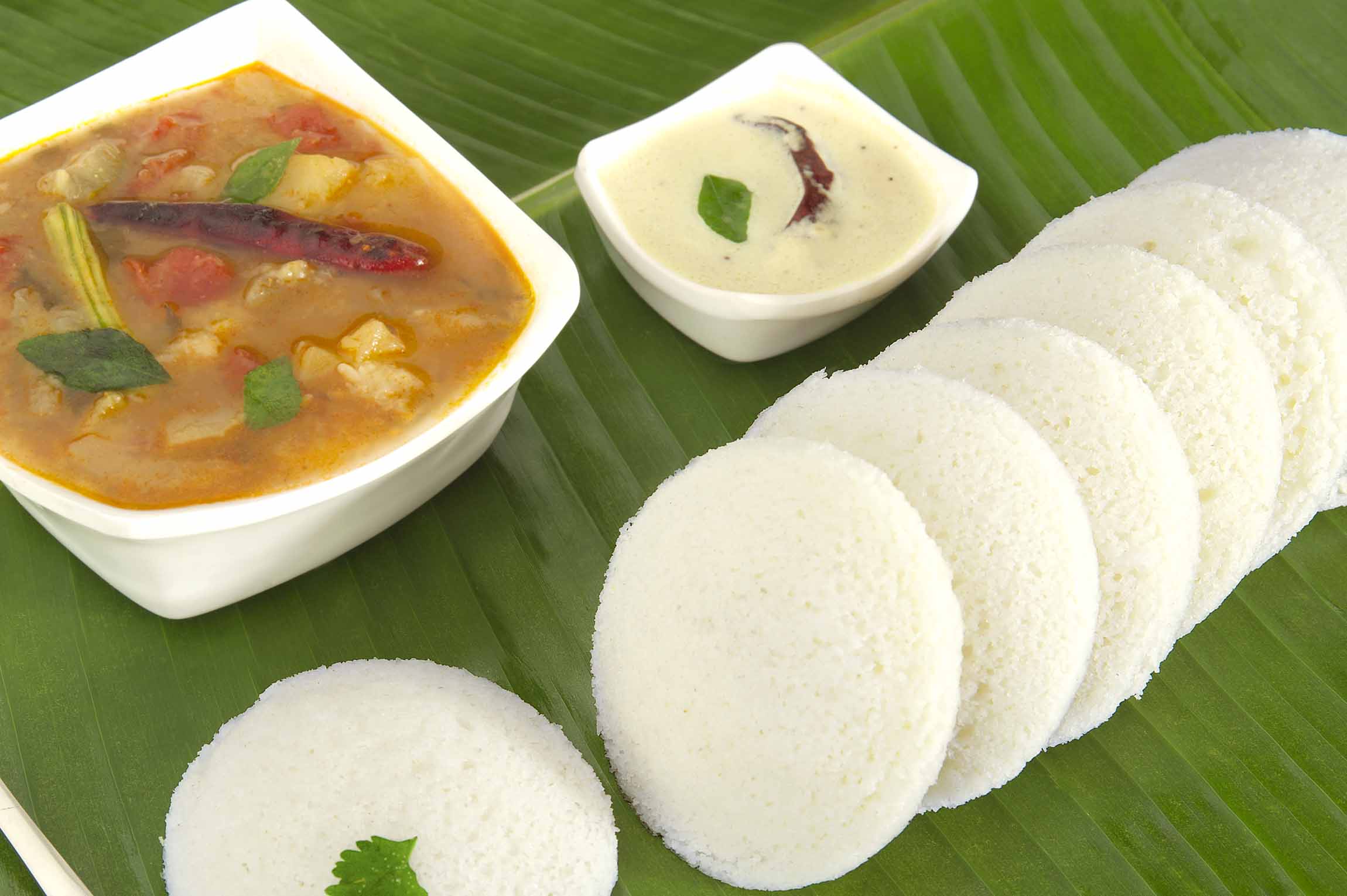
    Idli Sambhar:

    idli

    A blast for the tongue from the South of India and easy on your belly too. This dish makes it to the top of our list of the Indian foods for dieters. Each idli contains just 39 calories, which is a minimal amount in comparison to a healthy 2,000-calorie daily diet. . Idlis contain no fat, no saturated fat and no cholesterol. Consuming less than 16 grams of saturated fat and 300 milligrams of cholesterol lessens your risk of cardiovascular disease and stroke.

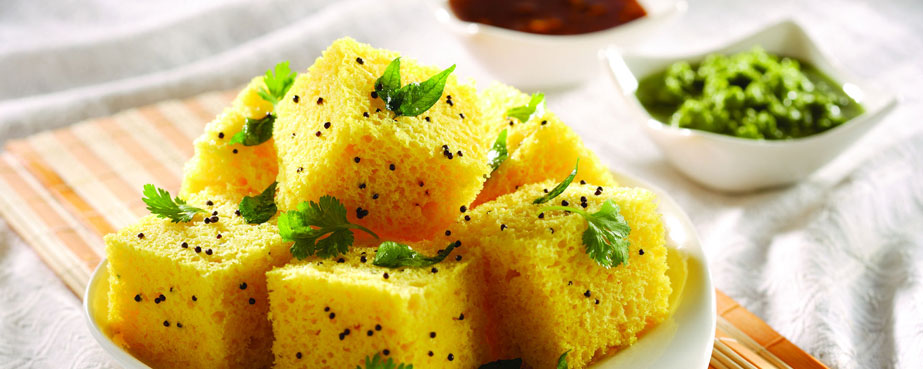
    DHOKLA:

    dhokla

    Going in the reverse order from dinner to breakfast, its time for your evening snack. And what better than dhokla to freshen you up and lighten you at the same time. Yes, it is chiefly made up of Dal and Rice, but don’t cringe as otherwise you would have been gormandizing on chips or samosas for sure. But remember, Dhokla is low in saturated fat, very low in cholesterol, low in sodium, high in dietary fiber and high in vitamin A and C. And for us dieters, low fat is all that matters, right people?

    SPROUTS AND RAITA:

    raita

    To your lunch, let’s start by having some Raita, what say? Now, raita as you all know is made by adding fruits, vegetables or any other thing to beaten yoghurt. And the best part is that one serving includes just 60 calories. To the beaten curd one can add grated bottle gourd or some fruits. But if you are in the mood for some crunch, you can very well add Boondi to it. Boondi, is fried, yes. But a handful of pea sized boondis will do your diet no harm.

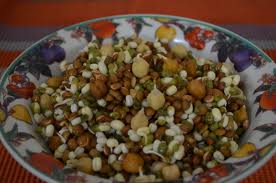
    sprouts

    With Raita, you can have sprouts as the main course and feel a bit Pseudo-European. Keep the pulses in water overnight and in the morning add a bit of lemon, some spices, some cucumber and your lunch is ready in a jiffy.

    OATS AND DALIYA:

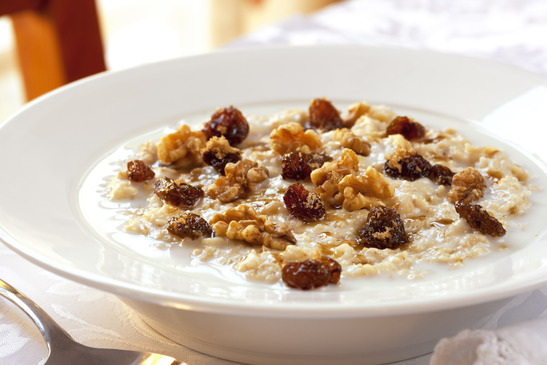
    Oatmeal

    Now, one thing with which we should agree with the hackneyers is that, breakfast should be heavy. And the dieticians have logic and Science backing them too. According to some studies if we consume more calories at breakfast and very less at dinner, this will help you lose weight quicker because if you eat a larger breakfast it will give a kick start to your metabolism and plus you won’t feel all drained and sleepy in that history class of yours. Plus more calories in the breakfast gives you more time in the day to burn them off. For breakfast why don’t we have something milk based, like oats? Well oats take two minutes to cook and trust me, you won’t be able to eat more than one and half cups of it. And hey, no adding sugar at your mom’s back, OK?

    daliya-b-23-6-2012

    Other than oats, you can also have Daliya in the morning. Daliya or Bulgur wheat in Angrezi, is a very light and healthy option for breakfast. Daliya is an excellent source of fiber that keeps you feeling full and also helps to maintain a healthy digestive system. And just like oats, daliya can be either milk based or oil and vegetable based. Now, a little oil isn’t harmful for your body and don’t cringe if once in a blue moon you are fed up of having only milk based diet for your mornings. So, here we are with a very basic diet plan for you to follow and with just one mantra at the end. Never starve yourself, Never. You need food to live. So, just give it a healthy twist and keep eating ( or dieting, whatever you like to call it! ).

  • The Curious Case of Mrs. Hen’s kids!

    The Curious Case of Mrs. Hen’s kids!

    With an amazing lot of activity happening in a day, bachelors or bachelorettes staying alone seldom have time to treat their taste buds right. One day it is a meeting with the boss, another day it is work at home and till the third day you get so tired that it takes an effort to even get up from your bed. And preparing a meal in all this haste seems extravagant and too elaborate an activity to be carried out. And in this rigorous lifestyle of yours, the only thing that suffers is your stomach and more importantly, your taste buds. But we say no more of this! Today let us learn about some new tricks and revisit some old ones about Mrs. Hen’s kids – the eggs.

    Eggs are often restricted to the breakfast and that too you seldom have. Eggs are undermined most of the times, but its importance becomes clear when you need some quick fixes to get you jumpstarted. So, let’s start our romantic affair with eggs which should last longer than your relationship with any other human being.

    1. The Quintessential Omelet:

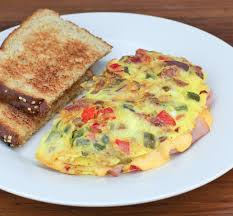
    omelet

    This dish comes in handy when your refrigerator is running dry and your patience is running lose with all that hunger. Two eggs is what it takes to quiet down your stomach till the time you can arrange for something heavy or till Dominoz delivers that pizza you ordered. Breaking the eggs, mixing in some spices that you desire, a pan slicked with oil and the battered egg mixture on the pan. Blink your eyes and your omelet is ready. This recipe is heart-rote to everyone so much so that a more elaborate description would be shaming this article. But people might not be aware of the nutrient punch this wonder sphere packs with itself. An egg contains 6 gms of Protein and 70 calories. Now while you rejoice that omelet with toasted bread, let’s move onto our next big egg thing.

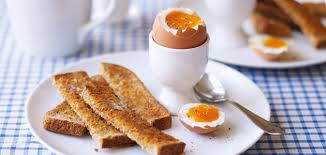
    2. Eggs with soldiers:

    sol

    There are times at night when you just crave for something to eat and are bored of the traditional egg recipes. Well in that case we have this amazing recipe for you. If you only have 5 minutes to spare, this recipe will be even more perfect for you. Place 4 eggs in boiling water and cook over low flame for 4-5 minutes. Caution: Do not let the eggs come to a boil. Now remove the eggs from the saucer and peel off the tops of the eggs. Add in some salt and desired spices on the top and eat the newer rgg recipe with bread sticks. Taste bhi, health bhi!!

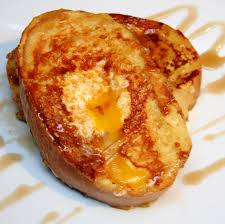
    3. French Toast:

    fr

    Again. A relatively new and old recipe. Take out that borderline expired loaf of bread from your refrigerator and batter 4 eggs with spices added. Meanwhile, light up the stove and put a pan over with a slick of oil. Dip both the faces of a bread piece deep into the battered eggs such that both the faces are smeared with egg residue over their entire surface. Put it on the pan and cook for a minute maximum both sides. And voila! Your French toast are ready in a jiffy. Soak in 4-5 breads and you will be content for the next few hours to go.

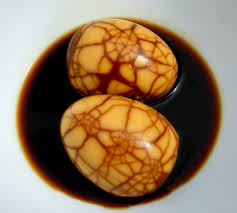
    4. Tea Egg:

    tea

    Now Tea egg might take up some time, but this is nevertheless a newer recipe that people might have heard less about. Tea egg is basically a Chinese snack. Take a few eggs and boil them for 7-8 minutes. Boil them till the point where cracks develop on its surface. Drain the water but don’t peel the eggs yet. This crack-laden egg is then again put to boil in tea or sauce or spices. This dish is also called marble egg because the cracks in the shell create darkened lines with marble-like patterns. Chinese people commonly use a five-spice powder which contains cinnamon, fennel-seeds, cloves and Szechuan peppercorns. The eggs are boiled in the spiced-tea liquid and simmered at medium heat. The simmering allows the liquid to seep through the cracks and attribute flavors to the boiled eggs.

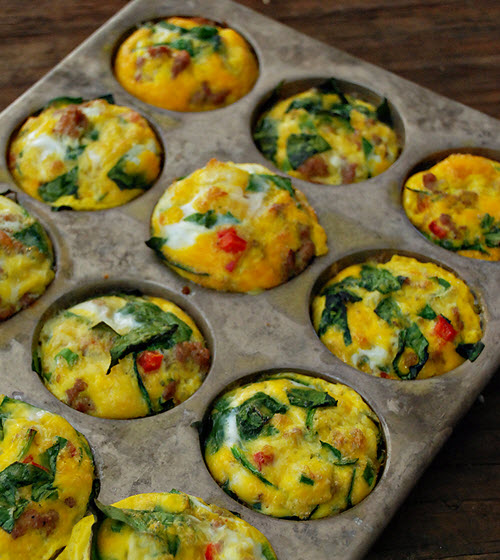
    5. Quick Egg muffin:

    Southwest_EggMuffins2

    People with a frenetic paced lifestyle must already be making merry at the name of the dish. The name in itself has quick in it. And you can be sure of one thing; this dish lives upto its name. Egg muffins are like Frittatas just smaller in size. This dish is prepared using scrambled eggs added with fresh chopped spinach and shredded sharp Cheddar Cheese. Whisk the eggs just like you do for an omelet, with spices, onions and spinach if you like. Cook in the microwave oven for 45 seconds and your hunger is done. It’s gone with the sound of the microwave’s beep.

    6. Eggs Benedict:

    benedict

    Eggs Benedict is an American breakfast and usually served along with ham or bacon. To make this dish you will have to devote some of your precious time, but the result will have you amazingly thrilled. First you have to make something the world calls the Hollandaise sauce. This is made by whisking egg yolks and squeezed lemon juice together in a bowl till the mixture is thickened and doubled in volume. Put the bowl in a steam bath and do not let the eggs get too hot or they will scramble. Add some froze butter cubes and continue to whisk till the btter melts. Remove from heat and whisk in salt and pepper and cover it. Heat the bacon and toast the English muffins. Cook some more eggs till the egg white is set and the yolk is soft. Lay down the muffin, bacon on its top, the half fried egg on its top and pour the Hollandaise sauce over. Garnish with some salt and pepper.

    And there you have it, 6 quick fixes with eggs that are not to be missed.


  • What makes Delhi, Dilli – 2

    What makes Delhi, Dilli – 2

    In the last tour de Delhi, we hopped onto some of the binges of Delhi, how the love affair of the nation started with Delhi, the great repertoire of Architectural marvels in Delhi and a touched the tip of the iceberg as to what makes you melt with love, when you hear the word Delhi. Today, we explore more.

    The Bedmi and Nagori:

    be

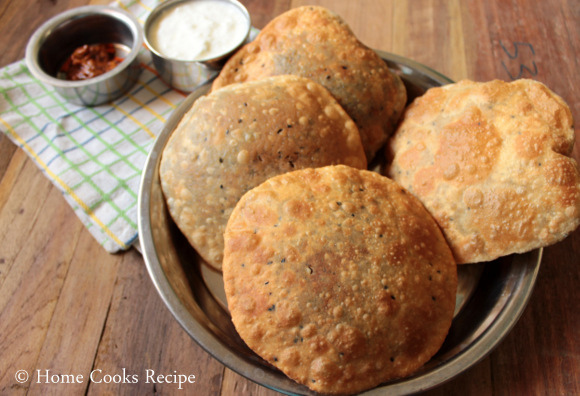
    One relatively less known delicacy but nevertheless enjoyed to its zenith by the  few loyal customers, the bedmi is a variety of Khasta Kachori smaller in size and more khasta by all means. This is what one could call the Kachori’s  younger cousin. Filled in the epicentre with Semolina, carom seeds and grated peas, this delicacy melts in your mouth. Served along with our beloved aloo ki sabzi and halwa, you might have an oddity treat and might as well try mixing the two side dishes (The halwa and the aloo ki sabzi). This queer combination will make you reminiscent of the sweet and sour soup gone terribly wrong, but it’s a taste nevertheless. The Nagori is the youngest of the brood of Kachoris and more closely resembles the papadi that you get at a chaat stall. This also served along with aloo ki sabzi and halwa will give you plentiful of energy (And not to mention a truckload of calories) to roam the rest of Chandni Chowk with me.

    The Punjabi Diaspora:

    bangla

    Delhi is borderline Punjab. Geographically and literally. Once you enter Delhi, you’ll see an equal number of turbans as you will see bare heads. That because, there was a huge exodus from the Punjab region during Delhi’s early industrialization days and also during the Punjab conflict periods. Thus there’s a mini Punjab residing in Delhi. And with their amazing good humor and tantalizing cuisines come along the mighty and revered Gurudwaras. Gurudwaras are the worship place for Sikhs. Here Sikhs spend quite a lot of time serving other people as they faithfully believe in the quote “ Service to mankind is Service to God.” There are a plenty of Gurudwaras in and around Delhi and the best part of visiting them is the tasteful  ‘Langar’.  Langar is the lunch that is served in Gurudwaras to everyone who visits them. Large langars are organized where people sit on elongated jute mats on the floor and eat out of leaf plates. The langar, anywhere, in any gurudwara is something to be DEFINITELY had if you ever get the lucky chance to visit Delhi. Daal is a must in every Langar. Along with it Halwa, aloo ki sabzi and poori make your lunch hearty and eventful. There are two large Gurudwaras in Delhi to which people flog on from places far and beyond. These are The SeesGanj Sahib and The Bangla Sahib. Both are lakes of tranquillity and you will feel emancipated from all your worries and ill humoured feelings, once you enter the complex. Visit these if you are looking for serenity and a meal full of love and affection.

    Kareem’s and Khan Chacha:

    Chicken = Kareem’s.              Kareem’s = Chicken.

    Chicken = Khan Chacha.     Khan Chacha = Chicken.

                         Kareem’s = Chicken = Khan Chacha.


    tn_6284_khan1-1374305008

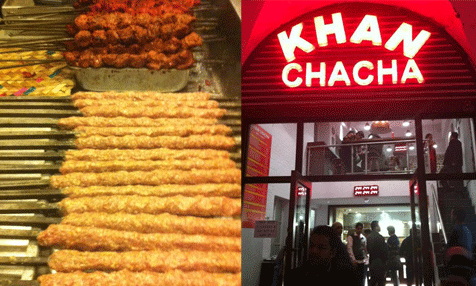
    One’s trip to Delhi will be wasteful, if he goes to Delhi but does not visit any of the above mentioned place. Both these places have been established in Delhi for the last 100 years or so and have been constantly providing the people of Delhi with an indispensable service ever since. The service of good food. Or more specifically, the service of Great Chicken. Khan Chacha and Kareem’s both are known for their Mughal style Chicken which they both offer in Chandni Chowk. The shop is tiny but the crowd of buyers: mammoth. Both of them provide exceptional Tandoori Chicken and Kebabs. Their extraordinary skills lie in providing with dry chicken variety. They specialize in Seekh kebab, Shammi kebab, mutton burra kebab, mutton stew and the rann (goat’s leg). These leave you with the exact smoky flavour that should be left after having a tandoori meal and also bestows upon you the feel of the grill.

    Connaught Place:

    cp-650_081714012910

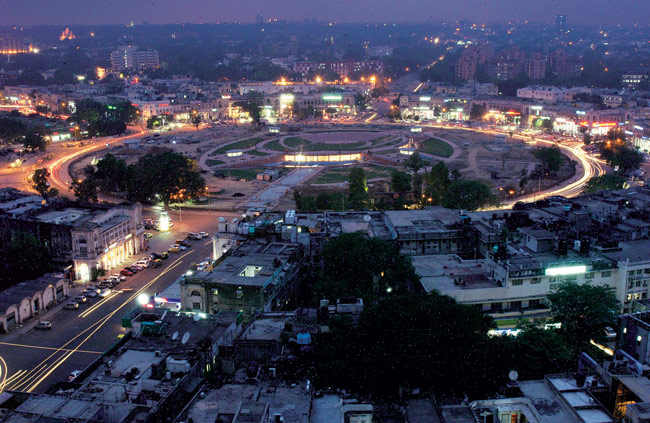
    What makes Delhi, Dilli you ask. One of the reasons of Delhi’s uniqueness is Connaught Place. Two British Built market places in circular shape around a gigantic park in between. Sounds confusing? Well, it is. But in earnest Connaught Place is one stop destination for all the top notch brands anywhere in the world. Until one hasn’t a shop in Connaught Place, he/she is too amateur to go global. A beautiful set of buildings all dressed up in white just like a catholic wife-to-be in circular shape mark the inner circle and the outer circle. A market place to take a stroll ith your friends or go bridal shopping; A day to enjoy Delhi in one glance and a hurried shopping session; everything happens at Connaught Place.

    ‘THE’ Palika Bazaar:

    pal

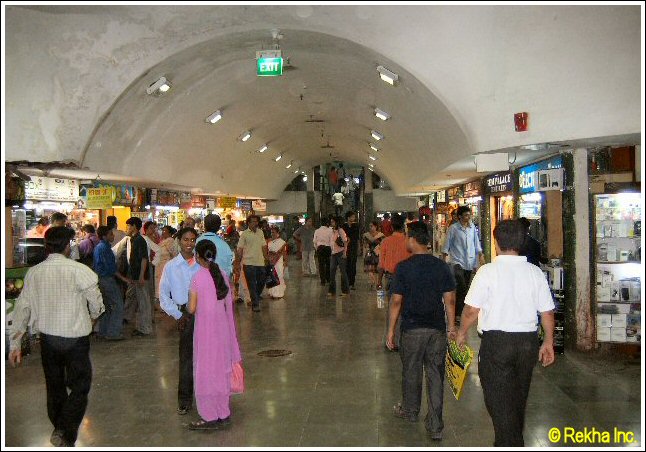
    Ever heard of an underground market place? Palika is one. No, it is not underground as in illegal, it is underground as in, it is literally 400 bunch of shops UNDER-the –GROUND. Remember how the Connought Place is circled around a gigantic park? Well this is a market place under that gigantic park. Palika is every women’s dream destination. Because you get the best of fashion labels at throw away prices. Loads of accessories, clothing, body tattoo shops throng the Palika. Men, don’t be disappointed. There’s something for you too, down there. Palika has men’s fashion outlets too, but more amazingly it has an entire bunch of shops that sell cheap China built Electronics gadgetry. So, next time you want a pen camera or a big grizzly transforming car, you can always go to the underground market.

    So, we made a tiny bit of progress in learning about Delhi. But don’t get tired yet, there’s more of Delhi to come.. Stay tuned.

  • My experiments with food (And truth too!)

    My experiments with food (And truth too!)

    India truly is one big piece of land. And on this big piece of land you encounter an eclectic mix of geographies  and topologies. And on these array of different  land designs, you come and meet very different people. People who practice different religions, wear very dissimilar clothes and practice varied traditions. And in all these differences lies one major difference, the different of cuisine. Just like we have over 700 gods and deities, I guess we must also have a similar number of different cuisines. But in all those differences they have one similarity. The trait of experimentation.

    No person who calls himself a religious foodie can never withstand a zeal for experimenting with food. Whether it is Milk and coca cola or Raajma with aloo bhujia; the tempt of experimenting is too great to be countered off. Hence we traipse to various parts of the country to look out for some experiments gone successful.

    The Chola Kulcha burger:

    Down the alleys and labyrinthine roads of a little known town in Punjab called Naabha, you will see gazillion of stalls selling this odd delicacy. Most people have had a taste of Chola-Kulcha in their life at some point or the other. This treat is in exactitude, same as the former, but a different form and slight delicious top ups give it the oomph factor that makes it feature in our list here.

    burger

    • Take two kulchas. Warm the boiled cholas and the kulchas.
    • Add a little bit of paneer and boiled mashed potatoes to the chola mix.
    • Now to the warm kulchas, add a dollop of butter and the samosa chutneys. The red one is mandatory, the chili sauce, add according to your taste. Keep the kulchas on the fry pan and add the chola mix in between the two kulchas. Voila! Your Chola Kulcha burger is ready to be savored.

    The Bhujia soup:

    Now, this treat had me baffled at first but left me craving for more later.

    There are places not so famous and not so hip in our country. Guduvanchery in Kancheepuram District (Chennai) is one such place. It is a sleepy village but with a huge local market. And in that market somewhere deep down, you may get lucky and get a chance to savor this orgasmic delight.

    soup

    The ingredients seem simple enough (Some namkeen + Some soup! Done!) But the trick lies not in the ingredients but the way those final ingredients are prepared. Neither the Bhujia is from Haldiram’s nor is the soup made from ready to eat packets. The Namkeens are homemade yet world class. For rookie foodies who try to differentiate between the two it will be in vain. But the oils from the namkeen and the spice mix in them scream homemade from top of their lungs. The namkeens are just not aloo bhujiia or khatta meetha. There’s a spectrum of namkeens of different sizes and different flavors available to choose from.

    But when in Home, do as the homies do. At your home, you can definitely use the knorr ready to eat and the aloo bhujia lying in the cup board waiting for guests to arrive at you home.

    The Samsiya:

    samosa

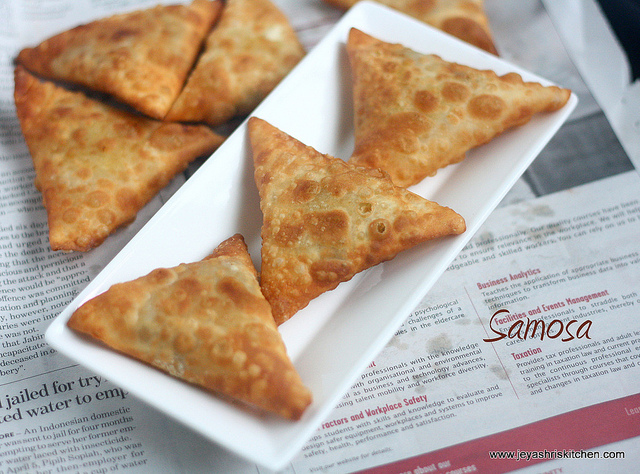
    Yes, the root of the words are the same but these are slightly different foods to be had.  While the samosa is filled with aloo mix, the samsiya is filled with fried onions. And in front of the samsiya, samosas seem gigantic. So, there should be no doubt if you find tiny samosas being sold 4 for Rs. 10 outside the Chennai railway Station. There’s one more wild twist in the tale of samsiya. Along with samsiya, you will never see your traditional imli and chili chutneys. The samsiya is served along with Coconut chutney. Just like idli is, just like vada and dosa are. This gives a good-humored  taste to the dish. Not spicy enough, not tangy enough but yes unique in its own sense.

    The Chola Pani puri:

    poori

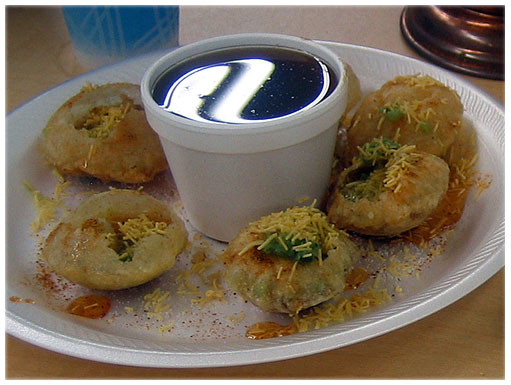
    All of you might have eaten our favorite street food: The pani puri. But you are in for a surprise when you visit a chat stall anywhere south of Maharashtra. While visiting a chaat stall, forget that you have ever eaten pani-puri before. This will be a whole new dish you will taste. Sure, the puri is the same shape as in our north and everywhere but everything else is different. The filling in the puri is not mashed potatoes but hot boiled mattar. You know the green balls that you threw out of your rice as kids, that one.  Also, the filling is not dry, there is thickened water along with the hot mattar. Next, the tangy paani which was as delicious as it was healthy. Want a tip? Forget that paani. Here the paani is devoid of any and every bit of zippy taste that you went to the chaat stalls for. The paani is hot (again) and very straight in taste. Just imagine yourself having a mild soup for the paani. And thus our beloved paani puri becomes, some hot dinner dish making you feel fuller instead of easing up your stomach.

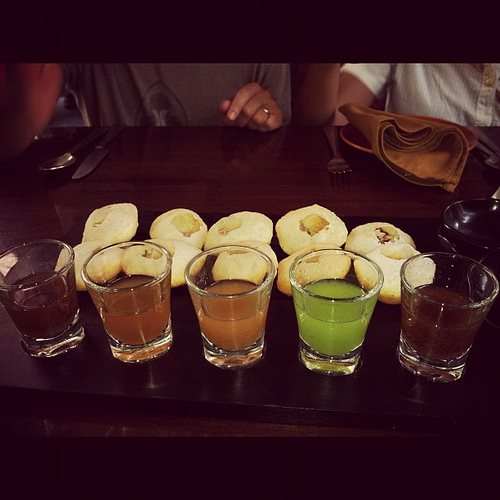
    The vodka Paani puri:

    Are all the liquor fans up yet?  *Sees left to right*  Great!  Now, this experiment is what you expect by its name.  Instead of paani you get vodka shots filled gol gappas.  Now no need for another appetizer huh? This is only offered at ‘Punjabi by nature’, a restaurant chain in the National capital and surrounding areas. The vodkas all come in different flavours, but I am sure you will not want to try out bubble gum flavored vodka with your puri.

    vodka

    So, from all around this great country of ours, we brought you some of the quirky, queer yet magnificently delectable experiments to tease you taste buds with. Try out all or some of these if you are in the neighbourhood, and get your tongue out of its routine. And do write some of your own experiments down in the comments section. Till our next journey around India, keep tasting.

  • Quirky Fooooood Facts!

    Quirky Fooooood Facts!

    food-intolerance-getty

    Food, Food, Foood, we crave for it, we love it, we want more, we want tasty and what not. Yes, we do! The more delicious food is, the more crazy we go for it. Craving for eatable is directly associated with the tastefulness. Sitting, binging on favorite foods is like heaven on earth. If you are also among the one who is curious not about what to eat but about the complex still awesome facts as to what makes up food, this will be right read for you. And, if you love food, you will love weird, quirky, lovely, yuk, yum, wow facts about food too; Enjoy as you read on!

    i-love-food

    Bananas; you love them, No! Rich source of iron, calcium. Well, do you know The Banana tree is actually a herb, and if you have seen and checked out the banana tree, you will see there’s no wooden trunk, the plant dies and then like a phoenix it is reborn. The banana we love, is a fruit of the herb and we eat this herb a lot!

    Peanuts, that we love to have in the form of peanut butter or peanut shake or in raw form. Just add some salt and masala, and we are ready to munch on it anytime But did you know, these peanuts were once used to help in making bombs. This happens like when peanut oil is processed, we get glycerol, which is then made into nitroglycerine, and that makes up a main constituents in dynamite. But then times have changed and now peanut is rarely used in dynamite. Just restricted its use to the kitchen. In case, you want to make your own explosives!

    Butter Tea, Not much popular, probably you have heard and tasted it. For tea lovers, hope you will still love your tea. You know this Tibetan tea is a must try. Boiled for half a day, and then, churned with bamboo, with salt butter and rancid soda and they even love to add tsu and flour to it and a mixture of hardened cheese, sugar and butter and then they enjoy this tea.

    Potatoes, Apples, Onions; the important ones, No?! wondering, what these have in common, Maybe, nothing when you see or taste them. But just try this once. Close your eyes and block your nose and taste them and you will be surprised as they will taste the same. Yes, the potatoes, apples and onions. Crazy, Right? Even the textures are the same but you will not know what exactly you have eaten till you breathe again. Exciting this is!

    Coconut Water; the perfect refreshment on a beach and a sunny day and yes, the nutrient rich also. But what is going to be mentioned here will surprise you more than anything. Caution as it must be followed only in case of emergency. Apparently, it is believed that coconut water can be used as a substitute for the blood plasma and yeah, you heard it right, as it contains appropriate levels of pH, as it surrounds the embryo and provides nutrition.

    Carrots, you see them red or orange, I know, But do you know the traditional colour of carrots is considered as purple. What actually happened is Dutch people, took strains of purple, yellow and white carrots and developed them into plump and sweet orange carrots and then we see them as reddish orange carrots and love to eat them.

    Now here comes this not so nice fact which goes like this. The food that you eat is known to legally contain some moulds, parasites, rodent hair. Not that you want to know this, but we just needed to share as a part of quirkness!

    Here’s this interesting fact, if you ever wondered which city have most expensive meals in the world. This would be Tokyo for dinner, Sydney for lunch and Madrid for Breakfast. This is the reason you need help while budgeting your international meal plans.

    Now, this is a research showing where the water goes! The research by Waterfootprint.org says, that the production of about two pounds of cheese requires 5000 litres of water, 1500 litres for sugar and the whopping 701 litres for apples. Yes, the huge massive amount of water.

    Mushrooms, most loved have no cholesterol and do you know they are virtually free of sodium and fat. What they contain is Vitamin B1, B2, selenium, Iron, niacin, potassium, thus giving us all the more reasons to love them and eat them.

    Worcestershire Sauce; the well known part of Chinese cuisine. There’s something fishy about this sauce, And do you the main ingredient of this sauce? The anchovies, which is a fish available in England. And, this sauce is prepared by taking these fish and soaking them in vinegar, till all the bones dissolve. Vegetarians might not like to read his fact even!

    Clear chicken soup with garlic bread is number one choice for non-vegetarians. This is the most popular soup known to mankind. But the point to ponder is, Was it the first soup known, Well, no, the leathery mammal, called hippopotamus was the first ingredient used in the first soup. Interesting enough!

    Well, Food everyone dwells on. Food is all time favorite, whether you’re in happy mode or exciting, party mode or sad, puckered up. But food finds its place everywhere, so do the facts associated. These quirky pieces of information related to the most important part of life, The food presents a very interesting insights. There are foods you know are beneficial for your health and then there are there are these facts about them, which we bet you didn’t know. Quirky enough that you feel the urge to tell them to your friends. From Hippo soup to Bananas being herb, enjoy the quirkness.

    Bon Appetite!

  • A Platter of Vegetarian Kebabs

    A Platter of Vegetarian Kebabs

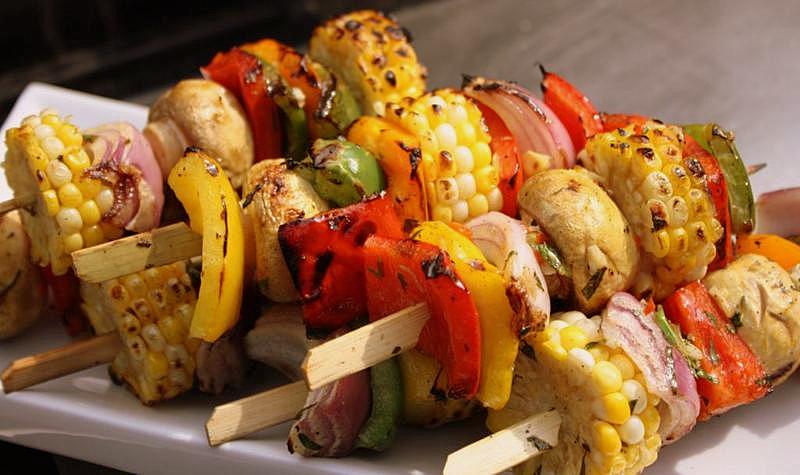
    Originating in the coastal countries of the eastern Mediterranean area, kebab is a versatile dish made by roasting and grilling pieces of meat, fish, and vegetables, over a skewer or a spit. The dish quickly spread in popularity and consumption throughout the nations of the Middle East, and then central Asia. The kebab traces its historic roots to before the 17th century B.C., and even the ancient Greek poet Homer mentions an erstwhile archaic dish resembling the same, and enjoyed all over his country in his works. However, a Turkish script by Kyssa-i Yusuf which dates back to around 1377, first properly mentions the culinary concept of the word, which is derived from the Persian language, and literally means “fry”, and sometimes “fry and burn”. Legend has it that the kebab was invented by medieval Persian soldiers who grilled meat on their swords over open-air fires in the battlefield. It quickly gained favour of both the classes and the masses, being served as the royal fare in various Islamic states over the ages, and as a much sought after and easily accessible snack or main course dish for many commoners, and the trend continues even today.

    Although lamb is the traditional choice of meat for making the kebab, there are many variants available in different meats and vegetables all over India due to religious constraints and direct or indirect dietary restrictions. Indian kebabs, whether they are vegetarian or non-vegetarian, have a unique and popular flavour of their own, owing to the wide spectrum of masalas (spices) and herbs native to the subcontinent. Apart from the numerous Indian innovations in the art of kebab making, the sheesh, shammi, tikka, and shawarma, original types of kebabs are also available everywhere, and can be found easily in small roadside eating joints as well as in top notch restaurants and hotels. The cities of Lucknow and Hyderabad are famous all over the country, owing to their thousands of decades-old, local eateries and food establishments which sell different types of primarily meat kebabs, ranging from tunday to kalmi and tangdi to reshmi, and have thus contributed a lot to culture, food, tourism, and economy.

    While you can get non-vegetarian kebabs from anywhere, the vegetarian types are a rarity to find outside one’s house, and they are generally overpriced in the restaurants they are available in. Vegetarian kebabs can be easily made at home, with simple ingredients, and less elaborate methods than their non-vegetarian counterparts. This article will provide you with three novel recipes, all made wonderfully by my favourite chef in the world, my grandmother, for these lesser known variants, namely, shalgam ke kebab, kela chane kebab, and chukandar ke kebab.


    Shalgam ke Kebab (serves 4-6 people)

    Ingredients needed:

    • 7-8 bulbs of turnips
    • 2 tablespoons of roasted besan (gram flour)
    • Finely chopped onions
    • Finely shredded coriander, chilli, and ginger
    • 2 medium sized boiled potatoes
    • Salt to taste
    • 1 small teaspoon of garam masala powder
    • Vegetable oil

    Steps required:

    • Thoroughly wash the turnip bulbs, and then carefully peel their outer skins off.
    • Put the skinned turnips in a pressure cooker and steam thoroughly.
    • Once the turnips cool down, mash them and drain out the excess water.
    • Mash the boiled potatoes and mix them with the turnips. Add coriander, chilli, ginger, and onion to the mixture and be careful to make it consistent with dough.
    • Add garam masala and salt accordingly.
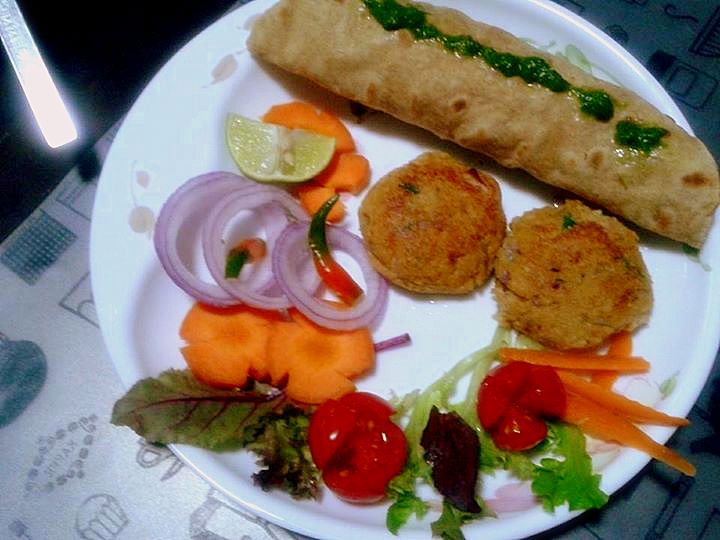
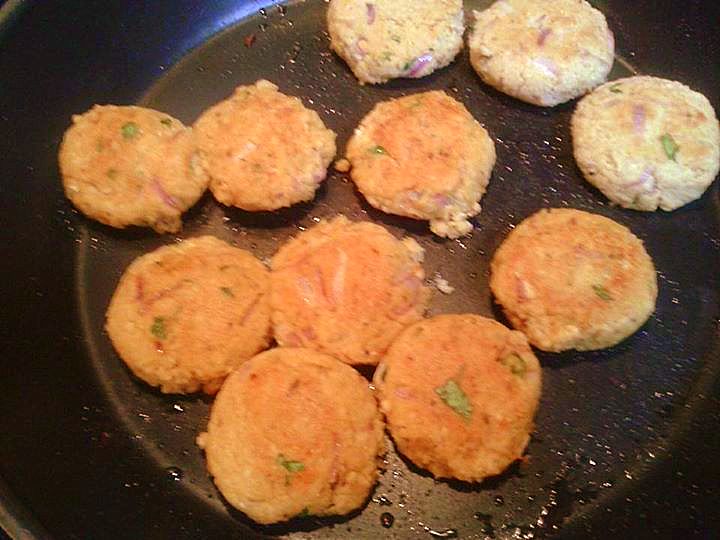
    • Make small balls of the prepared dough and flatten it into small cutlets or flattened disc shaped portions.
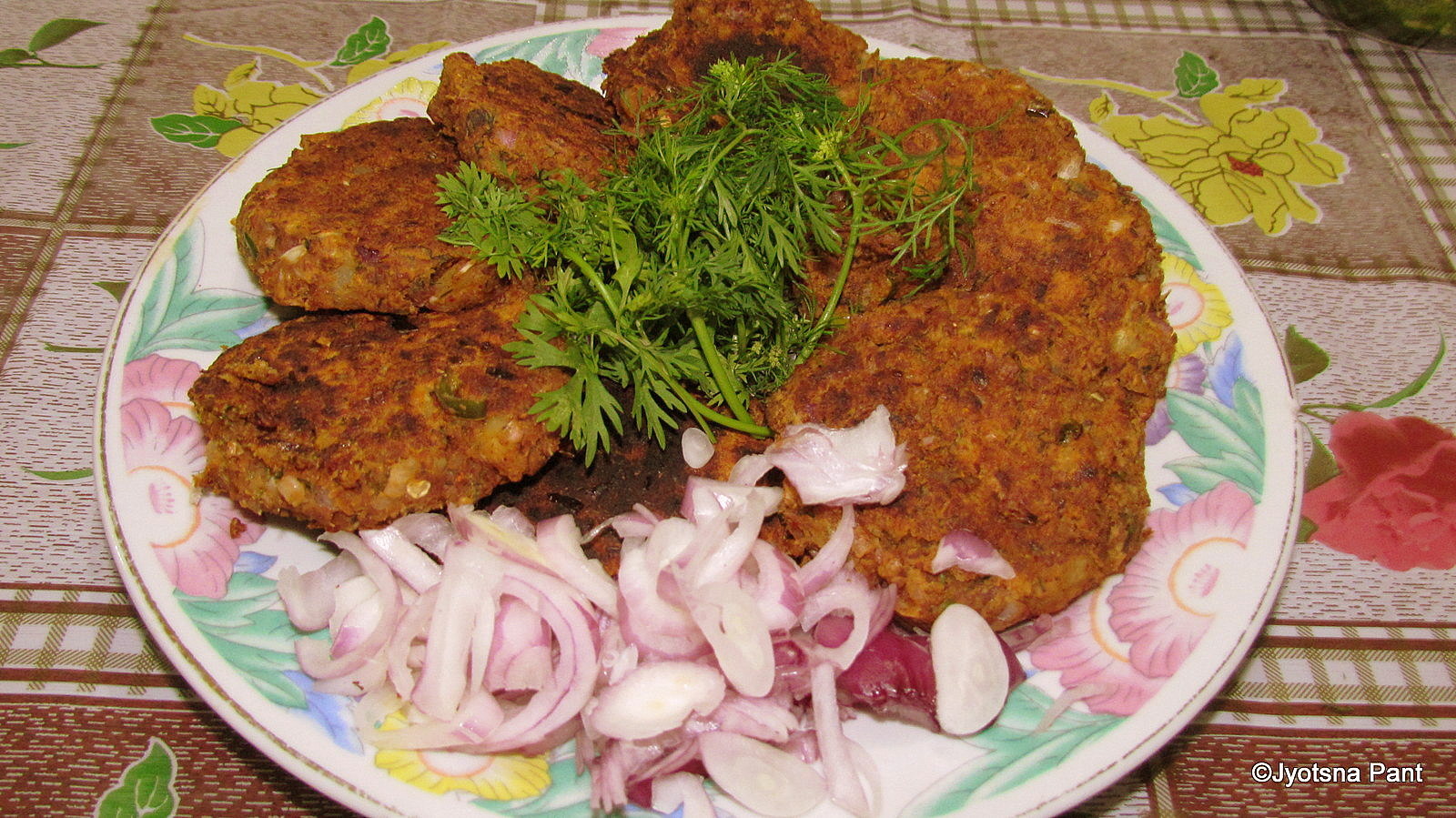
    • Shallow fry on a tawa (pan) until the kebabs are thoroughly cooked and are a rich golden-brown in colour.
    • Top with sprigs of coriander and rings of onion. Serve hot, with a chutney of your choice.


    Kela Chane ke Kebab (serves 4-6 people)

    Ingredients needed:

    • 5 clean green unripe bananas
    • 1 bowl of soaked chana dal (gram beans)
    • Finely chopped onions
    • Finely shredded coriander, chilli, and ginger
    • Salt to taste
    • 1 small teaspoon of garam masala powder
    • Vegetable oil

    Steps required:

    • Make sure to wash the bananas thoroughly with fresh water before beginning. Once they are clean, steam them in a pressure cooker with their skins intact.
    • Steam the dal separately to a soft consistency.
    • Once both ingredients cool down, peel the bananas, and mash together with the dal to make a dough.
    • Add garam masala and salt. You can also add other spices such as red chilli powder if you prefer.
    • Shallow fry on a pan.
    • Garnish with sprigs of coriander, and serve with onions and chutney.


    Chukandar ke kebab (serves 4-6 people)

    Ingredients needed:

    • 7-8 beetroots
    • 2 tablespoons of roasted besan (gram flour)
    • 2 boiled potatoes
    • 250 grams of paneer
    • A few whole clean leaves of cabbage
    • Finely chopped onions
    • Finely shredded coriander, chilli, and ginger
    • Salt to taste
    • 1 small teaspoon of garam masala powder
    • Vegetable oil

    Steps required:

    • Steam the beetroots thoroughly after cleaning them.
    • Mash the beetroots to a dough-like consistency. If necessary, add a little bit of boiled potatoes as well. Add roasted besan to this mix.
    • In a separate bowl, mash potatoes and mix them with paneer chunks.
    • Add coriander, chilli, ginger, and onion to the beetroot dough.
    • Make miniature balls of the paneer and potato mix after adding salt and garam masala to it.
    • Wrap them in a leaf of cabbage.
    • Encase this in an even layer of beetroot dough. Make it firm with more besan if required.
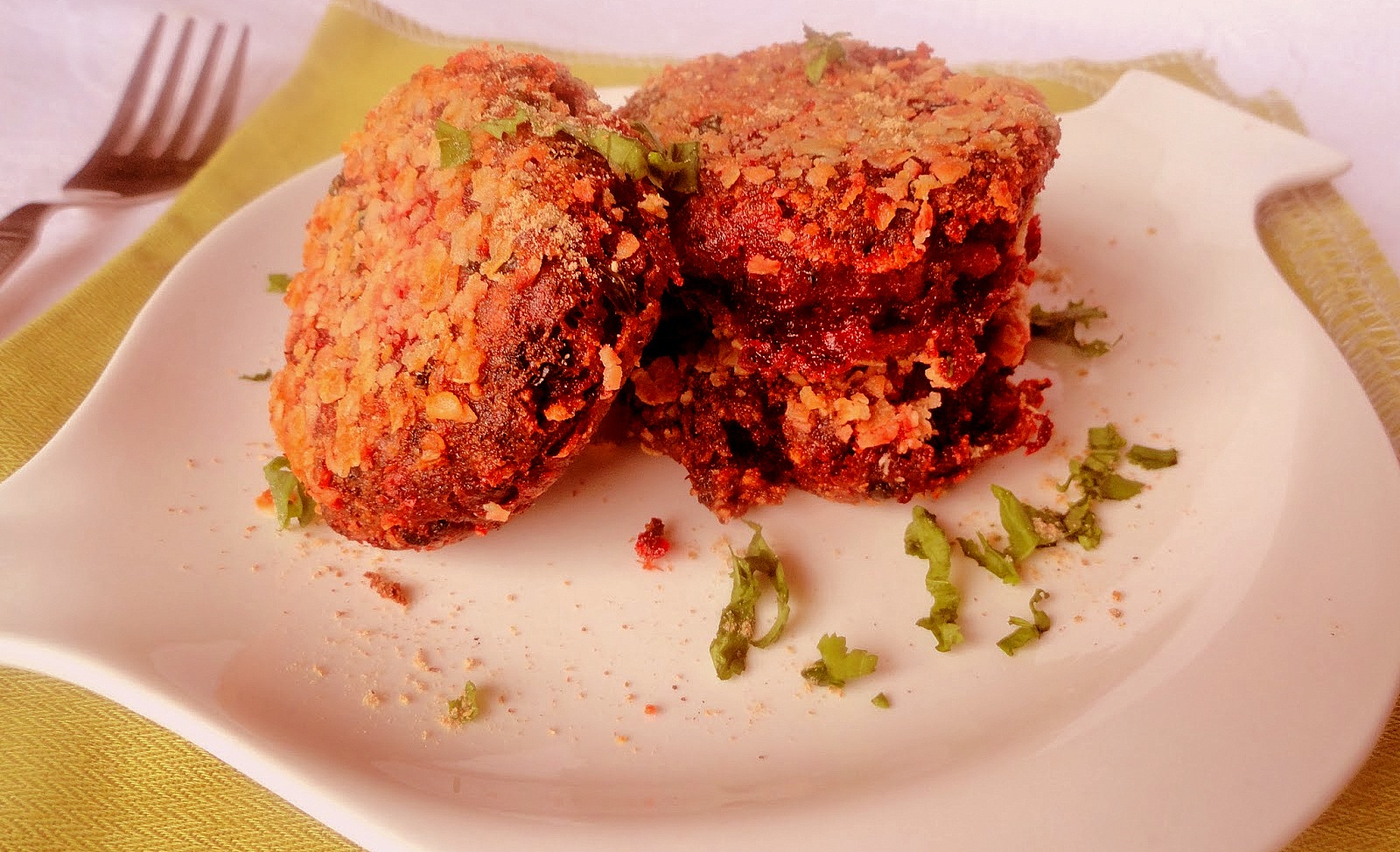
    • Shallow fry on a pan until the kebabs are thoroughly cooked.
    • Cut the kebabs open from the centre, top with coriander, and serve hot with chutney.
  • Winter Delights: Gajar Ka Halwa and Gujarati Meethi Kadhi

    Winter Delights: Gajar Ka Halwa and Gujarati Meethi Kadhi

    The frigid winter months of December and January are bearing down upon us, and all anyone wants to do right now is to curl up cosily in their heavy blankets and eat tons of hot, rich food. The harsh weather right now makes the human body crave even more for nutrition, and it is not surprising that some of the best dishes that we know of taste the best in these freezing days. Compared to the year long summer heat in most parts of India, we have a greater appetite for food in the winters. It is in these few weeks that we look with great curiosity towards our kitchens, and wait impatiently for our mothers to emerge out of the area with some aromatic and delicious gastronomic work. Be it sarson ka saag and makke di roti, gulab jamuns, hot coffee, or ginger tea, all of these dishes and more never fail to tickle our tastebuds during the cold season. Here are two easy to cook recipes, one for gajar ka halwa, and the other for Gujarati meethi kadhi, in case you ever need a hot fix for your winter woes.


    Gajar ka Halwa

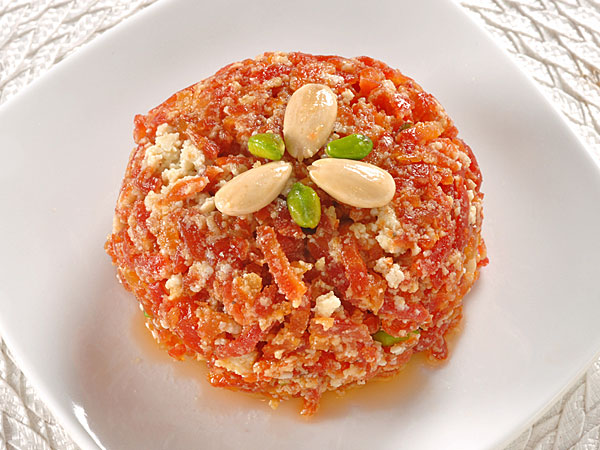
    Also known as gajrela, gajar ka gajrela, and carrot halwa, gajar ka halwa is a South Asian dessert pudding and a winter delicacy in north Indian states. Made by cooking grated carrots, milk, ghee (clarified butter), and nuts together, this dessert is eaten on many festive occasions in both India and Pakistan apart from being available round the year in most sweetmeat shops of the subcontinent. A completely vegetarian preparation, gajar ka halwa is a dish enjoyed by all people, and has been subject to a number of culinary innovations, some of which are a vegan version, red velvet gajar ka halwa, similarly flavoured doughnuts topped with the same, a cream cheese and halwa combination which is the desi counterpart to the carrot cheesecake.

    The dish dates back to the ancient Mughal times, and the word “halwa”, meaning sweet, is itself derived from the Arabic language. Gajar translates to carrot from the Hindi language. While gajar ka halwa may seem like a particularly difficult preparation to pull off in the kitchen, it is actually not. Although the ingredients do take a considerable amount of time to cook fully, gajar ka halwa is a very easy recipe to make provided you have all the cooking materials you need ready at your disposal.

    Recipe (serves three-four)

    Ingredients required:

    • 1 kg of grated carrots, cleaned and peeled beforehand
    • 100 ml of condensed milk
    • Cleaned, preferably roasted, dried fruits and nuts (cashews, almonds, raisins, pistachios)
    • ½ kg of khoya
    • 4 big tablespoons of desi ghee (clarified butter)
    • 1 cup of castor sugar
    • 4 cups of milk
    • Cardamom seeds. Alternatively, you can use one-third of a teaspoon of cardamom powder.

    The steps needed:

    • Put the shredded carrots and milk in a heavy-bottomed pan or a wok on medium flame.
    • Let the carrots soak in the milk to a considerable amount. Let the mixture turn a rich golden-orange colour.
    • Add condensed milk and cardamom and stir for some time.
    • When it is cooked halfway, add khoya, after putting aside some for garnishing. Also add ghee.
    • Once everything is properly mixed, add sugar on a low flame. Take note of the flame and ensure that the sugar does not caramelize in the halwa.
    • Add dried fruits from above, garnish with a little khoya, and serve in bowls. You can also add varakh (the silver food foil) for an aesthetic look.


    Gujarati Meethi Kadhi

    Kadhi is an Indian main course dish of desert origins, and was first made in Rajasthan. However, it quickly grew popular with people from other regions of India, and now has different variants according to different states, belonging to Punjab, the Sindh area of Pakistan, Gujarat, Uttar Pradesh, and Maharashtra. While it is a dish best served hot, kadhi itself is derived from curd and yoghurt, which ironically taste best when cold.

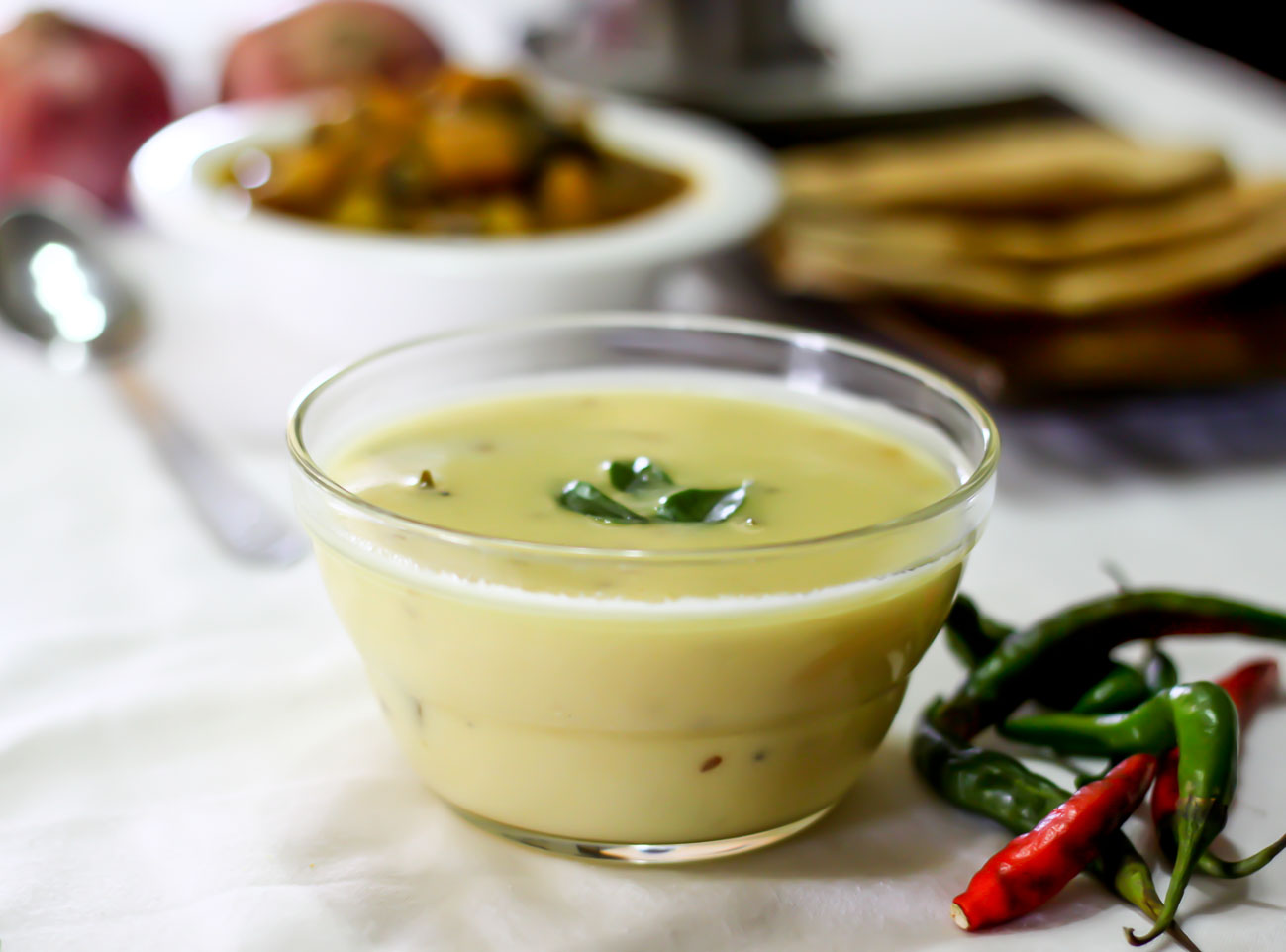
    Gujarati cuisine is known for its sweetness, and its kadhi carries the same quality. In our household, Gujarati meethi (Hindi for “sweet”) kadhi is a winter favourite, and its recipe has passed on from one generation to the next, with a few modifications by each. This dish can be had as a drink, and since we already have the salty kadhi of Uttar Pradesh, complimented with besan pakodas (fillets), Gujarati meethi kadhi is served as a hot and sweet beverage mostly in the evenings. It hardly takes much time and effort to prepare, and is the perfect heavy snack that will fill your stomach in between meals. All you need is a bowl, a saucepan, and some easily accessible cooking materials, and a time period of fifteen minutes to spare.

    Recipe (serves two)

    Ingredients required:

    • 2 big tablespoons of besan (gram flour)
    • 1½ glasses of curd
    • Half a cup of water
    • Turmeric
    • Curry leaves
    • Asafoetida
    • A teaspoon of rai (mustard seeds)
    • Two teaspoons of sugar
    • Salt
    • Whole, dried red chillies
    • 2 teaspoons of oil

    The steps needed:

    • Add the besan and curd slowly in a big bowl, stirring slowly so that no lumps are formed.
    • Put a pinch of turmeric in this mixture. Also, add salt according to taste.
    • In a separate pan, put oil and let it heat on a slow flame.
    • To the hot oil, add rai, a little hint of asafoetida, and some curry leaves. Be careful to not let the curry leaves blacken completely because of excessive heat.
    • On a low flame, add red chillies to the pan.
    • Take the besan and curd paste, and pour it in the pan.
    • Stir continuously so that no lumps are formed while keeping the pan on a medium flame.
    • Let the mixture boil, and then pour it in glasses.
    • Top with a few curry leaves and serve hot.
  • Food and Mood… like Body and Soul!

    Food and Mood… like Body and Soul!

    food-intolerance-getty

    Food is heaven! I know that twinkling eyes when you see your food coming and the joy of relishing all the more tasty food. Have you seen many people are depressed and anxious and why are they?! Yes, maybe the stress of their life probably, but the magic wand which presents food will always likely to make them happy. You know, A lot of it comes down to food. But if you get people eating the right food, they start to feel good instantly. Of course, this is mentioned in conjunction with moderate exercise and overall healthy diet. The foods that boosts level of serotonin levels in our blood forms an important part of achieving balanced mind and body. And the best part is most of the food that makes us happy aren’t that boring as you might think. Surprised, eh?! Read on to get an idea what blissful meals you can when you’re feeling blue;

    Chocolate: Yes, you heard it right. Let’s start with most loved, Chocolate. This might be great news for you as Chocolate actually alleviates your mood. Many studies have shown that people tend to feel better after having small piece of dark chocolate. It reduces stress and experts believe that this is due to the antioxidants it contains. When you indulge, don’t take too much of it, as there are calories too but yes, little for some while is a good idea.

    Fruits and veggies: Do you know experts recommend 4 to 11 bananas per week for optimal happiness. This is because potassium rich bananas are rich in tryptophan and it stimulates the ‘feel good’ hormone, called serotonine. Its not just this fruit but other fruits include blueberries, avocados, pineapple, citrus, beans or dark green vegetables. These are considered good because they contain B vitamins and folate. They give our hormones a boost. These blueberries, avocados are really important because of their antioxidants content, which helps in reducing inflammation and risk of many diseases including cancer. Also, it is well known to eat whole foods to be healthy. So, don’t think twice while having these fruits and veggies.

    Seafood: Fish are a Superfood. Wondering why! Well, because they are full of Omega-3s, which as we know are wonderful for our health. Seafood is generally full in Omega 3s, which is known to reduce inflammation and actually makes a large part of brain and if you consume them more, you are less likely to suffer from depression. Eating oily fatty fish like sardines, tuna will really boost up your mood. So, munch on seafood whenever you like.

    Coconut: The scent of coconut can really de-stress you and blunt your fight or flight response. It is proved by researchers that inhaling a pleasant scent of coconut really enhances alertness alongwith soothing our response to stress. Go, have coconut and smell it and feel the freshness.

    Low fat-dairy products: Dairy foods are excellent source of Vitamin B, D, proteins and minerals including magnesium and zinc and the good part is they contribute to the creation of serotonin in the brain. The cheese you try to avoid because of calorie issues, do you know, is particularly high in amino acids, which generates tryptophan to make serotonin and eventually boost up your mood.

    Saffron: Well, saffron is something loveliest of all and yes, the expensive one too. But I’m sure you won’t know this part that saffron is historically used for depression in Persian traditional medicines and is really effective. It is reported by researchers that women when take pinch of saffron in their menstrual cycles helps in reduction of PMS symptoms by half like depression, mood swings, anxiety etc. Saffron really has antidepressant effect, proven by many studies. Researchers believe that the spice works by same mechanism, helping to make feel good neuro transmitters , serotonin, more available to the brain.

    Legumes and Beans: Eating legumes is like all time recommendation to anyone as they are really healthy. They are like superfood, full of proteins, have no fat and clean your intestines. Legumes such as chickpeas, kidney and bertolli beans helps in maintaining blood sugar levels and which in turn maintains an even temper. Generally, what happens is people eat foods which are readily available and has lot of refined sugars, wheat, cakes, pies and sweets. Legumes, however, slow down the body’s absorption of carbohydrates, also lay off hunger pangs and thus the resultant mood swings that come from not eating right.

    Carbohydrates: You heard it right, I’m talking about carbs. They can make you happy. It holds true that highly refined carbs like cakes, pastas, bread can bring up mood highs and lows, it is still essential to have good carbohydrates in your diet, rather than completely avoiding it. Despite persistent myths, I’m mentioning here that carbs don’t make you fat and can boost up your mood. Researchers have found that carbs promote the production of serotonin levels, so assign yourself this high carb, low-fat dairy, whole grain, beans and fruits. While, following low-carb diet strictly can really affect your mood negatively.

    Basically, food is the perfect solution for a bad day, bad mood. No matter what you have faced the whole day, relishing a good food can uplift your mood in no time. Whatever the challenges are, its easier to cope up when your spirits are high, And it’s hard to be in good mood if you are lacking in some key nutrients or feeling hungry constantly. So, never skip a meal and have food whenever you feel like. Who says healthy is boring. The above listed ones are delicious and most of us love the seafood or chocolate or carbs and the most loved, saffron. Munch as much as you want and enjoy the happiness. Because eating is happy and healthy.

    eat happy

    Healthy Eating. Happy Life.

  • Best Recipes of Kerala

    Best Recipes of Kerala

    Kerala cuisine
    Kerala cuisine

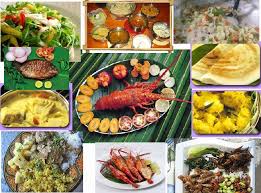
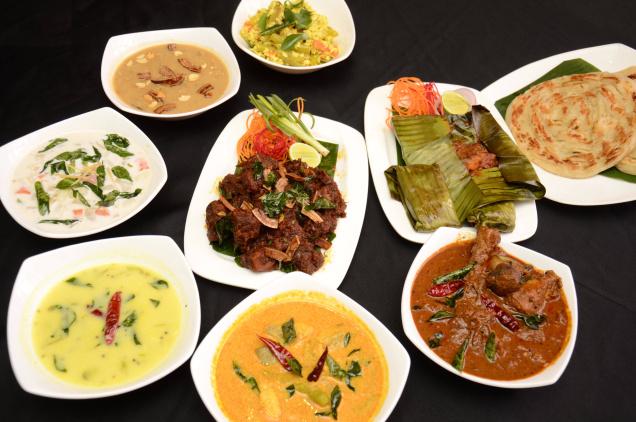
    Kerala’s food culture is mostly dominated by coconut.Kerala’s cuisine is one of the salient features of its culture.The cuisine of Kerala is hot and spicy and the people of Kerala love to experiment with variety of foods.In most of the dishes, people use coconut which adds additional flavor to those dishes.People also use chilies, curry leaves, tamarind in most of their dishes.Generally rice , curry leaves, vegetables for vegetarians and fish for non-vegetarians are the staple food items for the people of Kerala.A variety of desserts also form an internal part of their cuisine.Appam and Puttu are the tasty cakes that are prepared in Kerala.The Nendranga Chips of Kerala, that are made from Banana are famous across the world.The important spices that are used in Kerala cuisine are chili, cumin, dill seed, fennel, fenugreek and garlic.

    Traditional Kerala cuisine
    Traditional Kerala cuisine

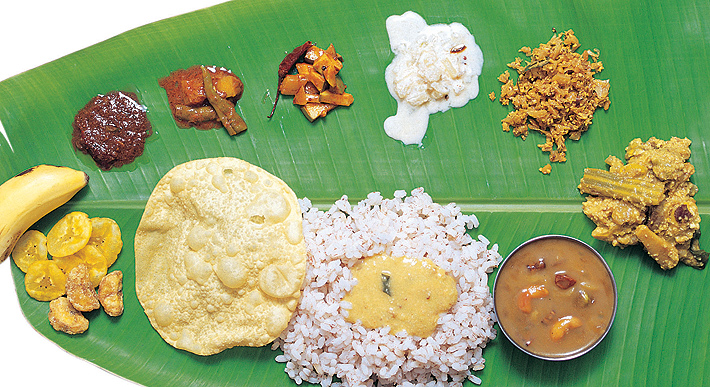
    From ancient times, people from different cultures and traditions arrive landed in Kerala and due to their distinct cultures and cuisines,their influence also was greatly seen in the cuisine of Kerala.The state cuisine is broadly divided into that of the Syrian Christians, Malbari Muslims, Moplah Muslims and various Hindu communities.Depending on the type of these communities, the cooking style and taste changes.Many varieties of dishes are prepared  using rice , vegetables, meat, sea food and few items are prepared using rice flour.Spices are generally used to add flavor to the food items.Meals with multiple items are served on banana leaves that add memorable dining experience.

    Food items of Kerala
    Food items of Kerala

    Kerala food items is not only about recipes, but it also reflects the cultures of different people in Kerala.Hindus in Kerala have a large vegetarian menu and use coconuts in most of their food items.Syrian Christians eat more fish and meat while Muslims prepare delicious bread and biryani.Keralites use coconut oil for cooking which keeps the cuisine distinct from other states.Kerala is famously known as the  ‘Land of Spices’ which has attracted many traders and travelers from centuries. Because of the abundant availability of coconuts in Kerala, it is widely used in almost everything- from hot curries to delicious desserts.Unripe mango is also used in some fish and vegetable recipes.Here are some of  the top recipes that you must taste when you visit Kerala.

    Chemmeem Pollichathu:

    Chemmeem Pollichathu
    Chemmeem Pollichathu

    Chemmeem Polichathu is a prawn recipe made from mostly all types of required spices that adds its taste.The prawns are first marinated and washed with turmeric, chilly powder and salt.The pollicha masala is made and once the vegetables are cooked, turmeric, coriander are added and mixed  with coconut milk.The marinated prawns are wrapped in a banana leaf and grilled on a hot plate by sauted masala to it and are served.

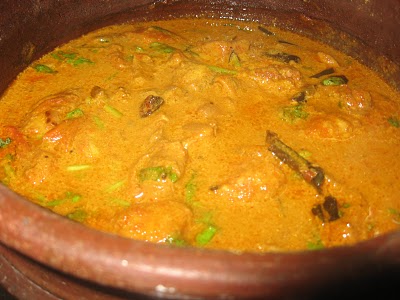
    Fish Mappas:

    Fish Mappas
    Fish Mappas

    Fish Mappas is the favorite food recipe of Kerala.This is a fish curry cooked with  coconut milk and is a perfect combination with appams.As Kerala is full of lakes,fishes are abundant in marine life.Coconut milk adds additional flavor to these Mappas.Fish is marinated for 15 minutes and the fish pieces are heated on a pan until they are half cooked.Then,prepare gravy with the required ingredients and add fish pieces to the gravy.Thick coconut milk is added to the curry by rotating the pan.Put off the flame when the curry starts to boil and the recipe is ready to serve.

    Meen Murringakka Curry:

    Meen Murringakka curry
    Meen Murringakka curry

    Meen Murringakka is a fish curry that comes from the House of Taj in Kerala.This delicious fish curry is made out of tamarind, coconut and drumsticks( famously known as murringakka in Kerala ).The recipe is heated along with onions and red chilies.This recipe is absolutely delicious and is usually served with steamed rice.

    Cheera Thoran:

    Cheera Thoran
    Cheera Thoran

    Cheera Thoran with coconut is an everyday side dish with rice for Keralites.In Kerala, cheera is a variety of Spinach that grows in the backyards of their houses.Most popular among them are the red cheera and green cheera.Cheera Thoran tastes very good with hot white rice.Cheera is rich in vitamins, minerals and antioxidants.This is also a perfect combination with chapathi.Most of the people use this as a side dish along with meat curries, rice, appams, dosa and malabar paratha.

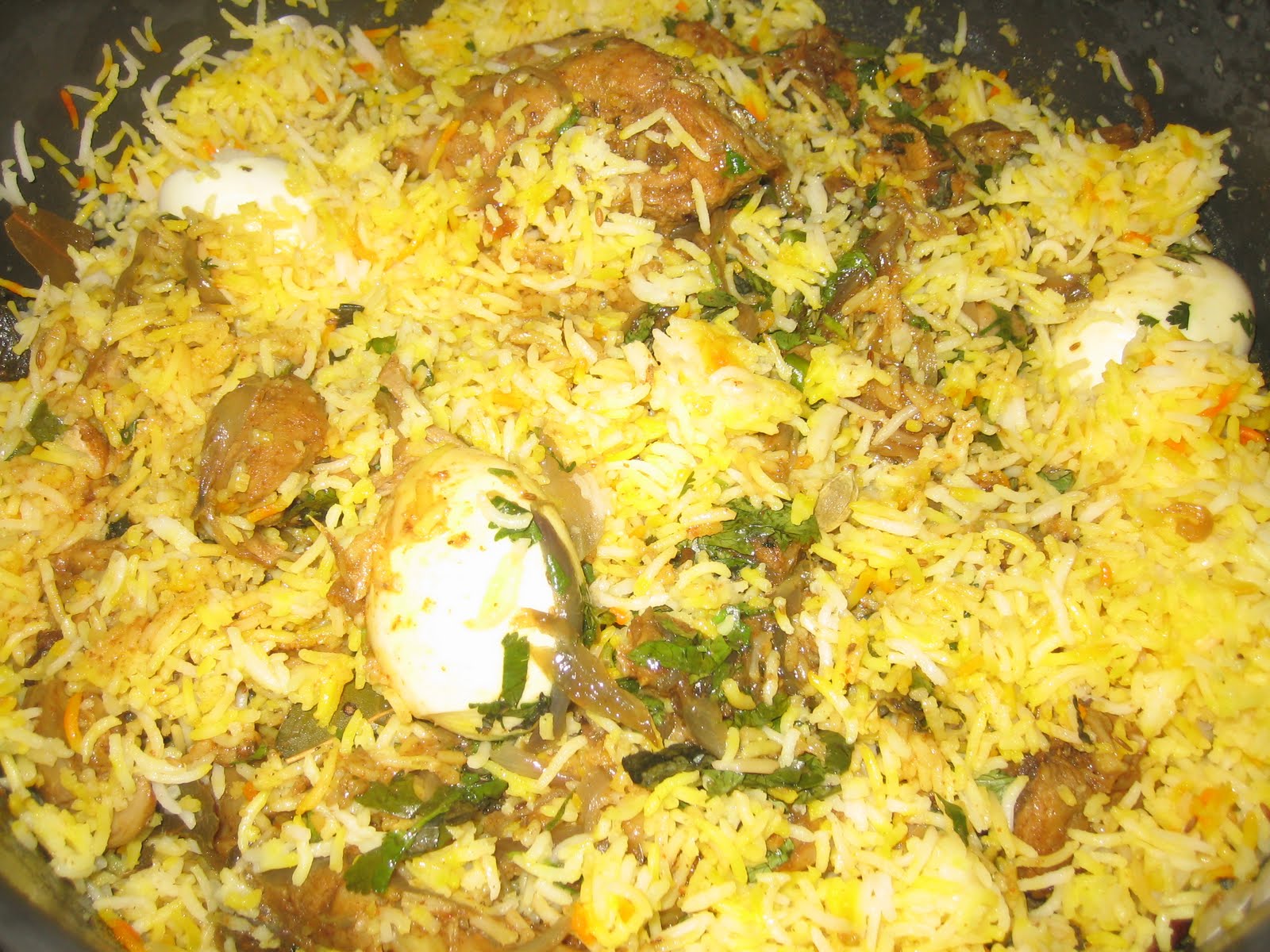
    Kozikode Biryani:

    Kozikode Biryani
    Kozikode Biryani

    This is a famous Kerala chicken biryani.Usually,the name biryani itself makes one’s mouth to water.The name biryani is derived from the Iranian word “birian”, which mean fried before cooking.There are many varieties of chicken biryani and is named differently depending on various places.Traditionally Kozikode biryani is made with rice and leg pieces of goat, but now-a-days people are making it with chicken, beef, egg, fish etc.In most of the special occasions, biryani is made in many houses as a special dish.This Kozikode biryani is made around Malabar Area in Kerala.This recipe is made out of rice, huge amount of spices, small amount of chili and one perfectly boiled egg.

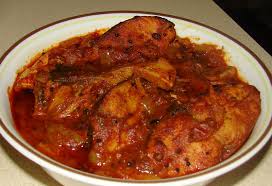
    Kerala fish curry:

    Kerala fish curry
    Kerala fish curry

    As Kerala is having many lakes, fishes are mostly seen in the Kerala cuisine.Fish curries in Kerala gets extra flavor because of the use of cocoum and coconut milk in their preparation.For preparing this recipe, we need a fleshy white fish and fry it by using onion, tomatoes, garlic, green chilis and coconut paste.This fish tastes great with appam, kappa, puttu, chapathi and rice.

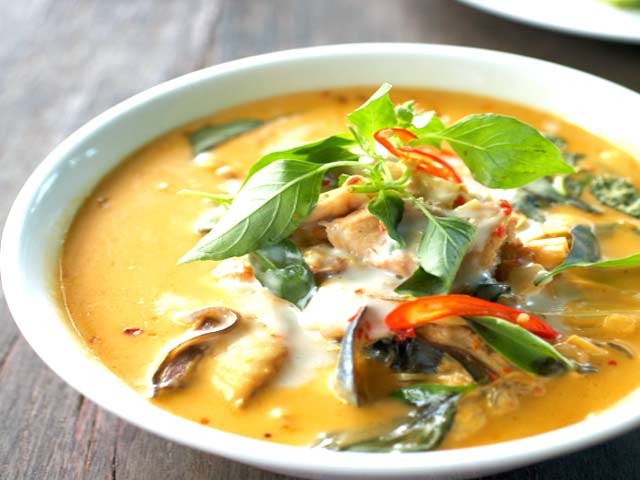
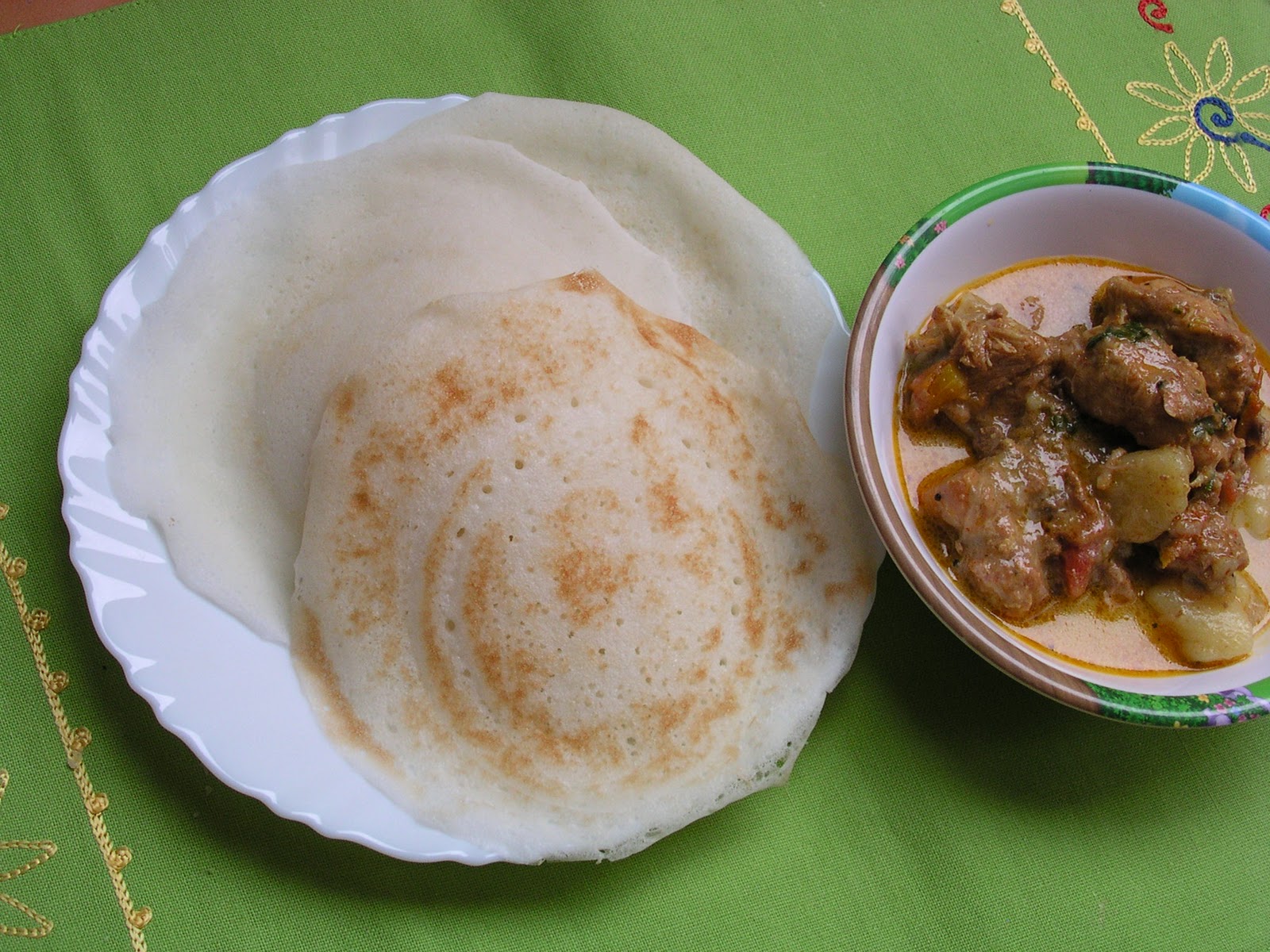
    Chicken Stew with Appams:

    Chicken Stew with Appams
    Chicken Stew with Appams

    Chicken Stew is a traditional Kerala recipe usually prepared on sundays.Lightly spiced chicken stew is cooked in coconut milk with vegetables like potatoes and carrots.This chicken stew is mostly served as a breakfast with bread and appams.Appams are thick at the center and  like soft paper at the edges.These appams  form a tasty combination with any type of recipe.Appams with chicken stew will be a great combination for even breakfast.

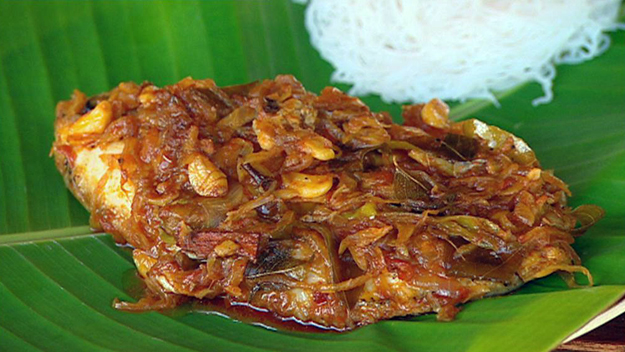
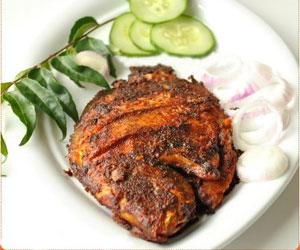
    Karimeen Pollichattu:

    Karimeen Pollichattu
    Karimeen Pollichattu

    Karimeen is a type of pearl spot fish found in Kerala.This Karimeen Pollichattu is a typical and unique fish curry prepared in Allepey.The fish is marinated with rich spices and then baked in a banana leaf.This is one of the delicious fish recipe of Kerala.Once you eat it, you will always wish to eat it.