Tag: health

  • Easy Tapioca Recipes

    Easy Tapioca Recipes

    Tapioca is a starch extracted from ‘cassava’ roots. This plant is the native to the north region of Brazil but today it is cultivated worldwide. Tapioca is known for its nutritional value. It predominantly consists of carbohydrates and is low in saturated fat, protein and sodium. It has no significant essential vitamins or dietary minerals. It is also used in other purposes like tapioca roots can be used to manufacture biodegradable wastes and tapioca starch can be used to starching garments before ironing.

    So here are some easy tapioca dishes that can be tried out in homes.

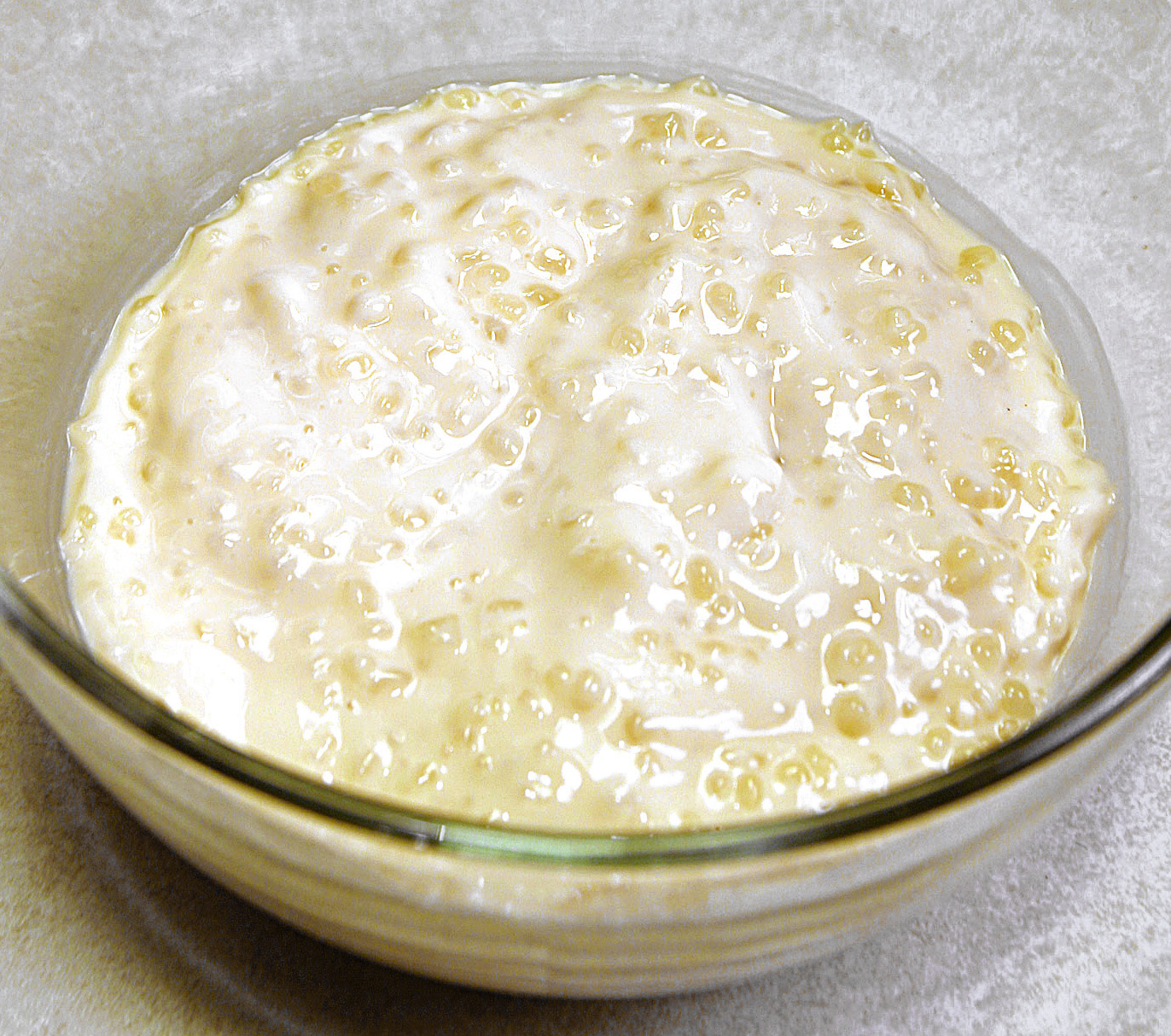
    i)  TAPIOCA PUDDING
    Tapioca_pudding-3

    Time: 35 min

    Ingredients:

    Tapioca- ½ cup

    2% low fat milk- 3 cups (if pearls are soaked overnight, then use 2 ½ cups milk)

    Salt- ¼ teaspoon

    Sugar- ½ cup

    Eggs- 2

    Vanilla- ½ teaspoon

    Preparation:

    1)      Soak tapioca pearls in water the night before to reduce some excess starch (hence less cooking time).

    2)      In a saucepan, mix the tapioca pearls, milk and salt. Stir it frequently on medium high heat until the mixture comes to a boil.

    3)      Now reduce the heat to a minimum and simmer 5 minutes. Add sugar to it gradually while stirring.

    4)      In another bowl, beat the two eggs. Add some tapioca mixture to the eggs and continue stirring, preventing the eggs from scrambling.

    5)      Now add the mixture to the tapioca and gently bring the mixture back to near boiling. Reduce the heat to minimum and simmer, stirring constantly, till the desired consistency is reached.( note that the pearls should be translucent and gelatinous in this stage)

    6)      Allow the tapioca mixture to cool before adding vanilla to it.


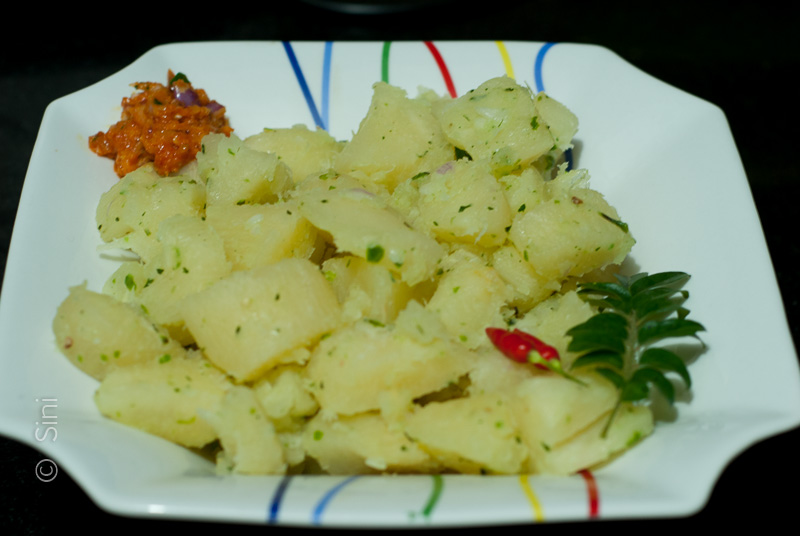
    ii)  BOILED TAPIOCA
    boiled tapioca

    Preparation time: 15 minutes

    Ingredients:

    Tapioca-1

    Salt- to taste

    Preparation:

    1)      Peel the skin of tapioca and wash it thoroughly. Then cut it into big pieces.

    2)      Take these tapioca pieces in a vessel and pour enough water so that the pieces are submerged.

    3)      Now add some salt to it and boil it.

    4)      Cook for about 10 min till the pieces are soft.

    5)      Drain the excess water.

    6)      To make it more flavorful, add mustard seeds and some curry leaves. Also sprinkle some freshly grated coconut on top.

    7)      Now serve it hot.


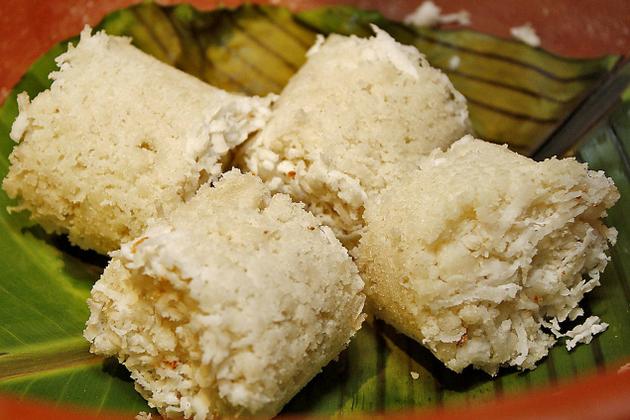
    iii) TAPIOCA PUTTU
    tapioca puttu

    Preparation time: 20 min

    Ingredients:

    Tapioca flour- 1 cup

    Grated coconut- 1 cup

    Onion (big) – 1

    Green chili- 3

    Salt- to taste

    Preparation:

    1)      Cut onion and green chili finely.

    2)      In a bowl, mix tapioca flour, green chili, coconut and onion.

    3)      Sprinkle water to it and mix it well. Now keep the mixture for about 15 min.

    4)      Steam it for 10 min.


    iv) TAPIOCA HALWA
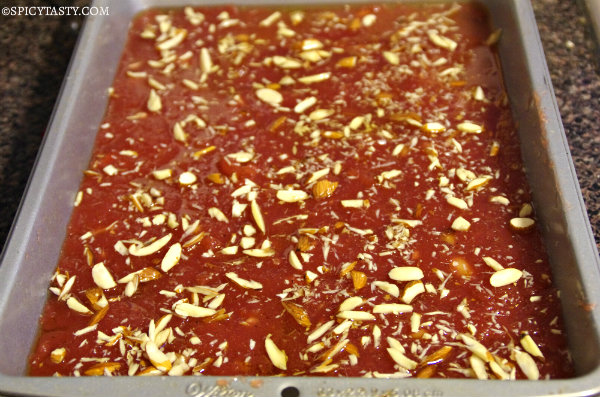
    tapioca halwa

    Preparation time: 30 min

    Ingredients:

    Tapioca- ¼ kilos

    Grated coconut- ½ cup

    Sugar- ¼ kilo

    Ghee- 100 g

    Cashew- 10

    Raisins- 20

    Kesari powder- a pinch

    Cardamom powder- ¼ tsp

    Preparation:

    1)      Remove the skin of tapioca.

    2)      Grind tapioca, coconut and sugar to a thick paste and transfer this content to a bowl.

    3)      Melt 2 tsp of ghee in a frying pan.

    4)      Add cashew and raisins to the ghee and fry it till it reaches a golden color. Now add it to tapioca.

    5)      Add kesari powder, cardamom powder and ghee to tapioca.

    6)      Stem the contents for about 15 min.

    7)      Cut it into pieces when cool. Keep the contents in a cool place.


    v)  TAPIOCA AVIYAL
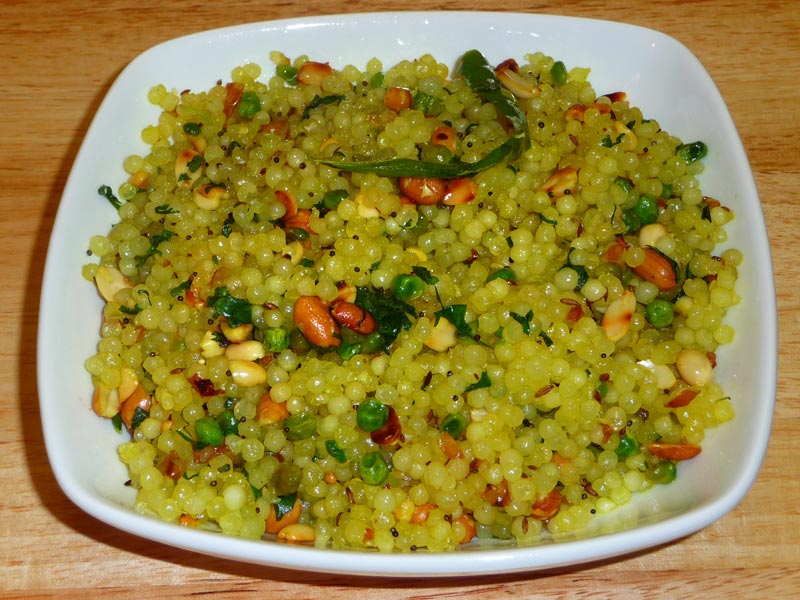
    t. aviyal

    Preparation time: 35 min

    Ingredients:

    Tapioca (cut into long thin pieces) – 1

    Grated coconut- 1 cup

    Shallots- 4

    Jeera seeds- ½ tsp

    Curd- 2 tbsp

    Turmeric powder- ¼ tsp

    Chili powder- 1 tsp

    Curry leaves- a sprig

    Coconut oil- 1 tsp

    Salt- to taste

    Preparation:

    1)      Cook tapioca by adding salt and water and until it is soft.

    2)      Drain excess water and keep it aside.

    3)      Grind coconut, jeera, shallots, turmeric powder and red chili powder into a paste.

    4)      Now add this paste to the tapioca pieces and mix well.

    5)      Reduce the heat and cook the tapioca for about 1 min, stirring frequently.

    6)      Add curry leaves, curd and cook until it is thick.

    7)      Garnish it with grated coconut and remove from heat.

    8)      Serve it hot.


    vi) TAPIOCA CURRY
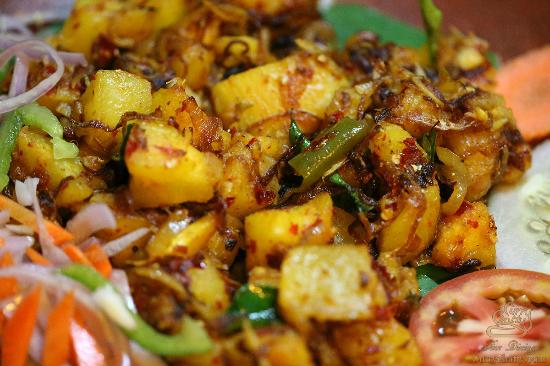
    t. curry

    Preparation time: 20 min

    Ingredients:

    Tapioca- 1

    Grated coconut- ¼ cup

    Cumin- ¼ tsp

    Garlic- 2 cloves

    Curry leaves- a few

    Red chili- 4

    Turmeric powder- a pinch

    Mustard- ½ tsp

    Curry leaves- few

    Urad dal- ½ tsp

    Salt- to taste

    Oil- as needed

    Preparation:

    1)      Boil tapioca with salt and turmeric powder. Now peel of its skin and set it aside.

    2)      Grind coconut, cumin, garlic, red chili and curry leaves into a paste.

    3)      Heat oil in a frying pan and add mustard, curry leaves and urad dal to it.

    4)      When mustard splutters, add grated coconut to it and heat till a raw smell subsides.

    5)       Add tapioca to it and mix well.

    6)      Cook for few minutes and remove the pan from heat.

    7)      Garnish it with curry leaves and serve it hot.


    vii) TAPIOCA PEARLS IN COCONUT SAUCE
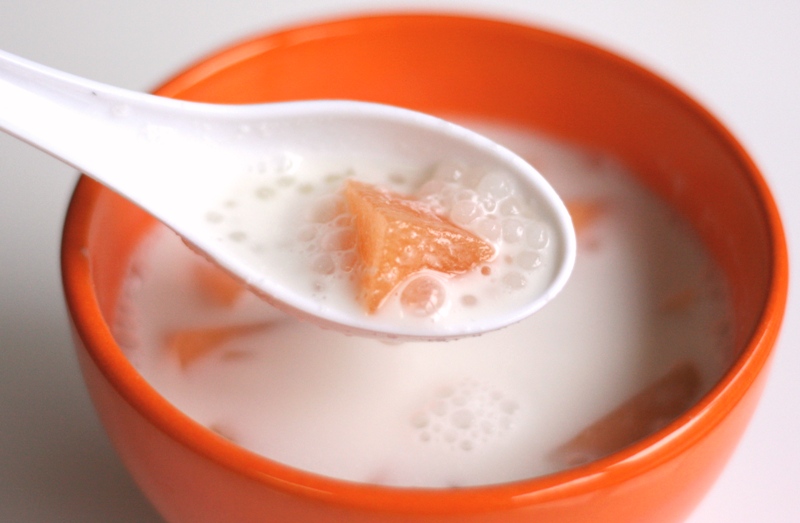
    tapioca-pearls-and-coconut sauce

    Preparation time: 20 min

    Ingredients:

    Tapioca pearls- 100 g

    Sugar- 30 g

    Salt- a pinch

    Coconut milk- 150 g

    Preparation:

    1)      Boil the tapioca pearls in water till it becomes translucent.

    2)      Drain off excess water.

    3)      Now add sugar to it and heat the contents to dissolve the sugar.

    4)      In a separate pan, warm the coconut milk with a pinch of salt.

    5)      Now add the tapioca pearls to the warm coconut milk.

    6)      Serve it hot.


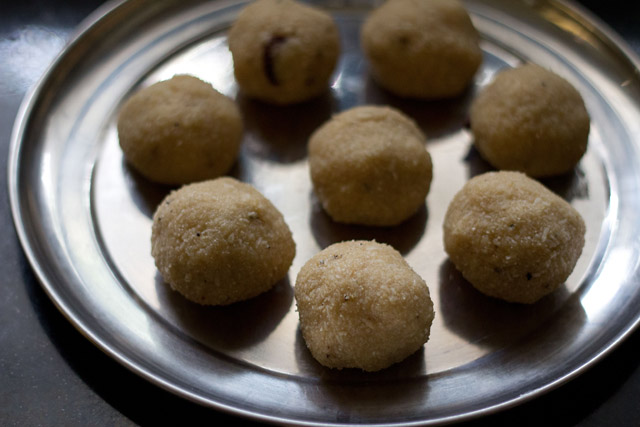
    viii)  SABUDANA LADOO (LADOO MADE OF TAPIOCA PEARLS)
    sabudana-ladoo10

    Preparation time: 45 min

    Ingredients:

    Tapioca pearls- 200 g

    Grated coconut- ½ cup

    Powdered sugar- 30 g

    Ghee/ oil- 1 tsp

    Chopped cashews- 4

    Cardamom powder- ¼ tsp

    Nutmeg (crushed) – 1

    Preparation:

    1)      Roast tapioca pearls in a pan in low flame. This takes about 20 to 30 min.

    2)      Remove the pearls from the pan when it reaches a golden color. Now keep it aside to cool.

    3)      Grind it into a fine powder.

    4)      In another pan, heat the grated coconut.

    5)      Add the powdered tapioca pearls and powdered sugar to it.

    6)      Heat oil/ghee in a pan and roast the cashew nuts in it.

    7)      Now pour this whole mixture to the grated coconut mixture.

    8)      Also add cardamom powder and nutmeg to it. Mix the contents well.

    9)      When the mixture is slightly warm, make medium sized ladoos from it.

  • While Dieting,You Eat!!

    While Dieting,You Eat!!

    hero_pdt_value_au

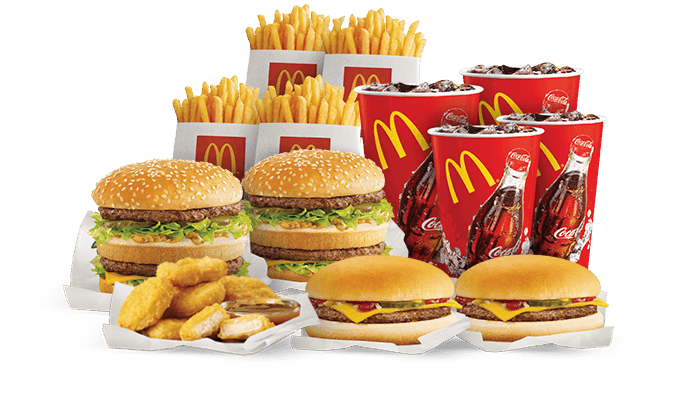
    With the spurt in the number of Mcdonalds and Dominoz all around the country, seldom it is that we find kids and adults alike whom we can term as perfect specimens of the human anatomy. Cheaper and cheaper burgers and fries combos and the easy accessibility of everything unhealthy is taking this Aryan civilization faster to its unhealthy end than we can possibly imagine.And some who are aware of this gradually surmounting epidemic of obesity turn themselves to starving, or dieting as they more fashionably call it.
    And this is where most of them go wrong. If you out the word dieting on google and search for its meaning, the first result it shows is: Restrict oneself to small amounts in order to lose weight” But this is wrong in its most fundamental sense. Living beings need energy to work, breathe and live. And unlike Jaadu(from Koi Mil Gaya) our energy does not directly come from sunlight.We humans, have to have food in order to survive. So, starving, fasting and skipping meals is out of bounds. What we will do today is, get a new regime started for those who are willing to exchange flab with muscle and diseases with health.

    First of all, forget everything that you ever ate anything and that you had a diet schedule planned. Here, we all start afresh. Just like infants do.

    plan

    Secondly, many might have said or suggested to you; plan your meals ahead of time. Forget it. Because, food can’t be quantified beforehand. Suppose you worked out a little extra today, won’t you need an extra glass of milk to balance the energy that you’ve lost? So, never plan your eating. Eat, whatever your heart wants, but from the list that we decide here for ourselves only. Now we begin by clearing off all the things that are clichéd and everyone tells you about them. You should eat loads of fruit they provide vitamins, drink lots of water: gives you roughage, gorge on soups: healthy for your body and all that. But doesn’t everybody know this list by heart by now? So, we come down to those Indian dishes that you can prepare in your kitchen while hunger strikes. Let’s start with dinner.
    Idli Sambhar:

    idli

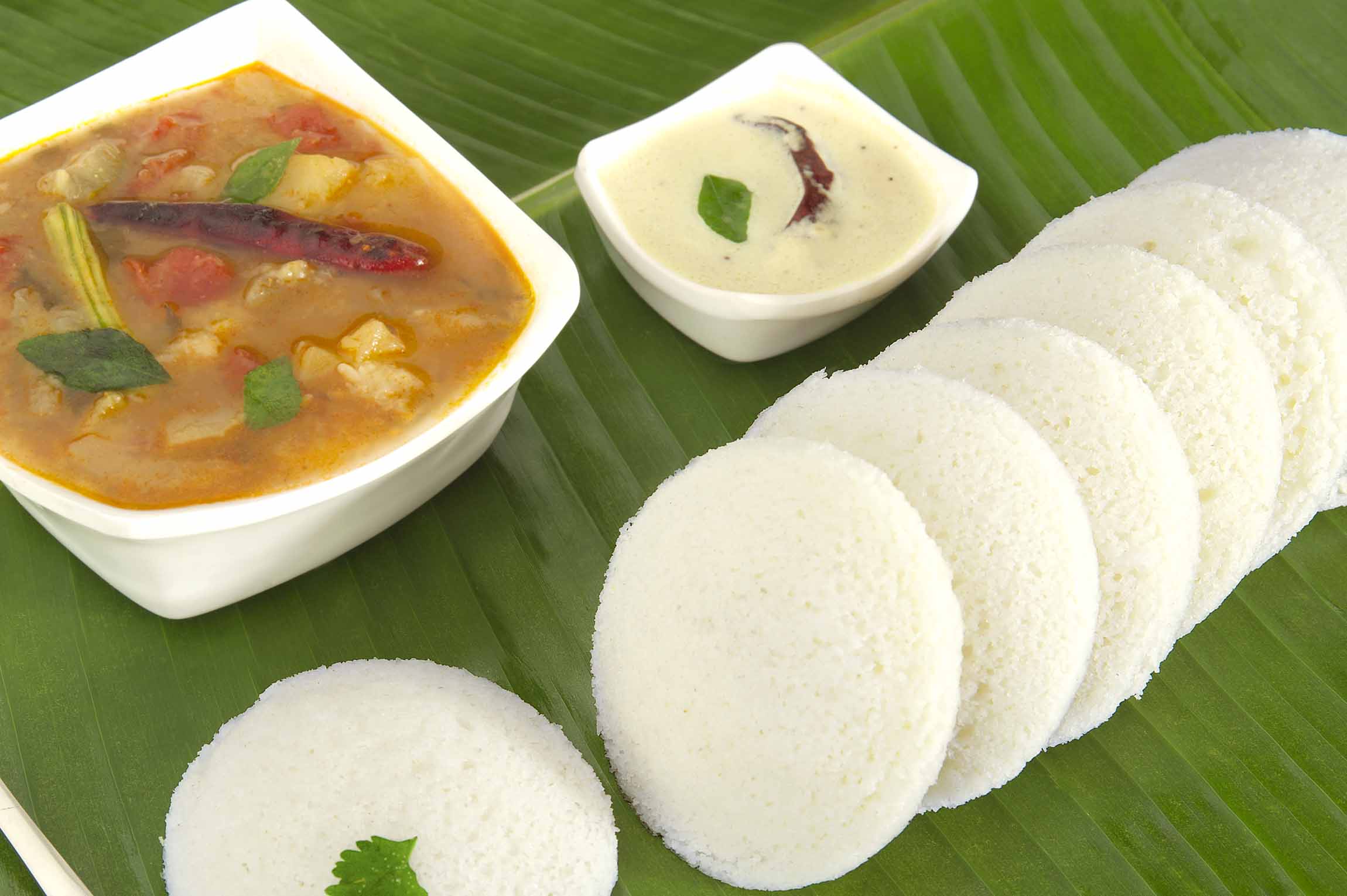
    A blast for the tongue from the South of India and easy on your belly too. This dish makes it to the top of our list of the Indian foods for dieters. Each idli contains just 39 calories, which is a minimal amount in comparison to a healthy 2,000-calorie daily diet. . Idlis contain no fat, no saturated fat and no cholesterol. Consuming less than 16 grams of saturated fat and 300 milligrams of cholesterol lessens your risk of cardiovascular disease and stroke.

    DHOKLA:

    dhokla

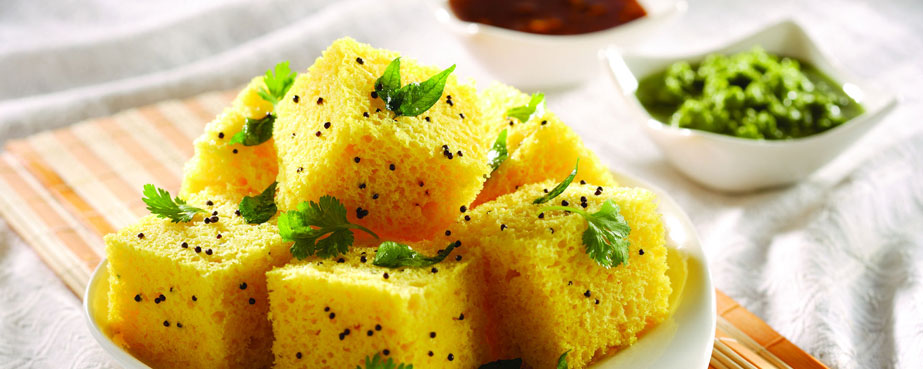
    Going in the reverse order from dinner to breakfast, its time for your evening snack. And what better than dhokla to freshen you up and lighten you at the same time. Yes, it is chiefly made up of Dal and Rice, but don’t cringe as otherwise you would have been gormandizing on chips or samosas for sure. But remember, Dhokla is low in saturated fat, very low in cholesterol, low in sodium, high in dietary fiber and high in vitamin A and C. And for us dieters, low fat is all that matters, right people?

    SPROUTS AND RAITA:

    raita

    To your lunch, let’s start by having some Raita, what say? Now, raita as you all know is made by adding fruits, vegetables or any other thing to beaten yoghurt. And the best part is that one serving includes just 60 calories. To the beaten curd one can add grated bottle gourd or some fruits. But if you are in the mood for some crunch, you can very well add Boondi to it. Boondi, is fried, yes. But a handful of pea sized boondis will do your diet no harm.

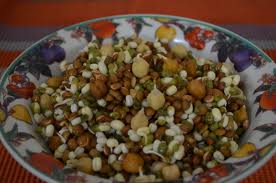
    sprouts

    With Raita, you can have sprouts as the main course and feel a bit Pseudo-European. Keep the pulses in water overnight and in the morning add a bit of lemon, some spices, some cucumber and your lunch is ready in a jiffy.

    OATS AND DALIYA:

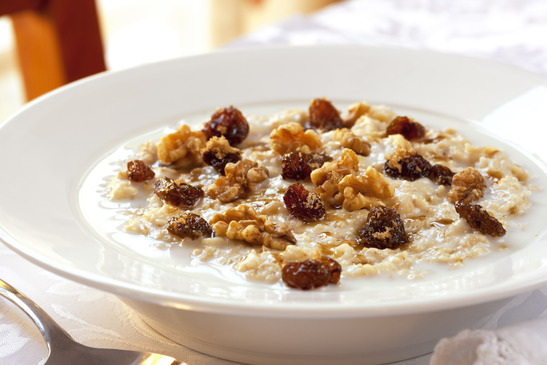
    Oatmeal

    Now, one thing with which we should agree with the hackneyers is that, breakfast should be heavy. And the dieticians have logic and Science backing them too. According to some studies if we consume more calories at breakfast and very less at dinner, this will help you lose weight quicker because if you eat a larger breakfast it will give a kick start to your metabolism and plus you won’t feel all drained and sleepy in that history class of yours. Plus more calories in the breakfast gives you more time in the day to burn them off. For breakfast why don’t we have something milk based, like oats? Well oats take two minutes to cook and trust me, you won’t be able to eat more than one and half cups of it. And hey, no adding sugar at your mom’s back, OK?

    daliya-b-23-6-2012

    Other than oats, you can also have Daliya in the morning. Daliya or Bulgur wheat in Angrezi, is a very light and healthy option for breakfast. Daliya is an excellent source of fiber that keeps you feeling full and also helps to maintain a healthy digestive system. And just like oats, daliya can be either milk based or oil and vegetable based. Now, a little oil isn’t harmful for your body and don’t cringe if once in a blue moon you are fed up of having only milk based diet for your mornings. So, here we are with a very basic diet plan for you to follow and with just one mantra at the end. Never starve yourself, Never. You need food to live. So, just give it a healthy twist and keep eating ( or dieting, whatever you like to call it! ).

  • The Curious Case of Mrs. Hen’s kids!

    The Curious Case of Mrs. Hen’s kids!

    With an amazing lot of activity happening in a day, bachelors or bachelorettes staying alone seldom have time to treat their taste buds right. One day it is a meeting with the boss, another day it is work at home and till the third day you get so tired that it takes an effort to even get up from your bed. And preparing a meal in all this haste seems extravagant and too elaborate an activity to be carried out. And in this rigorous lifestyle of yours, the only thing that suffers is your stomach and more importantly, your taste buds. But we say no more of this! Today let us learn about some new tricks and revisit some old ones about Mrs. Hen’s kids – the eggs.

    Eggs are often restricted to the breakfast and that too you seldom have. Eggs are undermined most of the times, but its importance becomes clear when you need some quick fixes to get you jumpstarted. So, let’s start our romantic affair with eggs which should last longer than your relationship with any other human being.

    1. The Quintessential Omelet:

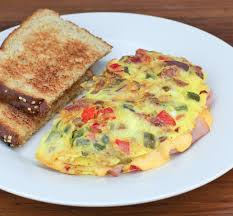
    omelet

    This dish comes in handy when your refrigerator is running dry and your patience is running lose with all that hunger. Two eggs is what it takes to quiet down your stomach till the time you can arrange for something heavy or till Dominoz delivers that pizza you ordered. Breaking the eggs, mixing in some spices that you desire, a pan slicked with oil and the battered egg mixture on the pan. Blink your eyes and your omelet is ready. This recipe is heart-rote to everyone so much so that a more elaborate description would be shaming this article. But people might not be aware of the nutrient punch this wonder sphere packs with itself. An egg contains 6 gms of Protein and 70 calories. Now while you rejoice that omelet with toasted bread, let’s move onto our next big egg thing.

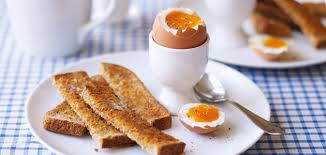
    2. Eggs with soldiers:

    sol

    There are times at night when you just crave for something to eat and are bored of the traditional egg recipes. Well in that case we have this amazing recipe for you. If you only have 5 minutes to spare, this recipe will be even more perfect for you. Place 4 eggs in boiling water and cook over low flame for 4-5 minutes. Caution: Do not let the eggs come to a boil. Now remove the eggs from the saucer and peel off the tops of the eggs. Add in some salt and desired spices on the top and eat the newer rgg recipe with bread sticks. Taste bhi, health bhi!!

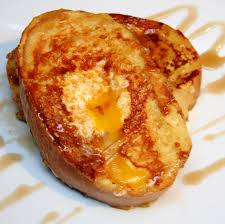
    3. French Toast:

    fr

    Again. A relatively new and old recipe. Take out that borderline expired loaf of bread from your refrigerator and batter 4 eggs with spices added. Meanwhile, light up the stove and put a pan over with a slick of oil. Dip both the faces of a bread piece deep into the battered eggs such that both the faces are smeared with egg residue over their entire surface. Put it on the pan and cook for a minute maximum both sides. And voila! Your French toast are ready in a jiffy. Soak in 4-5 breads and you will be content for the next few hours to go.

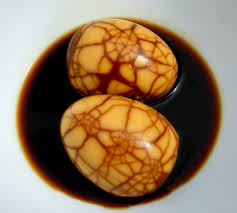
    4. Tea Egg:

    tea

    Now Tea egg might take up some time, but this is nevertheless a newer recipe that people might have heard less about. Tea egg is basically a Chinese snack. Take a few eggs and boil them for 7-8 minutes. Boil them till the point where cracks develop on its surface. Drain the water but don’t peel the eggs yet. This crack-laden egg is then again put to boil in tea or sauce or spices. This dish is also called marble egg because the cracks in the shell create darkened lines with marble-like patterns. Chinese people commonly use a five-spice powder which contains cinnamon, fennel-seeds, cloves and Szechuan peppercorns. The eggs are boiled in the spiced-tea liquid and simmered at medium heat. The simmering allows the liquid to seep through the cracks and attribute flavors to the boiled eggs.

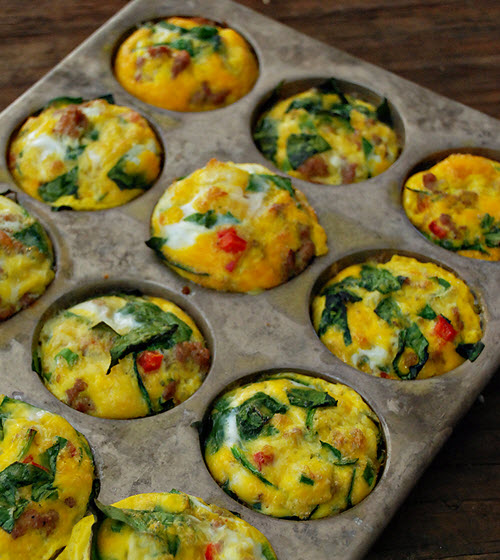
    5. Quick Egg muffin:

    Southwest_EggMuffins2

    People with a frenetic paced lifestyle must already be making merry at the name of the dish. The name in itself has quick in it. And you can be sure of one thing; this dish lives upto its name. Egg muffins are like Frittatas just smaller in size. This dish is prepared using scrambled eggs added with fresh chopped spinach and shredded sharp Cheddar Cheese. Whisk the eggs just like you do for an omelet, with spices, onions and spinach if you like. Cook in the microwave oven for 45 seconds and your hunger is done. It’s gone with the sound of the microwave’s beep.

    6. Eggs Benedict:

    benedict

    Eggs Benedict is an American breakfast and usually served along with ham or bacon. To make this dish you will have to devote some of your precious time, but the result will have you amazingly thrilled. First you have to make something the world calls the Hollandaise sauce. This is made by whisking egg yolks and squeezed lemon juice together in a bowl till the mixture is thickened and doubled in volume. Put the bowl in a steam bath and do not let the eggs get too hot or they will scramble. Add some froze butter cubes and continue to whisk till the btter melts. Remove from heat and whisk in salt and pepper and cover it. Heat the bacon and toast the English muffins. Cook some more eggs till the egg white is set and the yolk is soft. Lay down the muffin, bacon on its top, the half fried egg on its top and pour the Hollandaise sauce over. Garnish with some salt and pepper.

    And there you have it, 6 quick fixes with eggs that are not to be missed.


  • The Best Veggie… BROCCOLI

    The Best Veggie… BROCCOLI

    BroccoliCheeseSoup2

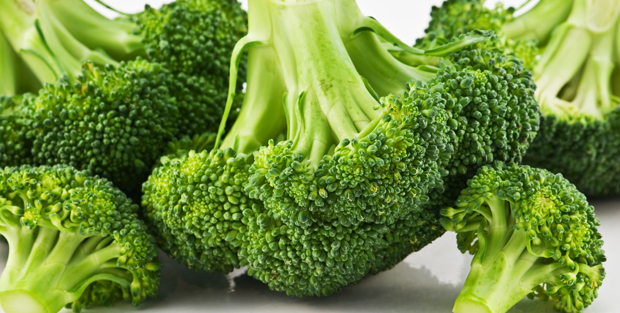
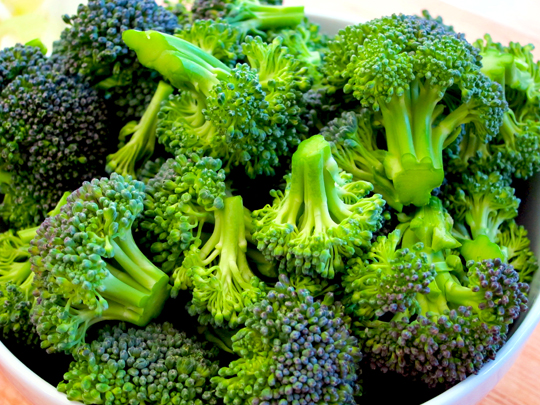
    The luscious, green cruciferous veggie called Broccoli is well-known and liked by all. When it comes to health benefits, it has almost every benefit to offer and people love it for its qualities. This vegetable can increase the attractiveness of almost anything be it salad, in raw form or cooked with peas exclusively. The reason for the fan following of broccoli is due to its nutritional profile which is unbeatingly impressive. When one is eating broccoli, he is sure to get dozens, no actually hundreds of nutrients that support optimal body functioning. If you want to know about the origin of word ‘Broccoli’, it comes from Italian word, basically which means ‘flowering crest of the cabbage’ and is generally characterised by large flower head, green in colour. This large  green or purple flower head is the reason that it is known to contain Phyto-nutrients that are found to have disease prevention and health maintenance properties. Broccoli is rich in Vitamin A, K, C, iron, zinc, B-complex vitamins phosphorus and dietary fiber. Also, it contains a very important compound, called glucoraphanin. Infact, just a 100gm serving of broccoli will provide you with 150% of daily recommended intake of vitamin C and regarding calories, it just contains 32 calories per 100 gm. Due to the presence of Vitamin C in such high quantities, it has gained so  much popularity, as alongwith this, it is also a very good source of Omega-3 fatty acids.

    To prepare Broccoli, it is recommended to cook only the amount one is going to eat for dinner or lunch and better not to keep extra with the purpose of consuming it later, when given fresh broccoli will be cooked in few minutes. Also, it is best to not overcook your broccoli as it will turn to mush and will take a very unappealing green colour and then you wont feel like eating it. Before Preparing, wash the broccoli in running water and don’t soak it in water. To cook it quickly, cut lengthwise slits in the stems, also, leaves are perfectly edible and contain the concentrated amounts of beneficial nutrients. Also, while cooking take care of the temperature by sticking to a low temperature to support your nourishment. It is good to eat freshly raw or half baked or cooked to get all the nutrients and to enjoy the benefits. As, the broccoli is available the year round in the market , it is preferred to choose bright, compact firm textured florets of broccoli seemingly rich in flavour and avoid the overmature flower heads with yellow buds, hollow stem and excessive branches.

    Redzel-Fresh-Broccoli

    Here are some enlisted benefits of broccoli and trust me there are many;

    It prevents or at least reduces Cancer risk: This is the number 1 benefit of broccoli. Researches say that just eat broccoli three times each month and one could potentially reduce the risk of bladder cancer by 40 percent. The reason being that Sulforaphane in broccoli has been known to kill cancer stem cells, thereby striking the root of tumor growth. Even it was found in a study that men who ate broccoli showed a number of  beneficial changes in genes that are known to fighting cancer.

    Prevents Diabetes and improves heart health: Eating it promotes the production of enzymes that helps in protecting heart blood vessels and reduce the molecules that damages them. It is this Sulforaphane that reduces the number of molecules that reduces cell damage. As, people with diabetes are more likely to develop cardiovascular disease such as heart attacks and strokes and Eating broccoli might help in reversing these effects.

    Prevents Arthritis: The sulphur rich broccoli compound blocks a key destructive enzymes that contributes in damaging cartilage. So, increasing broccoli in your diet can slow down and prevent arthritis. So, older people should start eating more broccoli and even the younger ones should develop taste of this wonderful veggie.

    Improves the eyes and skin health: Yes, the added benefit of broccoli is that it improves the skin health not by eating it though but by directly applying it. It prevents the skin cancer and improves the skin when damage is caused by UV rays of sun. Also, due to stimulation of variety of antioxidant defense pathways in your body, it slows down the ageing process. Moreover, broccoli also maintains eyesight as it contains Vitamin A in the form of cartenoids.

    Broccoli, overloaded with so many benefits for health, really makes it a wonder food. The range of benefits it offers like it alkalizes the body, helps in reducing cholesterol, maintains the right blood pressure and yes, is an excellent diet aid as it curbs overeating.  This veggie, broccoli is powerful antioxidant and boosts immune health and prevents cold. The working of broccoli for cancer prevention goes like this; The combination of antioxidant, anti-inflammatory, and detoxification components in broccoli make it a unique food in terms of cancer prevention. Connections between cancer development and oxidative stress, chronic inflammation, and inadequate detoxification are so well-documented in the research that any food improving all three of these metabolic problems is meant to be highly likely to lower the risk of cancer. The broccoli is the one, that is showing strong signs of decreased risk of prostate cancer, colon cancer, breast cancer and ovarian cancer. Recent studies have also provided us with a much better idea about the amount of broccoli that we need to lower our cancer risk and it is found like 1/2 cup of broccoli which is 22 calories per day can be enough. Though, some people are reluctant to have broccoli, the reason can be any many be they don’t like the taste or whatever, but even, a 2-cup serving twice a week would meet this minimum average amount, and this shows that it is a very little minimal amount in context of week’s food. You know, broccoli can provide you with some special cholesterol-lowering benefits, if cooked by steaming. Well, the benefits are innumerable and that’s the reason it has been counted as one of the world’s healthiest foods. Broccoli is like super pack of health food. The nutritional punch, that broccoli has, is irreplaceable from any vegetable. For diet conscious people, this is something perfect being high in fiber. So, keep eating this rich green food, Broccoli.

    Healthy Eating. Happy Life.

  • Why Brown Rice…?

    Why Brown Rice…?

    brown-rice-jar

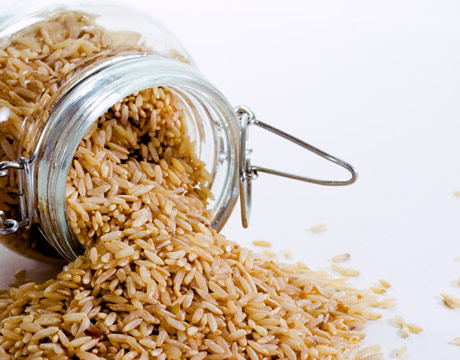
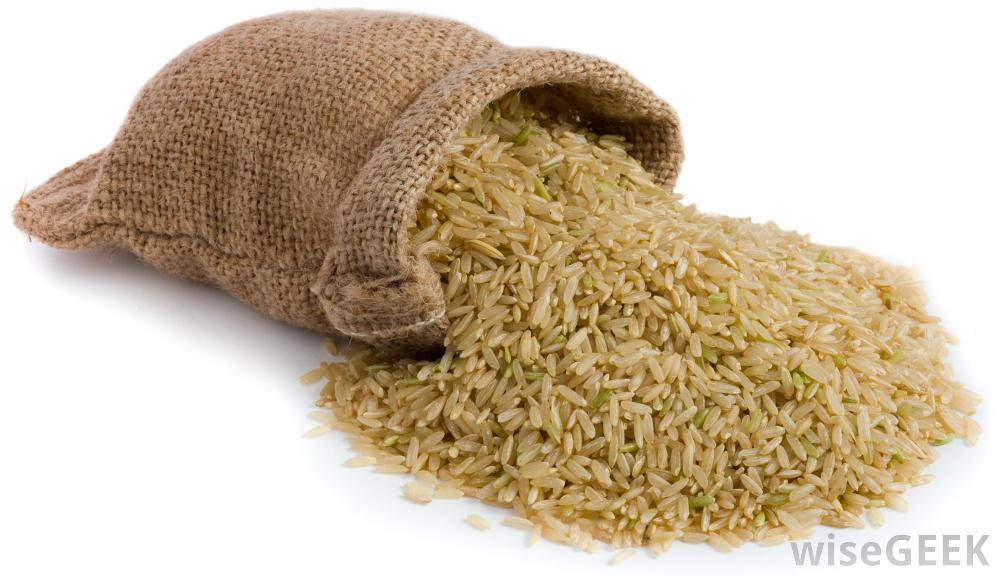
    Well, Brown rice is something probably everyone has heard of and is now too common to see in grocery stores. And, they are better than White rice; most of us know that! Though it is true that White rice looks more attractive and delicious than brown rice because of its texture and majority of people choose white one but that doesn’t mean it makes them a healthy alternative. According to many studies, it has been proved that Brown rice is the top choice in terms of nutrition and inherent health benefits.

    Now, the question comes, Why Brown Rice?? The answer and the reason lies in the Process, which occurs like, before white rice went through refining process, it looked exactly like brown rice. Brown rice , actually are still left with the hull and bran which renders it quick cooking time thus making it easier to digest as it’s much lighter in the stomach and are also regarded as unpolished rice. These side hulls and brans provide them with natural “wholeness” to the grain and are rich in proteins, magnesium, calcium, fiber. The health benefits associated with replacing White rice in your diet with Brown rice are like it reduces the risk of Type 2 diabetes and also help in losing weight. The well known fact is that eating whole grains is critical part of any diet. Also, there was study by Harvard Medical School, which solely  confirmed that gaining weight  was inversely associated with the intake of high-fiber, whole grain foods. This literally meant that taking more whole grain foods will lead to less weight gain. That’s the reason why these all bran corn flakes or whole grain breads are recommended for people trying to lose weight. It proved that women who consumed more whole grains consistently weigh less and were very less likely to gain more  weight compared to those eating foods made from refined grains. The enlisted benefits of brown rice being counted are;

    brown-rice

    High source of Anti-oxidants: The best thing, if any about brown rice is that they are rich in antioxidants. Usually, the general perception is that the antioxidant intake is associated with blueberries, green tea or other fruits and vegetables. The antioxidant capacity of brown rice is right up there with these superstars, giving you all the lovely benefits like these wonder foods. So, learn to enjoy its taste.

    High Fiber Content: Brown rice contains high fiber content , supplying 14 percent of the recommended daily value for fiber, which is an important nutrient to prevent cancer and is considered as number one food to prevent colon cancer. All this is attributed to the high levels of fiber as it attaches to substances that cause cancer and toxins, thus eliminating them and preventing in developing in those areas. Also, fiber is known to promote cardiovascular health.

    Perfect Baby Food: Brown rice in itself is a cereal and this is what makes it a perfect food for babies due to natural nutrition and fiber it is known to contain. Moreover, it is excellent food for preventing the risk of asthma in childhood as studies show that whole grains like brown rice or fish lowers this risk by 50 percent. This is better choice than polished and refined white rice as growing babies require nutrient rich diet to maintain their rapid growth cycles.

    Rich in Selenium and Manganese: Brown rice has very rich content of selenium , which is known to destroy cancer cells and even repair DNA. What is worth knowing is that just one cup of brown rice contains 88 percent of the recommended daily value of Manganese, which reduces the risk of common illnesses, such as arthritis, cancer, heart disease and fights the risk of developing free radicals. Manganese is very beneficial for our nervous and reproductive benefits and plays a key role in synthesis of fatty acids.

    A Slow release in Sugar: Do you know that Brown rice helps in stabilizing sugar levels, and this is what makes them an excellent choice for diabetic patients. Studies show that people who consume atleast half cup of brown rice daily have more stabilized sugar levels than the ones who eat white rice. Just eating whole grains like barley, whole wheat or brown rice will lower the risk of developing type 2 diabetes.

    Good Source of Phytonutrients: These compounds which have anti inflammatory properties are naturally found in plants and they tend to act as antioxidants. Many researches have shown that brown rice are known to provide as much phytonutrients as other foods like fruits and veggies.

    If you havn’t consumed brown rice yet, it is required to develop taste for them. Though they tasteless, but still. So, first you should mix 1 cup of brown and white rice each, when making for the first time. Then, gradually reduce the portion of white rice while cooking and eventually you’ll end up making and eating brown rice solely in your diet. And, you will soon start liking rich nut like flavour and brown texture of your rice. Then, continue with this brown rice diet and enjoy the wholesome benefits. As, rice is such a popular menu option in all the cuisines and in almost all the cultures around the world. So, when there is such a healthy option for us, why should we ignore it. Generally, people don’t know much about brown rice and unconsciously go for white rice in grocery stores as they loved the aroma and are so used to it. But, with so much talking about brown rice, now people have started taking brown rice as they are loaded with nutrients and their awesome wholesomeness. Non-Basmati makes a good dinner and fends off hunger cravings; And with so many health benefits, its not easy to avoid them now. Also, taste for them develops with time and altogether your health also will improve. Also, try these healthy delicacies as above and enjoy the deliciousness.

    Healthy Eating. Happy life.

  • A Platter of Vegetarian Kebabs

    A Platter of Vegetarian Kebabs

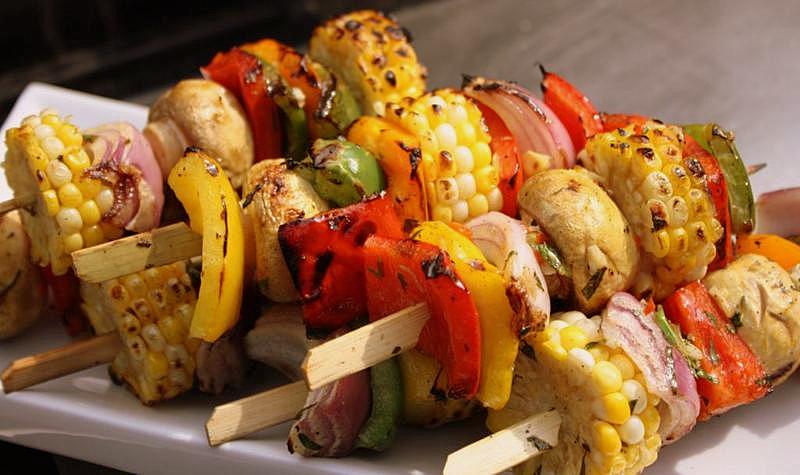
    Originating in the coastal countries of the eastern Mediterranean area, kebab is a versatile dish made by roasting and grilling pieces of meat, fish, and vegetables, over a skewer or a spit. The dish quickly spread in popularity and consumption throughout the nations of the Middle East, and then central Asia. The kebab traces its historic roots to before the 17th century B.C., and even the ancient Greek poet Homer mentions an erstwhile archaic dish resembling the same, and enjoyed all over his country in his works. However, a Turkish script by Kyssa-i Yusuf which dates back to around 1377, first properly mentions the culinary concept of the word, which is derived from the Persian language, and literally means “fry”, and sometimes “fry and burn”. Legend has it that the kebab was invented by medieval Persian soldiers who grilled meat on their swords over open-air fires in the battlefield. It quickly gained favour of both the classes and the masses, being served as the royal fare in various Islamic states over the ages, and as a much sought after and easily accessible snack or main course dish for many commoners, and the trend continues even today.

    Although lamb is the traditional choice of meat for making the kebab, there are many variants available in different meats and vegetables all over India due to religious constraints and direct or indirect dietary restrictions. Indian kebabs, whether they are vegetarian or non-vegetarian, have a unique and popular flavour of their own, owing to the wide spectrum of masalas (spices) and herbs native to the subcontinent. Apart from the numerous Indian innovations in the art of kebab making, the sheesh, shammi, tikka, and shawarma, original types of kebabs are also available everywhere, and can be found easily in small roadside eating joints as well as in top notch restaurants and hotels. The cities of Lucknow and Hyderabad are famous all over the country, owing to their thousands of decades-old, local eateries and food establishments which sell different types of primarily meat kebabs, ranging from tunday to kalmi and tangdi to reshmi, and have thus contributed a lot to culture, food, tourism, and economy.

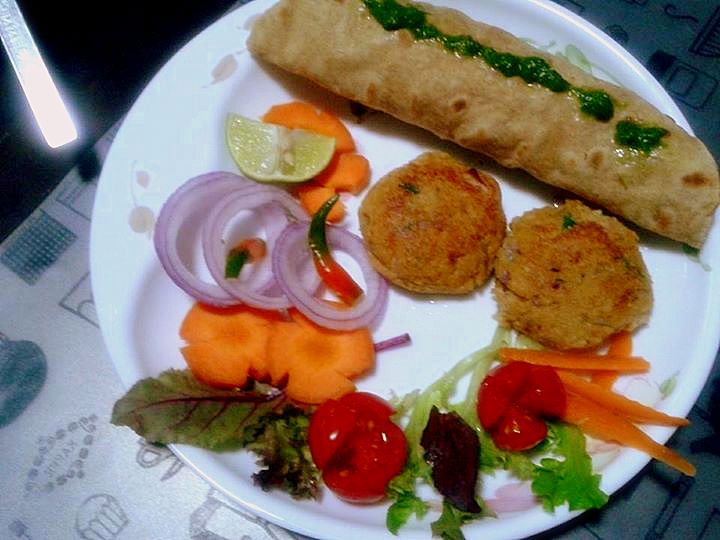
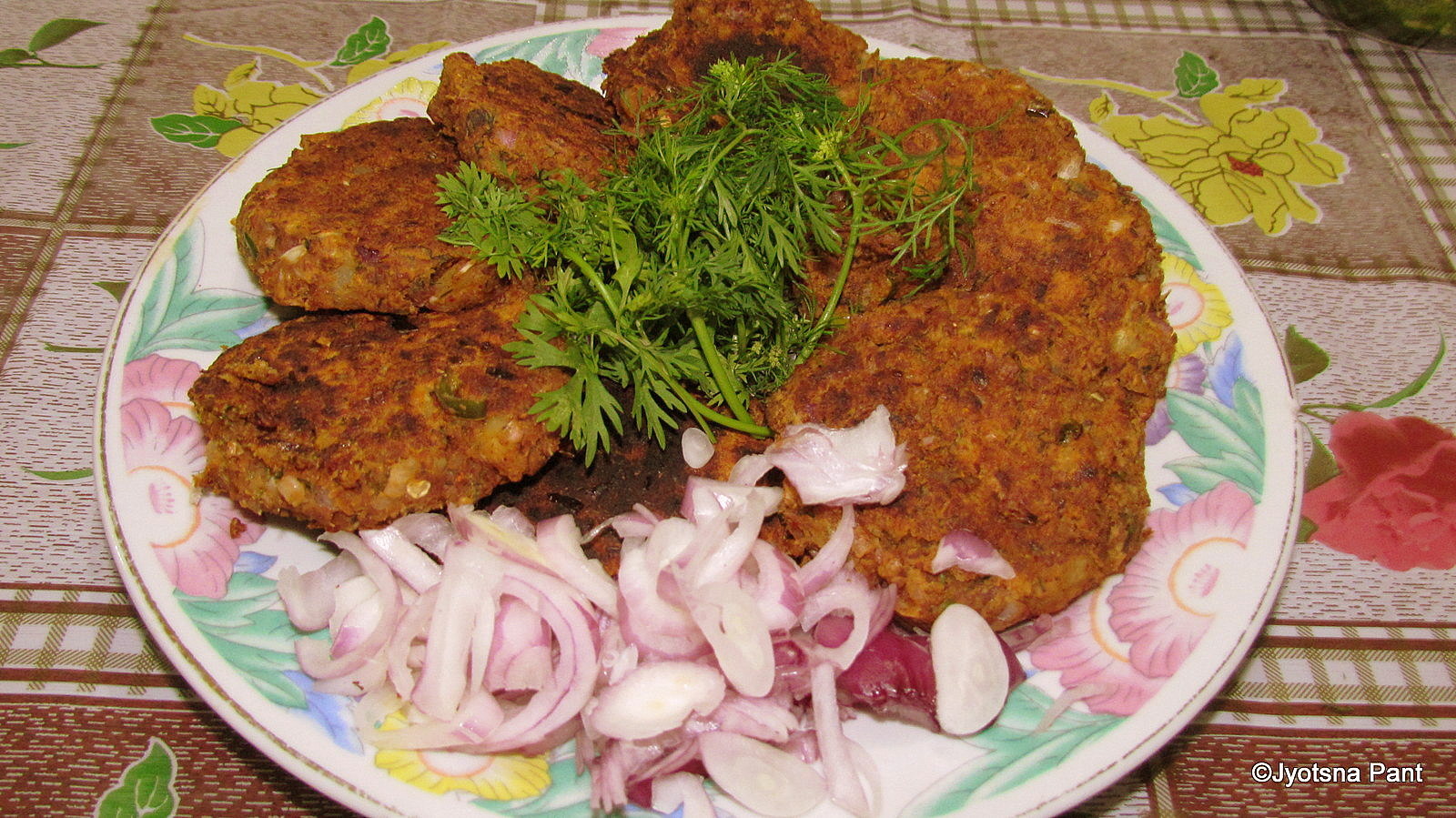
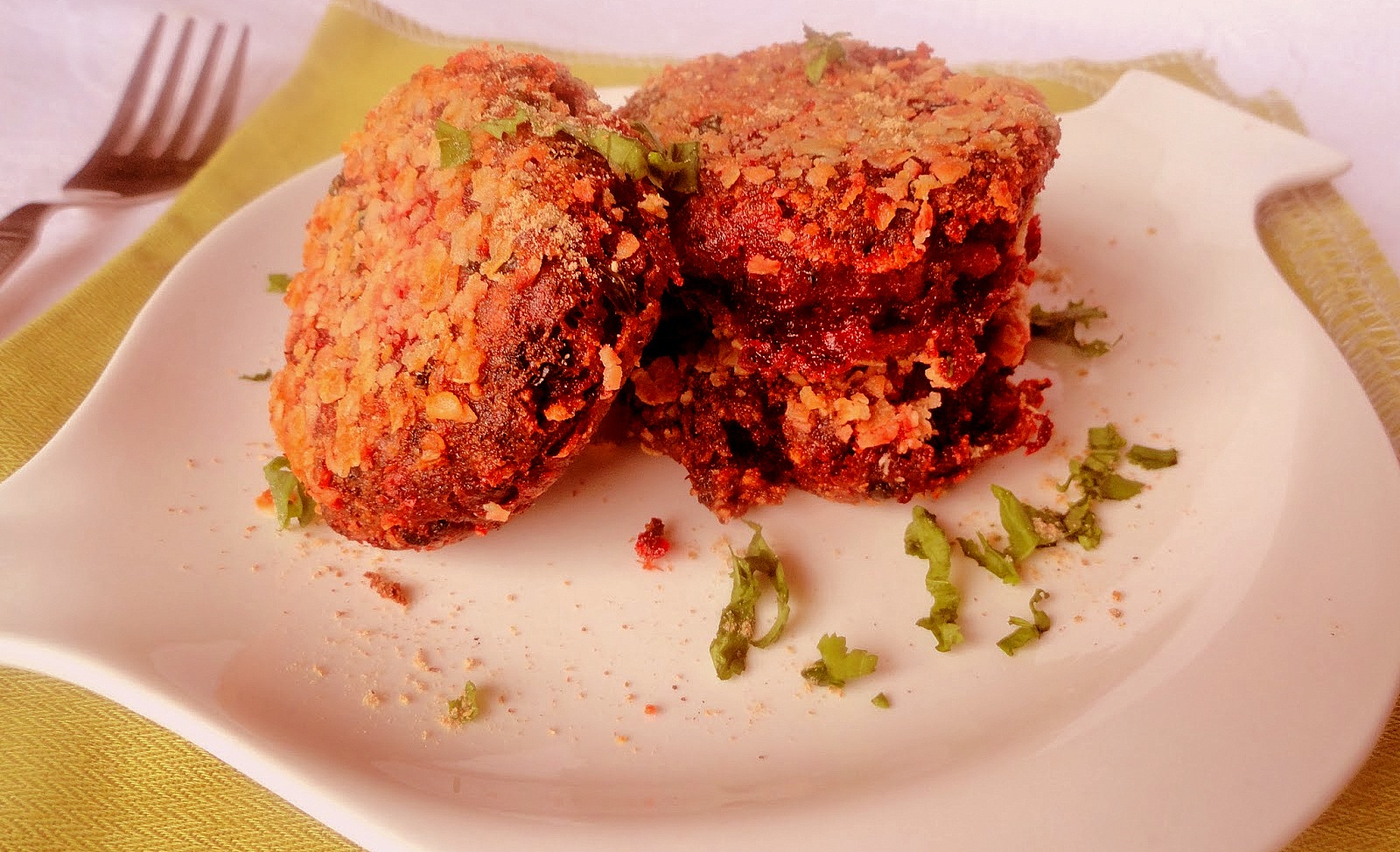
    While you can get non-vegetarian kebabs from anywhere, the vegetarian types are a rarity to find outside one’s house, and they are generally overpriced in the restaurants they are available in. Vegetarian kebabs can be easily made at home, with simple ingredients, and less elaborate methods than their non-vegetarian counterparts. This article will provide you with three novel recipes, all made wonderfully by my favourite chef in the world, my grandmother, for these lesser known variants, namely, shalgam ke kebab, kela chane kebab, and chukandar ke kebab.


    Shalgam ke Kebab (serves 4-6 people)

    Ingredients needed:

    • 7-8 bulbs of turnips
    • 2 tablespoons of roasted besan (gram flour)
    • Finely chopped onions
    • Finely shredded coriander, chilli, and ginger
    • 2 medium sized boiled potatoes
    • Salt to taste
    • 1 small teaspoon of garam masala powder
    • Vegetable oil

    Steps required:

    • Thoroughly wash the turnip bulbs, and then carefully peel their outer skins off.
    • Put the skinned turnips in a pressure cooker and steam thoroughly.
    • Once the turnips cool down, mash them and drain out the excess water.
    • Mash the boiled potatoes and mix them with the turnips. Add coriander, chilli, ginger, and onion to the mixture and be careful to make it consistent with dough.
    • Add garam masala and salt accordingly.
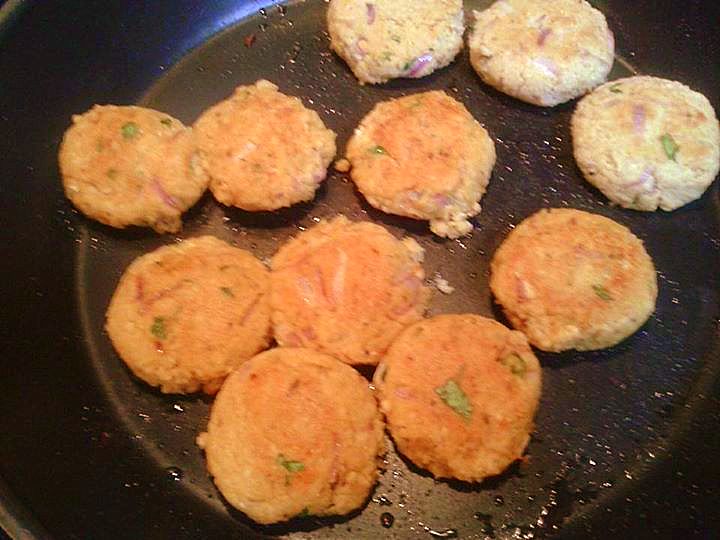
    • Make small balls of the prepared dough and flatten it into small cutlets or flattened disc shaped portions.
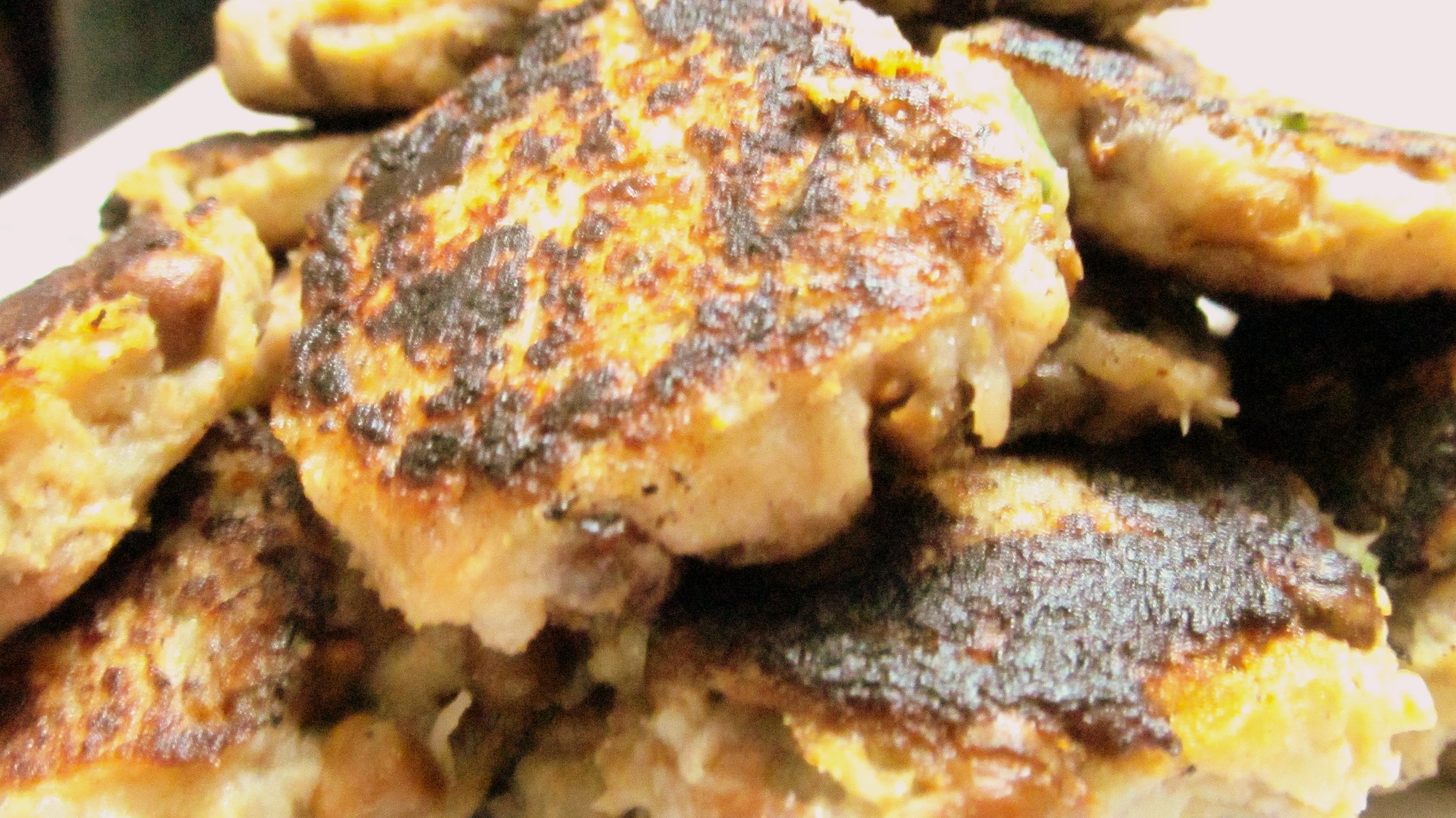
    • Shallow fry on a tawa (pan) until the kebabs are thoroughly cooked and are a rich golden-brown in colour.
    • Top with sprigs of coriander and rings of onion. Serve hot, with a chutney of your choice.


    Kela Chane ke Kebab (serves 4-6 people)

    Ingredients needed:

    • 5 clean green unripe bananas
    • 1 bowl of soaked chana dal (gram beans)
    • Finely chopped onions
    • Finely shredded coriander, chilli, and ginger
    • Salt to taste
    • 1 small teaspoon of garam masala powder
    • Vegetable oil

    Steps required:

    • Make sure to wash the bananas thoroughly with fresh water before beginning. Once they are clean, steam them in a pressure cooker with their skins intact.
    • Steam the dal separately to a soft consistency.
    • Once both ingredients cool down, peel the bananas, and mash together with the dal to make a dough.
    • Add garam masala and salt. You can also add other spices such as red chilli powder if you prefer.
    • Shallow fry on a pan.
    • Garnish with sprigs of coriander, and serve with onions and chutney.


    Chukandar ke kebab (serves 4-6 people)

    Ingredients needed:

    • 7-8 beetroots
    • 2 tablespoons of roasted besan (gram flour)
    • 2 boiled potatoes
    • 250 grams of paneer
    • A few whole clean leaves of cabbage
    • Finely chopped onions
    • Finely shredded coriander, chilli, and ginger
    • Salt to taste
    • 1 small teaspoon of garam masala powder
    • Vegetable oil

    Steps required:

    • Steam the beetroots thoroughly after cleaning them.
    • Mash the beetroots to a dough-like consistency. If necessary, add a little bit of boiled potatoes as well. Add roasted besan to this mix.
    • In a separate bowl, mash potatoes and mix them with paneer chunks.
    • Add coriander, chilli, ginger, and onion to the beetroot dough.
    • Make miniature balls of the paneer and potato mix after adding salt and garam masala to it.
    • Wrap them in a leaf of cabbage.
    • Encase this in an even layer of beetroot dough. Make it firm with more besan if required.
    • Shallow fry on a pan until the kebabs are thoroughly cooked.
    • Cut the kebabs open from the centre, top with coriander, and serve hot with chutney.
  • Food Myths Exposed!

    Food Myths Exposed!

    tumblr_loy3zfbGP91qdcvmc

    There is like crux of truths behind so many food and nutrition myths and now, this articles will help you separate science from silliness and uncover some most common Food myths. Yes, some conventional food wisdom you think makes you so wise, is well, not so wise. And that’s why you need to clear up your cluttered mind and here’s are some real food myths busted, only for you. Go through them and get yourself amazed…

    Chocolate lifts up mood and is Antidepressant: The most common aspect we believe in, these delicacies help in upliftment of mood and makes us feel better when you are feeling low. Like Really? The story behind it is that chocolate has been touted as possessing this ability to boost serotonin levels. But there’s a problem with this theory as per researchers. First being, that your mood changes without change in serotonin levels. Finally, when you eat chocolate as comfort food, it is more likely to prolong your depression rather than bringing it to an end and this is why the joy you receive from eating chocolate is short and sweet as a pleasure of anticipation.

    Calories eaten at night have more fattening than the calories eaten in morning: Well, this is funny to think that calories have effect on your body system as per time of the day. As told by Dr. John Foreyt,” Calories are calories and it doesn’t really matter what time you eat them. What actually matters are the total calories that you take in.” So, better to keep check on the amount of calories rather than on time.

    Fresh is always better than Frozen: Not a truth as Frozen can be as good as fresh food with all the nutrients intact. The frozen produce can be as nutritious as fresh and this is because it is frozen shortly after picking, which says that it retains more nutrients than if it has to travel, unfrozen for days before being sold and consumed. Also, there is cost benefit as frozen is often cheap as compared to fresh.

    Apples are as good for you now as they always were, like in 19th century: Apples are awesome and are an excellent wholefood and source of nutrients and Vitamin A, of course. But unlike in 1940s, when apples were known to contain three times as much of iron as one of today’s apple, which was due to growing of the same crops in the same soils. It removes the nutrients and that’s why crop rotation is so important.

    Dark or Brown Bread is always better than White bread: A very common perception that people have, that white bread holds no good and dark one is better. While the truth is slightly different as dark bread may just have caramel colouring and be no better than white bread. Rather look at such words on the packaging like, ”whole wheat bread” “whole grain” ; that means bread is made from unrefined wheat, which has more than double the fiber and also has high potassium, manganese, selenium content. So, break this myth.

    Eggs are bad for your heart health: Well, Labeling eggs as bad for the heart is wrong notion as many studies show that healthy people can eat an egg a day without any problem. Though it is true that it contains substantial amount of cholesterol in their yolks which is about 211 milligrams per large egg. But the good thing for most of us is, that the cholesterol we eat in eggs or any other food, doesn’t have a huge impact on raising our blood cholesterol as the body compensates by simply manufacturing less cholesterol itself. Only trans fats and saturated fats are the chief culprits for heart disease. Make sure that eggs can fit in as long as you make a room for them in the rest of what you’re eating.

    Carbohydrates make you fat in some way: The famous low carb/no carb manifesto is generally followed by many people thinking carbohydrates are fattening while there’s nothing inherently in them that make them a fat food. Undoubtedly, refined carbohydrate rich food such as white bread, pasta can raise the risk of gaining weight and other health problems but is you cut so called, good carb from your diet such as whole grains, beans , then you are missing out the main source of fuel for your body.

    Radiation from microwave zaps nutrients in your food: This is a misguided thinking as according to many researchers, it is the heat and the amount of time you are cooking that affects the loss of nutrient and not the way you cook it. The right perception is; because microwave take less time to cook and hence minimize the nutrient losses. Microwave cooking is no different than any other method of cooking that supplies heat to food. You just need to make sure that you use microwave-safe containers only and not just pick any of the plastic container.

    Craving certain food because there is deficiency in one of the nutrients they provide: Nope! It’s not true that you crave certain because you have gotten deficient in nutrients they provide to your body. The basic reason behind human food craving tends to be more about satisfying emotional needs than the actual hunger. Generally, cravings occur when you have a boring diet or you are restricted to eat something. If there is any nutrient deficiency then it is of “iron” and that lack of iron might somehow affect the body’s mechanisms.

    MythBuster

    All these food facts or food myths busted here might surprise you and change your ways and perceptions about it. But it is for your good, if taken into consideration. Now, relish food more.

    Healthy Eating. Happy Life.

  • Sweet Potato: Delicacies you cannot miss

    Sweet Potato: Delicacies you cannot miss

    SWEET POTATO DISHES

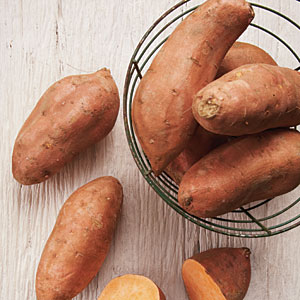
    Sweet potato is the healthier replacement of our beloved potatoes and it is loved by most of us. Packed with important vitamins and other nutrients, sweet potato helps us stay fit. They are also a good source of potassium and iron which are two most important minerals for our body. Sweet potatoes are not only delicious but they also come with long list of health benefits. So, head to the nearest grocery store now and grab some sweet potatoes. Here are a few dishes to get you started.

    -sweet-potatoes-m

    1. Sweet Potato Biscuits

    Ingredients:

    • 1/2 kg of all-purpose flour

    • 1/2 teaspoon salt •

    I cup butter

    • 1 sweet potato

    • 4 teaspoon baking powder

    • 1/2 cup buttermilk

    • 1/4 -1/2 cup unsalted butter

    • 3-4 tablespoon maple syrup

    Method:

    • Cook and mash the sweet potato.

    • Now, add buttermilk to mashed sweet potato and blend it well.

    • In another bowl add the all-purpose flour, baking powder and salt. Add the butter to this and mix it well.

    • Add the two mixtures and mix it well into soft dough.

    • Roll out the dough on a smooth surface to about a thickness of 1 inch. Use a biscuit-cutter to cut into your desired shapes.

    • Bake it for 15 minutes approximately and your sweet potato biscuits are ready.

    For the Maple Butter:

    • Mix the maple syrup with the butter to get a smooth mixture.

    • Serve with the warm biscuits.

    sweet potato biscuits


    2. Sweet Potato Patties

    Ingredients:

    • 4 sweet potatoes

    • 3 eggs

    • 1 cup of chopped onion

    • 1-2 teaspoons of chilli powder

    • 1 teaspoon salt

    • 1/2 teaspoon cumin seeds

    • 1 teaspoon pepper

    Method:

    • Grate the sweet potatoes and keep it aside.

    • In a pan, sauté the cumin seeds until brown.

    • Whisk the eggs and add the grated sweet potato, chopped onion, chilli powder, pepper, salt and the cumin seeds.

    • Heat oil in a frying pan. Now put spoonful of batter into it and fry until golden brown.

    • Serve it with sauce or chutney.

    sweet-potato-bites-300x300

    3. Sweet Potato Pancake

    Ingredients:

    • 1 cup wheat flour

    • 1 cup all-purpose flour

    • 1 sweet potato

    • 2 tablespoons sugar

    • 4 teaspoons baking powder

    • 2 cups of milk

    • 2 eggs

    • Butter

    • Maple Syrup

    Method:

    • Cook the sweet potato and peel it. Now, puree it and keep it aside.

    • Take a bowl and whisk the eggs. Add wheat flour, all-purpose flour, sugar, baking powder and milk.

    • Heat a pan and butter it properly. Cook a spoonful of the batter until golden brown on both the sides.

    • Serve the hot sweet potato pancakes with maple syrup and enjoy!

    4. Sweet Potato Pasta Ingredients:

    • 1 cup of whole wheat pasta

    •1 sweet potato

    • 1 red bell pepper (thinly sliced)

    • 1 cup diced tomatoes

    • 1 teaspoon crushed garlic

    • 1 tablespoon lemon juice

    • 2-3 tablespoons of chopped parsley

    • 1/2 cup cheese

    • Salt

    Method:

    • Peel and shred the sweet potato and keep it aside.

    • Cook the pasta until tender.

    • Take a skillet and add 1 tablespoon of oil along with garlic. Keep stirring until you get the aroma of the garlic. Now, add the sweet potato, tomatoes, bell pepper and water. Cook until the bell pepper is crisp and tender. • Drain the pasta but keep half of the water it was cooked in. Now, put the pasta back into the vessel and add the sweet potato mixture, 1 tablespoon oil, parsley, lemon juice, salt and cheese. Add the retained pasta water and combine the mixture well. Your delicious sweet potato pasta is ready!


    5. Sweet Potato Chocolate Pudding

    Ingredients:

    • 1 large roasted sweet potato

    • 1/4 cup unsweetened cocoa powder

    • 2-3 tablespoons maple syrup

    • 1/4 cup milk

    • 1/2 teaspoon vanilla extract

    Method:

    • Peel and puree the roasted sweet potato until smooth.

    • Combine all the ingredients and blend it well until smooth. It should in a puree form. Your easy-to-make sweet potato chocolate pudding is ready to serve!

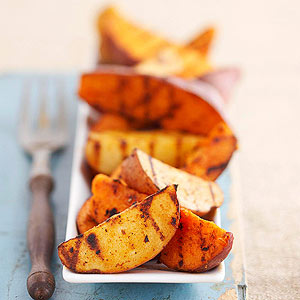
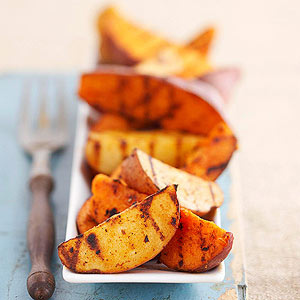
    6. Sweet Potato Wedges

    Ingredients:

    • 2-3 sweet potatoes

    • Pepper

    • Salt

    Method:

    • Peel the sweet potato and cut into wedges.

    • Mix the wedges with some oil, pepper and salt. Blend it well.

    • Roast the wedges in the oven for around 15 minutes until they turn golden brown.

    • Sprinkle some pepper on the top and serve them hot with ketchup.

    potato-wedges-

    7. Sweet Potato Soup

    Ingredients:

    • 1 sweet potato (peeled and diced)

    • 1 chopped onion

    • 1/2 teaspoon chopped garlic

    • 3-4 carrots (peeled and sliced)

    • 1 red pepper, sliced

    • 1 teaspoon ginger

    • 1/4 cup yogurt

    • 1 cup chicken broth

    Method:

    • Heat oil in a pan. Add chopped onion and garlic. Sauté for 2-3 minutes.

    • To this add the chicken broth and two cups of water. Stir well.

    • Now, add sweet potato, carrots, red pepper and ginger. Cook it well.

    • Once it is done, keep this mixture in the fridge for around 25 minutes. • Next, remove the vegetables from the mixture and puree them until thick.

    • Put this puree into the soup and blend them well. • Cook until the soup thickens. When it almost finished, add yogurt and mix it well. Serve and enjoy!

  • The Salt Myth… Is it good or bad?

    The Salt Myth… Is it good or bad?

    Study-identifies-quick-and-simple-test-for-salt-levels-in-food

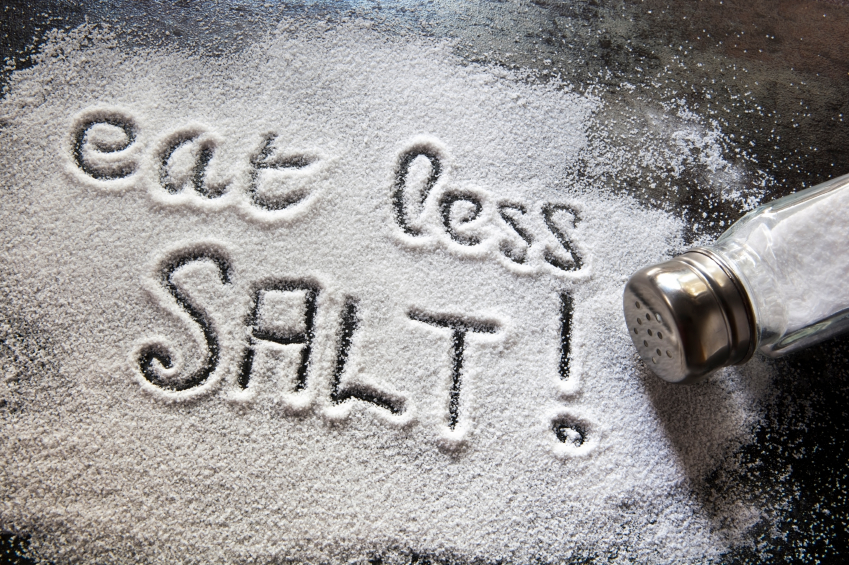
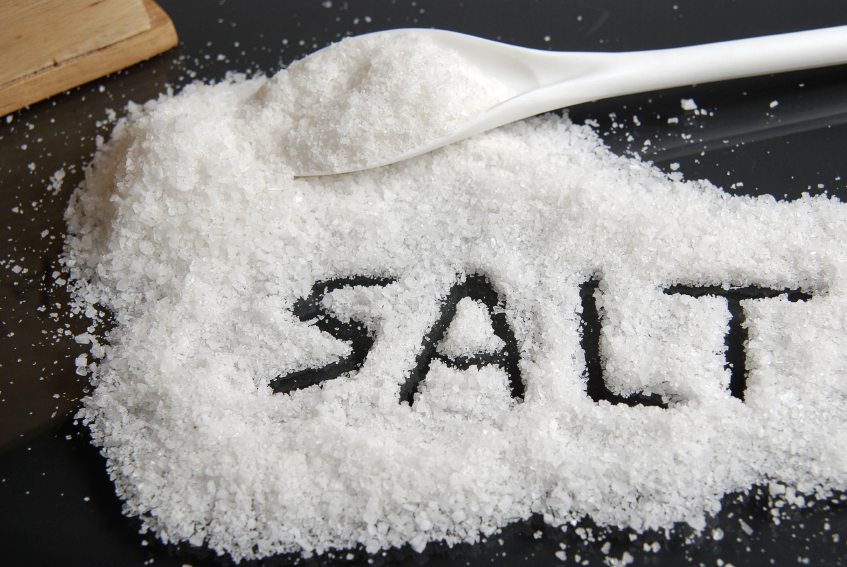
    Salt is something that contains sodium and sodium is something that is considered bad for health.. kind of like saturated fat. Much like cell phones and eggs, studies say salt is bad for you one day, but okay the next day. The reason being the sodium content as it is believed to increase blood pressure and the risk of heart stroke which is most common sources of deaths in middle and high- income countries. Salt is a chemical compound having 40 per cent sodium and 60 percent chloride. Yes, the body do need salt for the proper functioning. Salt is something we can say; Can’t do without it and definitely can’t do with too much of it. Also, studies have recommended that the upper limit of salt for adults is between 3.75 – 5 gm which actually measures upto just 1 teaspoon of salt every day. This is regarded as an ideal amount of salt by renowned health organisations for all healthy adults without diabetes or blood pressure or cardio-vascular diseases. But today consumption is more than that, and the reason being, most of it is coming from processed foods. If we have to strictly follow this intake, then serious and drastic changes are needed in lifestyle.

    However, the insight of all this stuff is if sodium is that bad? And more importantly, if there are benefits to sodium restriction, are they important enough to be worth the obvious reduction in pleasure, we derive from our (to be saltless, tasteless) foods? Let’s have a look on why we need it and what it serves to our bodies.

    Salt, contains sodium, which is a vital electrolyte in our body. It controls the fluid balance in our body and the working of our muscles and nerves. The sodium content is automatically regulated by our body, in a way like you have experienced you feel more thirsty after a Chinese meal because the sauces contain high salt content. So, if levels are too high, you will feel thirsty more often and drink more water as consumption of more water helps in eliminating the salt through our kidneys. Sodium is bad because if blood pressure is elevated, the heart has to work harder to push the blood throughout the body and this leads to increased strain on other arteries and other organs. And it is well known that high blood pressure is major risk factor for many serious diseases, like heart disease, stroke and kidney failure. Yes, this do gives us reason to cut back our salt intake, but it is a small to avoid overconsumption as already 75 percent of the salt we eat is present in everyday food item, like bread, breakfast, ketchups, pickles or canned foods. To balance your salt consumption, its good to avoid cheese, pickles, papads, salted nuts, tomato ketchup, mayonnaise and other sauces, breads, ready-to-made pastas, noodles, soups, wafers, chips and anything you feel like high salt content food in your daily life. The salt intake can also be balanced by these ways;

    Eat Less Salt

    Increase your water intake: the best way to flush out all the unnecessary toxins and excess sodium and maintain correct pH balance is to drink as much water. Avoid these aerated drinks, sodas, energy drinks as they can easily sabotage your efforts to maintain normal blood pressure. Also, if you are exercising and doing rigorous workout in very hot weather, you may lose fluids and electrolytes through sweat, in such a case, drink plenty of water during your workout regimen and increase your salt, sodium intake to compensate for heavy perspiration. As this will help in preventing the drop in your blood pressure.

    Rinse canned foods: The canned foods which needs to be stored for long time are generally packed in salt solution. Like, vegetables and meats that are packed in brine always increase the salt content in body. It better to rinse them in good manner to wash off the salt.

    Focus on potassium: Potassium is given importance because increase in the level of potassium lower the sodium levels, thus balancing blood pressure positively. One should eat potassium-rich fruits which are plum, peach, watermelon, muskmelon, avocados, orange, prunes, spinach, raisins and apricots to name a few.

    Replace salt with herbs: Its better that instead of reaching out to salt shaker to add that extra flavor, prefer to season your food with citrus juices, herbs and spices or organic stuff, available naturally. This will not only compensate your salt worries but also add value to your food stuff.

    Now, if you want to know why too much salt is bad for you, it is here as if binge on foods that are too salty, you will feel bloated and puffy after some hours, which is because eating too much salt causes your body to retain water and as a result blood volume is increased. This becomes the root of all the health problems that you know too much salt can cause as it leads to further excess pressure on blood vessels, thus demanding lot of hard work from heart in order to ensure smooth blood flow. It becomes main cause of high blood pressure and heart diseases. Other metabolic disorders associated with excess sodium and salt include osteoporosis, kidney stone, asthma. So, they key is to balance the salt intake as per your body requirements and take some precautions and necessary avoidances to maintain the proper balance of sodium in your body.

    Healthy Eating. Happy Life.

  • Maggi… the most Loved !

    Maggi… the most Loved !

    maggi small-500x500

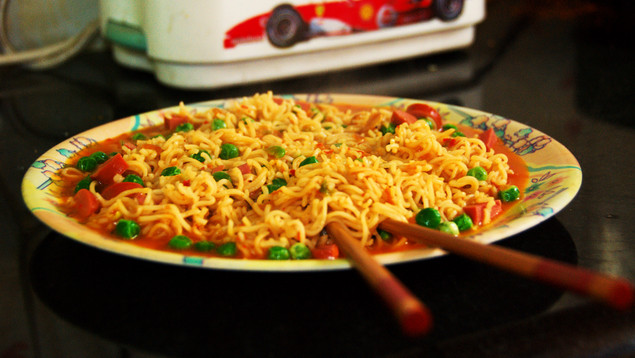
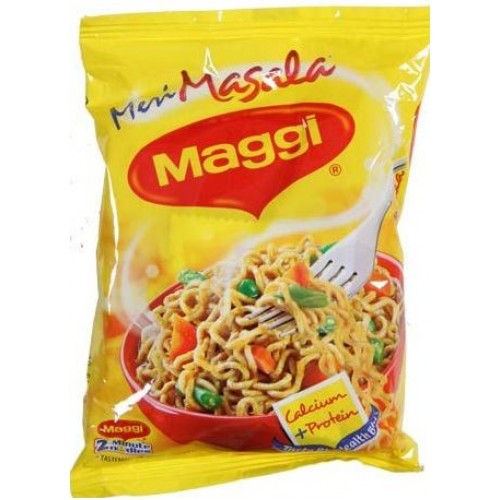
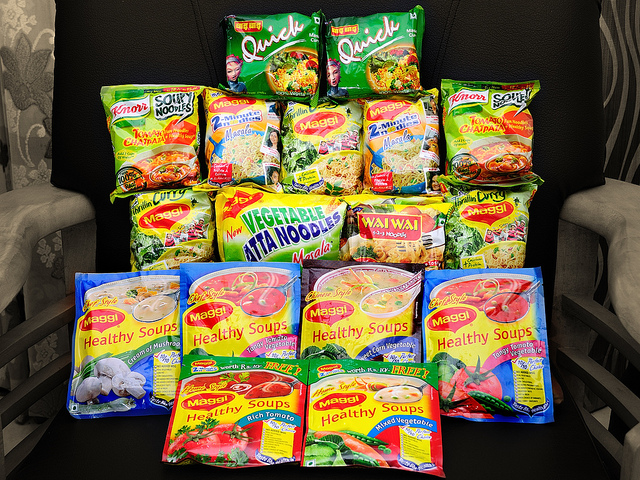
    Meri maggi… Are you also among the ones to munch on maggi whenever you feel hungry and is it the most lovable snack of yours and yes the instant one? Well, I know Maggi is something, actually popular throughout the world to have for at anytime of day and can be made in versatile ways. Let’s know some facts about maggi apart from its taste and the two-minute mechanism. Maggi is an international brand owned by Nestle since 1947, of instant soups, ketchups, sauces, seasonings and instant noodles. Advertised as 2 minute noodles since 1982, maggi instant noodles are very popular in India and Malaysia having 39% market in Malaysia and 60% in India. Initially, maggi was developed only keeping kids and children in mind, but gradually it took a remarkable place in lives of almost all age groups. Nestle has never thought that their product’s popularity will go viral in this way and their breakfast product will be so acceptable. Though it was launched long time back, people in research and development has never slowed down and they still try hard to make maggi tastier and more flavourful and have other variants of maggi also, while also enhancing the health benefits of products. Now, you have got so many options of maggi ranging from cuppa mania, atta noodles, vegetable maggi and many more.

    4735830730_9b49f91546_z

    In this era, almost every child has their own version of “Maggi Memories”, that you had maggi at this place, while cycling trip or in your hostel at midnight or some road trip or maggi being a savior. It has been a true childhood buddy, something that mom lets us eat in place of something that we ought to eat from outside otherwise. Even small kids can make it alone. What maggi endorses that it has calcium, protein “Taste Bhi, Health Bhi” makes it all the more attractive.

    But there may arise a question, if maggi is really this healthy, Afterall the main ingredient being refined flour (maida). Maggi is easily approachable and convenient and tastier, but nutrition is completely different thing which maggi doesn’t seem to deliever much. The nutritionist Mrs. Shweta Iyenger says,” Children are addicted to maggi due to high salt content in the tastemaker. Excessive salt intake can lead to the water retention in the body.” The other problem with it is obviously; maida. Eating it on daily basis can be a great disadvantage for you and your health in such ways;

    09f07697c1fabc63733d3de20797cdbd

    It is a Junk food: The name says it all, it’s a junk food so obviously can do no good to health. Many people are prone to it because of their busy lives. This fast and quick maggi noodles have been marked as junk food by health experts. It contains maida, which is a combination of fat, carbohydrate and sugar and is made from left over husk of wheat. The noodles being difficult to digest poses many problems to body and is thus reckoned as junk food.

    Negligible nutritional value: Though, the maggi wrapper says ‘Taste bhi, Health bhi’ but trust me, if we take the findings seriously, there is no nutritional value in it because the main ingredient being refined flour. They don’t contain and vitamins and minerals and there claim of noodles being rich in calcium or any other minerals. Also, it contains high amount of sodium which is really for people suffering from high blood pressure conditions and can also cause hyper tension and heart problems. All this is not at all good for school going children. So, all this proves maggi to be just food for leisure, to be consumed few times in a week and must be avoided the frequent intakes by everyone as it can serve no good.

    High calories: The maggi noodles have high calorie content and thus can lead to obesity. One regular packet of maggi contains 400 calories. Such a high volume of calories is a worrisome issue and is not good for heart patients and even increase cholesterol and even the children who consume it daily just as a snack in their evenings and mornings are at a risk of getting obesity.

    Problem of Dehydration: people who have regular intake of maggi has reported problems of dehydration. As these are highly sticky noodles can stick within your organs and cause serious problems like loose motions and loss of excessive water from your body. All this is really scary and just demands to call off maggi for some time from your life if you consume it in excessive manner.

    Maggi, the all time favorite food, though it is not recommended to completely abandon it but limit must be maintained in its intake. It should not be consumed daily because the nutrition, a proper food can provide is irreplaceable. There should be mindful eating in case of maggi. Just hav it as a snack and not a food item and it has no food value. As you don’t have French fries due to the fear of getting obese because of that potato thing, try to stay far from maggi due to maida thing. It will be good for you only in the long run.

    Healthy Eating. Happy life.