Category: Religion

  • Feng Shui! Some know-about-it facts!

    Feng Shui! Some know-about-it facts!

    Wikipedia defines Feng Shui as a Chinese philosophical system of harmonizing the human existence with the surrounding environment. It strikes up a correlation and creates a perfect balance between these elements of nature. The term Feng Shui literally translates into ‘wind-water’ in English. The practice of Feng Shui is one of the Five Arts of Chinese Metaphysics, among Chinese Astrology Bazi (Four Pillars of Destiny), Divination, Mian Xiang (Face reading) and the science of Chinese Medicine. It explains and discusses architecture along the lines of metaphorical terms of “invisible forces” that bind the universe, earth, and man together, known as Qi. This ancient art based on the principles of mathematics, geology, philosophy, psychology, intuition, astronomy and astrology, draws together an ideal mix of aesthetic and moral ideas. It can help you grow physically, morally, intellectually and spiritually in fields of profession/ career, academics, personal life, health etc.
    download (1)

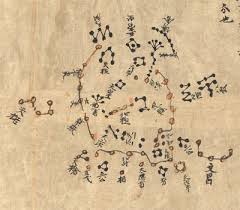
    The principles of Feng Shui have existed for millions of years and can be observed in cultural practices of Taosim, Buddhism, Shinto, Confucianism and Vaastu Shastra. As a matter of fact, India and China both lay claim to Feng Shui’s ancestry and origin. Archaeologists have found evidence that date around 5500 years ago to reinforce the presence of Vasstu Shastra (building science). As of present claims, Yangshao (a Neolithic culture that existed extensively along the Yellow River in China) and Hongshan (a Neolithic culture in northeastern China) cultures are said to have evidence of the earliest use of Feng Shui. Astronomy forms the basis of early practices of this ancient art. In 4000 B.C. during the Zhou Era, a constellation called Yingshi (the then Ding) was used to indicate the appropriate time to build a capital city. A grave at Puyang that contains mosaic which actually is a Chinese star map of the Dragon and Tiger asterisms and the Beidou (the Big Dipper) is oriented along a north south axis. The presence of both round and square designs in the Chinese architecture of these times suggest the presence of gaitian cosmography (the belief that Heaven was round and Earth was in the shape of a square) in the Chinese society and its’ influence on ancient Feng Shui.
    download

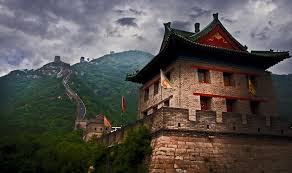
    The organized body of knowledge of Feng Shui was first studied and practiced in the Tang Dynasty in around 888 A.D. Another exemplary application of Feng Shui was seen during the Han Dynasty (206B.C. to 220A.D.) wherein the expansion of this empire incorporated a multitude of geological zones and climates keeping in mind the principles of Feng Shui. The Great Wall of China was built during 771-476 B.C. keeping in mind the ideas of Feng Shui.
    yangyunsungm55018adownload (3)

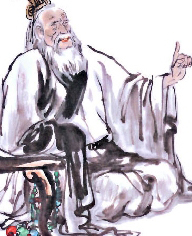
    One of the most famous Feng Shui masters is Master Yang Yun Sang, who left a legacy of many classical Feng Shui texts. He is said to be the founder of what is called the Landscape school of Feng Shui. In the nineteenth century AD, Yang Yun Sang collated the first ever physical compilation of Feng Shui principles, systematically describing the characteristics of land and water formations which then became the standard text of the Landscape (or Form) School of Feng Shui. His writings suggest the importance of selecting an auspicious site that has the dragon’s energy or the dragon’s breath and hence emphasizes on careful examination of land formations like hills, mountains, valleys and even water formations. This is because the vital energy or Qi (‘Ch’i) contained in specific parts of the Earth was described as finding the Dragon and it lair. The Form school is the oldest school of Feng Shui.
    download (6)

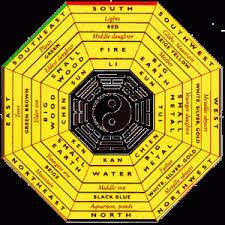
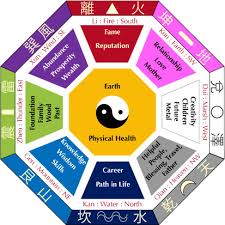
    Almost a century later, another school of thought called the Compass school of Feng Shui became popular. Master Wang Chih was the main influence in this school and he developed his teachings during the Song Dynasty (960 A.D.-1279 A.D.). The ideologies of this school of thought are based on the compass directions and the I-Ching trigrams arranged in the octagonal symbol of the Feng Shui energy map (the Bagua, meaning 8 areas). The Yin-Yang theory and the Theory of Five Elements are some of the other theories that were developed under this school of Feng Shui.
     

    download (4)

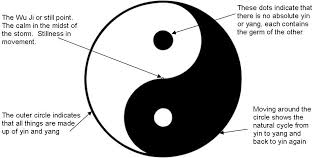
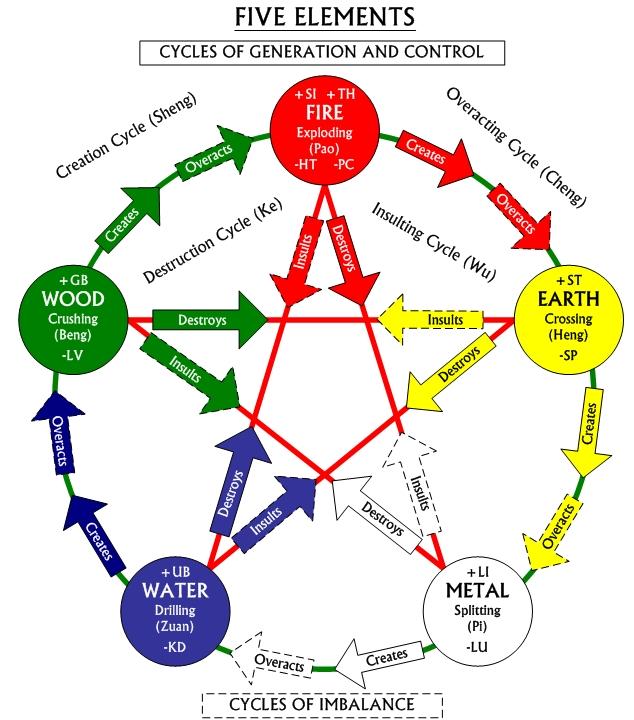
    The theory of Yin and Yang in Chinese philosophy indicates how opposite or contrary forces are actually relative and complementary to each other. Yin (the Moon; feminine) and Yang (the Sun; masculine) are the two opposing cosmic forces of nature that interact to form a dynamic environment of existence where the assembled model is greater than the individual constituents. Another basic principle of Feng Shui is the Theory of Five Elements viz. Wood, Fire, Earth, Metal and Water. These elements interact among themselves through processes what are known as the Productive and Destructive cycles. Colours (derivation of Light) are assigned to each elements and they are said to be identified as the expression of each elements. The colour correspondence of each elements is as follows:

    WOOD: Green, Brown

    FIRE: Red, Strong Yellow, Orange, Purple, Pink

    EARTH: Light Yellow, Sandy/Earthy, Light Brown

    METAL: White, Gray

    WATER: Blue, Black

    Some theories also identify the elements with shapes. The correspondence is as follows:

    WOOD: Rectangular

    FIRE: Triangular

    EARTH: Square

    METAL: Round

    WATER: Wavy
    FiveElementsCycleBalanceImbalance

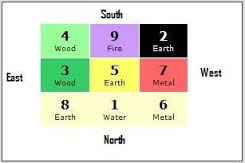
    Some other widely popular concepts of Feng Shui are the Lo-Shou square and the Kua number concept to name some. The Kua number concept was used to determine the most auspicious positions or directions based on the persons’ date of birth. The Lo-Shou square is an ancient theoretical and conceptual tool applied by Feng Shui practitioners till date. The square so mentioned is a 3×3 symmetric square with numbers 1-9 written in the unit squares as shown in the diagram below. Among various stories of the origin of this tool, also called the Magic Square, one of them is the most popular. It is said that Emperor Yu was walking along the river Lo, thus lending it the name. Lo Shou Square literally translates into the Scroll of River Lo. This legend dates back to 650 B.C., when the great floods had hit China.A turtle that emerged from the river had an unusual 3 x 3 pattern on its shell. This thus became the core idea of the Lo Shu Square, a mathematical grid where the sum of numbers from each row, column or diagonal is the same and equals 15 in any direction. As we see from the pattern of the numbers the even numbers (representing the Yin energies) are at the 4 corners of the square and with 5 in the centre, the odd numbers (the Yang forces) form a cross. Each number has a specific energy correspondence to it, say for instance, the number 9 carries a strong fire influence while 1 is a water-associated number.
    download (5)

    This art has thus influenced Asian architecture for millions of years and has now even reached the West. Some basic Feng Shui tips are:

    quote_corrected

    1.)    Declutter!

    If you can get rid of even half the unnecessary stuff in your home and office, it eases the flow of energy in the premises. This is the first step that should compulsorily be followed.

    2.)    Avoid working with your back facing a door.

    If your desk is positioned in a way that your back has to be towards a door, or if there is no way to alter the position, put a mirror above your desk or a reflective surface on your desk that enables you to see the door in the reflection. This fills the work or study atmosphere with positivity and moral strength and security. Also, it lets you concentrate better.

    3.)    Flora Cure!

    Plants symbolize culture, growth, freshness and life besides performing an excellent role in air purification. They also beautify the place. No harm in letting the plants grow where you stay. They always do you good!

    4.)    Keep the Toilet Seat covered!

    The Feng Shui perspective says that a toilet seat is a drain and it lets the good energy in your homes flow away through it. So, keep it covered. There is nothing appealing about an exposed toilet seat!

    5.)    Fix what’s broken!

    Broken things should not be kept at home or in the office as they would neither serve their purpose nor look good. So, try repairing them or if they are beyond repair, I’d suggest discarding them off and getting them replaced.
  • Culture of Mizoram

    Culture of Mizoram

    Mizoram is one of the north-eastern sate of India.Aizawl is the capital city of Mizoram.The name Mizoram is derived from the words “Mi which means people” , “Zo which means hill” and “Ram which means land”.Thus the name itself conveys that it is a land of hill people.It has three bordering states namely Tripura, Assam and Manipur.The state acts as a border for two countries Bangladesh and Myanmar.According to census 2011 the state had a population of about 10,91,014.It is one of the least populous state in the country.It covers an area of approximately 21,087 square kilometer.Before 1987 it is an integral part of Assam.After 1987 it it formed as a 23rd state in India.In Mizoram most of the people are tribal and many of them belong to Christianity.Most of the people took Christianity during 20th century.It is one of the three states in India that is having majority of the people are Christians.People of Mizoram practice shifting cultivation and the crop yields are poor.In recent years, the jhum farming practices are being replaced with horticulture and bamboo products industry.About 20% of the Mizoram’s population lives below poverty line.

    villagers of Mizoram
    Villagers of Mizoram

    Geography:

    MIzoram consists number of hills and valleys.Being on the hills and valleys all the villages are located on the hills itself.About 21 hills are present with an average height of 1000 meters above the sea level.The highest peak in Mizoram is Phawngpui Tlang with a height of 7,250 feet.Most of the area is covered by forests and only eight percent is land.The sate is having the highest risk of getting earthquakes compared to other parts of India.

    Geography of Mizoram villages
    Geography of Mizoram villages

    Climate:

    Mizoram experiences very low temperatures in any season.During summer the temperature ranges from 20 to 29 °C and in winter temperatures ranges from 7 to 22 °C.In monsoons this region experiences heavy rainfall.The average rainfall in Mizoram is about 254 cm in moist tropical to moist sub-tropical regions.Whereas in the capital city Aizawl it is about 215 cm.It is better for the tourists to visit during November to March.

    Most of the time the climate is cool
    Most of the time the climate is cool

    Ethic groups:

    Different types of groups and languages can be seen in Mizoram.As most of the people are tribal, they are known as hill men.Bengali’s who had settled in Mizoram during 16th century are called as Kukis.In Mizoram there are many tribes who are further divided into clans.These clans are again are sub divided into sub-clans.

    Ethic groups of Mizoram
    Ethic groups of Mizoram

    Languages:

    Mizo is the important language widely used by the local people of Mizoram.Along with that English is used in education and other interactions officially.Duhlian dialect was the first language of Mizoram and later it is known as Mizo.It is a mixture of few other languages.The Christian missionaries resided in Mizoram developed the Mizo script.The Writing of this language is a combination of the Roman script and Hunterian transliteration methodology with prominent traces of a phonetics based spelling system.In Mizo there are 25 alphabets they are A, AW, B, CH, D, E, F, G, NG, H, I, J, K, L, M, N, O, P, R, S, T, Ṭ, U, V, Z.In this state Hindi is a compulsory subject for all the students up to eighth standard.Besides Mizo Nepali is also spoken by many of the Nepali immigrants in the state.

    Religion:

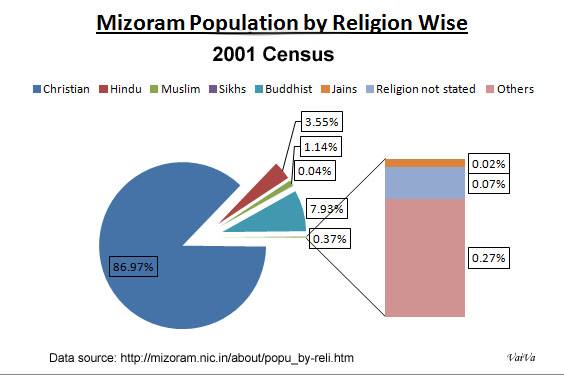
    About 87 % of the population in Mizoram are Christians.Among the population of Mizoram, the largest minority is Buddhists.They are followed by Hindus.Apart from them several thousands of people who have converted to Judaism.Muslims in the state are about 1.1% .The remaining 3,000 people in Mizoram state belongs to Sikhs, Jains and other religions.

    Mizoram religion wise population
    Mizoram religion wise population

    Industries:

    In bringing the advancement to the industries Mizoram faces few difficulties.The main drawback for the industries is lack of proper transport.The other problems that are faced by the state are shortage of electricity, capital, telecommunication and export market access. Mizoram is having two industrial estates and one software technology, that is being established in Mizoram university.The state government has acquired 127 acres of land in Khawnuam for development of the Indo-Myanmar border trade township.

    There are two industrial sectors in Mizoram
    There are two industrial sectors in Mizoram

    Educational Infrastructure:

    The christian missionaries have established the primary school in Aizawl during the year 1898.The state has higher literacy rates than average literacy rates for India.In India Mizoram is having the second highest literacy rate.There were about 3,894 schools in Mizoram.There were many educational institutions establishment under the umbrella of the Ministry of Education.It also includes universities, colleges and other institutions.In the Mizoram university there are 29 undergraduate departments including 2 professional institutions affiliated with the university.

    Mizoram university
    Mizoram university

    Traditional festivals:

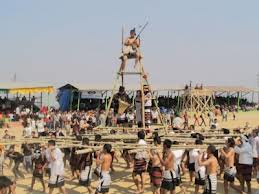
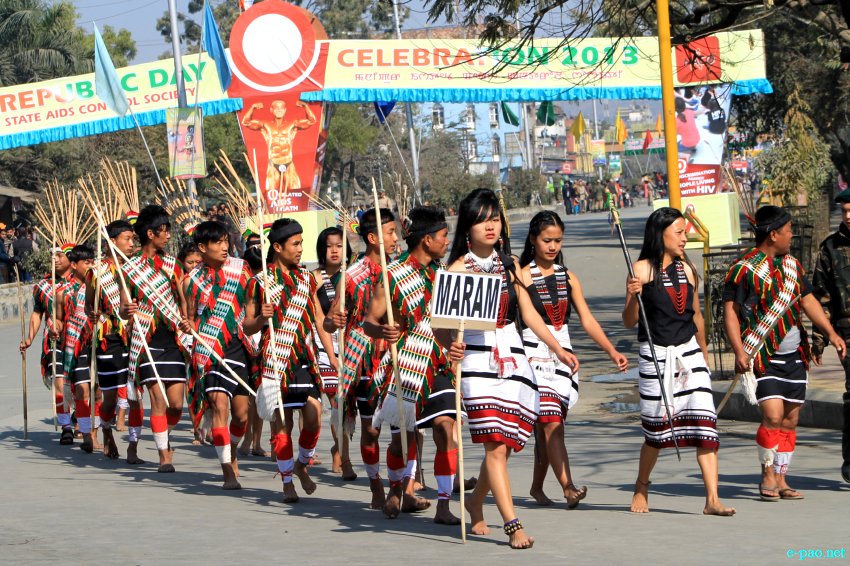
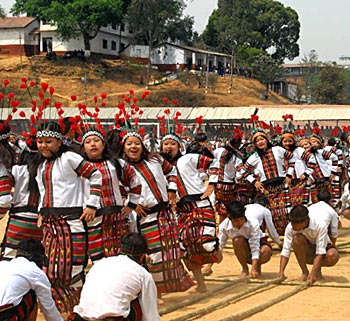
    The traditional festivals in Mizoram are celebrated around various stages of jhum cultivation.In the local language they are call it as Kut.There were many major and minor Kuts such as Chapchar Kut, Thalfavang Kut, Mimi Kut and Pawl Kut.The Chapchar Kut was the festival of spring.Thalfavang Kut was the festival celebrated after the completion of weeding of the jhum crop fields.Mimi Kut was the festival dedicated to ancestors after first maize crop was collected.Pawl Kut is celebrated at the end of harvest i.e., at the start of new year.Later after the Christianity has spread these festivals have slowly vanished.
    Traditional festivals of Mizoram
    Traditional festivals of Mizoram
  • The World of Scarves

    The World of Scarves

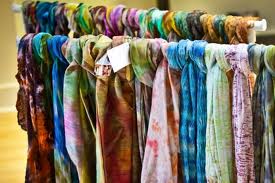
    Be it the dull gloomy grey winters or the scorching heat of the Delhi summers, step out of your houses and you’ll see women and girls all covered up in scarves and stoles of varying colors and sizes. A must-have in your handbag, a style-statement, or a meter protection from the heat or the cold, the scarf is one humble piece of clothing that not many would like to miss.

    images (2)

    The history of scarves can be traced back to Rome where it was first used to help people keep clean. It was called a ‘sudarium’ and men would normally tie it around their neck or waist while they would go off for work. Although the dates and place of origin for the culture of scarves cannot be determined exactly, it is said that the Egyptian Empress Nefertiti would wear a woven silk scarf along with a conical head-dress back in 1350 B.C. Sculptures and literary evidences also suggest the use of scarves in the Chinese culture. Warriors of the Chinese Emperor Chang used to wear cotton scarves that would mark the designations and ranks.

    images (6)

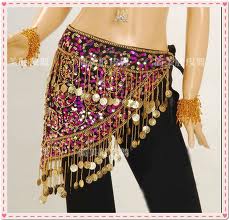
    The famous Egyptian form of dance, called the Belly Dancing used sequined and colored scarves, worn low around the hips as a part of their vibrant costumes. Back in the 1700s, the French used to wear colorful scarves called ‘Cravats’ to demonstrate political support by the color of ones’ scarf.  In early New England, it was a custom for the family of a deceased person to give scarves to the friends and community members at the funeral ceremony. It was later banned as an attempt to curtain the extravagance. In the Victorian Era, as proposed by Queen Victoria, these fanciful accessories were used to differentiate between the castes and classes of the society.

    images (5)

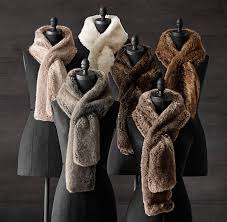
    Though the scarf has now translated into an ornamental piece of clothing, or a statement clothing or a fashion accessory as many fashion magazines call it, it has had a significant cultural, religious and social importance in various early societies. The evolution of scarves have epitomized the changes in art, culture and history. The book ‘Scarves’ by Nicky Albrechtsen highlights the fact that scarves in the early 20th century were not just a fashion accessory. They happened to be social artefacts that would walk one through the growth and evolution of art, fashion and social lifestyle. In the early 1930s with the invention of Rayon, women who could not afford a silk scarf would opt for this alternative to keep up with the requirements of the growing fashion world. In the 1940s, designers and manufacturers started experimenting with other fabrics and soon the silken-square of style could be found in various fabrics like cotton, fur, wool or linen.
    download (2)

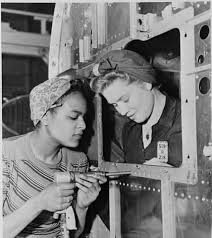
    With time, this humble piece of clothing was attached to various historical events and important practices. During World War II, wearing a scarf became a necessity in some cases; women working in ammunitions factories during the war had to wear scarves on their heads, for their own safety to prevent their hair being caught in machinery. Knitting of scarves had become a patriotic war time duty in the United States. Later in the 1980s, the manufacturers would even print logos and commercial sketches on scarves that would even serve as a platform for advertising. It is also said that scarves were used as a travel souvenir in the 1960s. A scarf depicting the St. Tropez harbor (now the Marina Port Harbor) in France would have to be worn around the neck of well-travelled elite. Scarves were also used to hold account of excerpts and fragments of historical events. An interesting example of this is a scarf that had extracts from Winston Churchill’s speeches.

    custom

    Scarves were also produced to mark important sporting events, for instance, the 1953 Coronation Derby winner, Pinza, or the London Olympics in 1948. They have as well been used to commemorate royal occasions. Besides these, a scarf is often attached to various cultures and communities as a part of their legacy or the sentiment attached to the initial practices of wearing a scarf. Members of the student community in the UK traditionally wear scarves of distinctive stripes identifying their respective colleges or University. Scouting groups had scarves as an important part of their uniforms to differentiate their groups. Bhutanese men wear scarves called ‘kabneys’ on a formal visit to an office. These identify the designation of the person. Bhutanese women wear smaller scarves called ‘kiras’ that are hand woven and have fringes at the end.

    downloadimages (4)

    Till date scarves are incorporated as a part of the uniform in defense services in various countries around the world. Silk Scarves were used by pilots to protect themselves from the exhaust and smoke and to prevent neck chafing. Today, the military flight crews wear scarves imprinted with emblems to keep up the spirit and the age-old heritage.

    images (3)download (1)

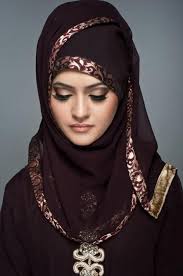
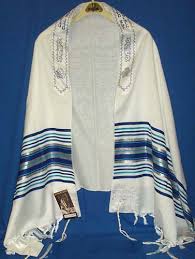
    As stated above, Scarves are also an object of great religious significance. In the Muslim community, men and women are expected to dress up modestly. As a result, women are to cover their heads with a head scarf, commonly called the ‘hijab’. In Judaism, a Jewish prayer garment called the ‘Tallit’ compulsorily has fringes on all four corners and these fringes are commonly known as tzittzit. They symbolize the commandments that God spoke to Moses. The Tibetan tradition considers the practice of offering white silk scarves (khatas) during the beginning of new relationships, be it marital, business or political, as a symbol of ones’ good intentions. They are also offered to spiritual images and statues of Buddha, nuns, spiritual preachers, monks and leaders like Dalai Lama.

    images

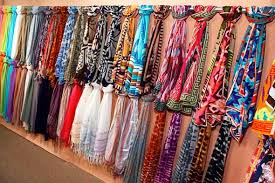
    While walking through the gullies of Delhi street markets, one can see rows of scarves on display ready to be sold like hot buns. Girls and women of all ages and castes pick these beautiful squares of color to pull together their outfit. A bare essential in ones’ wardrobe, is not just a fashion accessory but serves the purpose of protection and also caters to various cultural and religious sentiments. Who would have ever thought that this simple piece of cloth has had its own share of historic significance? So grab a vibrantly hued or patterned scarf, roll it , wrap it, wear it like a tie or a turban with you regular outfit and you’re good to go!

  • Food of Gods

    Food of Gods

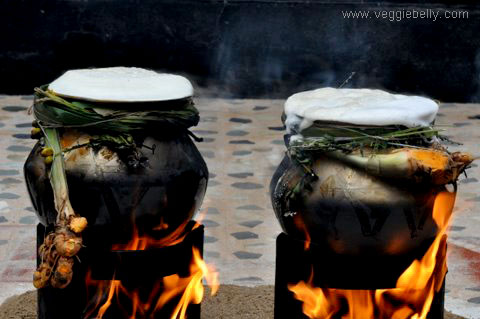
    Waking up to the smell of ghee and sweets! The heavenly aroma of sweet pongal or “paal guava” the milk based sweet which never fails to satisfy your taste buds and the hot vada’s and payasam the typical festival food in any South Indian home. The Gods are served with different types of foods and over the years, festivals are being identified by the food which is served. It is not diwali if there are no more than three varieties of sweets and not Christmas if you don’t have cakes or Ramzan if you can’t find the biryani! The practice of extensive cooking and baking on festivals is an age old practice. So what do God’s eat? Do they get hungry like us humans? According to people who study food cultures this basically started because it is on these occasions that families and friends get together and there is no good outing without good food.

    pongal

    What did Greek Gods eat?

    amborisa

    The Greek mythology revolves around its Gods and heroes. According to them, the Greek Gods walked, ate, fought and roamed the world just like humans. According to myths Greek Gods ate Amborisa the food, sometimes the drink, of the gods, often depicted as conferring immortality on who ever consumes it. Nectar is another drink derived from Latin nectar meaning drink of the gods, a sugar-rich liquid produced by plants.


    What do the Hindu Gods eat?

    In Hinduism, food plays an important role in rituals and worship, and the food offered to the gods is called prasada. The Sanskrit word “prasada” means “mercy,” or the divine grace of God. According to Hinduism, serving food to God is considered to be a kind of meditation and the food served is exclusively vegetarian as they feel any food obtained from pain caused to other living organisms cannot be served to God.

    prasadam

    Foods like Onion, garlic are also avoided as ancient Vedic scripts explain that these foods excite the more passionate elements of the human psycho-physical constitution. Another important thing is that food served to God cannot be tasted and are meant to be served pure.


    Lord Ganesha

    Modak:

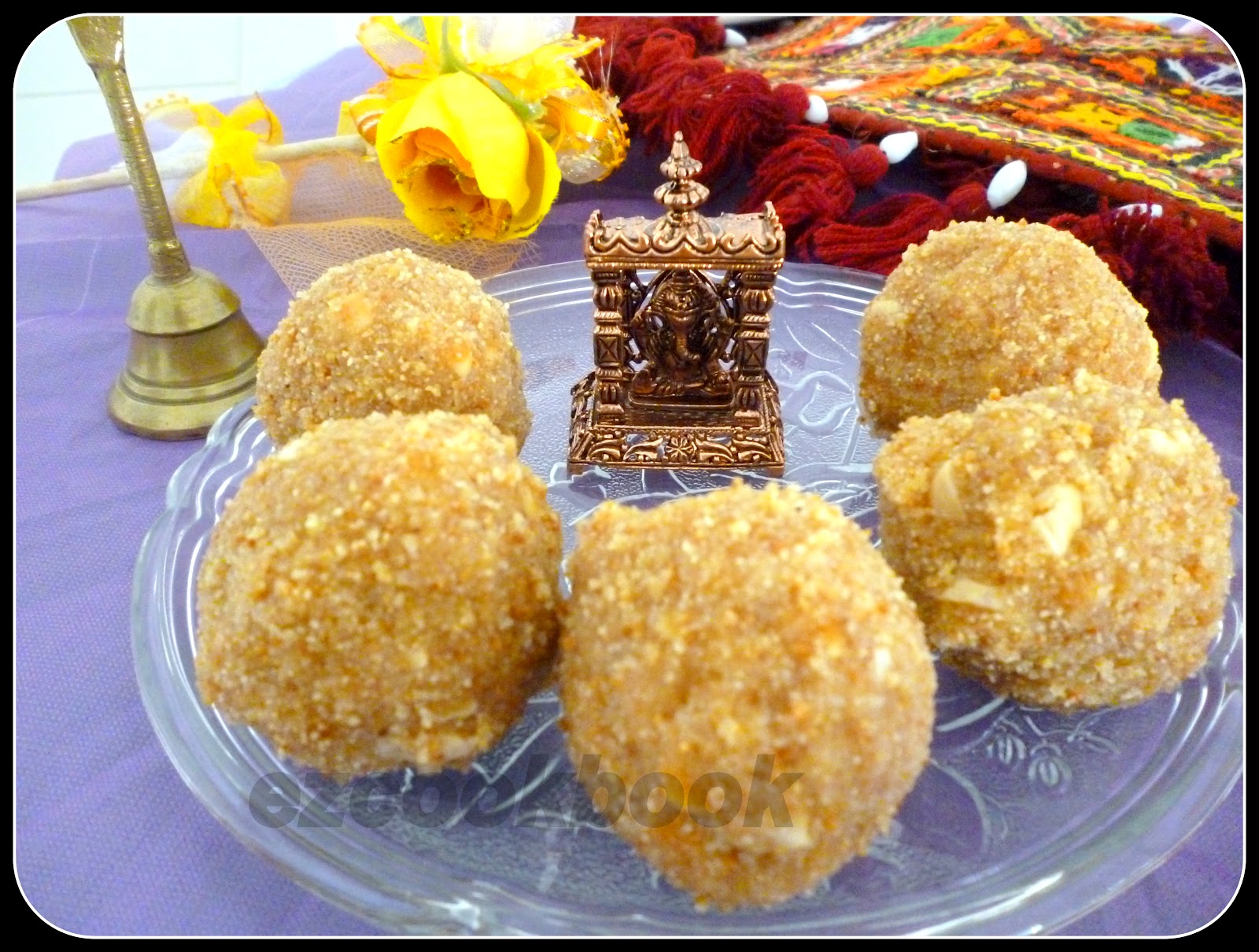
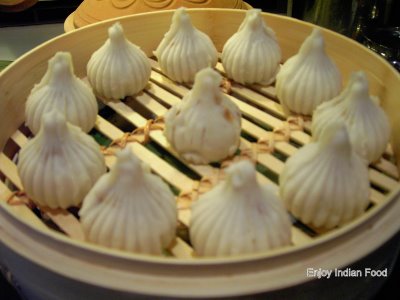
                                           Lord Ganesha is a complete foodie. The enormous pouches on his body leaves no doubt that Ganesha just loves food. So, the easiest way to Ganapati’s heart is through his stomach. Modak or Kozhukattai is a particular kind of sweet that looks like dumplings. They are Ganesha’s favorite sweets and must be offered to him on Ganesh Chaturthi.

    ganesh

    Fruits:

    Coconuts and bananas are Ganesha’s favorite fruits. Ganesha’s head is of an elephant and thus has a weakness for bananas and all parts of the plantain. His idols are usually surrounded by banana leaves and also the stem of the banana plain.


    Lord Krishna

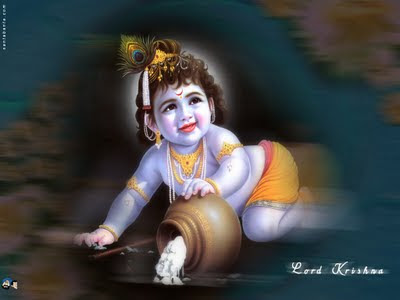
    In the Bhagavad-Gita, Lord Krishna states, “If one offers me with love and devotion a leaf, a flower, a fruit, or water, I will accept it.” From this verse it is understood that we can offer Krishna foods prepared from milk products, vegetables, fruits, nuts, and grains. Meat, fish, and eggs are not allowed though.

    krishna


    Islam

    In Islam offerings to God are not made as food. Offerings could include:

    ->Charities to the poor.

    ->Sacrificing animals only for Allah’s sake at different occasions or even without an occasion.

    Muslims have days of fasting and feasting. Fasting is considered an opportunity to earn the approval of Allah, to wipe out previous sins, and to understand the suffering of the poor. Fasting is also partly to be in control of appetite and to avoid food addiction. It is the fourth ritual observance in the Five Pillars of Islam.

    ramzan

    Fasting includes abstention from all food and drink from dawn to sunset. Voluntary fasting is common on Mondays and Thursdays. Ramadan, the ninth month of the Muslim calendar, is a mandatory fasting period that commemorates the period when the Qur’an was first revealed to Prophet Muhammad. Feast days include Eid al-Fitr (after finishing the fasting months of Ramadan), Eid al-Udha, and Maulud n Nabi.


    Christianity

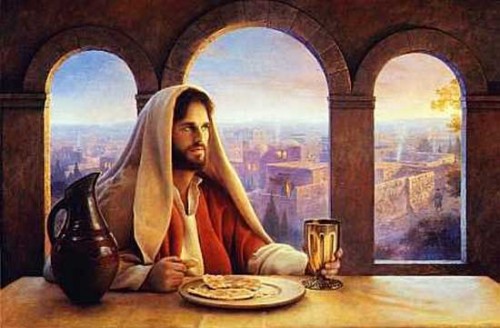
    Like Muslims, Christians too don’t offer food to Gods, but Christians joyfully celebrate the goodness of food and drink as part of God’s glorious and abundant creation. They do not have any rules relating to food or drink which they are expected to keep.  They believe that freedom is the consequence of the salvation that Jesus has brought to men and women.  The freedom to eat and drink everything that is healthy is part of that.
    easter
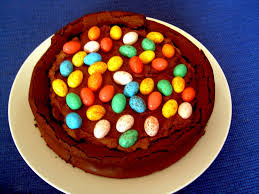
    From very soon after the life of Jesus his followers felt that they had been released from the restrictions that bound their fellow Jews.  However, they were insistent that they would not do anything that offended other people.  Instead of adhering to rules, they felt they should be led to do what is right by considering the impact they were having on others. In modern culture, Cakes are an important part of Christmas and Easter Eggs are synonymous with Easter.

    fudgod

    Every Religion has deep linking with food and these food habits and food offerings have a lot to do with where these religions originated. Most of the religions which originated in the Middle East encourage meat eating whereas the ones which originated in the sub continent have a vegan influence. Despite all the differences all of us are linked through one common thing- Food, especially good food.


  • Jainism Rituals and Principles

    Jainism Rituals and Principles

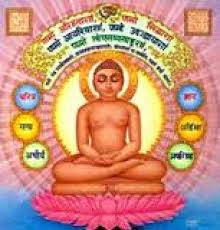
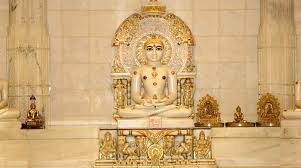
    Jainism, popularly entitled as Jain Dharma is one of the ancient Indian religions in the world. It believes in Ahimsa and follows the path of non-violence towards all human beings. It underlines the fact that all forms of life are equal. It basically derived from the root ‘ jin’ which means to conquer. Their history has been traced through the succession of the Tirthankaras.

    ahimsa

    Jainism is partitioned into two major sectors Svetambara and Digambara. There are about 4.2 million people in this religion. This is a small number so they are counted under minority community. There are various immigrants in Canada, Belgium, Hong Kong, Japan and United States. Though they are minority sector, but they possess highest literacy rate in India i.e. 94.1 %. They have the oldest manuscript libraries in the country.

    Jainism origin is not so clear, but during the 6th century BC twenty four great teacher known as tirthankaras revealed the existence of this religion. Mahavira is recognized as the founder of this religion. There is no evidence of the existence of these tirthankaras but Parsva, predecessor of Mahavira was found to exist somewhere in the 7th -9th century.

    jain2

    There are several principles that people in this religion follow. The fundamental principle of Jainism is related to a man’s personality. They believe that man has dual personality i.e. Spiritual and material. They consider that every soul is bounded by Karma, a delicate particle of matter. Our soul is attached to our Karma just like gold in any alloy which can’t be separated.

    Next principle is based on the imperfectness of the human soul. They believe that no soul is perfect and to attain perfectness, it must have four characteristics: infinite power, infinite knowledge, infinite bliss and infinite faith. After attaining these soul is said to be in its eternal state. Third principle states that material nature can be controlled by the spiritual nature of a man. To attain freedom and happiness there must be an entire suppression of matter. Control of thoughts ad senses would lead to the perfection of the soul. The last and fourth principle states that man is solely responsible for his happiness and his problems would not be affected by any other human being. He has to experience the fruits and results of his own actions, whether it may be good or bad. They believe that God has no concern with any of the happenings in the world. This principle makes Jainism different from Christians, Islam or Hindus.

    index

    Jain community is categorized into two main sects: Svetambara and Digambara. These two sectors belong to the same community but they are quite different in their culture and rituals. Digambara people believe that desire for materialistic things led to sorrows so they avoid wearing clothes. This is mainly for males and females are generally seen wearing white material and they are known as Aryikas. While Svetambara monks wear white clothes and believes that scriptures does not condemn wearing of these clothes. Females in this community are referred to as Sadhvi. Digambaras considers Mahavira to be unmarried while Svetambara considers them to be married. Svetambara is further partitioned into terapanthi, Sthanakavasi and Murtipujaka while Digambaras is divided into Kanjipanthi, Terapanthi, taranapanthi and Bisapanthi.

    jain3

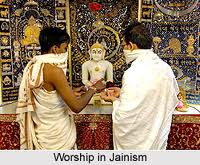
    The way of worshipping God is very different in Jainism. They start their worship with the Namokara Mantra. This is simple and fundamental prayer of this community which does not include reference to any of the Tirthankaras. They never believe in demanding any of the material things or personal favors from god. This prayer endowed a feeling of respect for other human beings in it and reminds them about their final goal i.e. moksha. The ultimate objective of their prayer to make their soul free from worldly desires and attachments towards material things. Jain has six duties to follow which is called as avahyakas. These are:

    • Samyika means practicing serenity
    • Vandan means respecting monks and teachers
    • Pratikramana means introspection
    • Kayotsarga means stillness
    • Pratyakhana means renunciation
    • Chaturvimshati means praising 24 tirthankaras
    • jain5

    The most significant festival they celebrate is Paryushana. It lasts for 10 days for Digambara and 8 days for Svetambara. Svetambara called it as Paryushana while Digambara called it as Das Lakshana. Paryushana literally means ‘coming together’. At the end of this festival they usually spend a day saying sorry for any wrong deeds to the other people and make a commitment that this will not be repeated in the near future. They say sorry in the form of Khamat Khamna or Michammi Dukadam. Mahavir Jayanti is celebrated in the month of Chaitra in each and every corner of the country. They do fasts on various occasions and sometimes they avoid eating anything for the whole day to reduce the effect of their negative karma. They also believe in meditation, which provides a feeling calmness for some time. This is known as Samayika. It is mainly done during the eight days of Paryushana. It helps in managing one’s passion and emphasize mainly on the control of our senses and thoughts. During this festival they avoid eating green vegetables and any sort of food item after sunset.


  • Bathukamma – A festival of flowers in Telangana

    Bathukamma – A festival of flowers in Telangana

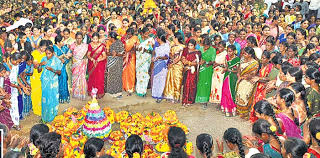
    Bathukamma is a festival of flowers that is celebrated by Hindu women in Telangana region.This festival is celebrated every year during the month of September and October.According to lunar calender this festival is celebrated during the Bhadrapada Amavasya ( also known as Mahalaya Amavasya ).This is a festival that is celebrated for complete nine days during Navarathri.On the festive day of Durgashtami the main festival Pedda Bathukamma or Saddula Bathukamma is celebrated just before two days of Dussehra.Bathukamma the festival of flowers is followed by Boddemma  Bathukamma which is a seven day festival.Actually the festival Boddemma indicated the ending of varsha ruthu and the festival Bathukamma indicated the starting of sharath ruthu.

    Bathukamma - a festival of flowers
    Bathukamma – a festival of flowers

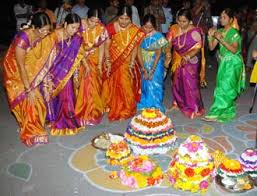
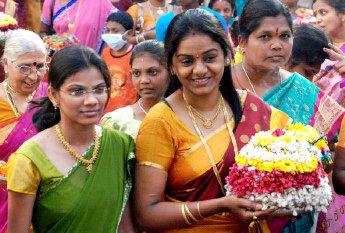
                    The culture of Telengana can be seen clearly in this festival.In this festival the flowers are arranged in a stack manner which are very rare and unique seasonal flowers.These flowers which are rich in medicinal value are arranged in the form of layers like a clay pot.The word Bathukamma itself says that it means the mother goddess to come alive and in this festival goddess Maha gouri who is a life giver is worshiped in the form of Bathukamma.Women wear traditional dress on this special occasion,mostly women like to wear saree and few teenage girls wear half sarees with the matching jewelry and accessories.It intensifies the importance of womanhood.

    Traditional sarees and half sarees on this special occasion
    Traditional sarees and half sarees on this special occasion

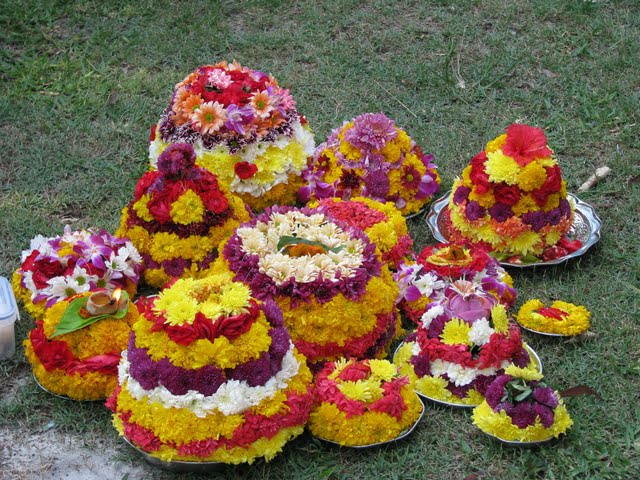
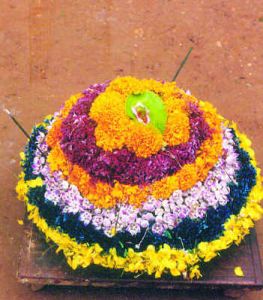
    This is the second largest festival after Vijaya Dashami in the Telangana region.Goddess Gauri who give life giver is worshiped in the form of Bathukamma.In that festival women try to seek blessings of goddess gauri to give them prosperity and do good for their family for the whole year.Very bright and colorful flowers are arranged step by step in the form of a cone and at the top of it turmeric are placed which signify both life and eternity in their colors.The goddess is created every year and is worshiped for the whole 9 days completely with divine and pure heart, later on the tenth day the goddess is immersed duly in local water bodies.This is the largest festival in Telangana and was started long ago about centuries back and is still celebrated as grand cultural event in this region with great enjoyment.

    Bathukama-colorful-flowers-arranged-in-the-form-of-cone
    Bathukama-colorful-flowers-arranged-in-the-form-of-cone

    This festival involves mainly flowers the goddess Gauri devi is arranged in as a beautiful flower stack in seven different layers as a conical mound.As the flowers arrangement resembles goddess they are generally unique and having medicinal value.Men from the houses go around and search for the flowers like Gunuka, Tangedi, Lotus, Alli, Katla, Teku flowers and gather them which bloom during this festive season in most vibrant colors in the uncultivated and barren lands of the Telangana region.By using these gathered flowers women prepare their goddess Bathukamma by using a wooden plank or wide plate and arrange these flowers which are fragrant in the form of layers.After the plank is taken the flowers are taken and they also use pumpkin to decorate the flower top and also keep tumeric on the top of this flower mound.

    On the occasion of Bathukamma the arrangement of flowers and decorating Bathukamma
    On the occasion of Bathukamma the arrangement of flowers and decorating Bathukamma

    After the completion of 9 days on the tenth day the visarjanam or immersion of Bathukamma is done in the nearest water bodies.This festival is celebrated with complete devotion and interest throughout the Telangana region.The Women of Telangana region participate in this festival with most enthusiasm and great fervour by dressing up in the complete traditional dresses like wearing traditional silk sarees and wearing matching jewellery for it, whereas the young girls wear langa voni or half saree with complete accessories.The women of Telangana gather in large numbers and place Bathukamma in the middle and dance around them by singing songs related that are of stirring Bathukamma folk songs.Along with the songs women move round the bathukamma by clapping their hands which give a wonderful look for the festival.

    Maleeda
    Maleeda

    Bathukamma festival which is also known as Bodemma looks amazing when the lakes are filled with flowers.On this day, Maleeda is made which is offered to the god as a prasadam made of jaggery and at the end of the day,it is distributed to the people.The festival ground is filled with women as male companions aren’t allowed here and young girls participate in large numbers.

    There are many myths regarding this festival.One of the myths  according to legends is that Bathukamma or Parvati is a lover of flowers.Flowers are arranged om a square wooden plank with that size of frames forming on top of it which resembles the shape of a temple known as Gopura.On the top of the flowers,a lump of turmeric is kept and this little floral mountain is worshipped as Goddess Bathukamma.

    Bathukamma festival
    Bathukamma festival

    This festival is celebrated with utmost joy and gaiety.There are many dance performances,traditional music,dramas for many tourists who visit to watch this splendid festival.This festival is attracting thousands of tourists and many  are coming here just to watch this festival.During this month long celebrations, Jataras ( fairs or melas ) are also held.If you are a traditional lover,then this festival sure will attract yor attention towards it and it fills your mind and heart with joy.

  • The holy month of Ramadan – all you need to know!

    The holy month of Ramadan – all you need to know!

    With the advent of the pious month of Ramazan or Ramadan, hustle and bustle can be seen throughout all the Muslim households. The preparations begin a lot in advance. Excitement can be seen everywhere. From shopping for clothes and accessories to stocking up the eateries in order to avoid the last minute confusions, people do it all. This is the ninth month of the Islamic lunar calendar. This is said to be the most sacred month. The word Ramadan is of Arabic origin. Its literal translation is ‘intense scorching heat or dryness’. It is a rigorous month of intense fasting wherein all the members of the family fast every day for the entire period. The fasting is mandatory for Muslims who reach puberty unless they are physically unable to do so. Certain exceptions are made in the case of children, ill people, pregnant women, diabetes patients, menstruating women etc. The fasting or the rozas commence from dawn and end at dusk. They do not consume any food or drink neither do they smoke. Swearing is something that is also avoided. As I have heard from some friends, they do not even gulp in their saliva. This might be a shocker, but it’s true.

    Fasting is undoubtedly good for health. It has its perks. It gives the digestive system a rest along with allowing the cleansing and de-toxification of the body. It relaxes the body and revitalizes it. A tranquil spiritual feeling descends. In popular belief in Islamic culture, fasting washes away the sins and bestows upon the people many rewards. The fasting diverts the attention from materialistic activities and gives time for spiritual reflection, cleanses the soul and purifies the heart. The person becomes more considerate, empathetic and self-disciplined. He begins to see the less fortunate in new light and within him generosity creeps in.

    Namaz

    The beginning of Ramadan is marked by a new moon. Fasting begins from the very next day when the moon is seen. The month lasts for approximately 30 days. It depends on when the crescent moon has been sighted.
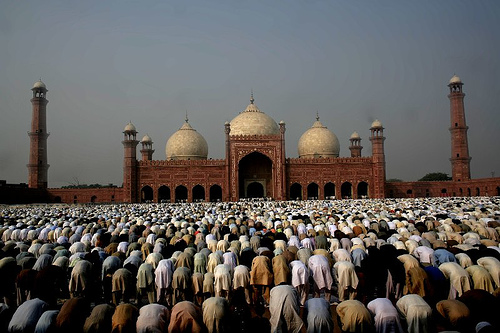
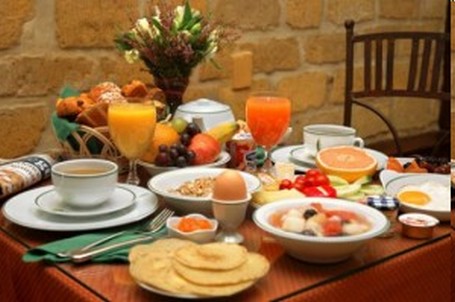
    The people who fast wake up early before the sun rises and consume the meal called ‘suhoor’ or the ‘seheri’ which keeps them going through the day. Thus the suhoor is a heavy meal which gives enough strength for the entire day to the people who are fasting. It is very necessary to consume ample amount of water or sharbat during suhoor in order to remain hydrated throughout the day. As soon as the sun rises, suhoor ends and the first prayer or the namaaz is offered. This first prayer is called the fajr or the morning prayer.

    sehri

    The entire day goes by without consuming anything. People put themselves through rigorous fasting. They offer five prayers or namaaz during the day. The devotion and dedication of these people is a thing to admire.
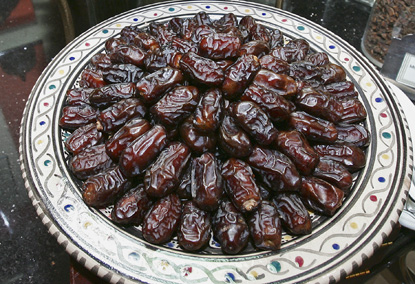
    At sunset the last prayer is offered which is called the maghrib. The meal which breaks the fast at sunset is called ‘iftaar’. Most people eat dates for breaking the day long fast and later go on to have a proper feast.

    dates

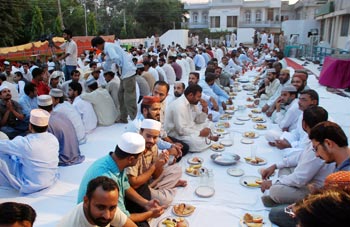
    At iftar, social gatherings are very common in which the meal is spread out in a buffet style. Friends and families gather for this small celebration together during the evening.

    iftar-dinner-080918_04

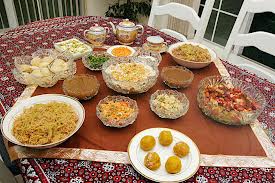
    Traditional dishes and desserts are served which are specific to the month of Ramadan. Families also share the dishes they prepare for iftaar with their neighbours. Nothing quenches the day long thirst like a glass of water does! Juices and milk are also a popular choice, though caffeinated beverages are not usually consumed. Sewain is the most sought after dessert.
    Iftar

    Common food items that are consumed during the two meals are fresh fruits and vegetables, dry fruits, kebabs, sharbat, salads, lamb stew, haleem, jalebi etc.
    Some people also indulge in the practice of giving away food to the poor and homeless during iftaar. This can be done on an individual basis wherein the meal is offered to a few people. This can also be seen in large public areas where the less fortunate gather and break their fast with the food these people offer to them. This charity is one of the most important parts of Ramadan. It is believed that helping a fasting person break their fast garners great rewards.
    Along with fasting and charity, reciting the Quran, the holy book, on a regular basis is also an integral part of the month of Ramadan. This recitation is voluntary rather than mandatory. Though it is pretty common to finish the entire Quran during the course of the 30 days.
    Ramadan gets over on the next day after the sighting of the new moon. The day when it gets over is celebrated as Eid-ul-fitr. This festival is celebrated with huge pomp and show. The people flock the bazaars and shopping malls for new clothes and accessories. Henna or the mehendi, colourful bangles and beautiful suits are adorned by the women. This is a day of no fasting. People decorate their houses with pretty lights and set up a lavish feast. The gifts are given in the form of Eidi to children and relatives. ‘Eid Mubarak’ is the greeting that is said all around. Neighbours and family members visit each other to share sweets and dishes. Sewaiyaan is the most loved sweet dish which is prepared with vermicelli in milk along with dried fruits.
    Ramadan-prep
    Ramadan is a month where people believe that all their sins get forgiven. And they do a lot to achieve that, fasting straight for 30 days is no easy task. It is admirable to see them put themselves through so many restrictions in order to stand by their culture.
    Wishing all the people who are celebrating this holy month, Ramadan Mubaarak!!

  • Things you didn’t know about the Mahabharata

    Things you didn’t know about the Mahabharata

    mahabharata 1.

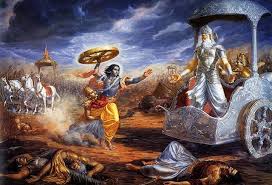
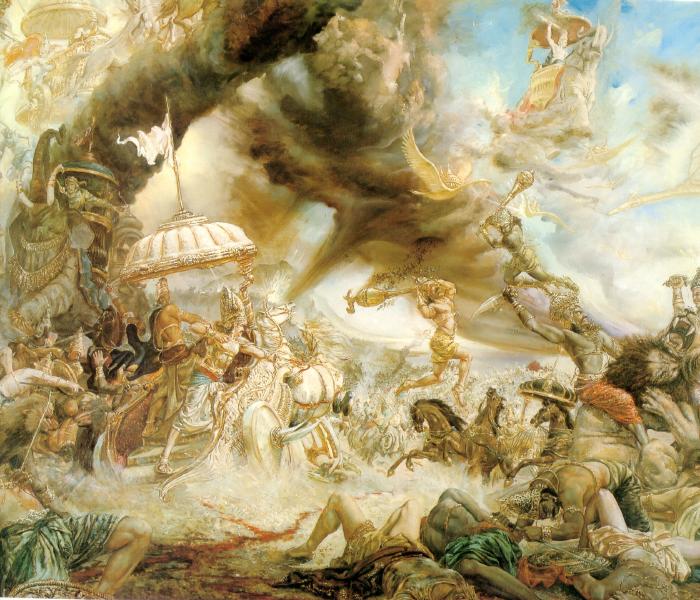
    Mahabharata, the story of two sets of paternal first cousins, the Kauravas and the Pandavas who become bitter rivals, the story where a wife is shared by five husbands, a story of vengeance, a story where a kingdom is gambled away, a story which went on to become one of the greatest epics in the history of the world.

    Here are some really interesting facts about the greatest epic of all times:

    1. There are lots of stories about the Amrit Manthan which are the part of the original epic Mahabharata. But very few people know that the entire epic was narrated at the Sarpa Yagna. This Yagna was being conducted by Janamjaya, who was Arjuna’s grandson.

    Mahabharata1

    2. Karna and Bhishma never fought in the battle together. Bhishma, being the army chief wanted Karna to submit himself to Bhishma and fight under his supervision. Karna could not do that. Hence, Karna only fought the battle after Bhishma’s death.

    3.Out of the hundred Kaurava brothers, only Yuyusu survived the war.

    4 .Krishna had once questioned Yudhishtira that why did the King of Indraprastha, not seek his assistance while playing the dice game. If Shakuni was allowed to play from the Kauravas side, then even Krishna could play on the behalf of the Pandavas.

    mahabharata12

    5. Krishna knew about Arjuna’s love for Subhadra. He instigated Arjuna with idea of kidnapping Subhadra. Balaram and the other Yadavs were furious when Arjuna kidnapped her. They were all up in arms and got ready to chase Arjuna. Krishna stopped them by saying that Arjuna had done everything according to the Kshatriya Dharma and that they are indeed lucky to have married away their sister to such a great warrior.

    6. The names of the Kuaravas have always been associated with their bad reputation. Duryodhana which means ‘bad warrior’ was actually Suyodhana, the good warrior. Dusshasana meaning bad ruler, was named Susshasana which mean good ruler. Dusshala, meaning someone who is not elegant, was initially named Sushala.

    The Attempted Disrobing Of Draupadi

    7. Once the whole vastraharan incident was over, Draupadi apologized to the court and said that she had been dragged here and humiliated.

    8. Jayadhrath was the only brother in law to the Kaurava brothers as he was married to their sister Dusshala. In fact, he was the one who slayed Arjuna’ son Abhimanyu in the Chakravyuh.

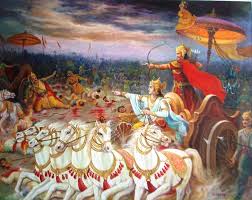
    9. Surprisingly, Arjuna was not the only one to have heard the Bhagavad Gita when Krishna narrated it. Hanuman sat on top of the chariot which Arjuna rode and was there throughout the battle. Sanjaya, the one who narrated the entire Mahabharata to the blind Dhritharashtra was blessed with divine vision by Ved Vyas.

    mb

    10. Dhritharashtra was a tyrant king in his previous birth. While walking on the side of a lake, he saw a swan with hundred cygnets, which are young swans. He ordered for the swan’s eyes to be taken out and kill all the hundred cygnets. And all this, just for his passing fancy. Therefore, as fate would have it, he was born blind and all his hundred sons were killed in battle.

    11. Bhishma, known to be the greatest warrior ever born, was one of the Eight Vasus in his previous life. Vasus are attendants to Indra. So the eight Vasus were cursed for stealing Sage Vashishtha’s cow. Although, the other seven Vasus were drowned by Ganga as soon as they were born, Bhishma had to live a longer and more miserable life than the other seven as he was the leader of the Vasus when they were planning to steal the cow.

    12. Satyavati, Vyasa’s mother, was the daughter of a cursed apsara called Adrika.

    13. Vyasa just wrote the story of his own clan. But, all this while he managed to keep himself entangled in the intricacies of the kingdom and yet stay out of the politics.

    14.  When in Indralok, Apsara Urvashi proposed Arjuna. But he addressed her as ‘mother’. Enraged, Urvashi cursed Arjuna and said that he would become a eunuch. This eventually became a significant event in Mahabharata. During their final year in exile, this served as a boon for Arjuna as he lived as Brihanalla, a eunuch in the court of King Virat.

    mb1

    15. There was a reason why Krishna favoured the Pandavas in the battle. When Duryodhana and Arjuna approached Krishna asking for help and seek his support. Duryodhana reached Dwarka before Arjuna did. They were informed by Satyaki that Krishna was asleep. When they entered Krishna’s room and found him asleep, Duryodhana sat near his head and Arjuna went to the foot of the bed and stood there with his hands folded. When Krishna woke up, he saw Arjuna first.  Duryodhana wanted to be listened to first as he came before Arjuna. But since Krishna saw Arjuna first, he said it would be fair if he supported both the sides. So on one hand was his famous Narayani Sena and on the other, armless and weapon less Krishna.

    16. After Krishna left for Vaikuntha, Pandavas too lost renounced all worldly pleasures and began their journey toward heaven. All the Pandavas could not reach the gateway to heaven and fell down from the stairs one by one. Only Yudhishtira remained till the end. When he turned, he saw that a dog had followed him all the way to heaven. This dog was Yamraj.


  • The cultural capital of India – Kolkata

    The cultural capital of India – Kolkata

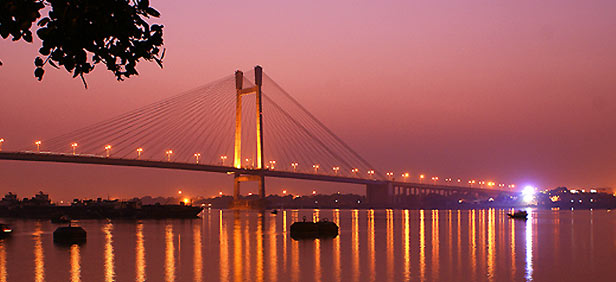
    Kolakta which is the capital of West Bengal and it is the former capital of British India during the year 1772 to 1911.It is one of the ancient and largest cities in India and also one of the major ports in India.IT is located on the eastern bank of hugli river.A city of commerce, transport, and manufacture, Kolkata is the dominant urban centre of eastern India.

    kolkata-city
    Kolkata-city

    Origin of name Kolkata:

    The ancient name of Kolkata is Calcutta, it is a older version of Bengali name Kalikata. According to few people the name Kalikantha is derived from the word Kalikshetra which means ground of goddess Kali.According to few people the name came as the city is located on the bank of the canal Khal.The other opinions are as it is famous for the manufacturing of shell lime, the Bengali words for lime are Kali and the burnt shell in Bengali is kata, thus the name originated according to few people.As it is famous for manufacture of shell lime the government of West Bengal has changed its name to Kolkata.

    Landscape:

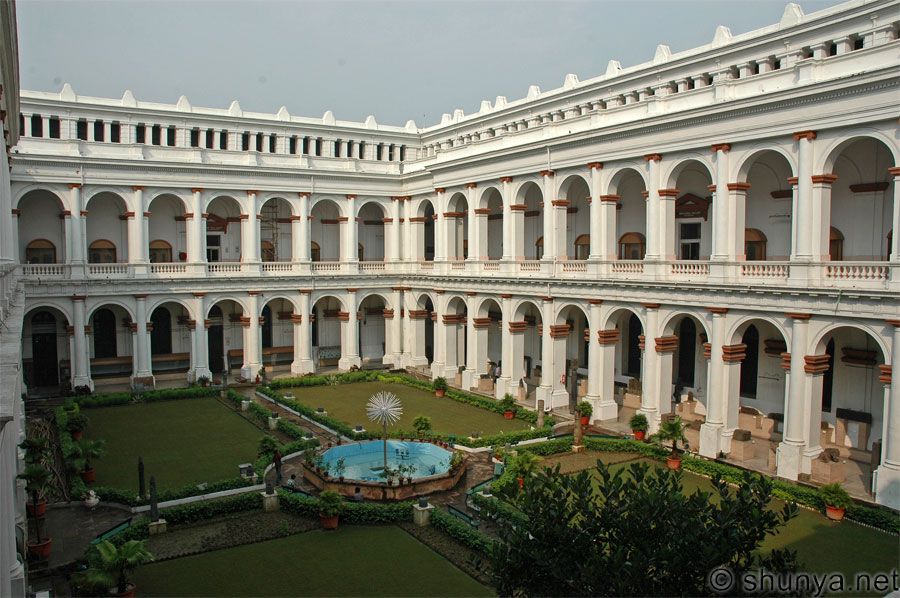
    The city has a maximum elevation of about 9 meters above sea level.The city handles a large portion of India’s foreign trade in both agricultural and manufactured products.The main thoroughfare in Kolkata is Jawaharlal Nehru Road.Along this road we can find many shopping malls, city’s shops, restaurants, and hotels. On our way we an find Indian Museum which has a vast collection of ancient Indian artifacts and on this road we can find Birla Planetarium which is one of the largest planetariums in Asia.Maidan park covering over 985 acres and the main attractions of the park are Fort William and the Victoria Memorial Hall which is massive monument in the museum which is made up of marble.

    Indian-Museum-kolkata
    Indian-Museum-Kolkata

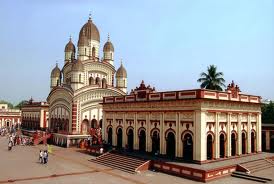
    The city is having many old churches, temples, mosques.The largest mosque in the city was Nakhoda Mosque which was built around 1926 to 42.The Kali temple is an impressive Hindu temple which is famous all over the country.Coming to churches St. Paul’s which is an Anglican cathedral is built around 1839 to 47.Durga puja which is famous Hindu festival celebrated very grandly throughout the city during the months of September and October.

    Kolakta kali temple
    Kolakta kali temple

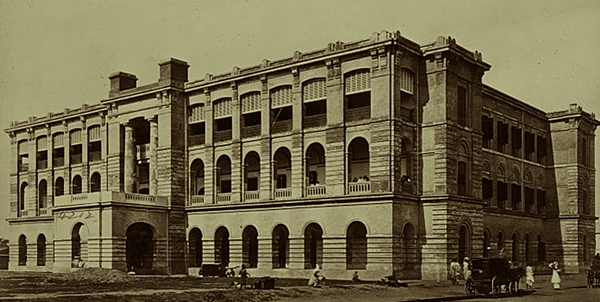
    University of Calcutta which is being the oldest and is found during the year 1857 and this is one of the leading Institution in the city of Kolkata for the higher education.In this city of Kolkata there is National library with a collection of about 20,00,000 volumes.This library is situated at Belverdere Estate which is located near Alipore Zoo.

    Calcutta_university_1857
    Calcutta_university_1857

    The city of Kolkata is having an International Airport which is being served by several railways and highways, including the Grand Trunk Road which links Kolkata with Delhi and upper part of India.In India first Subway is opened in Kolkata during the year 1984.

    kolkata_international_airport
    Kolkata_international_airport

    Climatic conditions:

    The city is quite hot with moderate temperatures during December to January and is having high temperatures during April and May.The average annual rainfall in Kolkata is about 64 inches.Winter falls from the end of November and continues till February.it is pleasant and the fogs and mists reduce the visibility in the early hours.

    People:

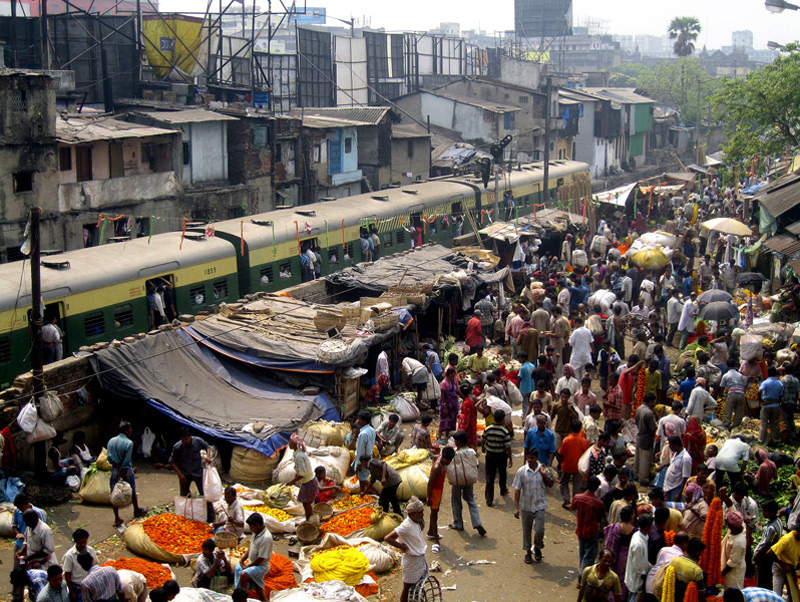
    We can find many religions in Kolkata but the major are Hindus, Christians, Muslims.Because of this multi linguistic in nature we can find many languages are being spoken by the people but most dominant language is Bengali.Many people from various parts of the world visit this city for various purposes being a cosmopolitan city.The population in Kolkata is extremely high and overcrowding can be find in almost every place we visit in the city.This overcrowding is found from many decades this is mainly due to the migrants of the people from the neighbouring states like Bihar, Orissa, Uttar pradesh, Jharkhand are coming to Kolkata in search of employment.

    Over crowding in Kolkata
    Over crowding in Kolkata

    Economy:

    Kolkata Is one of the India’s  prominent economic centres because of its manufacturing industries, finance, trade, exports, imports and is having major activities like printing, publishing, and newspaper circulation, as well as for recreation and entertainment.In addition to all these there are many resources available in Kolkalta like coal, iron, manganese, mica, petroleum, tea, and jute.

    Kolkata Cuisine:

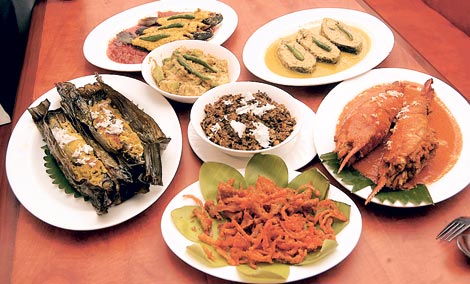
    Kolkata is having unique food habits and many of them eat meat and fish regularly.People of Bengal mostly prefer to eat fish, goat, mutton and chicken and the only exception is beef and few Muslim communities even eat it also.As Kolakta is having countless rivers, ponds and lakes many varieties of fish are available here and we can also find prawns, shrimp and crabs also in abundant.Most of the people eat fish as a dish in any of their day meal.They use different types of spices both for fish and vegetables.

    Kolkata cuisine
    Kolkata cuisine

    Fish:

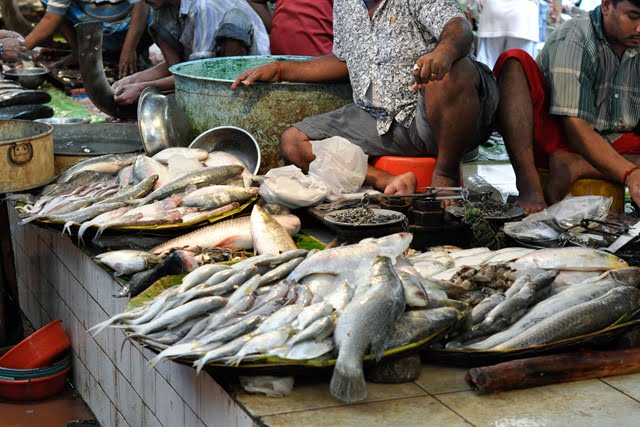
             Fish is the dominant kind of protein in their cuisine because of the numerous number of ponds, lakes, rivers.Almost every part of the fish are eaten and few spare bits of the fish are usually used to flavor curries and dals.The salt water fish Ilish is very popular among the Bengali’s and is also known as the icon of Bengali’s cuisine.There are many ways for the cooking of these fishes depending on the texture, size, fat content and the bones.They can be fried, roasted, a simple spicy tomato based gravy.Some are cooked with curd or yogurt with sour sauce, with sweet sauce or even the fish made to taste sweet on one side and savoury on the other.There is a saying that the Ilish fish can be cooked in 108 different ways.

    Varieties of fishes in Kolkata fish market
    Varieties of fishes in Kolkata fish market
  • Pastafarianism: All Hail His Noodliness

    Pastafarianism: All Hail His Noodliness

    Let me have the pleasure of introducing you to one of the oldest religions in the world, Pastafarianism. It might be an unusual name and over the internet you will find a whole lot of people announcing it as a spoof religion but it is NOT. It is as true as the Flying Spaghetti Monster Himself.

      According to the Holy Scriptures, everything started 5000 years back when the lord Flying Spaghetti Monster created the earth.

    Deity of Pastafarianism:-

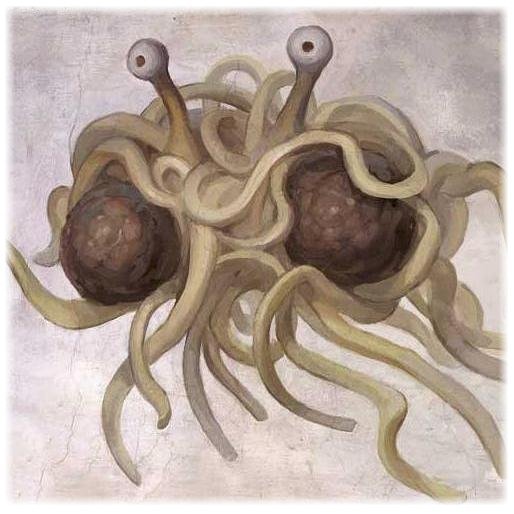
    His Noodliness

    The deity of Pastafarianism religion is Flying Spaghetti MONSTER, called so because of his distinctly non-human form. As you can already see we humans are not created in his Noodliness’ image, not even a slight possibility of that.

    Theory of Creation:-

    The story of Pastafarian creation is simple. First, there was a word, and that was ’Aaaaaaaaaargh!!’ His noodliness created the heaven, the trees and the midget. Following days, he created everything else. But then He got so tired that He needed the last three days for rest.

    In alternate theory, Flying Spaghetti Monster drank heavily and had a hangover when He was creating Earth and everything. This is the reason for all the flaws and problems. After creating all this, His Noodliness rested and made some pasta. When He returned to check up on His creation, He discovered that thousands of years had already passed and there were pirates roaming the seas.

    Origin of Religion:-

    Because the religion is so ancient that it is hard to track its beginning, but according to Holy Scriptures, it started when His Noodliness gave Pirate Captain Mosey the eight I’d Really Rather You Didn’t. Since then, Pastafarians increased in number steadily but the revolt and chaos created by other religions forced Pastafarians into hiding.

    Renaissance of Pastafarianism

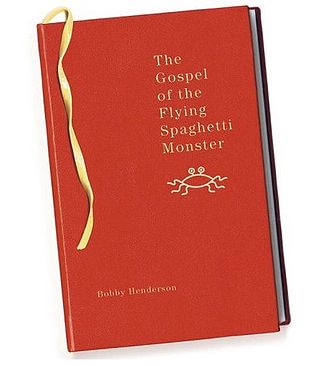
    In 2005C.E., the prophet Bobby Henderson, a Physics graduate from the Ohio State University was enlightened by Holy Noodliness, the Flying Spaghetti Monster.

    This resulted in Bobby Henderson’s famous open letter to the Kansas State Board of Education in order to add this holy religion in Kansas State Schools as a part of their curriculum in Alternate Theory of Evolution. You can read the letter here. Though he failed in that attempt but he succeeded in restoring and popularizing this centuries old faith.

    Worship

    Gospel

    Morals

    Morals of Pastafarians are guided by the eights Condiments, though two are lost which is a sign that His Noodliness won’t mind if you skip some of the rules of religion. The traditional dress of Pastafarianism is Pirate Regalia which pastafarians have to wear all the time or at least some time.

    The Eight Condiments

    Some of the Condiments, also known as I’d Really Rather You Didn’t, are mentioned below:-

    • I’d Really Rather You Didn’t Act Like A Sanctimonious, Holier-Than-Thou Ass When Describing My Noodly Goodness. If some people don’t believe in me, that’s okay. Really. I’m not that vain. Besides, this isn’t about them so don’t change the subject. OK?


    • I’d Really Rather You Didn’t Use My Existence As A Means To Oppress, Subjugate, Punish, Eviscerate, And/Or, You Know, Be Mean To Others. I don’t require sacrifices and purity is for drinking water, not people.


    • I’d Really Rather You Didn’t Judge People For The Way They Look, Or How They Dress, Or The Way They Talk, Or, Well, Just Play Nice, Okay? Oh, and get this in your thick heads: Woman = Person. Man = Person. Samey-Samey. One is not better than the other, unless we’re talking about fashion. Then, I’m sorry, but I gave that to women and some guys who know the difference between teal and fuchsia.


    You can read the rest here if you want.

    Noodle Dance:

    Noodle dance is the complex traditional ritualistic dance of the religion which is assosciated with Holy Noodle Ceremony.

    Prayers and Hymns

    The Noodles prayer is the most common prayer as dictated by the Prophet Ragu:-

    “Our saucer which art in a colander, draining be Your noodles. Thy noodle come, Thy meatballness be done on earth, as it is meaty in heaven. Give us this day our daily sauce, and forgive us our lack of piracy, as we pirate and smuggle against those who lack piracy with us. And lead us not into vegetarianism, but deliver us from non-red meat sauce. For thine is the colander, the noodle, and the sauce, forever and ever. R’Amen”

    There is another ‘Hail Meat sauce’ prayer which is common among followers of this religion.

    For Hyms, various songs by the beloved Prophet Ragu can be used like Holy Holy Pastaroni, A Meaty Pasta is Our God, By His Noodly Appendage, What Sauce is This and others.

    Afterlife

    Pastafarians believe in Heaven and afterlife that includes Beer Volcanoes and Stripper Factory. It is also believed that the people with proper measure of Meatitude will join the Flying Spaghetti Mosnter in the Great Pasta Bowl in the afterlife.

    Have faith on His Noodly Appendage and you will be rewarded in Afterlife with Noodle-y delights.

    Towards other Religions

    Every religion is welcome to come and join the Pastafarian religion. Pastafarians might be considered spoofs but they are not and they don’t judge others too with any such label.

    Personal Views on this Religion

    IN PASTA, WE BELIEVE. Basically, for the last word, Pastafarians are not anti-religion. They are anti-nonsense done in the name of religion. Isn’t it fair?