Tag: street food

  • What makes Delhi, Dilli – 2

    What makes Delhi, Dilli – 2

    In the last tour de Delhi, we hopped onto some of the binges of Delhi, how the love affair of the nation started with Delhi, the great repertoire of Architectural marvels in Delhi and a touched the tip of the iceberg as to what makes you melt with love, when you hear the word Delhi. Today, we explore more.

    The Bedmi and Nagori:
    be

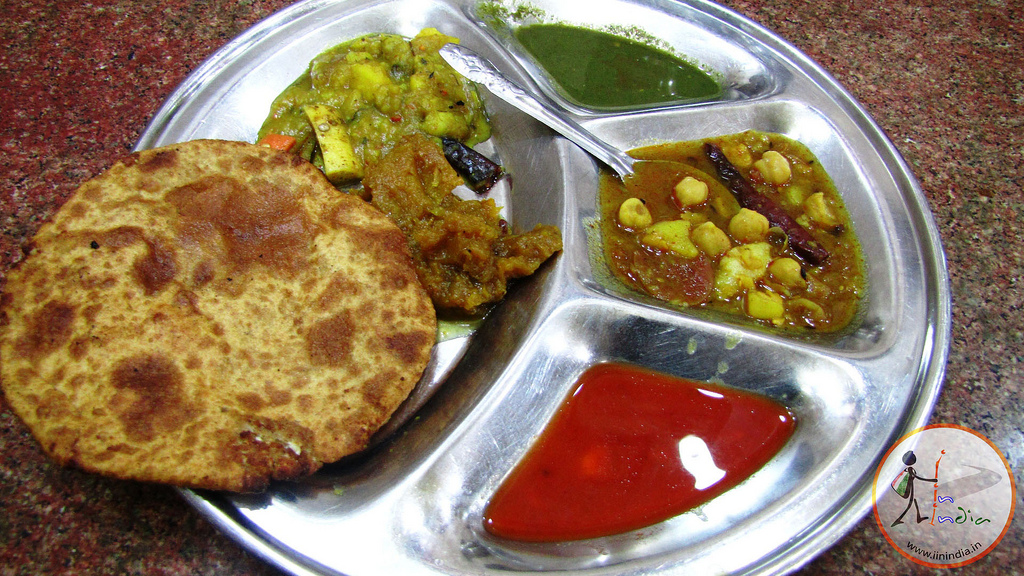
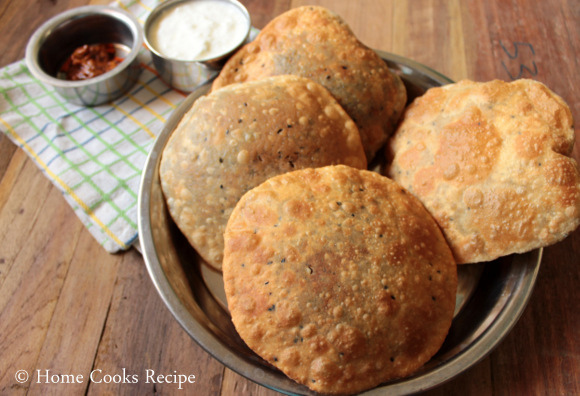
    One relatively less known delicacy but nevertheless enjoyed to its zenith by the  few loyal customers, the bedmi is a variety of Khasta Kachori smaller in size and more khasta by all means. This is what one could call the Kachori’s  younger cousin. Filled in the epicentre with Semolina, carom seeds and grated peas, this delicacy melts in your mouth. Served along with our beloved aloo ki sabzi and halwa, you might have an oddity treat and might as well try mixing the two side dishes (The halwa and the aloo ki sabzi). This queer combination will make you reminiscent of the sweet and sour soup gone terribly wrong, but it’s a taste nevertheless. The Nagori is the youngest of the brood of Kachoris and more closely resembles the papadi that you get at a chaat stall. This also served along with aloo ki sabzi and halwa will give you plentiful of energy (And not to mention a truckload of calories) to roam the rest of Chandni Chowk with me.

    The Punjabi Diaspora:
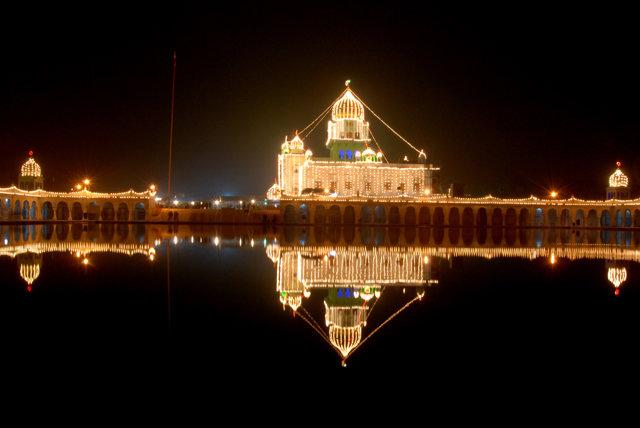
    bangla

    Delhi is borderline Punjab. Geographically and literally. Once you enter Delhi, you’ll see an equal number of turbans as you will see bare heads. That because, there was a huge exodus from the Punjab region during Delhi’s early industrialization days and also during the Punjab conflict periods. Thus there’s a mini Punjab residing in Delhi. And with their amazing good humor and tantalizing cuisines come along the mighty and revered Gurudwaras. Gurudwaras are the worship place for Sikhs. Here Sikhs spend quite a lot of time serving other people as they faithfully believe in the quote “ Service to mankind is Service to God.” There are a plenty of Gurudwaras in and around Delhi and the best part of visiting them is the tasteful  ‘Langar’.  Langar is the lunch that is served in Gurudwaras to everyone who visits them. Large langars are organized where people sit on elongated jute mats on the floor and eat out of leaf plates. The langar, anywhere, in any gurudwara is something to be DEFINITELY had if you ever get the lucky chance to visit Delhi. Daal is a must in every Langar. Along with it Halwa, aloo ki sabzi and poori make your lunch hearty and eventful. There are two large Gurudwaras in Delhi to which people flog on from places far and beyond. These are The SeesGanj Sahib and The Bangla Sahib. Both are lakes of tranquillity and you will feel emancipated from all your worries and ill humoured feelings, once you enter the complex. Visit these if you are looking for serenity and a meal full of love and affection.

    Kareem’s and Khan Chacha:

    Chicken = Kareem’s.              Kareem’s = Chicken.

    Chicken = Khan Chacha.     Khan Chacha = Chicken.

                         Kareem’s = Chicken = Khan Chacha.
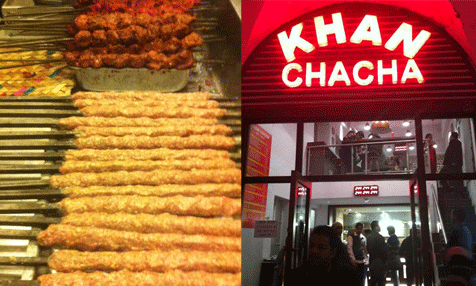
     

    tn_6284_khan1-1374305008

    One’s trip to Delhi will be wasteful, if he goes to Delhi but does not visit any of the above mentioned place. Both these places have been established in Delhi for the last 100 years or so and have been constantly providing the people of Delhi with an indispensable service ever since. The service of good food. Or more specifically, the service of Great Chicken. Khan Chacha and Kareem’s both are known for their Mughal style Chicken which they both offer in Chandni Chowk. The shop is tiny but the crowd of buyers: mammoth. Both of them provide exceptional Tandoori Chicken and Kebabs. Their extraordinary skills lie in providing with dry chicken variety. They specialize in Seekh kebab, Shammi kebab, mutton burra kebab, mutton stew and the rann (goat’s leg). These leave you with the exact smoky flavour that should be left after having a tandoori meal and also bestows upon you the feel of the grill.

    Connaught Place:
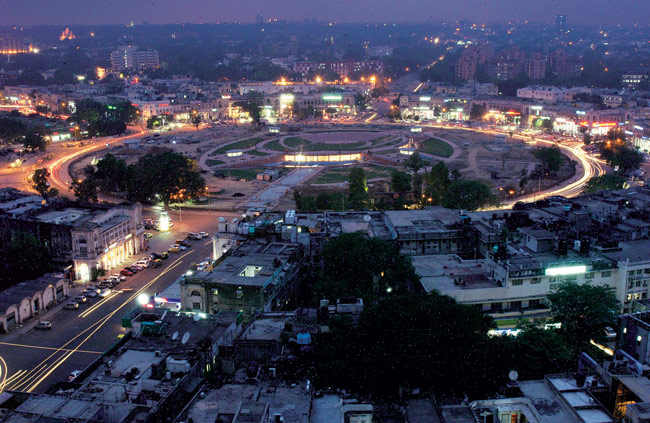
    cp-650_081714012910

    What makes Delhi, Dilli you ask. One of the reasons of Delhi’s uniqueness is Connaught Place. Two British Built market places in circular shape around a gigantic park in between. Sounds confusing? Well, it is. But in earnest Connaught Place is one stop destination for all the top notch brands anywhere in the world. Until one hasn’t a shop in Connaught Place, he/she is too amateur to go global. A beautiful set of buildings all dressed up in white just like a catholic wife-to-be in circular shape mark the inner circle and the outer circle. A market place to take a stroll ith your friends or go bridal shopping; A day to enjoy Delhi in one glance and a hurried shopping session; everything happens at Connaught Place.

    ‘THE’ Palika Bazaar:
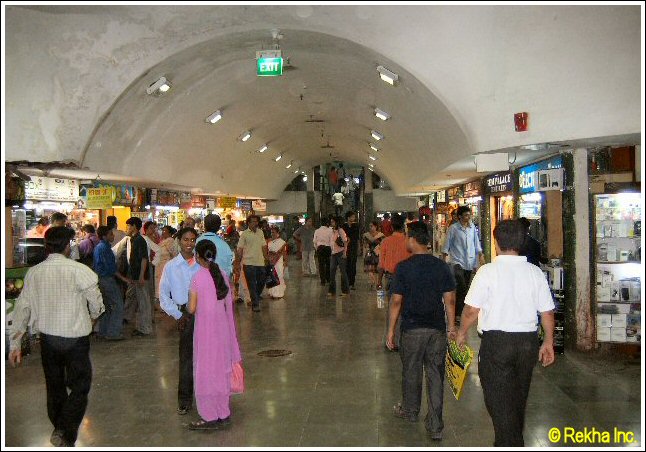
    pal

    Ever heard of an underground market place? Palika is one. No, it is not underground as in illegal, it is underground as in, it is literally 400 bunch of shops UNDER-the –GROUND. Remember how the Connought Place is circled around a gigantic park? Well this is a market place under that gigantic park. Palika is every women’s dream destination. Because you get the best of fashion labels at throw away prices. Loads of accessories, clothing, body tattoo shops throng the Palika. Men, don’t be disappointed. There’s something for you too, down there. Palika has men’s fashion outlets too, but more amazingly it has an entire bunch of shops that sell cheap China built Electronics gadgetry. So, next time you want a pen camera or a big grizzly transforming car, you can always go to the underground market.

    So, we made a tiny bit of progress in learning about Delhi. But don’t get tired yet, there’s more of Delhi to come.. Stay tuned.
  • What makes Delhi, Dilli…

    What makes Delhi, Dilli…

    A very long time ago when the heart of our nation was not famous for its countless rapes, an absent Government and Mufflerman; there was actually a city and a world inside that city that everybody loved. What made Delhi earn the jealousy of other metropolitan cities in the country, what is it that made Delhi stand shoulder to shoulder with Mumbai, the economic capital of India. Why is it that, people who have ever stayed in Delhi leave it with a heavy heart and tell everyone else that they can’t understand the emotions attached with the city if they have never ever lived in the city. Let’s find out!

    The Beginning of the Real Delhi:

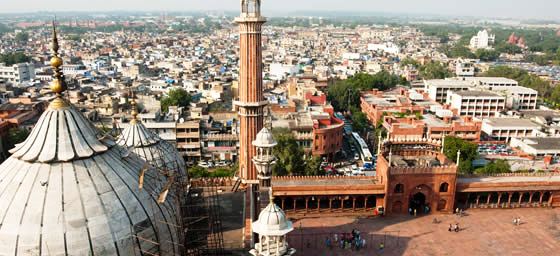
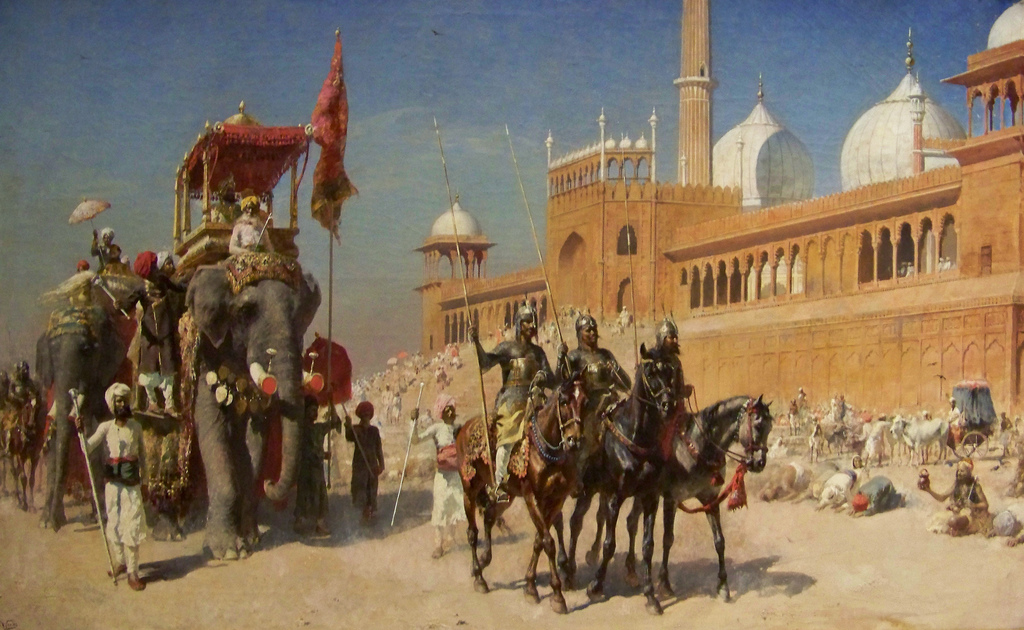
    Great_Mogul_And_His_Court_Returning_From_The_Great_Mosque_At_Delhi_India_-_Oil_Painting_by_American_Artist_Edwin_Lord_Weeks Now, the love for Delhi started long back when the Mughals transferred the Capital of India from Agra to Delhi. This is when the real on-ground transformations started taking place in Delhi. Before this move, people were as oblivious of Delhi as they were of any village in India. Firstly, with the onset of Mughals came along great Architectural Feats. For example Delhi boasts of the largest Brick Minaret in the world the Qutub Minar (well, it was built by Qutubbudin Aibek), it flaunts one of the largest mausoleums in India – The Jama Masjid, It carries reticence with its Old Fort. Also the Red Fort that instills in us a feeling of patriotism whenever we see it on our TV sets. All these Architectural marvels brought a Mughal charm to this city of ours and elevated it above its neighboring cities.

    Dilli and the finger licking tales:

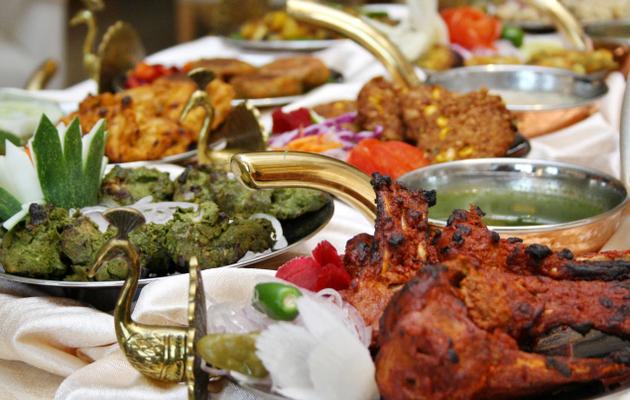
    AWADHI_FOOD_FESTIVA_898557g Along with the great architectural skill set of the Mughals arrived in Delhi their eternally pristine culinary taste. Their food was not just food, but Art on Stove. The Tandoori murg, The kadhai paneer, the Nihari,the  Paya, the Kachri Qeema, the Delhi-mein-world-famous-Mughlai Chicken, their biryani style and countless others set the tongues of the native Delhiites wagging. Not only did their cuisine establish itself in Delhi, it even grew there. More and more dishes were invented as an amalgamation of Delhi and Mughlai cuisines. This was a great culinary juxtaposition just waiting to happen. Seemed like this match was made in heaven. So, the Mughlai cuisine added one more feather to Delhi’s hat.

    Asli Delhi, Purani Dilli:

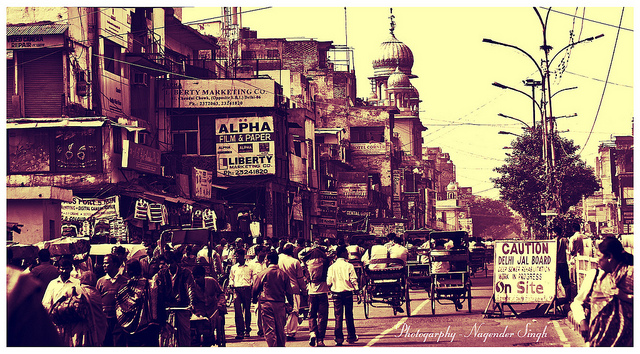
    7717061676_0ba4ab21a8_z Now, the heart of the Heart of the Nation. The Chandni Chowk and Chawri Bazaar area. For those new to the maps of  Delhi, these areas lie in the center of Delhi and still boast of historic architecture. These areas are famous for their super cramped streets, the always bustling crowd and nagging shopkeepers always trying to sell you substandard products. By the names in the list, all these seem to be pretty depressing by the levels of the national capital. But once you visit the place it seems just like your extended neighbourhood. It won’t seem as a market place to you, but a big great family  living in harmony yet tearing each other’s hair out. But there is a lot to watch out for in the Purani Dilli area. Since it is a crowded marketplace, pickpockets are always on the prowl. Also some shopkeepers tend to get too close for comfort levels in order to get their products sold. But every coin has two sides and prefer to see the loved one here please. Purani Dilli broken up and explained in pieces in the next points, because it ain’t so small that it can be contained in one measly point.

    The Paranthewaali gali:

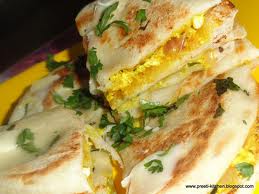
    4950341851_7711ec9fd9_b Now, now, now. Every once in a while a moment comes in every person’s life that can’t be expressed even if you keep squealing with delight for a fortnight. For a foodie that moment would come when he enters the paraanthe waale gali. The lane where our Bollywood Star Akshay Kumar slaved and toiled for many years. The paraanthe waali gali is an even narrower lane than what already was a cramped main road of Chandni Chowk. There are a multitudes of shops there only selling paranthas. But mind you, these are not ordinary paranthas, these are paranthas made of Rabri, Paranthas made of bitter gourd and paranthas made of lady finger and all the odd vegetables and sweets you can ever garner. And these are not made on a pan or a stove, these aranthas are deep fried just like samosas and tikkis are. Your whole perception of paranthas changes after entering this foodie paradise. This narrow lane adds another dimension to your notion of parantha, by doing something with it that was unimaginable before this.

    The Japanese Samosa:

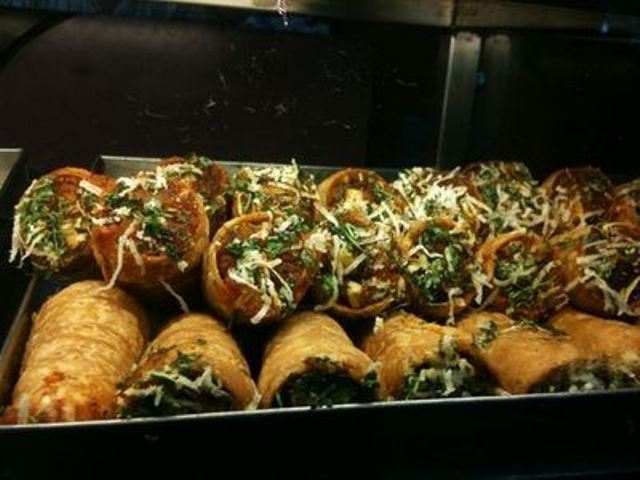
    7745361346_3ba6e884b2_z Well, to be honest, this is just sold in one shop in the entire Chandni chowk. But I swear to God, that you won’t have eaten anything like this before this. This samosa’s shape is more or less like regular samosas but the corn flour covering on the outside is striped. Thus the Japanese samosa is not wholly covered but partially revealing. The inner filling forms the crux of the whole dish. It is not spicy or filled with mashed potatoes for that matter. It is filled with a sweet mixture like that of a halwa. Thus changing the whole thought process around the samosa. By just keeping the name and shape intact, this exquisite dish retain the name value and the ingenuous sweet filling inside and the striped contours give it a modern twist. And thus, the Japanese Sammosa, The tour of the real Delhi has just begun. However, even the most brilliant of writers and esteemed authors would fail in describing the exact charisma and fascination of the city. Such complexly woven is the feel of it. I am just a young scribe who is trying to portray to you an image that tells what exactly Delhi is, if you have have never been there or miss the hell out of that angelic city of yours. To be continued…

  • My experiments with food (And truth too!)

    My experiments with food (And truth too!)

    India truly is one big piece of land. And on this big piece of land you encounter an eclectic mix of geographies  and topologies. And on these array of different  land designs, you come and meet very different people. People who practice different religions, wear very dissimilar clothes and practice varied traditions. And in all these differences lies one major difference, the different of cuisine. Just like we have over 700 gods and deities, I guess we must also have a similar number of different cuisines. But in all those differences they have one similarity. The trait of experimentation.

    No person who calls himself a religious foodie can never withstand a zeal for experimenting with food. Whether it is Milk and coca cola or Raajma with aloo bhujia; the tempt of experimenting is too great to be countered off. Hence we traipse to various parts of the country to look out for some experiments gone successful.

    The Chola Kulcha burger:

    Down the alleys and labyrinthine roads of a little known town in Punjab called Naabha, you will see gazillion of stalls selling this odd delicacy. Most people have had a taste of Chola-Kulcha in their life at some point or the other. This treat is in exactitude, same as the former, but a different form and slight delicious top ups give it the oomph factor that makes it feature in our list here.

    burger

    • Take two kulchas. Warm the boiled cholas and the kulchas.
    • Add a little bit of paneer and boiled mashed potatoes to the chola mix.
    • Now to the warm kulchas, add a dollop of butter and the samosa chutneys. The red one is mandatory, the chili sauce, add according to your taste. Keep the kulchas on the fry pan and add the chola mix in between the two kulchas. Voila! Your Chola Kulcha burger is ready to be savored.

    The Bhujia soup:

    Now, this treat had me baffled at first but left me craving for more later.

    There are places not so famous and not so hip in our country. Guduvanchery in Kancheepuram District (Chennai) is one such place. It is a sleepy village but with a huge local market. And in that market somewhere deep down, you may get lucky and get a chance to savor this orgasmic delight.

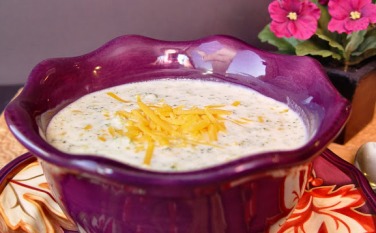
    soup

    The ingredients seem simple enough (Some namkeen + Some soup! Done!) But the trick lies not in the ingredients but the way those final ingredients are prepared. Neither the Bhujia is from Haldiram’s nor is the soup made from ready to eat packets. The Namkeens are homemade yet world class. For rookie foodies who try to differentiate between the two it will be in vain. But the oils from the namkeen and the spice mix in them scream homemade from top of their lungs. The namkeens are just not aloo bhujiia or khatta meetha. There’s a spectrum of namkeens of different sizes and different flavors available to choose from.

    But when in Home, do as the homies do. At your home, you can definitely use the knorr ready to eat and the aloo bhujia lying in the cup board waiting for guests to arrive at you home.

    The Samsiya:

    samosa

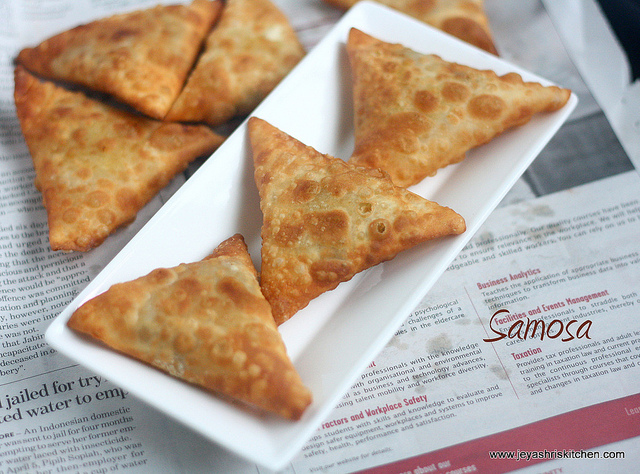
    Yes, the root of the words are the same but these are slightly different foods to be had.  While the samosa is filled with aloo mix, the samsiya is filled with fried onions. And in front of the samsiya, samosas seem gigantic. So, there should be no doubt if you find tiny samosas being sold 4 for Rs. 10 outside the Chennai railway Station. There’s one more wild twist in the tale of samsiya. Along with samsiya, you will never see your traditional imli and chili chutneys. The samsiya is served along with Coconut chutney. Just like idli is, just like vada and dosa are. This gives a good-humored  taste to the dish. Not spicy enough, not tangy enough but yes unique in its own sense.

    The Chola Pani puri:

    poori

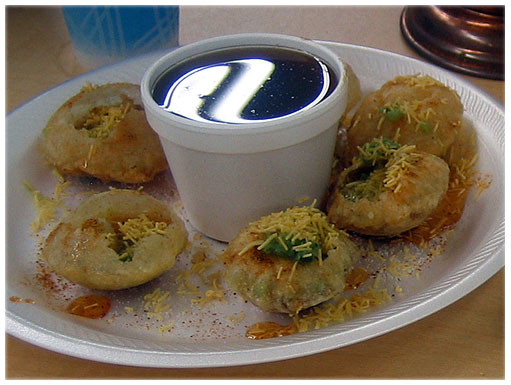
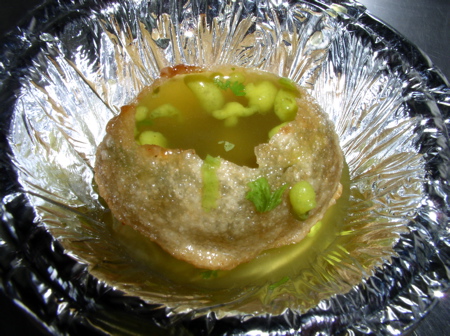
    All of you might have eaten our favorite street food: The pani puri. But you are in for a surprise when you visit a chat stall anywhere south of Maharashtra. While visiting a chaat stall, forget that you have ever eaten pani-puri before. This will be a whole new dish you will taste. Sure, the puri is the same shape as in our north and everywhere but everything else is different. The filling in the puri is not mashed potatoes but hot boiled mattar. You know the green balls that you threw out of your rice as kids, that one.  Also, the filling is not dry, there is thickened water along with the hot mattar. Next, the tangy paani which was as delicious as it was healthy. Want a tip? Forget that paani. Here the paani is devoid of any and every bit of zippy taste that you went to the chaat stalls for. The paani is hot (again) and very straight in taste. Just imagine yourself having a mild soup for the paani. And thus our beloved paani puri becomes, some hot dinner dish making you feel fuller instead of easing up your stomach.

    The vodka Paani puri:

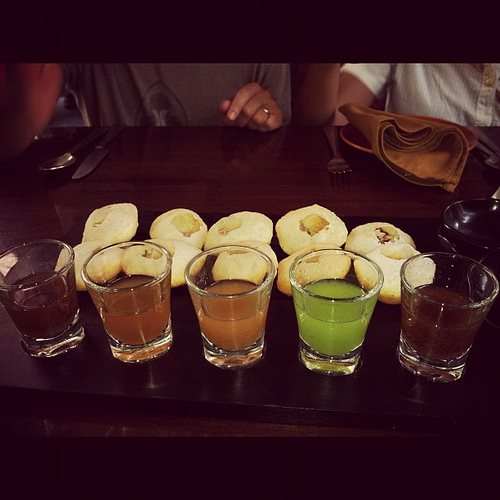
    Are all the liquor fans up yet?  *Sees left to right*  Great!  Now, this experiment is what you expect by its name.  Instead of paani you get vodka shots filled gol gappas.  Now no need for another appetizer huh? This is only offered at ‘Punjabi by nature’, a restaurant chain in the National capital and surrounding areas. The vodkas all come in different flavours, but I am sure you will not want to try out bubble gum flavored vodka with your puri.

    vodka

    So, from all around this great country of ours, we brought you some of the quirky, queer yet magnificently delectable experiments to tease you taste buds with. Try out all or some of these if you are in the neighbourhood, and get your tongue out of its routine. And do write some of your own experiments down in the comments section. Till our next journey around India, keep tasting.

  • A Platter of Vegetarian Kebabs

    A Platter of Vegetarian Kebabs

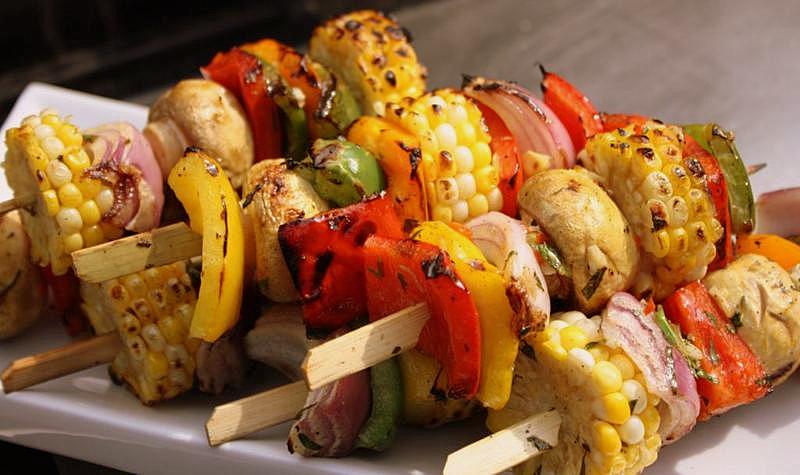
    Originating in the coastal countries of the eastern Mediterranean area, kebab is a versatile dish made by roasting and grilling pieces of meat, fish, and vegetables, over a skewer or a spit. The dish quickly spread in popularity and consumption throughout the nations of the Middle East, and then central Asia. The kebab traces its historic roots to before the 17th century B.C., and even the ancient Greek poet Homer mentions an erstwhile archaic dish resembling the same, and enjoyed all over his country in his works. However, a Turkish script by Kyssa-i Yusuf which dates back to around 1377, first properly mentions the culinary concept of the word, which is derived from the Persian language, and literally means “fry”, and sometimes “fry and burn”. Legend has it that the kebab was invented by medieval Persian soldiers who grilled meat on their swords over open-air fires in the battlefield. It quickly gained favour of both the classes and the masses, being served as the royal fare in various Islamic states over the ages, and as a much sought after and easily accessible snack or main course dish for many commoners, and the trend continues even today.

    Although lamb is the traditional choice of meat for making the kebab, there are many variants available in different meats and vegetables all over India due to religious constraints and direct or indirect dietary restrictions. Indian kebabs, whether they are vegetarian or non-vegetarian, have a unique and popular flavour of their own, owing to the wide spectrum of masalas (spices) and herbs native to the subcontinent. Apart from the numerous Indian innovations in the art of kebab making, the sheesh, shammi, tikka, and shawarma, original types of kebabs are also available everywhere, and can be found easily in small roadside eating joints as well as in top notch restaurants and hotels. The cities of Lucknow and Hyderabad are famous all over the country, owing to their thousands of decades-old, local eateries and food establishments which sell different types of primarily meat kebabs, ranging from tunday to kalmi and tangdi to reshmi, and have thus contributed a lot to culture, food, tourism, and economy.

    While you can get non-vegetarian kebabs from anywhere, the vegetarian types are a rarity to find outside one’s house, and they are generally overpriced in the restaurants they are available in. Vegetarian kebabs can be easily made at home, with simple ingredients, and less elaborate methods than their non-vegetarian counterparts. This article will provide you with three novel recipes, all made wonderfully by my favourite chef in the world, my grandmother, for these lesser known variants, namely, shalgam ke kebab, kela chane kebab, and chukandar ke kebab.


    Shalgam ke Kebab (serves 4-6 people)

    Ingredients needed:

    • 7-8 bulbs of turnips
    • 2 tablespoons of roasted besan (gram flour)
    • Finely chopped onions
    • Finely shredded coriander, chilli, and ginger
    • 2 medium sized boiled potatoes
    • Salt to taste
    • 1 small teaspoon of garam masala powder
    • Vegetable oil

    Steps required:

    • Thoroughly wash the turnip bulbs, and then carefully peel their outer skins off.
    • Put the skinned turnips in a pressure cooker and steam thoroughly.
    • Once the turnips cool down, mash them and drain out the excess water.
    • Mash the boiled potatoes and mix them with the turnips. Add coriander, chilli, ginger, and onion to the mixture and be careful to make it consistent with dough.
    • Add garam masala and salt accordingly.
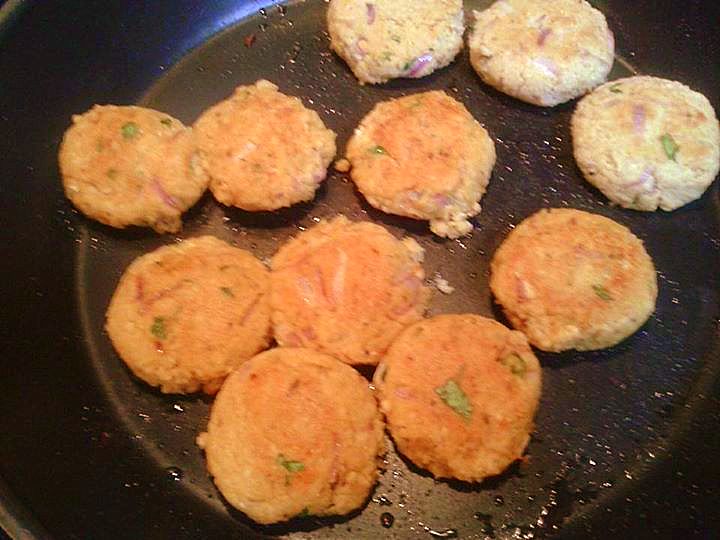
    • Make small balls of the prepared dough and flatten it into small cutlets or flattened disc shaped portions.
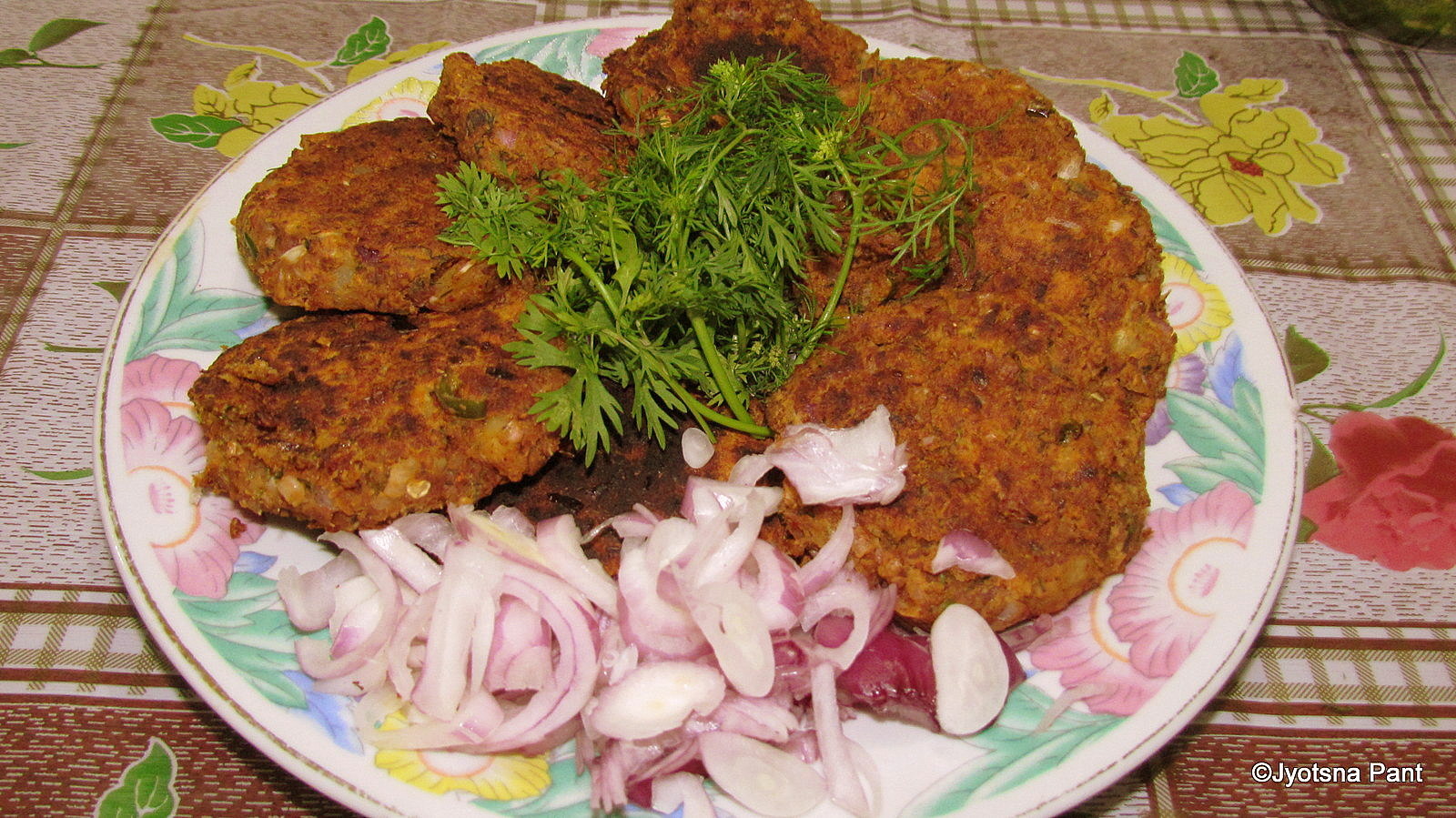
    • Shallow fry on a tawa (pan) until the kebabs are thoroughly cooked and are a rich golden-brown in colour.
    • Top with sprigs of coriander and rings of onion. Serve hot, with a chutney of your choice.


    Kela Chane ke Kebab (serves 4-6 people)

    Ingredients needed:

    • 5 clean green unripe bananas
    • 1 bowl of soaked chana dal (gram beans)
    • Finely chopped onions
    • Finely shredded coriander, chilli, and ginger
    • Salt to taste
    • 1 small teaspoon of garam masala powder
    • Vegetable oil

    Steps required:

    • Make sure to wash the bananas thoroughly with fresh water before beginning. Once they are clean, steam them in a pressure cooker with their skins intact.
    • Steam the dal separately to a soft consistency.
    • Once both ingredients cool down, peel the bananas, and mash together with the dal to make a dough.
    • Add garam masala and salt. You can also add other spices such as red chilli powder if you prefer.
    • Shallow fry on a pan.
    • Garnish with sprigs of coriander, and serve with onions and chutney.


    Chukandar ke kebab (serves 4-6 people)

    Ingredients needed:

    • 7-8 beetroots
    • 2 tablespoons of roasted besan (gram flour)
    • 2 boiled potatoes
    • 250 grams of paneer
    • A few whole clean leaves of cabbage
    • Finely chopped onions
    • Finely shredded coriander, chilli, and ginger
    • Salt to taste
    • 1 small teaspoon of garam masala powder
    • Vegetable oil

    Steps required:

    • Steam the beetroots thoroughly after cleaning them.
    • Mash the beetroots to a dough-like consistency. If necessary, add a little bit of boiled potatoes as well. Add roasted besan to this mix.
    • In a separate bowl, mash potatoes and mix them with paneer chunks.
    • Add coriander, chilli, ginger, and onion to the beetroot dough.
    • Make miniature balls of the paneer and potato mix after adding salt and garam masala to it.
    • Wrap them in a leaf of cabbage.
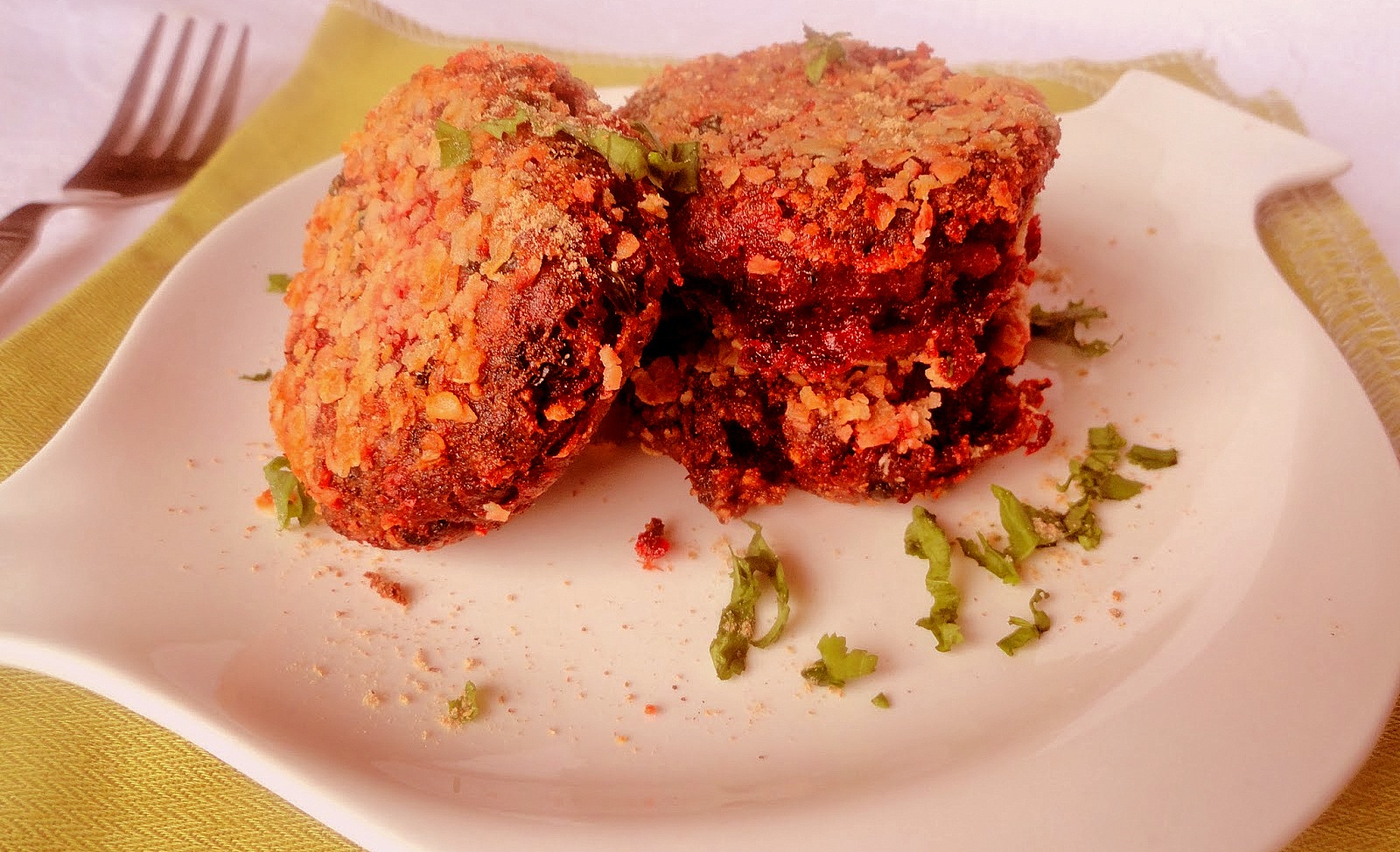
    • Encase this in an even layer of beetroot dough. Make it firm with more besan if required.
    • Shallow fry on a pan until the kebabs are thoroughly cooked.
    • Cut the kebabs open from the centre, top with coriander, and serve hot with chutney.
  • Yummy-Street Food in India!

    Yummy-Street Food in India!

    Loved by everyone and tasted by every Indian at least once in their lifetime, street food in India is always looked forward to. It is mouth watering and delicious. Its aroma is appealing and no one can forget the thwack of the “tawas” and spoons that one can hear during it gets prepared to be served! The jalebi-faafdas of Gujarat, chaat and wada pav famous all over Maharashtra, litti chokha of Bihar, Lassi of Punjab and Idli, dosa, medu wada of the South are well known to attract tourists. Let us take a look at some more delicacies that are best served on Indian streets!

    1. Chaat

    This is my favorite section of street food. Pani puri, bhel, ragada puri, sev batata dahi puri, masal puri, aloo chaat, you can find a lot of variety in Chaat dishes. Everything basically contains three or more of the mentioned ingredients- ragada which is boiled yellow peas, kurmura(puffed rice), onion, tamarind chutney, pudina chutney, potatoes, puris, sev, curd and groundnuts.

     2. Litti chokha

    Litti Chokha is a famous street food in parts of Bihar, Jharkhand and Uttar Pradesh. It is best served in Patna and also made in most houses there. If you love ghee, you’ll go crazy about this dish. Made with sattu, grinded chana, potatoes, brinjals and tomatoes, all dunked in desi ghee, this dish looks quite like Rajasthani daal baatti but yet, tastes peculiar in it’s own way.

     3. Poha

    Even though poha is eaten every now and then at breakfast in a Marathi house, Indore provides the best poha in India. It is served along with jalebi in Indore while this is a weird combo for a Marathi house where poha is eaten with lemon and sev. Poha is actually a local name for rice flakes cooked with spices and oil.

     4. Chhole bhature

    />
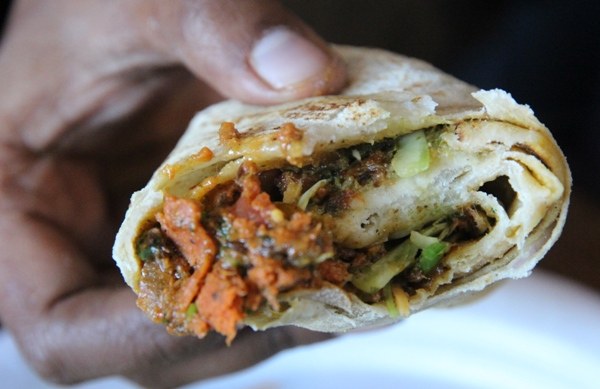
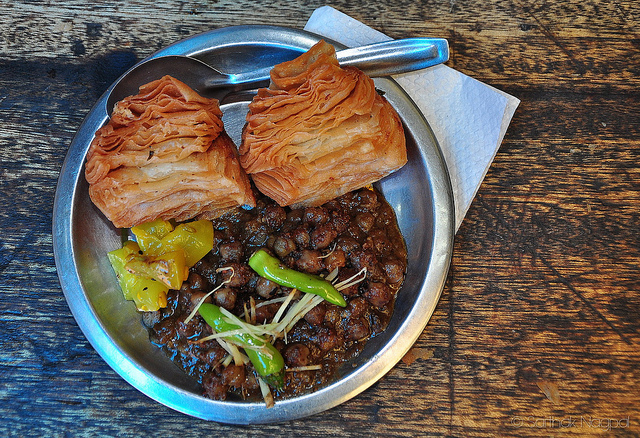
    Chhole bhature or choole kurche is a famous dish believed to be Punjabi. However, one can expect to find the best chhole bhature at Delhi. They are as famous as parathas and rajma chawal found there. Spicy chhole eaten with hot bhature is a lip-smacking combination that finds a place in everyone’s breakfast or snack time once or otherwise.

    5. Aloo tikki

    It is a famous snack of North India and is made up of crispy fried potato. We Indians love fried potatoes and can hardly live without them. These tikkis are basically cutlets stuffed with potato filling. Other ingredients that go into the dish are green chilies, bread crumbs, peas, corn and spices. aloo tikkis are again served with colorful chutneys.

     6. Missal pav

    Missal pav is almost a staple food for Maharashtrians. You can find it at every place in the state. As the name suggests, it is served with pav. Missal is a healthy curry that contains matki and spices. It is served with a garnish of chopped onion, sev and lemon. If you like spicy food, you should definitely try missal pav!

     7. Dabeli

    Dabeli was born in Kutch, Gujarat and it slowly dispersed to Ahmadabad, Mumbai, Pune and other cities along with migrated Gujarati population. It is a blend of potatoes and tomato puree mixed with special spices, garnished with pomegranate seeds, sev, groundnuts and chutney and finally stuffed inside a pav.

     8. Wada pav

    Wada pav is an interesting dish made up of potato filling inside besan (gram floor) batter. It differs from pakodas in terms of filling. The wada here is basically composed of “aloo ki subji” coated with besan which is eventually fried and served with chillies, red chutney and pav.

     9. Idli

    Idli is one of the healthiest street foods in India. It is prepared from fermented rice to give it fluffiness. The same batter can also be used to make dosas as dosa only differs in form from Idli. Idli is always served with sambhar and chutney without which it is incomplete. Though it is most popular in the southern states, it has been adopted by most of the other states for it’s deliciousness.

     10. Pakodas

    Pakodas are a hot favorite in the monsoon. You could find different flavors like chilly, onion, potato but the basic batter remains same and is composed of spices, salt, gram floor and water. You could find pakodas in most Indian states. If you talk about Maharashtra, you will get the best pakodas at hill stations and forts in monsoon.

     11. Momos

    You would simply love momos if you love chicken. No doubt that there is a vegetarian version available, but chicken momos have their own place in every eater’s heart. It is served with spicy chutney and contains stuffing inside a maida covering. This dish originated in Nepal and now has spread everywhere in India.

     12. Ragda patties

    This is a colorful dish savored in every Maharashtrian and Gujarathi house. Ragda patties are usually enjoyed with tea. If you are bored of the usual biscuits and toast, go for ragda patties. They add a spicy twist to your tea along with the colorful tamarind, chilly, pudina and other chutneys.

     13. Ghugni

    Served best with pakodas or puffed rice, the ingredients of ghungni include yellow peas, onion, garlic, tomatoes and all other Indian curry contents. This dish is native to eastern part of India and cooked in traditional style by adding Bengali garam masala. It is again served with yummy chutneys.

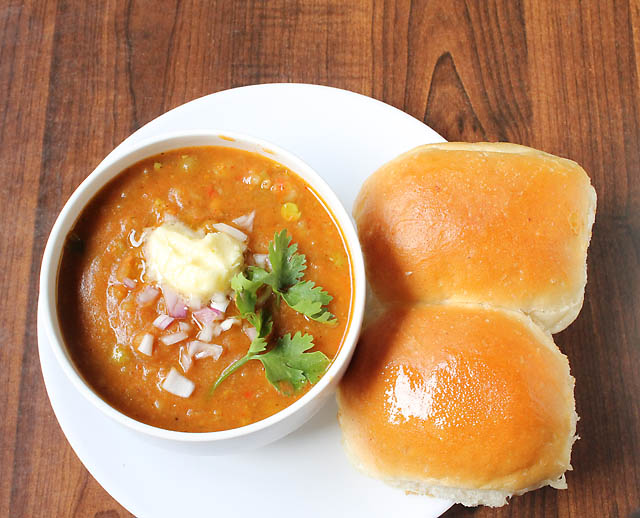
     14. Pav bhaji

    Last but not the least, we have pav bhaji on the list which is one of my personal favorites. Again, a blend of veggies such as potatoes, peas, capsicum, cauliflower, onion, tomatoes served with pav roasted in butter,it becomes even more lip-smacking when eaten with onion and lemon garnish. You will find pav bhaji at almost all cities in Maharashtra, however, it first started in Mumbai and Mumbai still serves the best pav bhaji!


  • Sweet Potato: Delicacies you cannot miss

    Sweet Potato: Delicacies you cannot miss

    SWEET POTATO DISHES

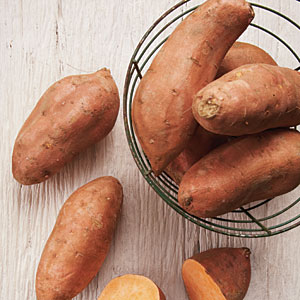
    Sweet potato is the healthier replacement of our beloved potatoes and it is loved by most of us. Packed with important vitamins and other nutrients, sweet potato helps us stay fit. They are also a good source of potassium and iron which are two most important minerals for our body. Sweet potatoes are not only delicious but they also come with long list of health benefits. So, head to the nearest grocery store now and grab some sweet potatoes. Here are a few dishes to get you started.

    -sweet-potatoes-m

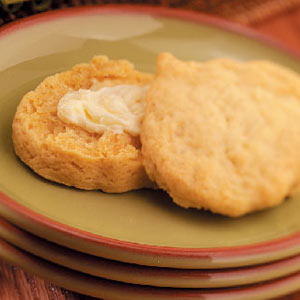
    1. Sweet Potato Biscuits

    Ingredients:

    • 1/2 kg of all-purpose flour

    • 1/2 teaspoon salt •

    I cup butter

    • 1 sweet potato

    • 4 teaspoon baking powder

    • 1/2 cup buttermilk

    • 1/4 -1/2 cup unsalted butter

    • 3-4 tablespoon maple syrup

    Method:

    • Cook and mash the sweet potato.

    • Now, add buttermilk to mashed sweet potato and blend it well.

    • In another bowl add the all-purpose flour, baking powder and salt. Add the butter to this and mix it well.

    • Add the two mixtures and mix it well into soft dough.

    • Roll out the dough on a smooth surface to about a thickness of 1 inch. Use a biscuit-cutter to cut into your desired shapes.

    • Bake it for 15 minutes approximately and your sweet potato biscuits are ready.

    For the Maple Butter:

    • Mix the maple syrup with the butter to get a smooth mixture.

    • Serve with the warm biscuits.

    sweet potato biscuits


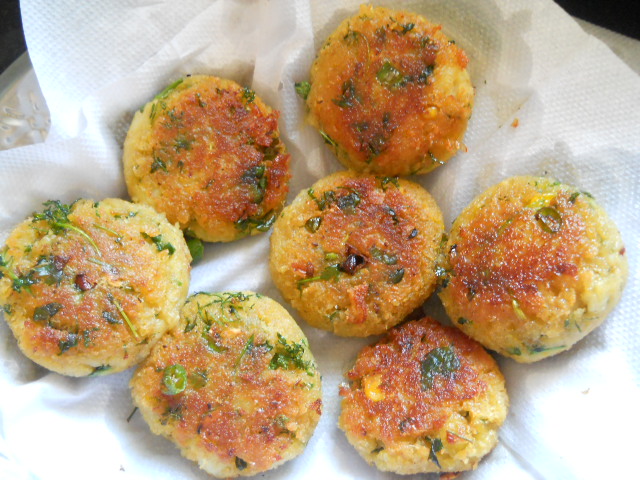
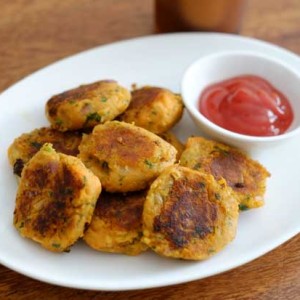
    2. Sweet Potato Patties

    Ingredients:

    • 4 sweet potatoes

    • 3 eggs

    • 1 cup of chopped onion

    • 1-2 teaspoons of chilli powder

    • 1 teaspoon salt

    • 1/2 teaspoon cumin seeds

    • 1 teaspoon pepper

    Method:

    • Grate the sweet potatoes and keep it aside.

    • In a pan, sauté the cumin seeds until brown.

    • Whisk the eggs and add the grated sweet potato, chopped onion, chilli powder, pepper, salt and the cumin seeds.

    • Heat oil in a frying pan. Now put spoonful of batter into it and fry until golden brown.

    • Serve it with sauce or chutney.

    sweet-potato-bites-300x300

    3. Sweet Potato Pancake

    Ingredients:

    • 1 cup wheat flour

    • 1 cup all-purpose flour

    • 1 sweet potato

    • 2 tablespoons sugar

    • 4 teaspoons baking powder

    • 2 cups of milk

    • 2 eggs

    • Butter

    • Maple Syrup

    Method:

    • Cook the sweet potato and peel it. Now, puree it and keep it aside.

    • Take a bowl and whisk the eggs. Add wheat flour, all-purpose flour, sugar, baking powder and milk.

    • Heat a pan and butter it properly. Cook a spoonful of the batter until golden brown on both the sides.

    • Serve the hot sweet potato pancakes with maple syrup and enjoy!

    4. Sweet Potato Pasta Ingredients:

    • 1 cup of whole wheat pasta

    •1 sweet potato

    • 1 red bell pepper (thinly sliced)

    • 1 cup diced tomatoes

    • 1 teaspoon crushed garlic

    • 1 tablespoon lemon juice

    • 2-3 tablespoons of chopped parsley

    • 1/2 cup cheese

    • Salt

    Method:

    • Peel and shred the sweet potato and keep it aside.

    • Cook the pasta until tender.

    • Take a skillet and add 1 tablespoon of oil along with garlic. Keep stirring until you get the aroma of the garlic. Now, add the sweet potato, tomatoes, bell pepper and water. Cook until the bell pepper is crisp and tender. • Drain the pasta but keep half of the water it was cooked in. Now, put the pasta back into the vessel and add the sweet potato mixture, 1 tablespoon oil, parsley, lemon juice, salt and cheese. Add the retained pasta water and combine the mixture well. Your delicious sweet potato pasta is ready!


    5. Sweet Potato Chocolate Pudding

    Ingredients:

    • 1 large roasted sweet potato

    • 1/4 cup unsweetened cocoa powder

    • 2-3 tablespoons maple syrup

    • 1/4 cup milk

    • 1/2 teaspoon vanilla extract

    Method:

    • Peel and puree the roasted sweet potato until smooth.

    • Combine all the ingredients and blend it well until smooth. It should in a puree form. Your easy-to-make sweet potato chocolate pudding is ready to serve!

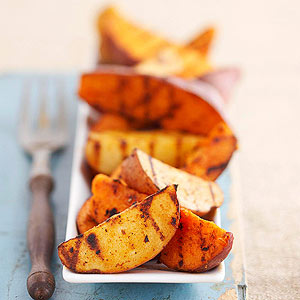
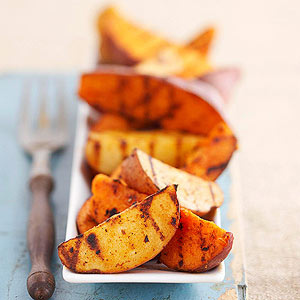
    6. Sweet Potato Wedges

    Ingredients:

    • 2-3 sweet potatoes

    • Pepper

    • Salt

    Method:

    • Peel the sweet potato and cut into wedges.

    • Mix the wedges with some oil, pepper and salt. Blend it well.

    • Roast the wedges in the oven for around 15 minutes until they turn golden brown.

    • Sprinkle some pepper on the top and serve them hot with ketchup.

    potato-wedges-

    7. Sweet Potato Soup

    Ingredients:

    • 1 sweet potato (peeled and diced)

    • 1 chopped onion

    • 1/2 teaspoon chopped garlic

    • 3-4 carrots (peeled and sliced)

    • 1 red pepper, sliced

    • 1 teaspoon ginger

    • 1/4 cup yogurt

    • 1 cup chicken broth

    Method:

    • Heat oil in a pan. Add chopped onion and garlic. Sauté for 2-3 minutes.

    • To this add the chicken broth and two cups of water. Stir well.

    • Now, add sweet potato, carrots, red pepper and ginger. Cook it well.

    • Once it is done, keep this mixture in the fridge for around 25 minutes. • Next, remove the vegetables from the mixture and puree them until thick.

    • Put this puree into the soup and blend them well. • Cook until the soup thickens. When it almost finished, add yogurt and mix it well. Serve and enjoy!

  • 4 things that make Gol Gappe the best

    4 things that make Gol Gappe the best

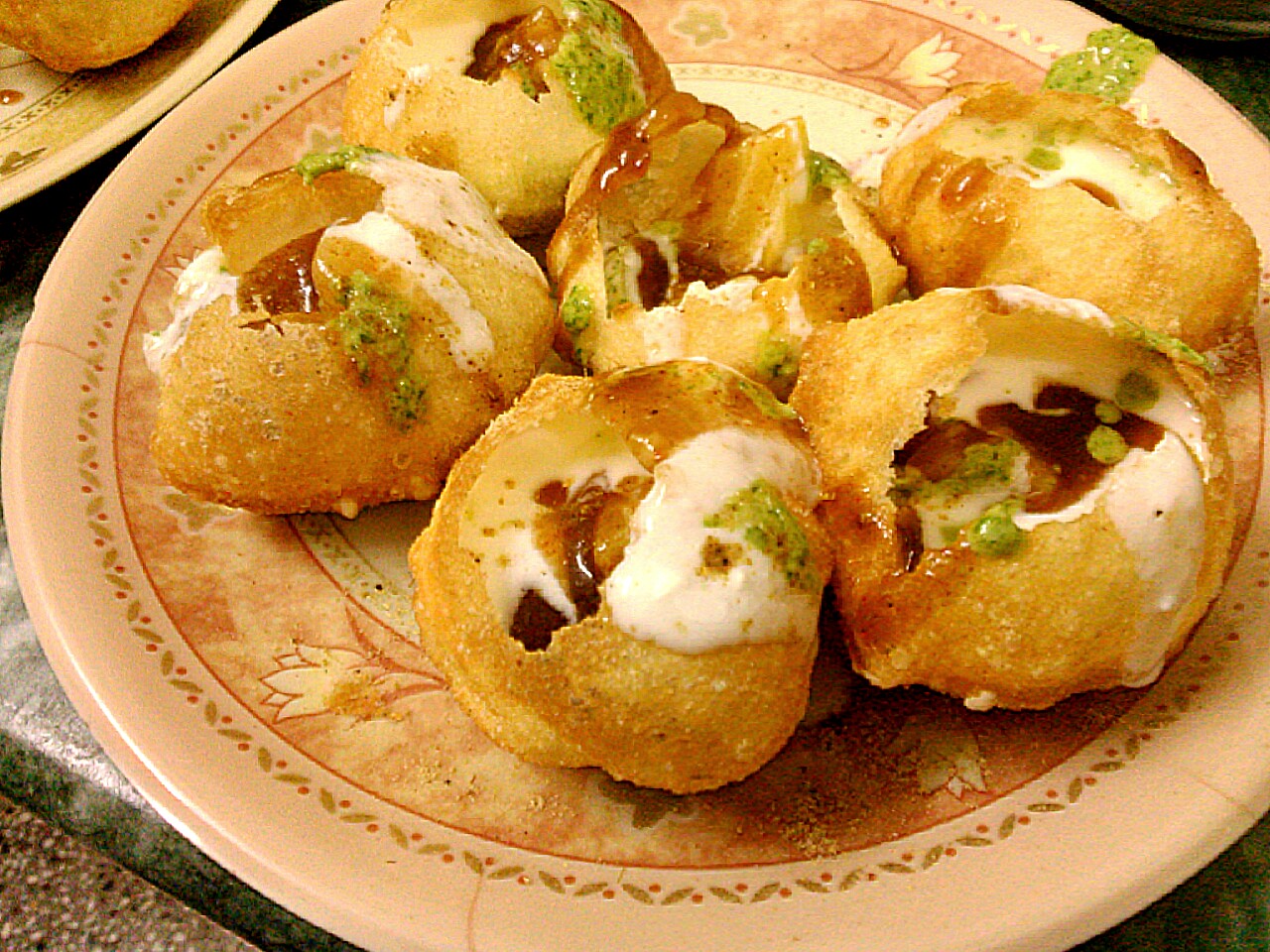
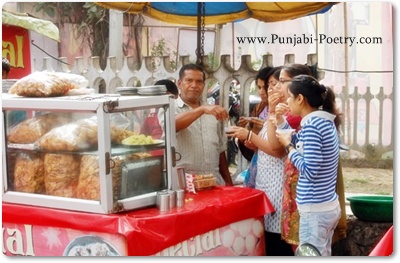
    Gol gappe belong to the Indian family of street food which is found in almost every corner of a city. Gol gappe, which is the plural of gol gappa, are fried, hollow puris that are stuffed with boiled chick peas and potatoes and toppeed with some tamarind chutney and filled with flavoured water that has generous concentration of mint and some spices. Gol gappe are best had at a roadside vendor. Now, if you are going to lecture us on hygiene and health, let me just say, take a chill pill! Life is all about relaxation and enjoyment. We all definitely have eaten weirdest things on the earth which were not even edible, when we were little babies. Did we die? No, I do not think so. And come on, won’t it be a matter of pride to have “died of eating gol gappe” on your tombstone? Jokes apart, there are a great number of reasons that you should be aware of to put off that (facade of) hesitation that has gripped you. In this list, we have tried to point out some of these reasons why you should absolutely go and have a gol gappa, right away!

    1. The Taste

    The taste

    Gol gappe have a crunchy texture to them. The hollow, fried balls are crispy and gel completely in fabulous way with the gooey filling inside. The flavoured water, fondly and simply called “pani”, takes the flavour of gol gappe to an entirely different level. The pani has a spicy and refreshing touch to it, which makes it a delight to have in any weather. Talking about the weather, it is monsoon presently and having a mouth full of gol gappa and rain drops on face is just the dream and beats almost everything in the world. It is said that little things do wonders and the humble chutney that goes into the preparation of a gol gappa defines the same, like a boss. The tangy taste of the chutney blends smoothly with the pani, adding an element of sweet to the spicy, making the gol gappa a snack to die for.

    2. The Price

    Price

    In today’s world, when the prices for a meagre cellular phone have crossed over fifty grands, we know that we are in a soup, a financial soup. We are living in an age where living by the budget is more important than living by the holy scripture. Inflation has been on an ever increasing rise since almost forever, so it seems now. It only makes sense to know of a great food item that does not burn a hole in your pocket and is as cheap as meagre Rs. 20! Having something to eat at such low cost is surely a great booster. the brilliant taste that one gets at such brilliant price advocates having gol gappe to a great extent. it is an awesome street food option and one of the very few ones which have stuck to the notion of being street food with respect to cost factor.

    3. The Fun

    fun

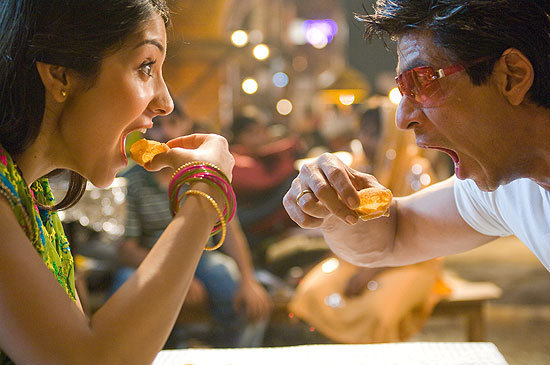
    The ideal and traditional way in which a plate of gol gappe is had is one where the gol gappa chef hands over a single piece to the customer, at a time and waits patiently until he/she finishes his/her huge bite. This old school way of having gol gappe cannot be matched by anything else. In addition to this, there are some more fun elements attached to eating a gol gappa and that is the way it is supposed to be had. You have to take it in, in one single go. Do not even think about taking half a gol gappa in one bite and the ither half in another. This is just as absurd as it could get and no to pleasing to watch, too. Gol gappe are of two varieties, one is made up of sooji and the other one is made up of atta. One reaches the zenith of fun while having a gol gappa that is made of atta because of the huge size that it has. Having an atta gol gappa in one go is a feat that everyone wants to accomplish and with a little bit of practice, can be, too.

    4. The Perks

    Perks

    When you were a kid, you must have gone all crazy about the tazos that you could get with a packet of Lay’s chips. Now, when you are a grown up, you must be going crazy about the 30% extra discount that you get at your favourite showroom because of the platinum card that you possess. In both of these situations, the fact remains that we all like having something extra. Having perks alonside the main product/service is a privilege that everybody loves. Now, when you are eating a gol gappa, you have the perks of asking for some more pani because you know that it is never enough. Its spicy flavour would make you sweat like a pig but who cares! Why? Because another perk comes to your rescue in that situation. It is the privilege of asking for an extra papdi from the vendor and he happily gives it away. Try doing something like that at your high-end restaurant and you will be given the stare of your life. So, gol gappe come with some sweet, little perks that you must enjoy. After all, little things make you feel special in a way that is really sweet.

    So, what are you waiting for? Go, ask that bhaiya to give you a full plate of gol gappe and rejoice!

  • Stay healthy during monsoon

    Stay healthy during monsoon

    Rains are awaited by all and it certainly creates a wonderful environment. Rainy season is a kind of relief from hot and sunny days. Every single person cherishes the rains. But there are some areas that need our attention. With rains come health irritations like aversions, illness and stomach problems. The level of humidity is increased during the rainy season that affects the digestion. But nothing to get worried about as certain changes in our diet and nourishment can surely solves the problem.  So it is very essential to keep an eye on what we eat during the monsoon to stay perfectly healthy.

    rains

    Drink lot of water: It is necessary to take in extra amount of water in rainy days as the humidity level increases and it becomes difficult for the sweat to get evaporated. Consequently, the body heat is not released properly. It has been also found out that drinking water prevents the various skin problems. As a result it is recommended to keep ourselves hydrated during the rainy seasons. Carbonated and gaseous liquids should be avoided because they can result in indigestion. Drinks like tea can work as a great substitute of it. So during this monsoon do not forget to possess a water bottle with yourself all the time.

    Drink lot of water

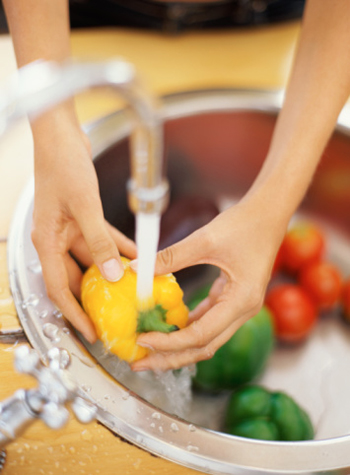
    Go for fresh and hygienic foodstuff: Keep in mind to wash every single fruit before eating them. While cooking, the vegetable should be washed thoroughly and steam them to destroy the microbes which are present on them. Filthy and unclean food stuff is harmful for the body and can result in sickness. It is advisable to take in cooked foodstuff rather than eating them as raw. Soups are too very beneficial during the rainy days as it provides the body with needed nutrition. Therefore always try to go for recently cooked food stuff.

    stk310109rkn

    Say no to outside food: This particular point is of great importance. You should keep yourself away from eating the street food.  Street foods are quite enticing to all of us but they could possibly hold many germs which results in stomach diseases.  Hence take a firm decision of not eating out.

    Stay away from oily food: It is greatly recommended to stay away from the oily and fatty food items. The digestion in the body gets weaker during the rainy days as the humidity level goes up. Hence the ability of body to digest the oily food items becomes feeble and thus upsetting the stomach. Therefore, try to eat light and less oily food items.

    Stay away from oily food

    Reduce the consumption of dairy items: The dairy foods have the supreme tendency of getting contaminated by germs. As a result the consumption of the dairy products must be low. It is better to consume curd rather than milk even if the milk is filled with all the desired nutrients. Apart from that, one should try to boil and disinfect the water before drinking it.

    curd

    Intake of balanced diet: As we know that digestion is weak throughout the rainy days therefore it is advised to eat reasonably. Stop taking in food stuff even when you are not starving. Perfect balanced diet is much needed to stay from stomach problems at the time of monsoon.  Fruits such as apples, litchis as well as bananas must be consumed. Along with them include carrots in your diet too.  Spice up the food with pepper, turmeric as they advance the resistance of the body and supports ingestion.

    Avoid drinking juices: Make sure you don’t drink juices especially from outside as they may apply water which is not filtered. It is greatly recommended to drink at once the juices prepared at home.

    Sea food can be harmful: During the rainy season, make sure that you stay away from the sea foodstuff. Give more attention to fishes as well as prawns and greatly avoid eating them as rainy season is the propagating season for them. Even if you are taking in the sea food make it certain about its freshness as well as cleanness.

    Sea food can be harmful

    No spicy foodstuff: There are many people who deal with skin infections throughout this season. It is advisable for them to stay away from the spicy foodstuff, as the spicy items arouse the temperature of the body that certainly results in skin illness and infections. It is better to visit to a doctor if the infection stays for long.

    Some more tips: Food items such as barley as well as oats are found out to be very beneficial for the stomach during the rainy season. Garlic is also very valuable as it enhances the immunity of the body. Fruits are considered as the supreme source of energy. But make sure that you don’t eat watermelons during the monsoon. Instead of watermelons try to eat apples, pears more. It is said that taking anything in extra amount is bad for health so avoid doing that.

    With the assistance of these advices try to stay healthy and strong during the monsoon and at the same time relish the rains of the monsoon.

  • Delhi’s Street Food

    Delhi’s Street Food

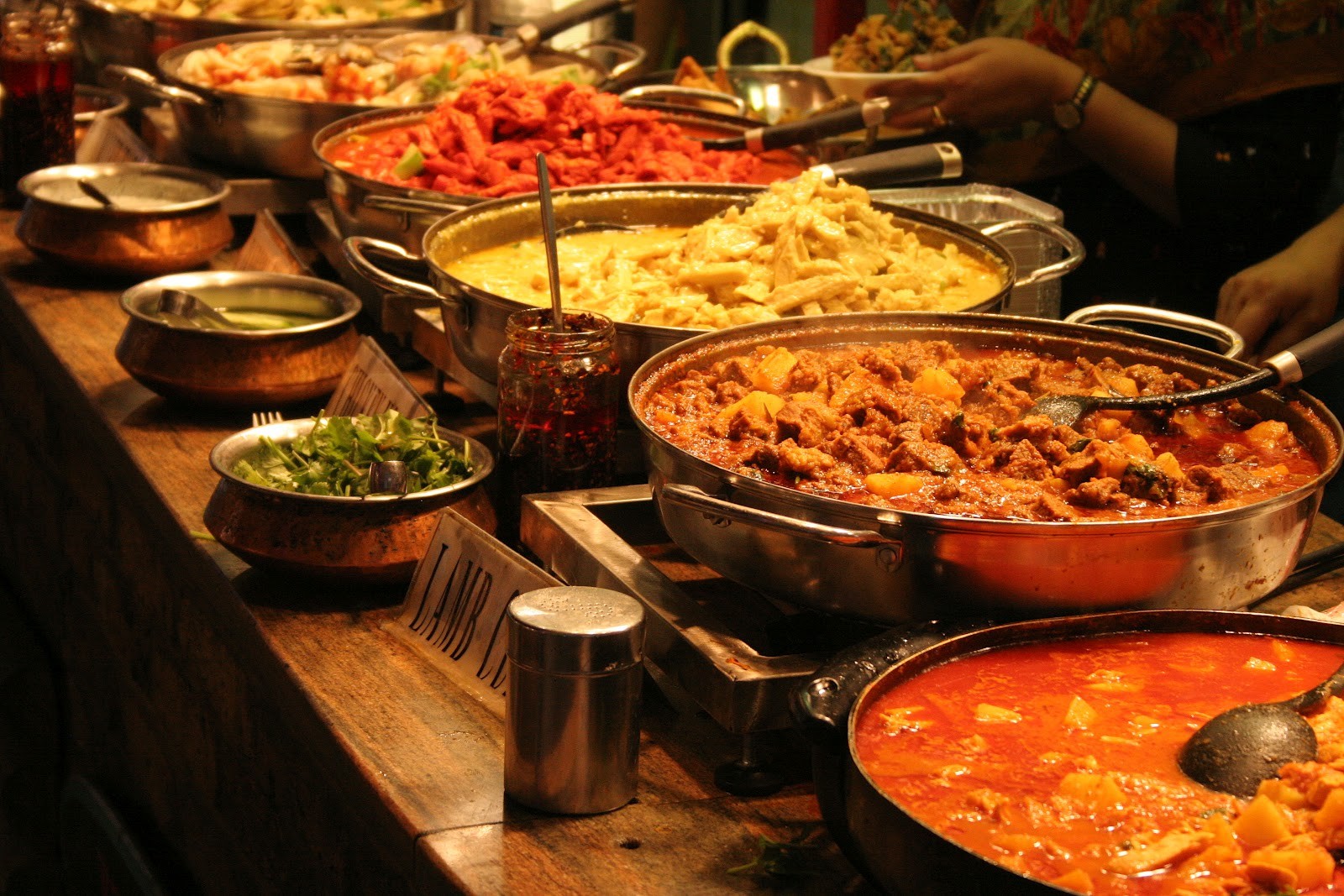
    There are many cities in the world which are famous for their street food and without a doubt Delhi finds a place in that list. Delhi is not only the capital of India but also a place which has rich heritage and history behind it. Although Delhi is full of high end restaurants and hotels which provide excellent food and ambience, Delhi’s street foods have their own separate name and reputation. These street foods are famous for being delicious and exquisite. And so people are crazy towards these street foods. The best things about the Delhi’s street foods is that they are not only fabulous in taste but are also very much pocket friendly and so everybody can afford it. Further there are numerous options available so people can select the dish as per their choice. Once you taste the dishes which are sold here, you will surely not be able to stop yourself from going back to the same place again and enjoy these appetizing dishes. This article is dedicated to all those people who are very much passionate about trying new, delicious food items in Delhi.


    Dilli Haat:

    6

    Everybody knows Dilli Haat as a place which is perfect for window shopping and so it is one of such places where the people love to visit. Dilli Haat is also known for the wide range of street food stalls selling the delicious dishes. You can find all type of Indian foods be it a North Indian cuisine or South Indian cuisine. There are also specific shops selling the food items from a particular state. For a person who loves to try new dishes, Dilli Haat is the perfect destination as they will find numerous options in one location.


    Connaught Place:

    7

    Connaught Place is located into the heart of Delhi and it is one such place where the people living here love to visit. It is because this place not only has shops of almost all brands but also famous food chains, restaurants, clubs, five star hotels and street food stalls which are open till late night. The famous food items here are Mutton Samosa, wide range of chicken, mutton and fish dishes, vegetarian and non-vegetarian rolls, Rasqulla, Chole Bhature, Biryani and many more. You will certainly enjoy shopping here and when you will get hungry you will have enormous choice to choose from.


    Chandni Chowk:

    5

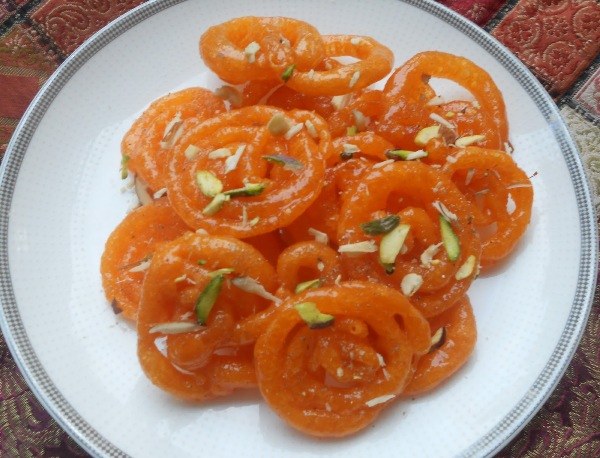
    Chandni Chowk is one of the oldest areas in Delhi and is often crowded with people coming here for shopping and offering prayers at the Jama Masjid. But without a doubt, the wide variety of street food which you can get in Chandni Chowk is simply unmatchable. You may be a vegetarian or a non-vegetarian; this place will surely make you happy with its exquisite dishes. You can visit the Karim’s if you love eating chicken and muttons. Else if you are a vegetarian, then you can simply walk into the Paranthe Wali Gali and get a taste of the delicious paranthas which are sold here from generations. Further you will also find Jalebi, Kachori, Dahi Bhalle, different types of Chatt, Lassi and Pakodas which will surely make you fall in love with them.


    Khan Market:

    1

    Khan Market is one of the high end shopping markets in Delhi but the food items that are available here are very much pocket friendly and people simply love them. From noon till late mid night you will find variety of Chinese and Indian foods in various stalls. So the people living nearby Khan Market often pay visit in evening to taste the mouth-watering dishes that are sold here. Momos, Chilly Potatos, Soups, Corn and Chatt are the famous dishes in this place.


    Pandara Road:

    4

    Pandara Road is another excellent place in Delhi where you will find delicious street foods. If you are a person who likes to eat spicy food, then this is the place you should visit. The Punjabi and the North Indian cuisines available in this place are simply amazing and eating here will surely be a delightful experience for you. Both for the non-vegetarians and the vegetarians there are tremendous options available and you will certainly not be disappointed with the food here. If you love Punjabi dishes then Pandara Road is the place you should visit as it has almost every dish which is made in Punjab and their preparation is so healthy and spicy that you will certainly feel like coming back to this place again.


    Nehru Place:

    3

    Though out the day you will find Nehru Place filled with people as it is one of the biggest electronics market in India. But apart from the computer and electronic shops here, you will also find numerous food corners there. Again the Punjabi food is the most famous here. But then you can also find the food stalls offering the fast foods, continental and north Indian cuisines. The best thing about the food sold here is that they are delicious and healthy to eat. One simply gets a much desired relief after eating in the food stalls here.

  • Mouth-watering Kolkata Street Food

    Mouth-watering Kolkata Street Food

    Kolkata. The City of Joy.
    Kolkata. The land of literature and poetry.
    Kolkata. The land of ‘tok-jhal-mishti’.
    Kolkata. The city of history and heritage.
    Kolkata. The Cultural Capital of India.
    Kolkata. The city of street food.

    Food as we know goes hand in hand with culture. Street food- the very culture of which began in Kolkata and it holds great importance in the city. Unlike other cities where there are particular areas where you can expect to find chaat-walla, gol-guppa walla and nimbu-pani wale bhaiya, in Kolkata you will find road-side vendors at every nook and crack of the city selling some or the other snack. Once you have lived in Kolkata and if you move out, more than your family you will miss the food- this is a popular belief. I was born and brought up in this city and I have explored all the possible street food items that are available here, being the foodie that I am. So here is a list of the 16 most delicious and mouth-watering street food items found in the City of Joy which sure will leave all of you wanting for more.

    1. The all-time favourite: Puchka and Churmur.

    110

    This is one of the most iconic street food items and it is an all-time favourite. As we know it, puchka belongs to the Gol-guppa or the Paani puri family, which are the other variations found in other parts of the country. But puchka, as called in Kolkata is thought to be the King of all variations. It contains numerous spices and comes in lot of variations like- ‘Doi puchka or dahi puchka’ which has curd. This is one of the specialities of Kolkata. The spiced mashed potato along with the tamarind or ‘misthti jol’ (Sweet water) in the crunchy puri is sure to make you drool.

    2. Jhalmuri

    24

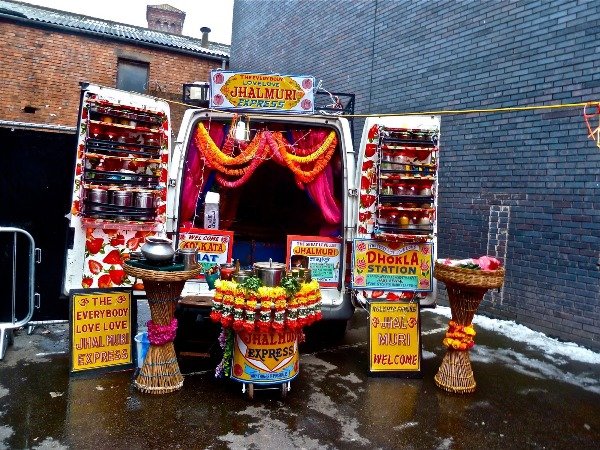
    This is another speciality of Kolkata. This is so famous that it has made a mark for it across continents. It consists of puffed rice, spices, chanachur or bhujia, chopped onions, chilly and nuts. It might also have coriander, tomatoes and a coconut slice. This is a food item which can be modified according to the customer’s choice. Jhalmuri is served in old newspaper cones, something which has been an old tradition now.

    3. Roll

    35

    The rolls found in Kolkata are definitely the most delicious ones you will ever eat. The Kathi roll is again a speciality of this city. Basically a parantha is filled with the stuffing of one’s choice (for example Aloo, paneer, tandoori chicken, egg, etc.) and it rolled up, which the customer is supposed to hold in the hand and eat. Rolls are a favourite of the students or office-workers because it is not only tasty, it is also filling and affordable.

    4. Samosa or Shinghara

    samosa_full

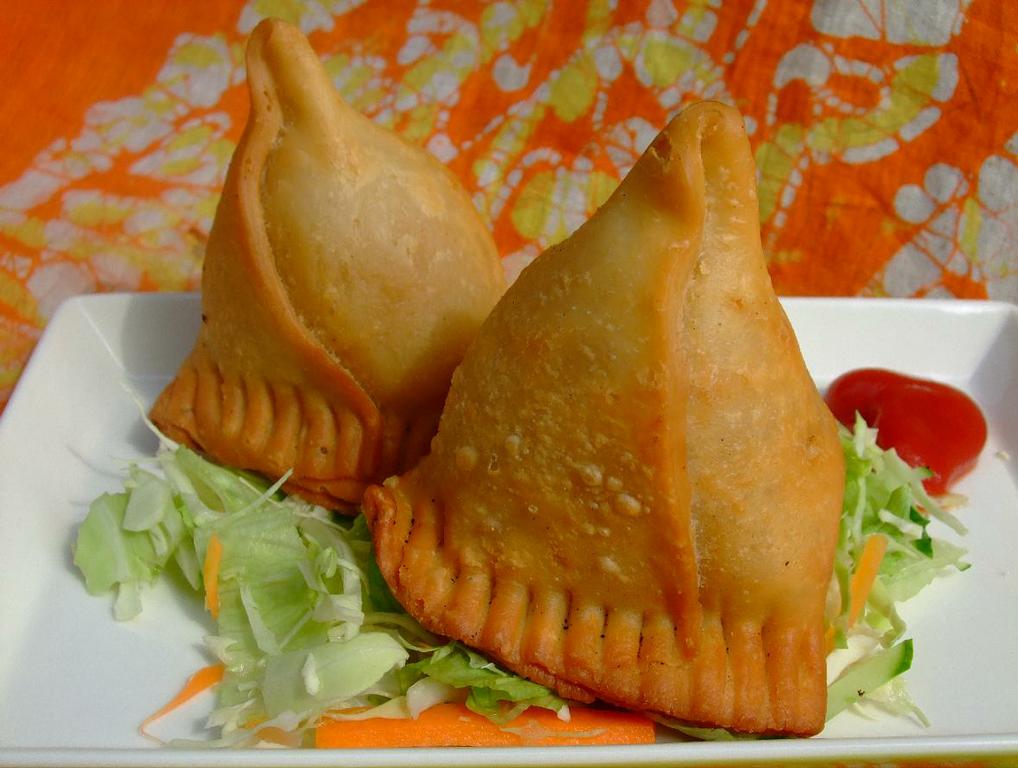
    Usually it is an evening snack, enjoyed with a cup of hot tea. It is a triangular shaped baked of fried pastry and it has a stuffing of mashed potatoes and is served with mishti chutney. They may have variations where the stuffing comprises of paneer, minced mutton, keema, etc.

    5. Telebhaja

    43

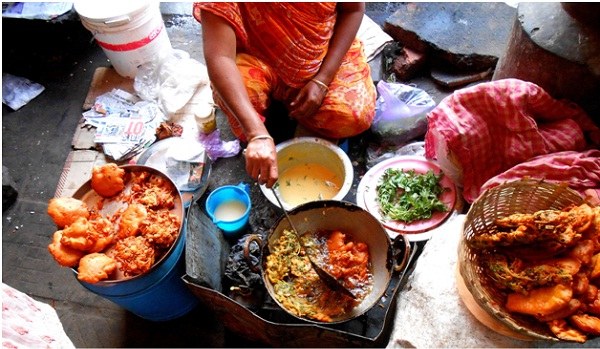
    Quintessentially Bengali, telebhaja means fried items. In every corner of the street you will find small road-side stalls selling fried items such as ‘Beguni, aloo’r chop, pyaaji, phuluri, etc. They are excessively oily but they taste heavenly. This is one item every Calcuttan definitely misses when they leave.

    6. Ghoogni

    54

    This is a typical Bengali dish and it comprises of Yellow dried peas, onions, chilly, coriander, tomatoes, and seasoned with spices. One may also add sliced carrots and coconut. It is mixed with the peas and served hot in a dry leaves bowl. Some Bengalis also enjoy ghoogni with puffed rice.

    7. Chowmein

    1CBF89791CF653CE125AE1CB2A5E7_h498_w598_m2

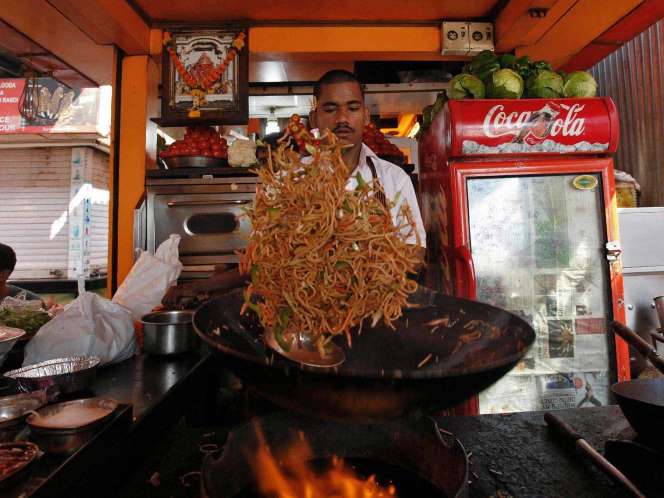
    You might be wondering how this dish is street food? Well in Kolkata it is. You will find street-side stalls where hot and spicy chow is pan fried or stir fried with added vegetables or egg or chicken and served in plastic plates. You have to try it and then you will never want to have chow in a restaurant again.

    8. Jalebi or Jilipi

    112

    Jilipi as Bengalis love to call it, it a unique type of sweet. One can never say what it exactly taste like because it is crispy, chewing, and soft all the same time. Kolkata has a special variation of jalebi called the ‘Channa’r jilipi’ which is made of channa or thick, fresh cottage curd cheese.

    9. Fish Cutlet or fish fingers

    132

    As we all know it, Bengalis love fish. Fish and even chicken cutlets once again can be found in and around every street corner and is enjoyed by all. These are really tasty snacks which are mouth-watering and very inexpensive.

    10. Cha, Chaai in Earthen cups

    175

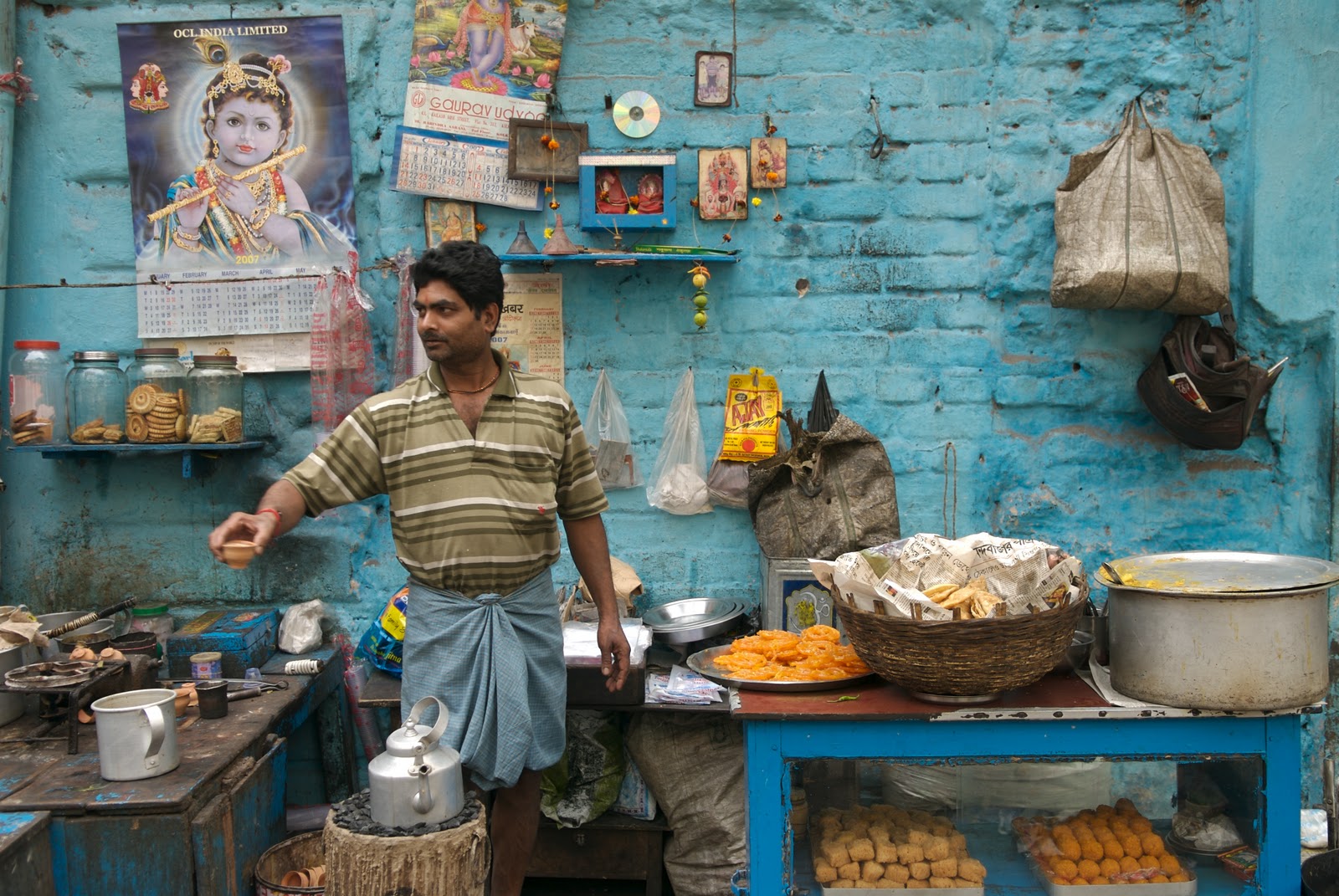
    Chai is available everywhere in the country. Then what makes Kolkata’s chai so special? The USP of the tea served here is that it is served in ‘Bhaanr’ or earthen cups. Every Calcuttan who has had chai in earthen cups will know that it adds a characteristically different flavour to the tea. The road-side vendors do add spices if the customer demands.

    These are the list of 10 street-food items which are delicious and will totally satisfy your taste buds. So all the foodies out there, next time plan a trip to Kolkata and trust me you will not be disappointed!