Tag: veg food

  • While Dieting,You Eat!!

    While Dieting,You Eat!!

    hero_pdt_value_au

    With the spurt in the number of Mcdonalds and Dominoz all around the country, seldom it is that we find kids and adults alike whom we can term as perfect specimens of the human anatomy. Cheaper and cheaper burgers and fries combos and the easy accessibility of everything unhealthy is taking this Aryan civilization faster to its unhealthy end than we can possibly imagine.And some who are aware of this gradually surmounting epidemic of obesity turn themselves to starving, or dieting as they more fashionably call it.

    And this is where most of them go wrong. If you out the word dieting on google and search for its meaning, the first result it shows is: Restrict oneself to small amounts in order to lose weight” But this is wrong in its most fundamental sense. Living beings need energy to work, breathe and live. And unlike Jaadu(from Koi Mil Gaya) our energy does not directly come from sunlight.We humans, have to have food in order to survive. So, starving, fasting and skipping meals is out of bounds. What we will do today is, get a new regime started for those who are willing to exchange flab with muscle and diseases with health.

    First of all, forget everything that you ever ate anything and that you had a diet schedule planned. Here, we all start afresh. Just like infants do.

    plan

    Secondly, many might have said or suggested to you; plan your meals ahead of time. Forget it. Because, food can’t be quantified beforehand. Suppose you worked out a little extra today, won’t you need an extra glass of milk to balance the energy that you’ve lost? So, never plan your eating. Eat, whatever your heart wants, but from the list that we decide here for ourselves only. Now we begin by clearing off all the things that are clichéd and everyone tells you about them. You should eat loads of fruit they provide vitamins, drink lots of water: gives you roughage, gorge on soups: healthy for your body and all that. But doesn’t everybody know this list by heart by now? So, we come down to those Indian dishes that you can prepare in your kitchen while hunger strikes. Let’s start with dinner.

    Idli Sambhar:
    idli

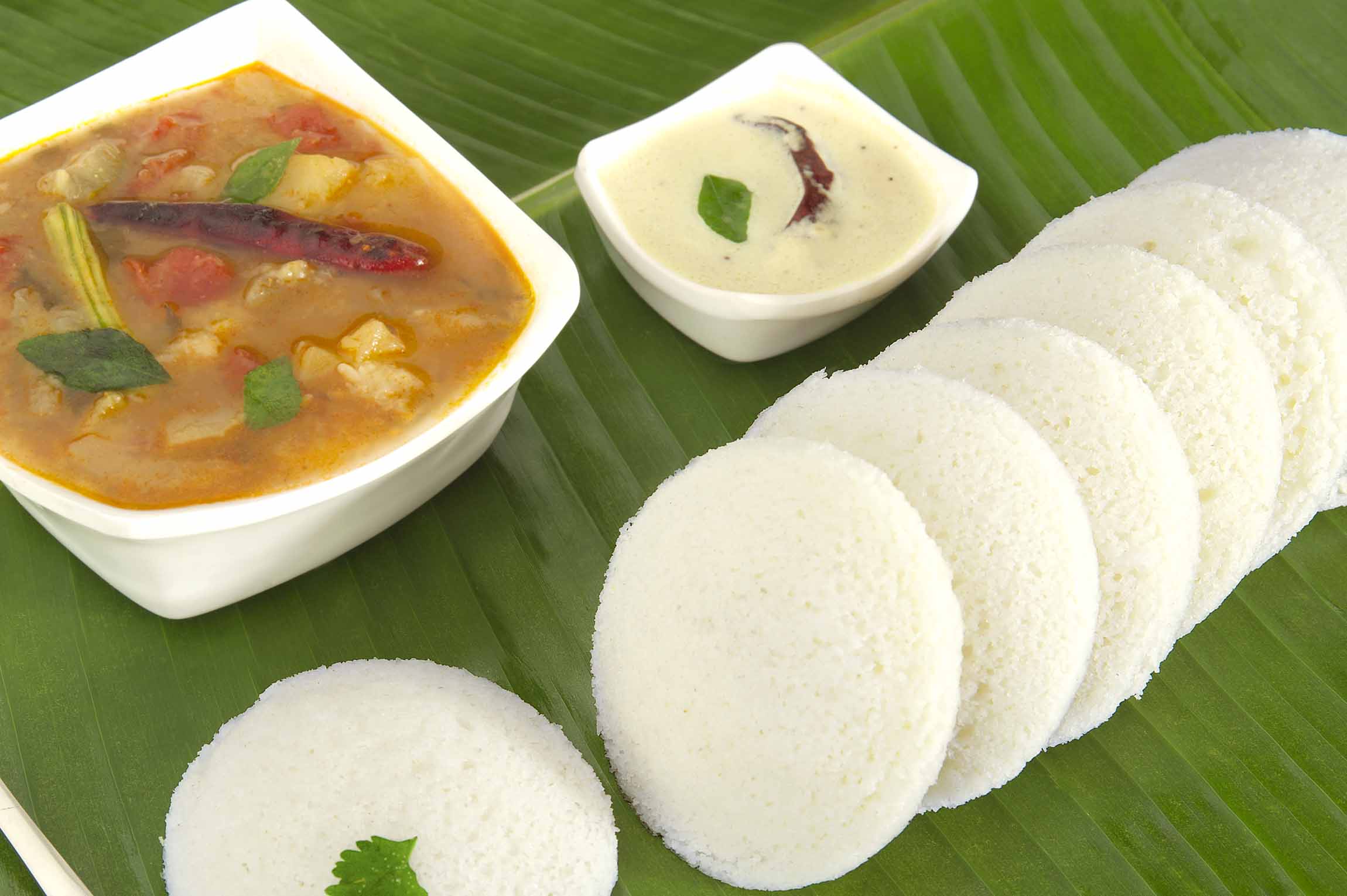
    A blast for the tongue from the South of India and easy on your belly too. This dish makes it to the top of our list of the Indian foods for dieters. Each idli contains just 39 calories, which is a minimal amount in comparison to a healthy 2,000-calorie daily diet. . Idlis contain no fat, no saturated fat and no cholesterol. Consuming less than 16 grams of saturated fat and 300 milligrams of cholesterol lessens your risk of cardiovascular disease and stroke.

    DHOKLA:
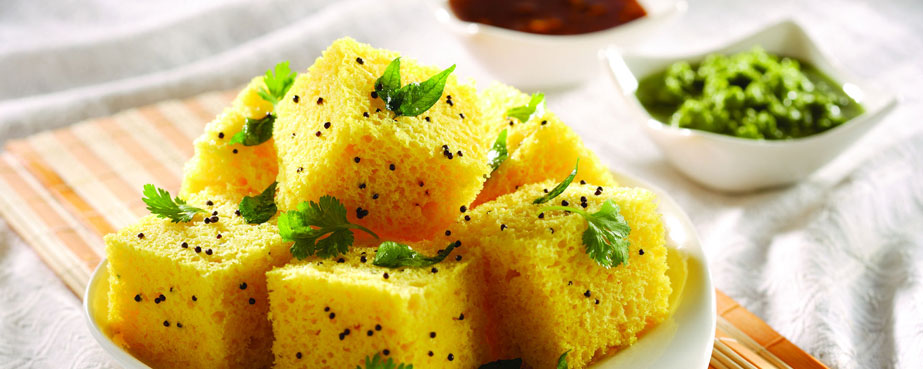
    dhokla

    Going in the reverse order from dinner to breakfast, its time for your evening snack. And what better than dhokla to freshen you up and lighten you at the same time. Yes, it is chiefly made up of Dal and Rice, but don’t cringe as otherwise you would have been gormandizing on chips or samosas for sure. But remember, Dhokla is low in saturated fat, very low in cholesterol, low in sodium, high in dietary fiber and high in vitamin A and C. And for us dieters, low fat is all that matters, right people?

    SPROUTS AND RAITA:
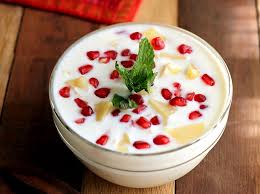
    raita

    To your lunch, let’s start by having some Raita, what say? Now, raita as you all know is made by adding fruits, vegetables or any other thing to beaten yoghurt. And the best part is that one serving includes just 60 calories. To the beaten curd one can add grated bottle gourd or some fruits. But if you are in the mood for some crunch, you can very well add Boondi to it. Boondi, is fried, yes. But a handful of pea sized boondis will do your diet no harm.
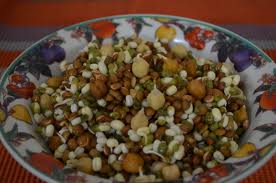
    sprouts

    With Raita, you can have sprouts as the main course and feel a bit Pseudo-European. Keep the pulses in water overnight and in the morning add a bit of lemon, some spices, some cucumber and your lunch is ready in a jiffy.

    OATS AND DALIYA:
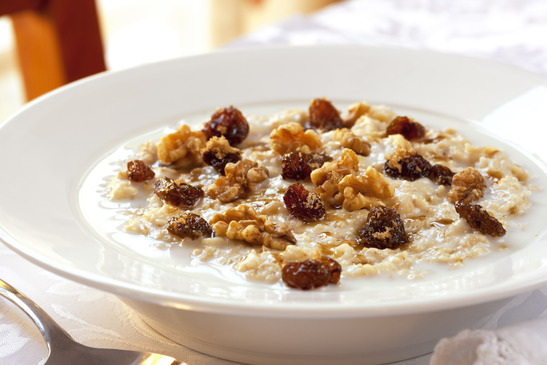
    Oatmeal

    Now, one thing with which we should agree with the hackneyers is that, breakfast should be heavy. And the dieticians have logic and Science backing them too. According to some studies if we consume more calories at breakfast and very less at dinner, this will help you lose weight quicker because if you eat a larger breakfast it will give a kick start to your metabolism and plus you won’t feel all drained and sleepy in that history class of yours. Plus more calories in the breakfast gives you more time in the day to burn them off. For breakfast why don’t we have something milk based, like oats? Well oats take two minutes to cook and trust me, you won’t be able to eat more than one and half cups of it. And hey, no adding sugar at your mom’s back, OK?
    daliya-b-23-6-2012

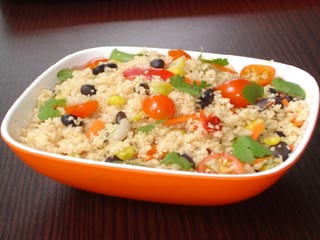
    Other than oats, you can also have Daliya in the morning. Daliya or Bulgur wheat in Angrezi, is a very light and healthy option for breakfast. Daliya is an excellent source of fiber that keeps you feeling full and also helps to maintain a healthy digestive system. And just like oats, daliya can be either milk based or oil and vegetable based. Now, a little oil isn’t harmful for your body and don’t cringe if once in a blue moon you are fed up of having only milk based diet for your mornings. So, here we are with a very basic diet plan for you to follow and with just one mantra at the end. Never starve yourself, Never. You need food to live. So, just give it a healthy twist and keep eating ( or dieting, whatever you like to call it! ).


  • What makes Delhi, Dilli…

    What makes Delhi, Dilli…

    A very long time ago when the heart of our nation was not famous for its countless rapes, an absent Government and Mufflerman; there was actually a city and a world inside that city that everybody loved. What made Delhi earn the jealousy of other metropolitan cities in the country, what is it that made Delhi stand shoulder to shoulder with Mumbai, the economic capital of India. Why is it that, people who have ever stayed in Delhi leave it with a heavy heart and tell everyone else that they can’t understand the emotions attached with the city if they have never ever lived in the city. Let’s find out!

    The Beginning of the Real Delhi:

    Great_Mogul_And_His_Court_Returning_From_The_Great_Mosque_At_Delhi_India_-_Oil_Painting_by_American_Artist_Edwin_Lord_Weeks Now, the love for Delhi started long back when the Mughals transferred the Capital of India from Agra to Delhi. This is when the real on-ground transformations started taking place in Delhi. Before this move, people were as oblivious of Delhi as they were of any village in India. Firstly, with the onset of Mughals came along great Architectural Feats. For example Delhi boasts of the largest Brick Minaret in the world the Qutub Minar (well, it was built by Qutubbudin Aibek), it flaunts one of the largest mausoleums in India – The Jama Masjid, It carries reticence with its Old Fort. Also the Red Fort that instills in us a feeling of patriotism whenever we see it on our TV sets. All these Architectural marvels brought a Mughal charm to this city of ours and elevated it above its neighboring cities.

    Dilli and the finger licking tales:

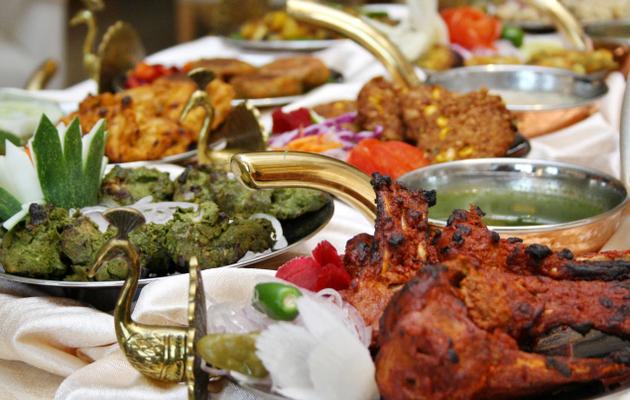
    AWADHI_FOOD_FESTIVA_898557g Along with the great architectural skill set of the Mughals arrived in Delhi their eternally pristine culinary taste. Their food was not just food, but Art on Stove. The Tandoori murg, The kadhai paneer, the Nihari,the  Paya, the Kachri Qeema, the Delhi-mein-world-famous-Mughlai Chicken, their biryani style and countless others set the tongues of the native Delhiites wagging. Not only did their cuisine establish itself in Delhi, it even grew there. More and more dishes were invented as an amalgamation of Delhi and Mughlai cuisines. This was a great culinary juxtaposition just waiting to happen. Seemed like this match was made in heaven. So, the Mughlai cuisine added one more feather to Delhi’s hat.

    Asli Delhi, Purani Dilli:

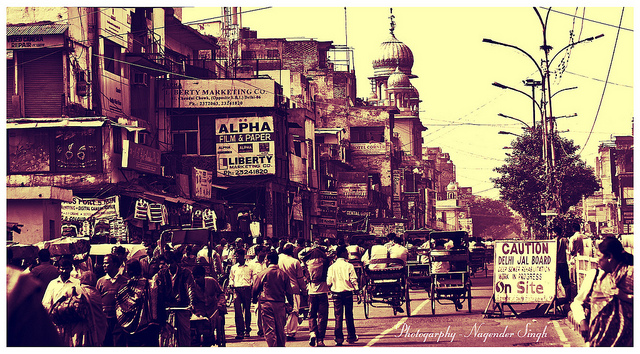
    7717061676_0ba4ab21a8_z Now, the heart of the Heart of the Nation. The Chandni Chowk and Chawri Bazaar area. For those new to the maps of  Delhi, these areas lie in the center of Delhi and still boast of historic architecture. These areas are famous for their super cramped streets, the always bustling crowd and nagging shopkeepers always trying to sell you substandard products. By the names in the list, all these seem to be pretty depressing by the levels of the national capital. But once you visit the place it seems just like your extended neighbourhood. It won’t seem as a market place to you, but a big great family  living in harmony yet tearing each other’s hair out. But there is a lot to watch out for in the Purani Dilli area. Since it is a crowded marketplace, pickpockets are always on the prowl. Also some shopkeepers tend to get too close for comfort levels in order to get their products sold. But every coin has two sides and prefer to see the loved one here please. Purani Dilli broken up and explained in pieces in the next points, because it ain’t so small that it can be contained in one measly point.

    The Paranthewaali gali:

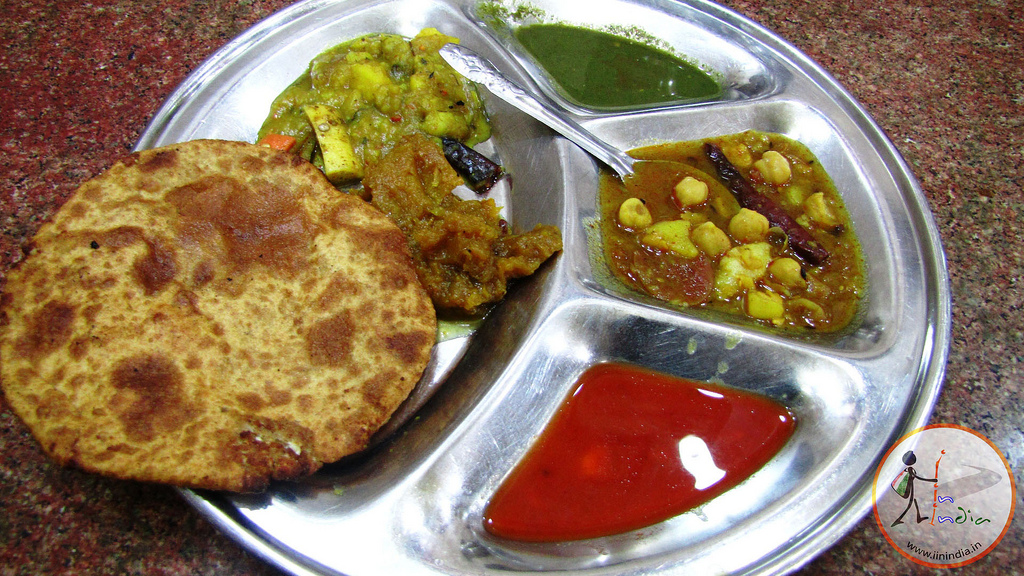
    4950341851_7711ec9fd9_b Now, now, now. Every once in a while a moment comes in every person’s life that can’t be expressed even if you keep squealing with delight for a fortnight. For a foodie that moment would come when he enters the paraanthe waale gali. The lane where our Bollywood Star Akshay Kumar slaved and toiled for many years. The paraanthe waali gali is an even narrower lane than what already was a cramped main road of Chandni Chowk. There are a multitudes of shops there only selling paranthas. But mind you, these are not ordinary paranthas, these are paranthas made of Rabri, Paranthas made of bitter gourd and paranthas made of lady finger and all the odd vegetables and sweets you can ever garner. And these are not made on a pan or a stove, these aranthas are deep fried just like samosas and tikkis are. Your whole perception of paranthas changes after entering this foodie paradise. This narrow lane adds another dimension to your notion of parantha, by doing something with it that was unimaginable before this.

    The Japanese Samosa:

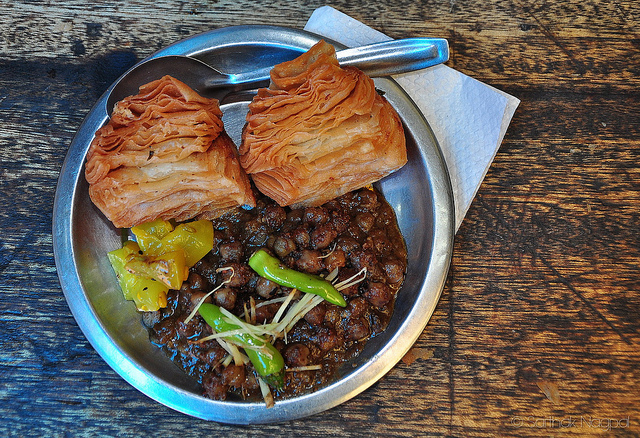
    7745361346_3ba6e884b2_z Well, to be honest, this is just sold in one shop in the entire Chandni chowk. But I swear to God, that you won’t have eaten anything like this before this. This samosa’s shape is more or less like regular samosas but the corn flour covering on the outside is striped. Thus the Japanese samosa is not wholly covered but partially revealing. The inner filling forms the crux of the whole dish. It is not spicy or filled with mashed potatoes for that matter. It is filled with a sweet mixture like that of a halwa. Thus changing the whole thought process around the samosa. By just keeping the name and shape intact, this exquisite dish retain the name value and the ingenuous sweet filling inside and the striped contours give it a modern twist. And thus, the Japanese Sammosa, The tour of the real Delhi has just begun. However, even the most brilliant of writers and esteemed authors would fail in describing the exact charisma and fascination of the city. Such complexly woven is the feel of it. I am just a young scribe who is trying to portray to you an image that tells what exactly Delhi is, if you have have never been there or miss the hell out of that angelic city of yours. To be continued…

  • A Platter of Vegetarian Kebabs

    A Platter of Vegetarian Kebabs

    Originating in the coastal countries of the eastern Mediterranean area, kebab is a versatile dish made by roasting and grilling pieces of meat, fish, and vegetables, over a skewer or a spit. The dish quickly spread in popularity and consumption throughout the nations of the Middle East, and then central Asia. The kebab traces its historic roots to before the 17th century B.C., and even the ancient Greek poet Homer mentions an erstwhile archaic dish resembling the same, and enjoyed all over his country in his works. However, a Turkish script by Kyssa-i Yusuf which dates back to around 1377, first properly mentions the culinary concept of the word, which is derived from the Persian language, and literally means “fry”, and sometimes “fry and burn”. Legend has it that the kebab was invented by medieval Persian soldiers who grilled meat on their swords over open-air fires in the battlefield. It quickly gained favour of both the classes and the masses, being served as the royal fare in various Islamic states over the ages, and as a much sought after and easily accessible snack or main course dish for many commoners, and the trend continues even today.

    Although lamb is the traditional choice of meat for making the kebab, there are many variants available in different meats and vegetables all over India due to religious constraints and direct or indirect dietary restrictions. Indian kebabs, whether they are vegetarian or non-vegetarian, have a unique and popular flavour of their own, owing to the wide spectrum of masalas (spices) and herbs native to the subcontinent. Apart from the numerous Indian innovations in the art of kebab making, the sheesh, shammi, tikka, and shawarma, original types of kebabs are also available everywhere, and can be found easily in small roadside eating joints as well as in top notch restaurants and hotels. The cities of Lucknow and Hyderabad are famous all over the country, owing to their thousands of decades-old, local eateries and food establishments which sell different types of primarily meat kebabs, ranging from tunday to kalmi and tangdi to reshmi, and have thus contributed a lot to culture, food, tourism, and economy.

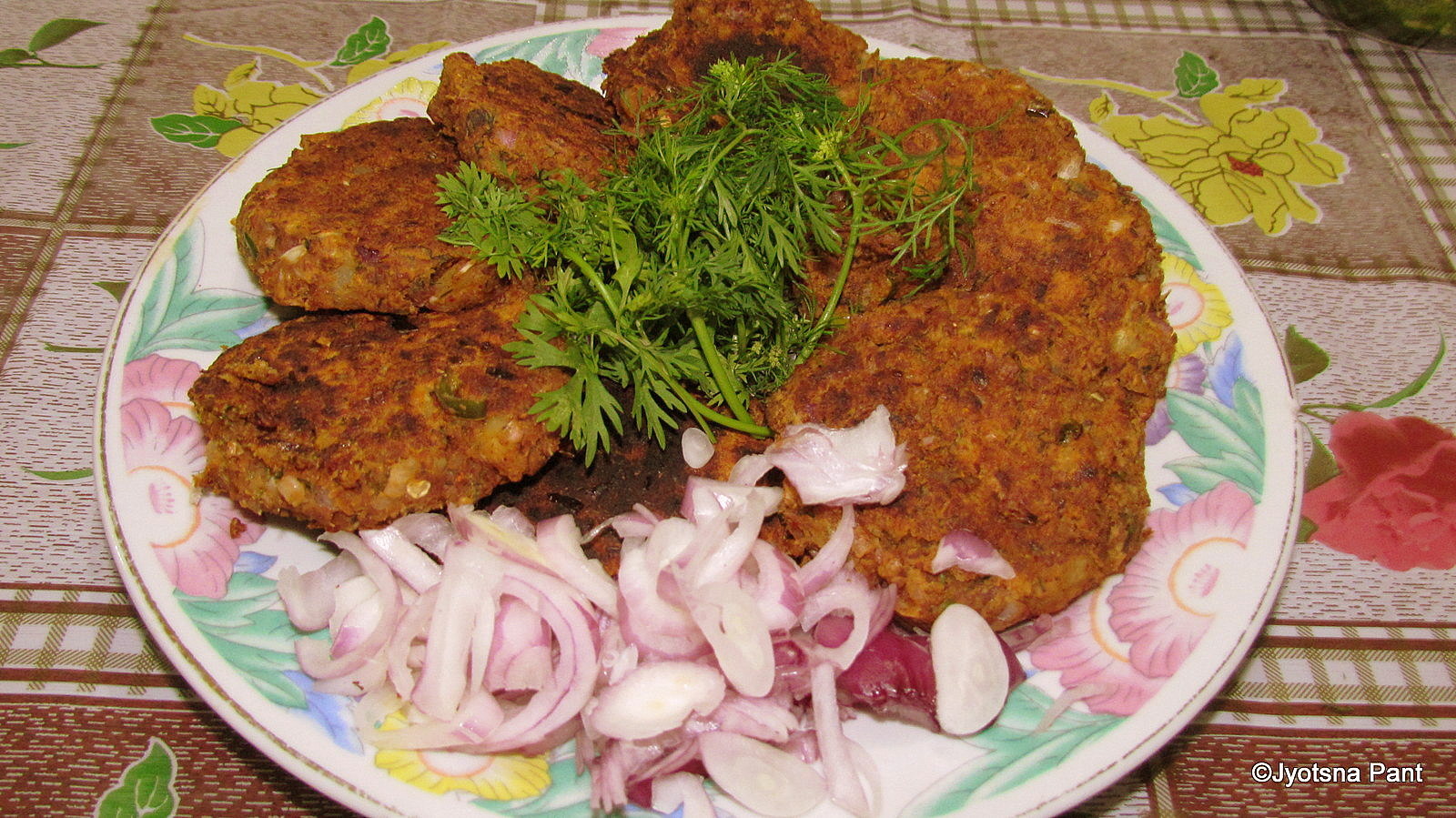
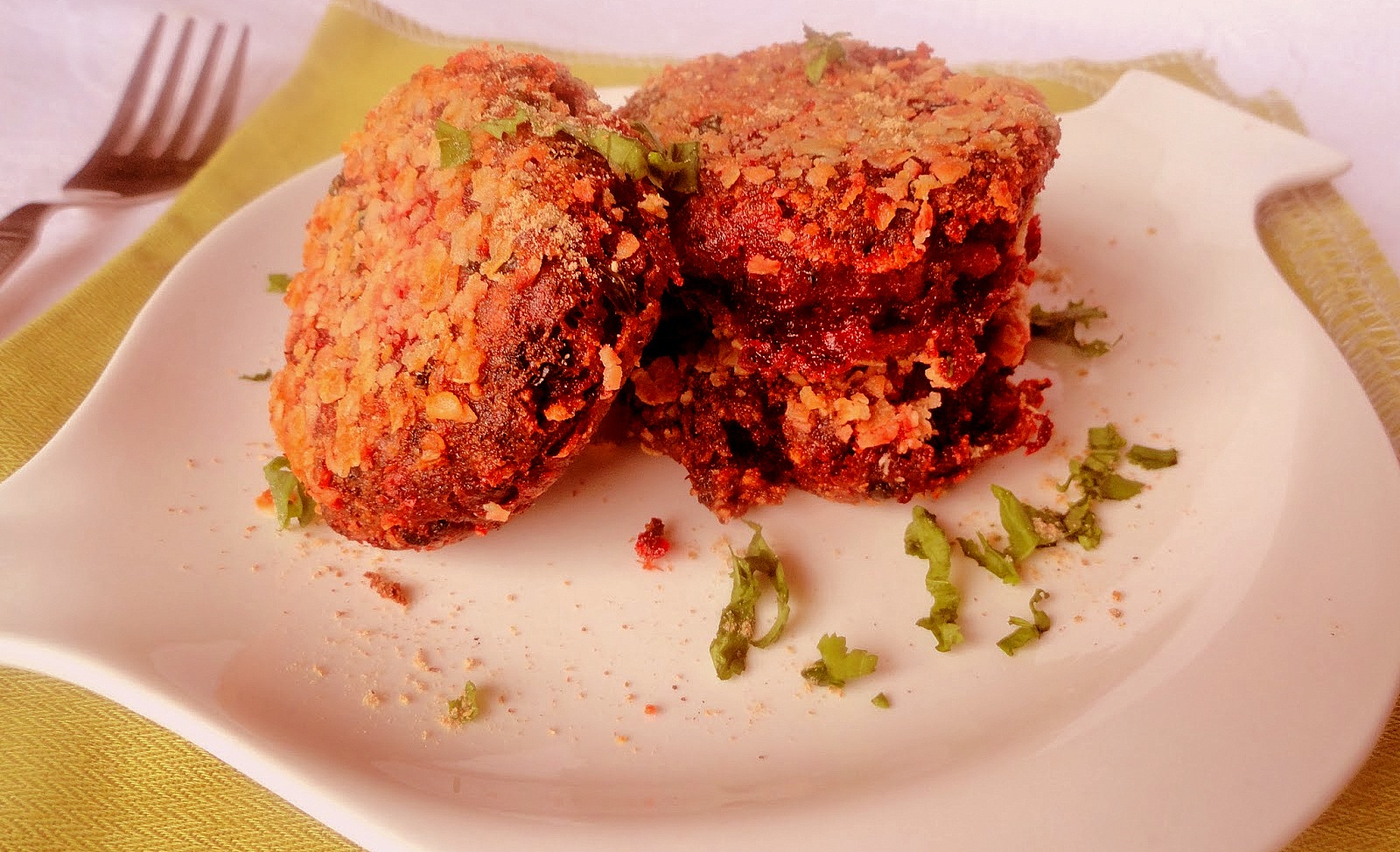
    While you can get non-vegetarian kebabs from anywhere, the vegetarian types are a rarity to find outside one’s house, and they are generally overpriced in the restaurants they are available in. Vegetarian kebabs can be easily made at home, with simple ingredients, and less elaborate methods than their non-vegetarian counterparts. This article will provide you with three novel recipes, all made wonderfully by my favourite chef in the world, my grandmother, for these lesser known variants, namely, shalgam ke kebab, kela chane kebab, and chukandar ke kebab.


    Shalgam ke Kebab (serves 4-6 people)

    Ingredients needed:

    • 7-8 bulbs of turnips
    • 2 tablespoons of roasted besan (gram flour)
    • Finely chopped onions
    • Finely shredded coriander, chilli, and ginger
    • 2 medium sized boiled potatoes
    • Salt to taste
    • 1 small teaspoon of garam masala powder
    • Vegetable oil

    Steps required:

    • Thoroughly wash the turnip bulbs, and then carefully peel their outer skins off.
    • Put the skinned turnips in a pressure cooker and steam thoroughly.
    • Once the turnips cool down, mash them and drain out the excess water.
    • Mash the boiled potatoes and mix them with the turnips. Add coriander, chilli, ginger, and onion to the mixture and be careful to make it consistent with dough.
    • Add garam masala and salt accordingly.
    • Make small balls of the prepared dough and flatten it into small cutlets or flattened disc shaped portions.
    • Shallow fry on a tawa (pan) until the kebabs are thoroughly cooked and are a rich golden-brown in colour.
    • Top with sprigs of coriander and rings of onion. Serve hot, with a chutney of your choice.


    Kela Chane ke Kebab (serves 4-6 people)

    Ingredients needed:

    • 5 clean green unripe bananas
    • 1 bowl of soaked chana dal (gram beans)
    • Finely chopped onions
    • Finely shredded coriander, chilli, and ginger
    • Salt to taste
    • 1 small teaspoon of garam masala powder
    • Vegetable oil

    Steps required:

    • Make sure to wash the bananas thoroughly with fresh water before beginning. Once they are clean, steam them in a pressure cooker with their skins intact.
    • Steam the dal separately to a soft consistency.
    • Once both ingredients cool down, peel the bananas, and mash together with the dal to make a dough.
    • Add garam masala and salt. You can also add other spices such as red chilli powder if you prefer.
    • Shallow fry on a pan.
    • Garnish with sprigs of coriander, and serve with onions and chutney.


    Chukandar ke kebab (serves 4-6 people)

    Ingredients needed:

    • 7-8 beetroots
    • 2 tablespoons of roasted besan (gram flour)
    • 2 boiled potatoes
    • 250 grams of paneer
    • A few whole clean leaves of cabbage
    • Finely chopped onions
    • Finely shredded coriander, chilli, and ginger
    • Salt to taste
    • 1 small teaspoon of garam masala powder
    • Vegetable oil

    Steps required:

    • Steam the beetroots thoroughly after cleaning them.
    • Mash the beetroots to a dough-like consistency. If necessary, add a little bit of boiled potatoes as well. Add roasted besan to this mix.
    • In a separate bowl, mash potatoes and mix them with paneer chunks.
    • Add coriander, chilli, ginger, and onion to the beetroot dough.
    • Make miniature balls of the paneer and potato mix after adding salt and garam masala to it.
    • Wrap them in a leaf of cabbage.
    • Encase this in an even layer of beetroot dough. Make it firm with more besan if required.
    • Shallow fry on a pan until the kebabs are thoroughly cooked.
    • Cut the kebabs open from the centre, top with coriander, and serve hot with chutney.
  • Winter Delights: Gajar Ka Halwa and Gujarati Meethi Kadhi

    Winter Delights: Gajar Ka Halwa and Gujarati Meethi Kadhi

    The frigid winter months of December and January are bearing down upon us, and all anyone wants to do right now is to curl up cosily in their heavy blankets and eat tons of hot, rich food. The harsh weather right now makes the human body crave even more for nutrition, and it is not surprising that some of the best dishes that we know of taste the best in these freezing days. Compared to the year long summer heat in most parts of India, we have a greater appetite for food in the winters. It is in these few weeks that we look with great curiosity towards our kitchens, and wait impatiently for our mothers to emerge out of the area with some aromatic and delicious gastronomic work. Be it sarson ka saag and makke di roti, gulab jamuns, hot coffee, or ginger tea, all of these dishes and more never fail to tickle our tastebuds during the cold season. Here are two easy to cook recipes, one for gajar ka halwa, and the other for Gujarati meethi kadhi, in case you ever need a hot fix for your winter woes.


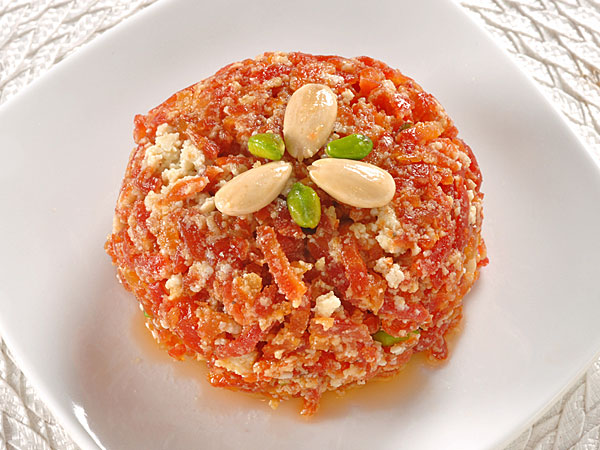
    Gajar ka Halwa

    Also known as gajrela, gajar ka gajrela, and carrot halwa, gajar ka halwa is a South Asian dessert pudding and a winter delicacy in north Indian states. Made by cooking grated carrots, milk, ghee (clarified butter), and nuts together, this dessert is eaten on many festive occasions in both India and Pakistan apart from being available round the year in most sweetmeat shops of the subcontinent. A completely vegetarian preparation, gajar ka halwa is a dish enjoyed by all people, and has been subject to a number of culinary innovations, some of which are a vegan version, red velvet gajar ka halwa, similarly flavoured doughnuts topped with the same, a cream cheese and halwa combination which is the desi counterpart to the carrot cheesecake.

    The dish dates back to the ancient Mughal times, and the word “halwa”, meaning sweet, is itself derived from the Arabic language. Gajar translates to carrot from the Hindi language. While gajar ka halwa may seem like a particularly difficult preparation to pull off in the kitchen, it is actually not. Although the ingredients do take a considerable amount of time to cook fully, gajar ka halwa is a very easy recipe to make provided you have all the cooking materials you need ready at your disposal.

    Recipe (serves three-four)

    Ingredients required:

    • 1 kg of grated carrots, cleaned and peeled beforehand
    • 100 ml of condensed milk
    • Cleaned, preferably roasted, dried fruits and nuts (cashews, almonds, raisins, pistachios)
    • ½ kg of khoya
    • 4 big tablespoons of desi ghee (clarified butter)
    • 1 cup of castor sugar
    • 4 cups of milk
    • Cardamom seeds. Alternatively, you can use one-third of a teaspoon of cardamom powder.

    The steps needed:

    • Put the shredded carrots and milk in a heavy-bottomed pan or a wok on medium flame.
    • Let the carrots soak in the milk to a considerable amount. Let the mixture turn a rich golden-orange colour.
    • Add condensed milk and cardamom and stir for some time.
    • When it is cooked halfway, add khoya, after putting aside some for garnishing. Also add ghee.
    • Once everything is properly mixed, add sugar on a low flame. Take note of the flame and ensure that the sugar does not caramelize in the halwa.
    • Add dried fruits from above, garnish with a little khoya, and serve in bowls. You can also add varakh (the silver food foil) for an aesthetic look.


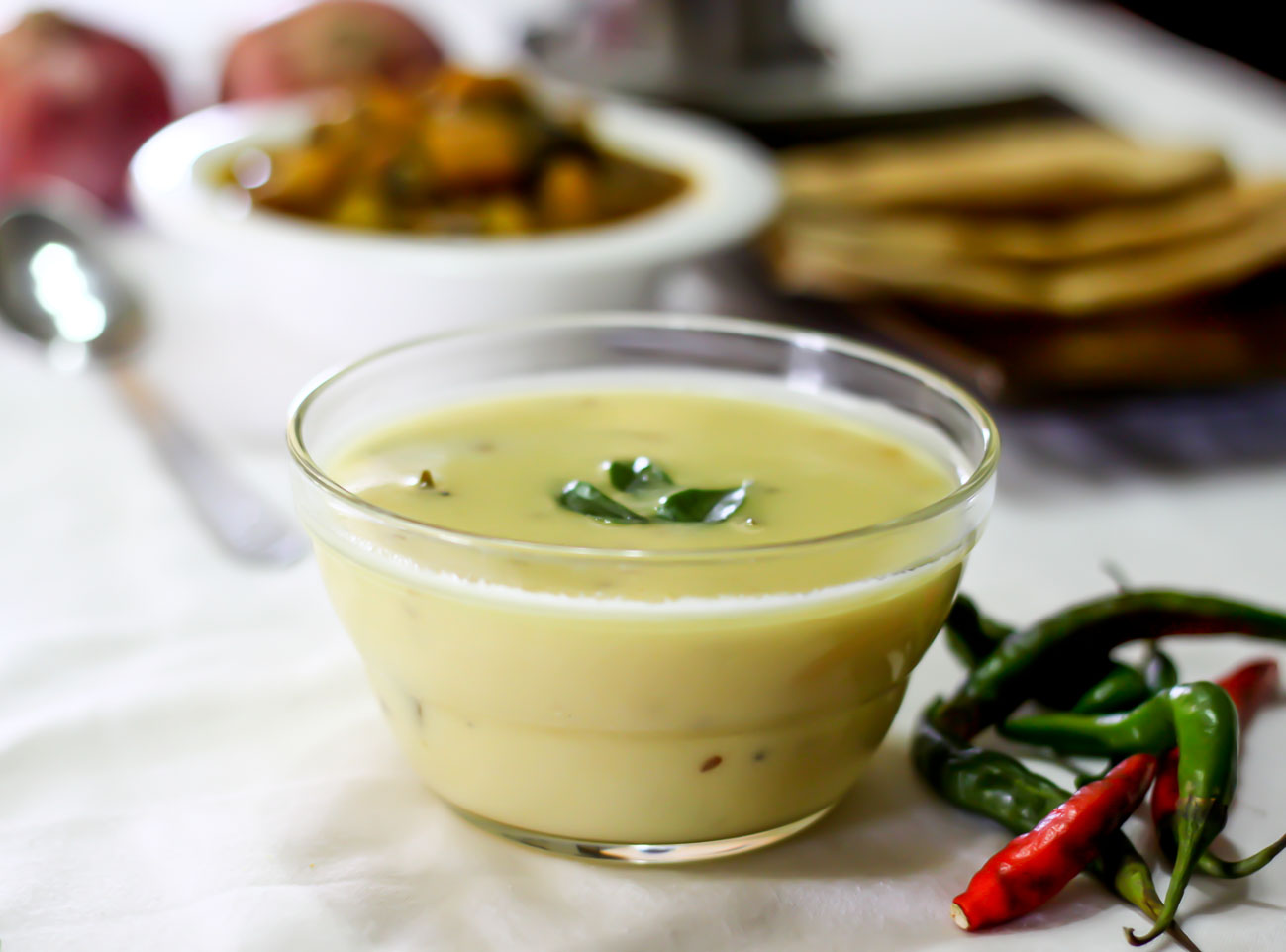
    Gujarati Meethi Kadhi

    Kadhi is an Indian main course dish of desert origins, and was first made in Rajasthan. However, it quickly grew popular with people from other regions of India, and now has different variants according to different states, belonging to Punjab, the Sindh area of Pakistan, Gujarat, Uttar Pradesh, and Maharashtra. While it is a dish best served hot, kadhi itself is derived from curd and yoghurt, which ironically taste best when cold.

    Gujarati cuisine is known for its sweetness, and its kadhi carries the same quality. In our household, Gujarati meethi (Hindi for “sweet”) kadhi is a winter favourite, and its recipe has passed on from one generation to the next, with a few modifications by each. This dish can be had as a drink, and since we already have the salty kadhi of Uttar Pradesh, complimented with besan pakodas (fillets), Gujarati meethi kadhi is served as a hot and sweet beverage mostly in the evenings. It hardly takes much time and effort to prepare, and is the perfect heavy snack that will fill your stomach in between meals. All you need is a bowl, a saucepan, and some easily accessible cooking materials, and a time period of fifteen minutes to spare.

    Recipe (serves two)

    Ingredients required:

    • 2 big tablespoons of besan (gram flour)
    • 1½ glasses of curd
    • Half a cup of water
    • Turmeric
    • Curry leaves
    • Asafoetida
    • A teaspoon of rai (mustard seeds)
    • Two teaspoons of sugar
    • Salt
    • Whole, dried red chillies
    • 2 teaspoons of oil

    The steps needed:

    • Add the besan and curd slowly in a big bowl, stirring slowly so that no lumps are formed.
    • Put a pinch of turmeric in this mixture. Also, add salt according to taste.
    • In a separate pan, put oil and let it heat on a slow flame.
    • To the hot oil, add rai, a little hint of asafoetida, and some curry leaves. Be careful to not let the curry leaves blacken completely because of excessive heat.
    • On a low flame, add red chillies to the pan.
    • Take the besan and curd paste, and pour it in the pan.
    • Stir continuously so that no lumps are formed while keeping the pan on a medium flame.
    • Let the mixture boil, and then pour it in glasses.
    • Top with a few curry leaves and serve hot.
  • Chutneys are Yummy! Part 2

    Chutneys are Yummy! Part 2

    Chutney (also translated as Chatney or Chatni) is a family of condiments mainly associated with South Asian cuisine that usually contain some mixture of spice(s), vegetable(s), and/or fruit(s). Chutneys may be either wet or dry, and can have a coarse or fine texture. There are various types of chutneys.

    Traditionally, chutneys are ground with a mortar and pestle made of stone or an ammikkal . Spices are added and ground, usually in a particular order; the wet paste thus made is sauteed in vegetable oil, usually gingelly (sesame) or groundnut (peanut) oil. Electric blenders or food processors can be used as labor-saving alternatives to stone grinding.

    Chutney

    Let’s explore two new mouth-watering recipes of Chutneys which one can make easily at home!

    • Garlic Chutney:

    garlic chutney

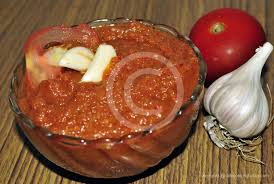
    This is a fiery-spicy chutney made from garlic cloves and red chilies. It is a taste-enhancing must-have accompaniment for South Indian dishes like Dosa, Idli, etc. In this customized Indian Garlic Chutney recipe, garlic, soaked red chillies and coconut are first sautéed in oil, and then crushed with tamarind pulp to make delicious Chutney having a complex hot, sour and spicy taste altogether.

    • Ingredients:

    1)  8 chopped garlic cloves (skin removed).
    2)  2 whole dry red chillies, seeded and broken into pieces.
    3)  ½ cup grated fresh coconut.
    4)  1 teaspoon tamarind pulp.
    5)  ¼ cup water.
    6)  2 teaspoons oil.
    7)  Salt according to taste.

    • Directions:

    1)  Heat 1 teaspoon oil in a pan. When the oil is hot enough, sauté the chopped garlic over a low flame for a minute and then transfer to a plate.
    2)  Heat the remaining 1 teaspoon oil in the same pan and sauté the dry red chillies over a low flame for 20-30 seconds. Again, transfer them to the same plate.
    3)  Let the sautéed garlic and dry red chillies cool for about 3-4 minutes. Transfer the garlic and the dry red chillies to the chutney jar of a grinder or food processor. Grind them until a medium coarse paste is formed.
    4) Add the grated coconut, the tamarind pulp, ¼ cup water and salt (according to taste) to the jar.
    5)  Grind them till a medium coarse paste is formed. Tasty South Indian Garlic Chutney to be enjoyed along with Dosa and Idli is ready to be served!

    • Tips:

    1)  You can also use 2 teaspoons of the red chilli powder in place of the usual dried red chillies.
    2)  Dry Kashmiri red chillies are specially added to get that nice red color and also to make a less spicy Chutney when compared to other varieties of chillies as such.
    3)  Replace the tamarind pulp with 1 teaspoon of lemon juice for a slight variation in the overall taste of the Garlic Chutney.

    • Preparation Time: 5 minutes.
    • Cooking Time: 5 minutes.
    • Servings: 6 (½ cup).


    • Pudina Chutney:

    pudina chutney

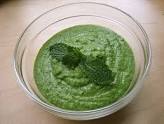
    Pudina (Mint) is an herb known for its medicinal benefits for indigestion, acidity, headache, dental and skin diseases. It is an integral part of Indian cuisine as well. This Pudina Chutney recipe makes for an extremely flavorsome and tempting Chutney prepared right from fresh mint and coriander leaves. However, its main taste comes from the tamarind paste which is added to give a nice tang to its spiciness. The whole texture of the Chutney is derived from the fresh coconut.

    • Ingredients:

    1)  ¼ cup fresh Pudina (mint) leaves.
    2)  1 cup chopped coriander leaves.
    3)  ½ cup grated fresh coconut.
    4)  2 chopped green chillies.
    5)  ½ inch piece ginger, chopped.
    6)  2 teaspoons tamarind pulp or lemon juice.
    7)  1 teaspoon sugar (optional).
    8)  Salt according to taste.
    9)  ½ cup water.

    • Note:

    This recipe requires tamarind pulp as an ingredient. You can easily find ready-made tamarind pulp to be bought in the market. If the tamarind pulp is not available, then you can also prepare it at home by simply following the directions which are given below-

    1)  Soak the tamarind in hot water for roughly 1 hour.
    2)  Remove the seeds of the tamarind.
    3)  Strain the whole mixture to prepare fresh and homemade tamarind pulp.

    • Directions:

    1)  Clean the mint leaves and the coriander leaves well by running them under fresh tap water.
    2)  Grind the fresh coconut, green chillies, ginger, sugar and salt together in the chutney jar of a mixer or a food processor until a very smooth paste is formed.
    3)  Add the mint leaves, the coriander leaves, the tamarind pulp (or the lemon juice) and ½ cup water. Grind again until a very smooth consistency of chutney is arrived at.
    4)  Fresh Pudina Chutney is ready to be served along with your favorite condiments!

    • Tips:

    1)  Replace the tamarind pulp with an alternative of lime juice for an even more delicious tang of the Pudina Chutney.
    2)  Store it in an airtight container in refrigerator for up to 3-4 days. You can then use as and when it is required.
    3)  You can always add more water and adjust the spices according to your own tastes so as to make the Pudina Chutney more diluted and thin, or of a concentrated and strong flavor.

    • Preparation Time: 10 minutes.
    • Servings: 8 (1 cup chutney).

    So there you are – two delicious Chutneys which you can easily make at home by following some simple instructions. These are very good from the health point of view. They also acts as excellent taste enhancers.

    Keep watching this space for more delicious recipes!

  • Aloo Paratha Recipe

    Aloo Paratha Recipe

    Generally Parathas are treated as Indian breads.These Indian breads are roasted on a skillet with oil.This delicious dish is conceived previously in Punjab,later it spread to all the parts of the country and also South Asia.There are different types of Parathas.Parathas may be plain, stuffed with vegetables like potatoes, cauliflowers, peas, paneer and few are stuffed with non vegetarian like ground meat, eggs and many more.Parathas are available at any of the Indian restaurant and Dhaba’s are famous places to enjoy these Paratha recipes.In India we can find few frozen and precooked parathas in supermarkets.Most of the veggies choose to eat parathas as a meal in any part of the day.Paratha can be eaten simply with a spoon of ghee, butter.But it tastes best with pickle, thick curd, chutneys, any curry or gravies.

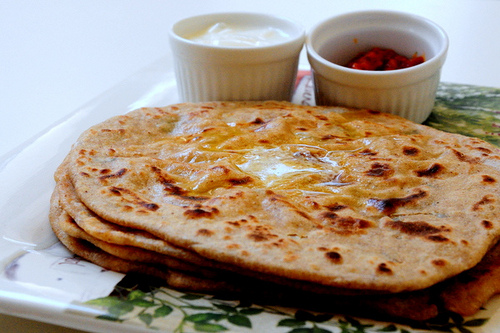
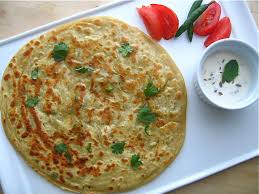
    Spicy Aloo Paratha served with curd and pickles with butter topping
    Spicy Aloo Paratha served with curd and pickles with butter topping

    In North India most of the people like to have flat breads stuffed with spiced potatoes generally known as Aloo paratha.For the preparation of this dish patience is required.Aloo paratha is a famous dish that is so delicious and tasty.The name itself specifies that Aloo means potato.It is very easy to make it and can be served as breakfast or a snack item.The preparation of Aloo paratha is as follows.

    Ingredients:

    For Dough preparation:

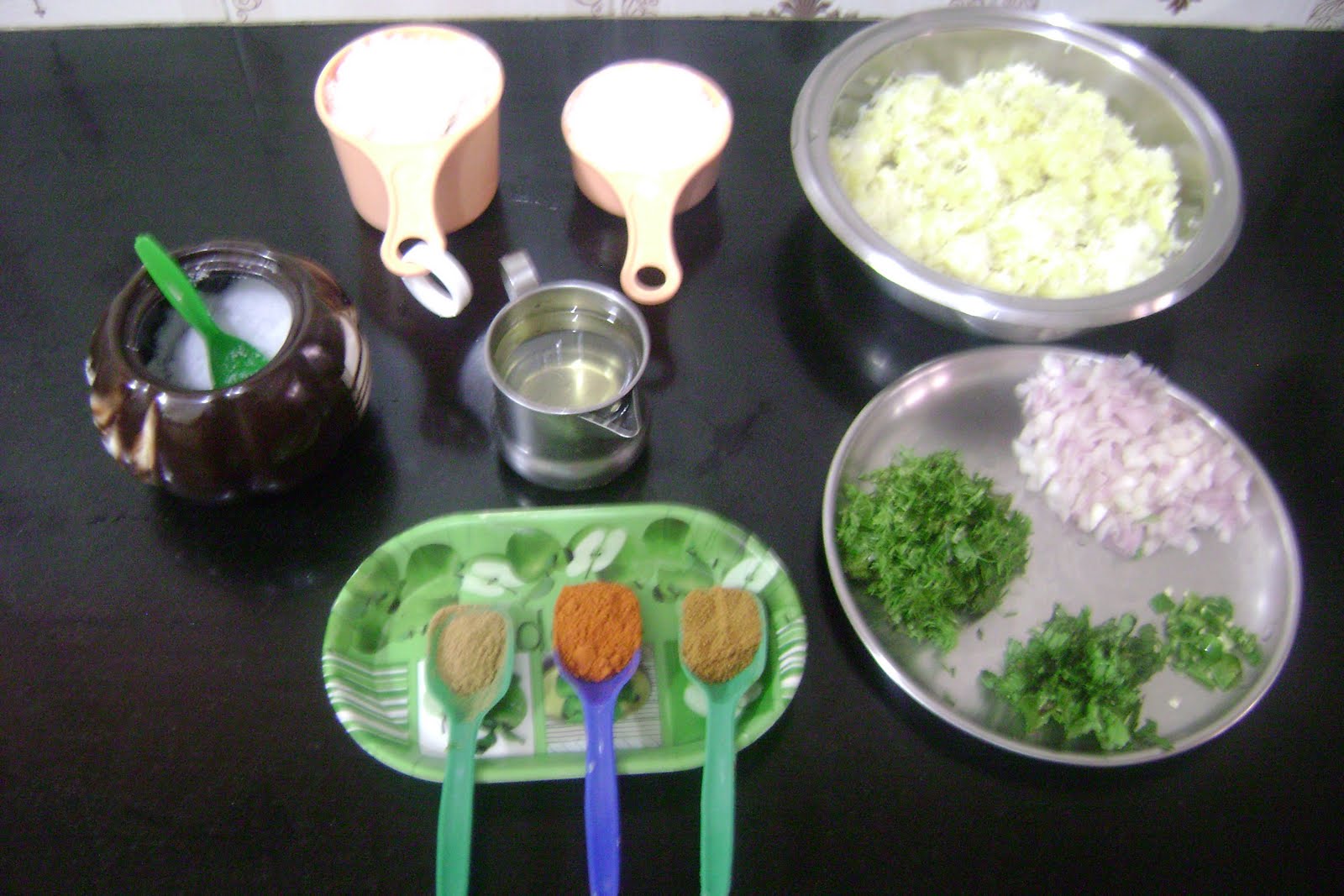
    1) Take a cup of golden temple flour

    2) Take half the cup of water

    3) Take half teaspoon of salt

    4) Take two to three teaspoon of oil

    Dough Preparation Ingredients
    Dough Preparation Ingredients

    For Aloo stuffing:

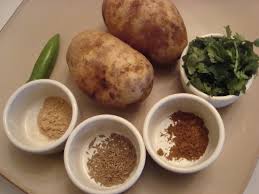
    1) Take two medium potatoes

    2) Take half the teaspoon of salt

    3) Take half teaspoon of garam masala

    4) Take half teaspoon of cumin seeds

    5) Take one fourth teaspoon of turmeric

    6)Take one fourth teaspoon of red chili flakes

    7)Take five sprigs of cilantro, chopped

    Aloo stuffing ingredients
    Aloo stuffing ingredients

    Preparation:

    To enhance better taste, the first thing we need to consider is take right kind of flour.That kind of flour is also known as duram atta.This flour is a combination of stone ground wheat and regular flour.It is perfect for making roti’s, chapathi’s and paratha’s.Here in the below preparation process we are going to take golden temple flour.As we are having the flour we are half set.The first and the important part in the preparation of aloo paratha is dough.

    Dough preparation:

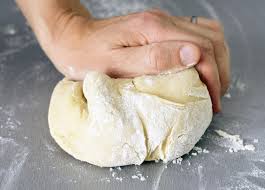
    Take a bowl and rinse it completely.Then clean it by using a dry cloth.Now take all the ingredients: add a cup of golden temple flour, add half the cup of water, add half teaspoon of salt,  add two to three teaspoon of oil.Mix them thoroughly until it forms a soft, elastic dough.The mixture should not be sticky, but it must be smooth.To form smooth paste it must be stirred cotinuously.After the dough is prepared break it up into equal pieces and roll them to form balls.Now set them in a small bowl containing oil and cover it by using some oiled plastic wrap.Let the dough balls last for few some time.As we are making Aloo paratha we need to make potato mixture now.

    Dough preparation for aloo paratha
    Dough preparation for aloo paratha

    Aloo stuffing preparation:

    For the preparation of this recipe and to have delicious taste, we need to take fresh and unspoiled potatoes.Take small round potatoes and boil them for few minutes.Now peel off the covering of potatoes and chop them into small pieces.Boiling process must be done until the fork tender into potatoes.Now use a mill to mash potatoes.After mashing them, add all the ingredients and mix well.Make sure to have same amount of potatoes as that of dough balls.

    Aloo stuffing in paratha preparation
    Aloo stuffing in paratha preparation

                                               Now our original preparation of parathas starts.Before making paratha rolls first heat the pan at low flame and keep the work space ready.Take a non stick pan with a wide, flat bottom and low sides as it is easy to cook and also heats up very quickly.Along with pan ready we also need to take a bowl full of flour, a cutting board or other flat surface for rolling out the dough and a small rolling pin called a Belan.

    Aloo Paratha preparation:

    1) Take one teaspoon of oil on a non stick pan and heat it on a medium flame.

    2) Now take the dough and dip in a flour bowl until flour is attached to it on all sides.

    3) After applying flour on all sides flatten it in the form of a disc.

    4) Now roll it on a flat surface using a Belan to form long flat discs.

    5) Take the potato stuffing that is prepared earlier and place it on the middle of flat dough.Now roll the dough a little, so that it is large enough to cover the potato ball.After that wrap a potato ball with the dough, gathering the edges together.

    6) Press the edges inn to get sealed and again make it flat in the form of a disc.

    7) Again dip the new flat thing in the flour bowl, so that it is attached with flour on all of its sides.

    8) Take this on a flat surface and roll out the disc evenly into a circle upto a size of six inches in diameter.Make sure the dough must be as thin as possible so that we can see the spices through it.

    9) Now place the stuffed dough disks on a non stick pan and heat it on medium flame.You will notice a color change to yellow.Once the paratha is cooked on one side toast it on other side.That’s it spicy tasty vegetarian paratha is ready.

    Aloo paratha is ready to serve
    Aloo paratha is ready to serve
  • Rice Is Nice!

    Rice Is Nice!

    Rice is a part of the Bengali’s ‘Mach Dal Bhat’ and most of us have had it for a better part of our life – Rice for dinner. Rice for lunch. For some, rice for breakfast too. It is the staple food of Bengal. And it goes well with a myriad of delicious sides.

    Rice can be cooked in various ways. It can be steamed, boiled, spiced up, etc. it can be simply stirred with jeera to make ‘Jeera Rice’ or made into a pulau, a biriyani or porridge; you can even make a risotto (this I learnt from MasterChef Australia). It can be used in soups, in sushi, stuffed in vegetables or wrapped in grape leaves.


    Rice provides more than one – fifth of the calories consumed by humans all around the world. So, why not learn how to cook ‘em?


    Jeera Rice

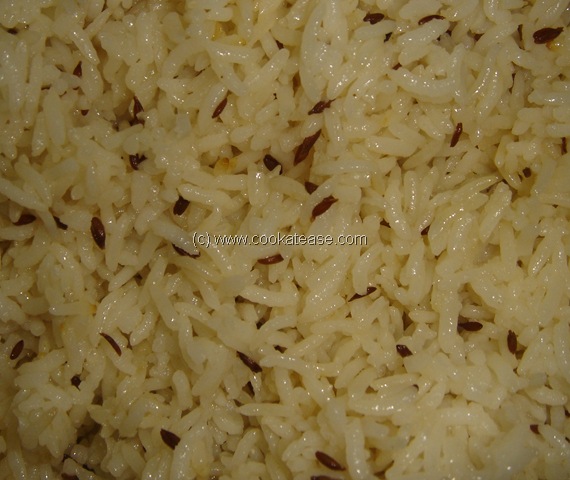
     Jeera_Rice_1

    Time: 30 minutes

    Serves: 4

    Ingredients: 1 1/2 cups Basmati rice, 2 tsp Cumin seeds, 1 ½ tsp Ghee, 1 bay leaf, 1 black cardamom, 1 2 inch cinnamon stick, salt

    Directions: Wash rice thoroughly and soak in water for half an hour. Drain. Heat the ghee in a pan. Add cumin seeds, bay leaf, cardamom and cinnamon. When cumin seeds crackle, add the rice. Add salt to taste. Stir till ghee coats every grain of rice and it looks glossy. Add three cups of water. Bring to a boil. Stir once. Reduce heat to minimum and cover the pan with a lid. Leave a little gap, otherwise water will boil over. Rice will be done when holes appear on the surface and water has been completely absorbed. Fork the rice out onto a serving dish. This will separate each grain. Serve hot with any curry.


    Vegetable Pulao

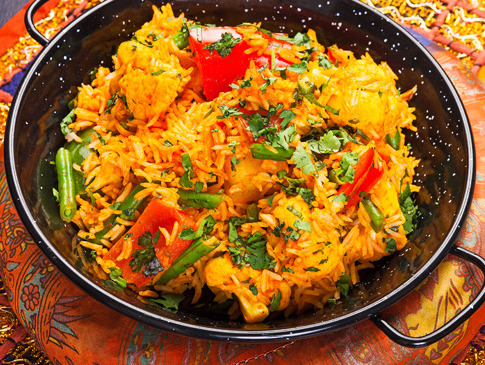
     vegetable pulao-1_thumb[1]

    Time: 30 minutes

    Serves: 4

    Ingredients: 2 cups long grained or basmati rice soaked for 30 minutes, 2 or 2.5 cups of chopped mixed veggies (cauliflower, carrots, green peas, potatoes, broccoli, corn kernels, baby corn, french beans ), 1 large onion (sliced), 1 tsp ginger-garlic paste, 1 green chili (chopped), 1 medium size tomato (chopped), 4.5 cups water or vegetable stock, 2 to 3 tbsp oil or ghee, salt, whole spices (1 tsp cumin, 1 bay leaf 2-3 cloves, 2 green cardamoms , 1 black cardamom, 1 pinch of mace, 1 small star anise, 1 inch cinnamon)

    Directions: In a deep pot, heat oil and fry all the whole spices till the oil becomes fragrant. Add the onions and brown them. Add the ginger-garlic paste and saute for a minute. Add the tomatoes & green chilies and saute for 2-3 minutes on a low flame. Add all the veggies and saute again for 2-3 minutes on a low flame. Drain the rice and saute for 2-3 minutes on a low flame, so that the rice gets well coated with the oil. Pour water and stir. Season with some salt. Cover tightly and let the rice cook on a low flame, till the water is absorbed and the rice is well cooked. Fluff and let the rice stand for 5 minutes. Serve the vegetable pulao hot with some side salad, sliced onion & lemon wedges.


    Hyderabadi Vegetable Biriyani

     Hyderabadi-Vegetable-Biryani

    Time: 45 minutes

    Serves: Served 4

    Ingredients:

    For the Rice: 1 and half cup basmati rice, 2 green cardamoms, 2 black cardamoms, 2 cloves, 1 cinnamon, 1 bay leaf, , 2 mace strands (javitri), 3 cups water, salt


    For the Vegetable Gravy: ½ medium sized cauliflower (florets removed), 1 medium sized carrot (diced), 1 medium sized potato  (cubed), 1 cup of chopped french beans, ½ cup frozen fresh peas, 1 and half onion (finely sliced), 1 green chili, slit, 2 tbsp ginger (julienned), 1 tbsp chopped garlic, 1 tsp caraway seeds, 2 green cardamom, 2 black cardamoms, 2 cloves, 1 cinnamon, 1 bay leaf, 2 mace strands, 100 gm whisked yogurt, ¼ tsp turmeric powder, ½ tsp red chili powder or cayenne pepper, 2 tbsp cashew nuts, 1 tbsp sultanas or raisins, 2 tbsp almonds (blanched, peeled and sliced), 3 tbsp ghee, salt


    For the assembling (herbs and spices): ½ cup chopped coriander, ½ cup mint leaves, 100 gm whisked yogurt, a few saffron strands, 1 tbsp milk


    Directions:Pick and clean the rice in running water. Soak the rice in water for 30 minutes. Now microwave or pressure cook the rice. Cook the rice till its ¾th done. In a pressure cooker or a microwave cooker, add the pre-soaked rice, add all the spices mentioned above and salt. Cook till the rice is almost done. Fluff the rice and keep it separate. Heat the ghee in a handi. Add cardamom, mace, clove, cinnamon and bay leaf. Fry them till they crackle. Add the onions. Fry them till golden brown. Add the green chilli, ginger and garlic. Fry for a minute. Add the turmeric and red chili powder. Stir. Add the vegetables and stir for a minute. Add the curd. Stir and then add ¾ cup water. Add salt. Stir the mixture well.

    If using a pressure cooker for cooking the vegetables, then cover the cooker with a lid and pressure cook for 2 minutes. If not using a pressure cooker, then bring the entire vegetable mixture to a boil. Then simmer until the vegetables are cooked. Add the dry fruits (almonds, raisins and cashew nuts) to the vegetable gravy.

    Warm the milk. Add saffron to it. Let this saffron-milk mixture cool. Add the curd to this mixture and mix well. In the same handi with the cooked vegetables, sprinkle half each of saffron-flavored curd, mint and coriander leaves. Now spread half of the rice. Sprinkle the remaining saffron-flavored curd/yoghurt, mint and coriander leaves. Spread the remaining rice. Sprinkle rose water. Place a moist cloth on top. Cover with a lid. Then seal with wheat flour dough or keep a heavy weight on the lid. Place the sealed handi on the gas stove at low fire. Cook for 20-25 minutes more.

    If using an oven, preheat the oven to 190 degree C and bake the biryani for 15-20 minutes. Assemble the vegetable biryani as mentioned above in an oven proof utensil and then bake it.


  • Foods that can actually kill you

    Foods that can actually kill you

    We have several food items in the market which people believe are very healthy and essential for the human body. But there are not aware that these food items can cause serious damage to their body. The result of which can even lead to death of the person. You must be aware of the side effects of such food items so that you can stay protected. Here we are mentioning some of those foods and you should stop eating  immediately as they can kill you.


    Sports Drink:

    sports_drinks500

    Today we have several sports drink in the market and people believe that they are highly beneficial for the body. These types of drinks are specially designed for the people who get involved into the training sessions or play different sports. Due to the intense workout and physical labor they sweat a lot and the level of glycogen in their body goes down. The sports drink contains water, sugar and electrolytes which compensates for the loss of fluid, energy and the electrolytes. If you are not getting involved in any intense workout sessions then this drink can be highly dangerous for your body as you don’t need any additional sugar, fluid and electrolytes. So please avoid drinking it.


    Heart Healthy Vegetable Oils:

    oil

    People are so much influenced with the heart healthy vegetable oils that are present in the supermarkets. They believe that with its consumption, they can protect their heart and keep it healthy. But it is not necessarily true. The methods performed in their extractions are quite complex and involves several processes such as bleaching and addition of hexane which are very much harmful for the human body. As a result these oils have a large amount of Omega 6 fatty acid and trans fats in them which are not at all beneficial. There are chances that you may get diagnosed with the chronic diseases if you consume these types of oils.


    Agave Nectar:

    SWS201

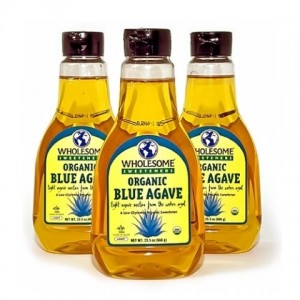
    You must have seen several advertisements in which the manufacturers claim that their product is sugar free. It is because it contains Agave Nectar and it gives the sweetened taste. While people prefer it as Agave Nectar has low glycemic index and it acts as a wonderful replacement to the actual sugar, they are not aware that it contains unnatural fructose which cause several damages to the human body. Those people who are not very much active or say don’t exercise much, high fructose can lead them to serious diseases which are life threatening. Agave Nectar has 40 % more fructose in it than the actual sugar. So it is better to avoid them.


    Energy Bars:

    energybar

    Energy bars are not for such people who have a normal routine. They are very much similar to the sports drink. The ingredients that they have are required only by the specific peoples and if you are not among them, then you should avoid it so that you remain protected. The sports personalities need extra protein intake so as to make them fitter and gain energy. So they eat it in 2-3 hours intervals. If you don’t have such work then there is no need for you to eat these energy bars. They have a lot of ingredients which are harmful for a normal person.


    Fat Free Foods:

    41161CL

    Today people love to eat those food items which have less fat or absolutely no fat in them as they believe that it is the best way they can keep a check on their health. But this is not at all a wise decision. The absence of fat in the body also leads to several diseases. The fat free foods have several disadvantages. Since they are highly processed and several chemicals and sweeteners are added so as to get rid of the fat contents, they are extremely dangerous for the human body. It is advised that you stay from such food items as their adverse effects can take your precious life from you as well.


    Foods Having Low Carbohydrates:

    Best-low-carb-food

    People generally believe that it is good to eat those food items which offer low carbohydrates as they offer several health benefits. The market today is full of such food. For the companies which manufacture such food items, they find it a perfect opportunity to make some cash as people prefer them without knowing that such foods harm them and make them prone to the diseases. The artificial ingredients added in them can cause some serious damage and you can eventually get yourself killed because of its side effects.


    Gluten Free Foods:

    gfree

    People today have started to eliminate gluten from their diet completely as they find it one such ingredient which causes them serious trouble. Gluten is found in wheat and barley. So the food items in the markets today are gluten free. But the point which needs attention here is that gluten free foods are not at all healthy. They contain starch and other artificial chemicals which causes several adverse effects on the health. Moreover they also have large sugar content. So you should understand that gluten containing food items are much healthier and the complete absence of gluten can deteriorate your health and cause you trouble.

  • Foods which are best for skin

    Foods which are best for skin

    The nutritious and healthy food is all that you want to have a perfect and blushing skin. Not only it protects the inner body but also shields from the outside.  The better and more nutritious food stuff we take in results in more beautiful and vibrant skin. Now a day’s people spend a lot amount of money in buying skin products, but the results out of them are not found to be satisfactory. We can protect our skin by proper exercising, sleeping for adequate amount, avoiding damage from the sun and most importantly by eating healthy and nourishing food items.  The right kinds of food items can certainly shield the skin from the effect of environment, location and time. People have become less concerned of what they eat and hence they end up buying expensive cosmetics for their skin. Taking all the necessary nutrients in your diet definitely results in glowing, healthy looking skin. So if you really want the radiant and shining skin then you have to make sure the food items you take in.

    pinklips4

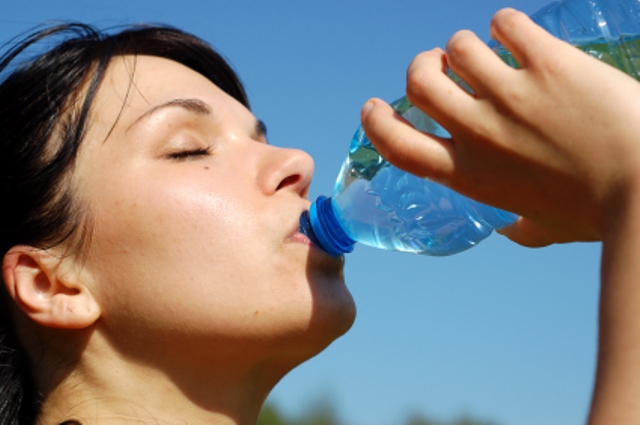
    Drink a lot:  In order to make your skin more flexible, drink a lot to provide it with moisture. Deficiency in the amount of moisture can lead to dry, dull and drained skin. It has been found out that it is necessary to drink around 6 to 8 glasses of water every day. If you are working or move out of your house, make it a habit to carry a bottle of water along with you. Consuming alcohol is damaging for the skin, so avoid extreme amount of it. Teas which do not contain caffeine are also good for the skin.

    Raw-Almonds

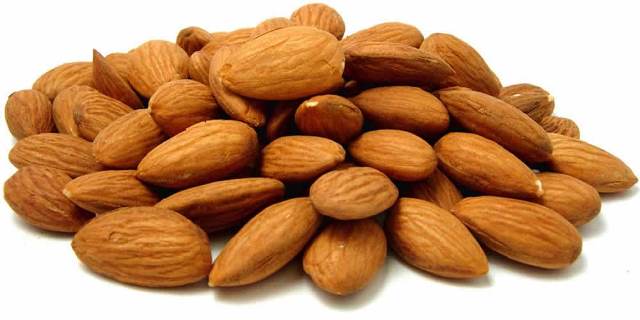
    Almonds: Almonds are rich in Vitamin E and because of that it helps in protecting the skin from the damage of the sun. It has been found out that the people who ingest about 20 almonds a day are more resistant from the exposure to the sun as compared to the people who do not consume almonds. Vitamin E acts as an antioxidant and hence it is quite beneficial for the skin.  So don’t forget to eat almonds every day to have a beautiful and vibrant skin.

    food-skin-health

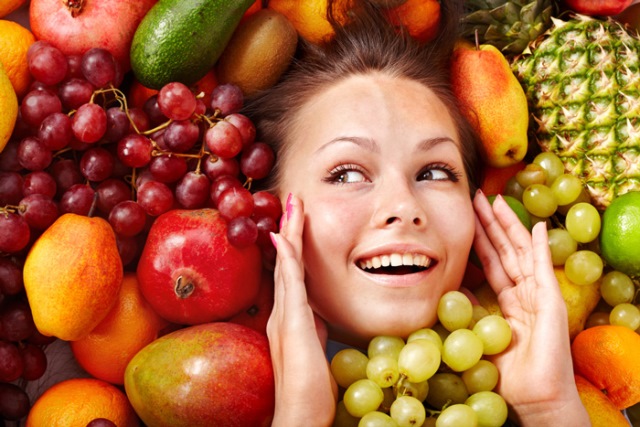
    Fruits and Vegetables: Effective and necessary antioxidants are present in fruits and vegetables that provides shield to the skin from the cellular ravage that is triggered by the free radicals. These free radicals can lead to wrinkles and age marks on the skin. They are produced by contamination, effluence, smoking as well as sunlight.  Proper amount of fruits and vegetables in your diet are very important for healthy and fit skin. Try to include papaya, spinach, pumpkin and sweet potatoes in your diet as they rich in all the necessary nutrients which the skin wants.

    7

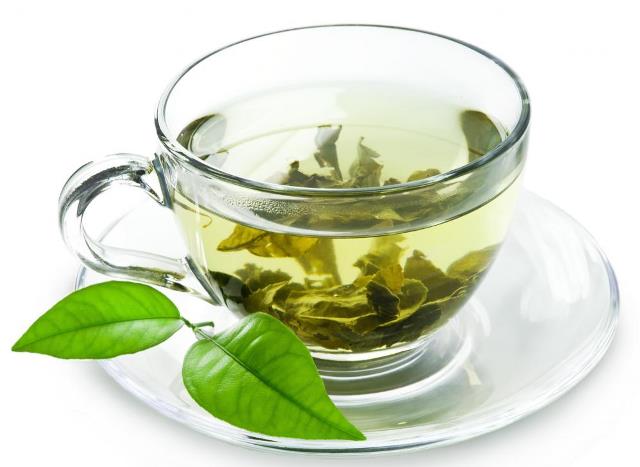
    Green Tea: Green tea has many benefits like it provides relaxing and soothing effect. Apart from that it contains antioxidants that fight with tenderness, swelling and inflammation. It is also studied that the consumption of green tea may diminish the danger of skin cancer as well. Because of the high amount of antioxidant present in the green tea, it helps in reducing the redness. So it is advised to consume 1 cup of green day every single day.

    Foods-For-Healthy-Skin

    Guava, Orange, papaya:  Vitamin C is considered as an excellent antioxidant. It is very essential for us and provides us with many benefits like it plays a vital role for the robust immune system. It makes the skin glowing, shining and healthy looking. It helps in the healing of the blemishes and the marks. There is wide range of vitamin c rich food items that you can consume. Some of the finest sources include guava, orange, papaya, kiwi and many more.  Hence, make your skin looks vibrant and lively as a result of vitamin c rich food stuff.

    chocolat

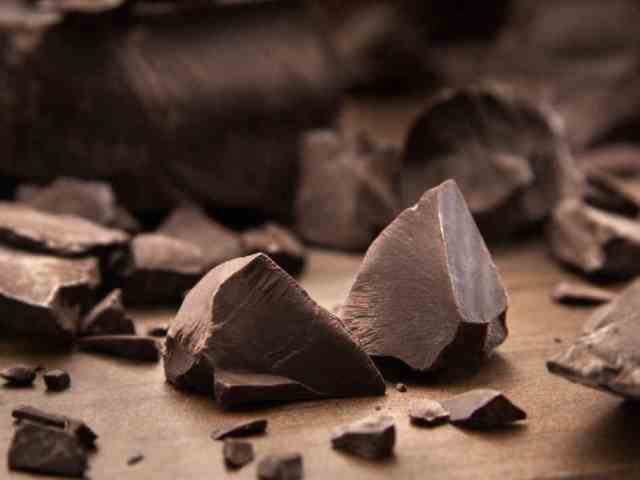
    Dark Chocolate: Dark chocolate proves to be very valuable for the skin. The antioxidant present in the dark chocolate is ‘flavonols’ that helps in reducing the coarseness in the skin. It also provides protection from the sun. It acts as a sun blocker. The skin becomes more flexible and agile as the cocoa provides moisture to the skin. A little amount of it every day certainly improves the glow and shine on the skin. The person who consumes it has an advance texture of the skin and he or she is more resistant to the sun rays.

    Walnuts

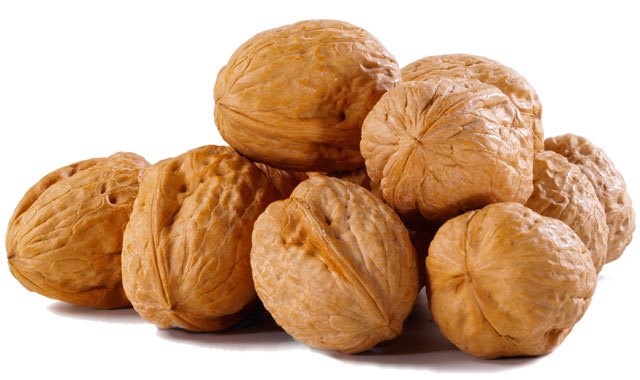
    Walnuts: Omega -3 fatty acids are very important for us as it helps in improving the flexibility and agility of the skin. Walnut is very rich in Omega-3 fatty acids.  Apart from that walnut also contains copper, which is a useful mineral that increase the creation of collagen. So in order to get a better skin texture and to make the skin more refreshing eat walnuts every single day.

    best-foods-for-your-skin

    We all have various creams as well as skin treatments but the skin becomes more beautiful with the intake of nourishing and healthy food products. It is essential that we include the desirable nutrients in our everyday diet to make the skin radiant and fabulous. So make sure that you consume the vital nutrients every single day.

  • Mainstream Nutrition Myths

    Mainstream Nutrition Myths

    People generally have a lot of nutrition myths in their knowledge and they follow it as they have heard it from somewhere and consider it as a true fact. But today science and technology has progressed a lot. We no longer live in the world where facts cannot be verified. The scientific studies have proved that the following mentioned myths are baseless and people should ignore them completely. So here we go.

    salt

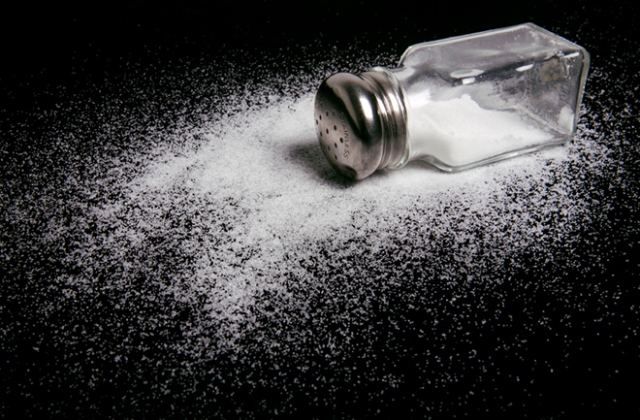
    You should eat less salt so as to prevent the heart attacks: Yes you may have heard this myth from a lot of people advising you to eat less salt as in helps in preventing the heart attacks. While this has been proved that eating less salt reduces the blood pressure of the human body to a very slight level, there has not been any link established between the heart attacks and the salt consumptions. If you are suffering from hypertension then salt intake should be restricted to prescribed limit. So don’t go for the boring and tasteless food. Eat as such as salt you feel like. time-eating

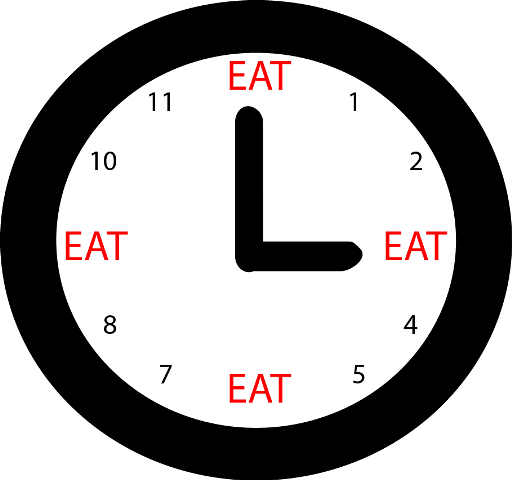
    Having several small meals is more beneficial for health: people often argue that that those who eat several small meals in a day are more active as their metabolism rate is higher than the people who eat at the fixed timings. This is again a myth and it is not correct. The activeness of the human body depends upon the calories that are burnt throughout the day. So if you are having 6-7 small meals or going for the regular 3 meals, the effects will be same. Eating very often can also increase the abdominal fats which is very harmful.

    Low-fat-high-carb-foods-make-you-fat

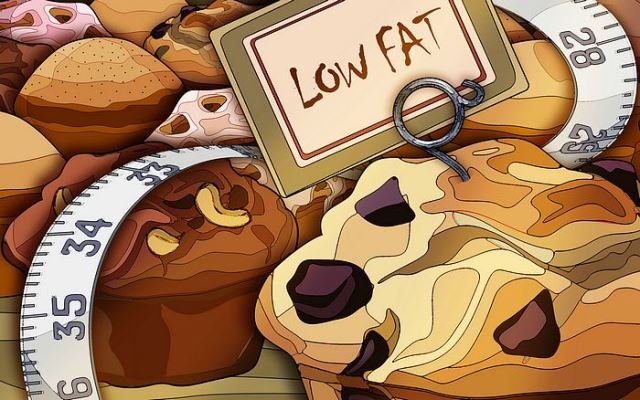
    You should go for foods which have high carbohydrates and low fats: Now this is one such myth which is extremely popular. You must have often heard people saying that one should eat food items which have high carbohydrates and low fats, as in this way you can prevent the body from any sort of disease and stay healthy. Further they also help in losing weight and prevent the risk of cancer. This is completely baseless. There has been several studies conducted on this myth but none has been able to give results which can support this claim. egg-yolk

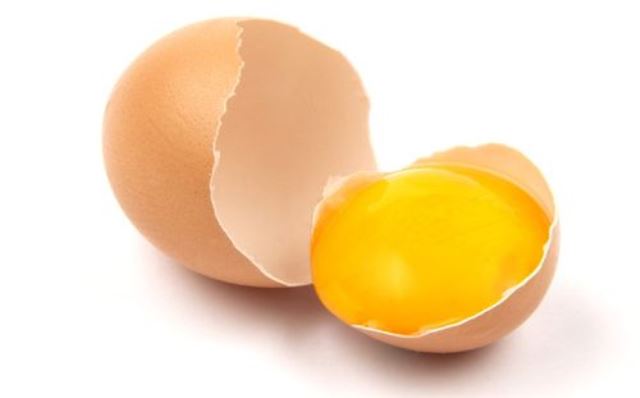
    Avoid eating yolks in eggs as they have high cholesterol and causes heart disease: I mean seriously you believe this myth. Yolk has the tremendous source of essential vitamins and minerals which the body requires for proper functioning. It has a high amount of good cholesterols which are essential for the human beings and clearly it does not cause the heart attacks. If you are diabetic then surely you should not eat eggs. But if you are healthy then you must eat eggs as they are among the most nutritious foods that we have. So who so ever tells you to stop eating yolk or eggs, ask them to read about the benefits of eating eggs and get their facts corrected. coffee-shops-stockholm

    Avoid coffee as it is unhealthy: You must have been advised by your loved ones that you should not drink coffee too much as it contains  caffeine which is not only dangerous for the health but also gets you addicted towards it. But the latest studies conducted have yielded different results. According to them, coffee offers several health benefits and so you should drink it more often. It is a wonderful source of the antioxidants and helps people in getting rid of the depression and diabetes.

    high-protein-diet

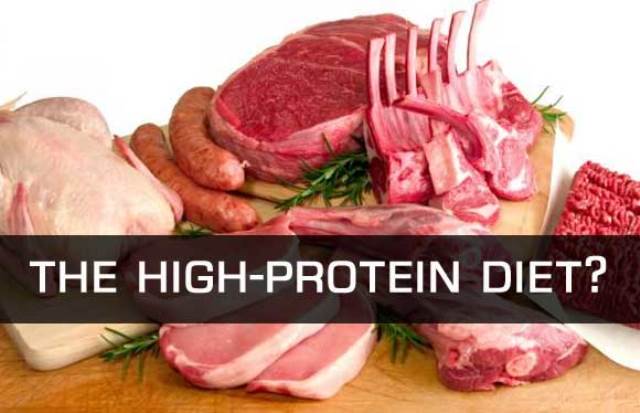
    Say no to high protein diets: Most of the people believe that diets which are high in proteins such as the chickens and meats causes the extra strain on the kidneys and make it prone to the diseases. Result of which can lead to the kidney failure.  But this is not at all true. The protein intake is completely safe for the people who are healthy and only those people who have kidney diseases should stop themselves from eating protein rich foods. Proteins act as a wonderful agent which suppresses the appetite and helps in the weight loss process.

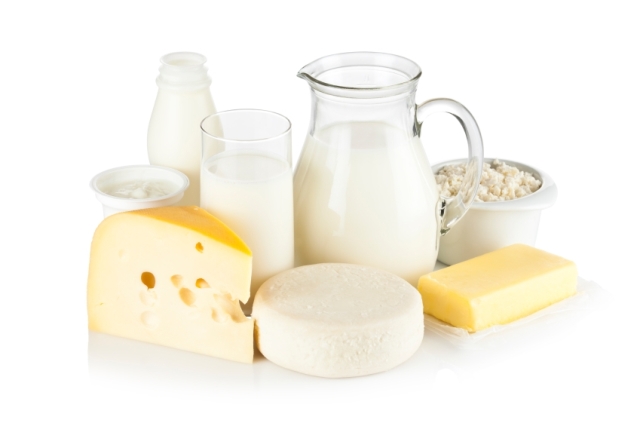
    Milk_Dairy

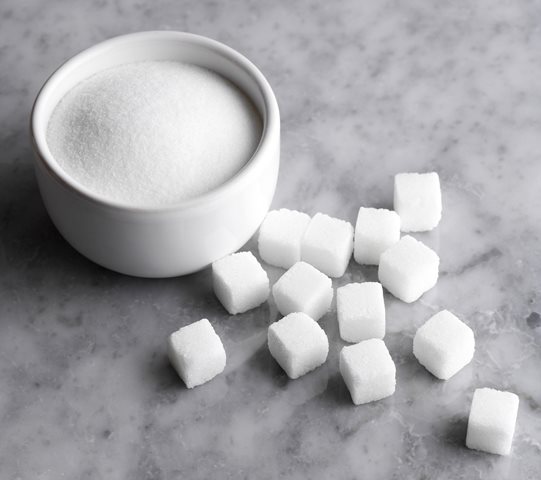
    Avoid full fat dairy products: you must have seen people opting for the toned milk instead of the full cream milk. It is because they believe that fully fat dairy products have a high amount of the calories and saturated fats present in them which results in the increase of obesity and the risk of the heart disease. But none of studies conducted so far have not been able to prove these myths as a true fact. The dairy products are preferred as they have high amount of fat in them and so if you choose to go for the less fat products then it is surely a bad idea. sugar

    Sugar is not harmful for the human body: We use sugars in several drinks and food items daily without paying attention towards the amount of sugar that we are consuming. Excess sugar consumption has several health disadvantages. You should check the consumption of sugar as it provides the empty calories which are not good for the healthy body. Not only it can cause you obesity, diabetes but it also affects the metabolic reactions going inside the human body.